
The Story
Why it exists.
The beginning
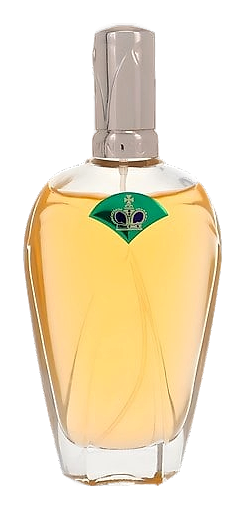
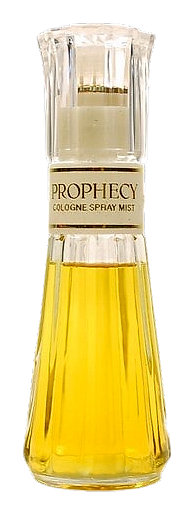
Prophecy arrived in 1962, a time when American perfumery was reaching for something grander. Prince Matchabelli had built its name on accessible elegance, aristocratic roots, New York accessibility, and Prophecy fit that tradition perfectly. The name itself is a quiet declaration: wear it and something might be revealed. The composition reflected that ambition. An aldehydic opening borrowed from the Chanel playbook, but filtered through Prince Matchabelli's own vision of what a floral should be.
The pyramid is unusually layered for a cologne concentration, six heart notes where most contemporaries offered three or four. Jasmine, gardenia, and rose form the lush core, but carnation and blackcurrant add complexity that keeps the florals from feeling static. The base is where Prophecy earns its vintage credentials: sandalwood and cedar provide warmth, while vetiver and oakmoss bring an earthy, almost medicinal quality that grounds the sweetness. This isn't a scent that floats. It settles.
The evolution
The aldehydes hit first, that characteristic waxy brightness, almost metallic, the smell of old evening gowns and good decisions. Lily reinforces the cool, green edge before the florals take over. And they do take over. Jasmine, gardenia, rose, and blackcurrant arrive as a bloc, not individually, creating a garden that feels both opulent and cohesive. Carnation adds warmth throughout the heart, a clove-like spice that keeps the sweetness honest. By the third hour, the florals begin to recede and the base emerges: sandalwood's creaminess, cedars quiet warmth, vetiver's earthy drydown. The oakmoss lingers longest, that mossy, slightly medicinal note that vintage lovers chase. Eight hours in, it's still there, close to the skin, intimate rather than announced.
Cultural impact
Prophecy belongs to the era of American aldehydic florals, the 1960s classics that competed with French houses on home turf. One reviewer described it as a "cerebral mood piece" that tells its own story as it develops, noting it's "big, dramatic and lasts about 8 hours." The fragrance doesn't appear in every discussion of mid-century American perfumery the way Wind Song does, but for those who know it, Prophecy occupies the same territory: complex, layered, and discontinued. Tracking down a bottle feels like solving a puzzle. The aldehydic opening signals vintage credentials immediately, this isn't for someone who wants modern restraint.