The Story
Why it exists.
The beginning
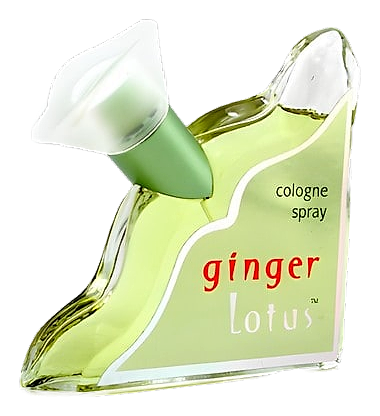
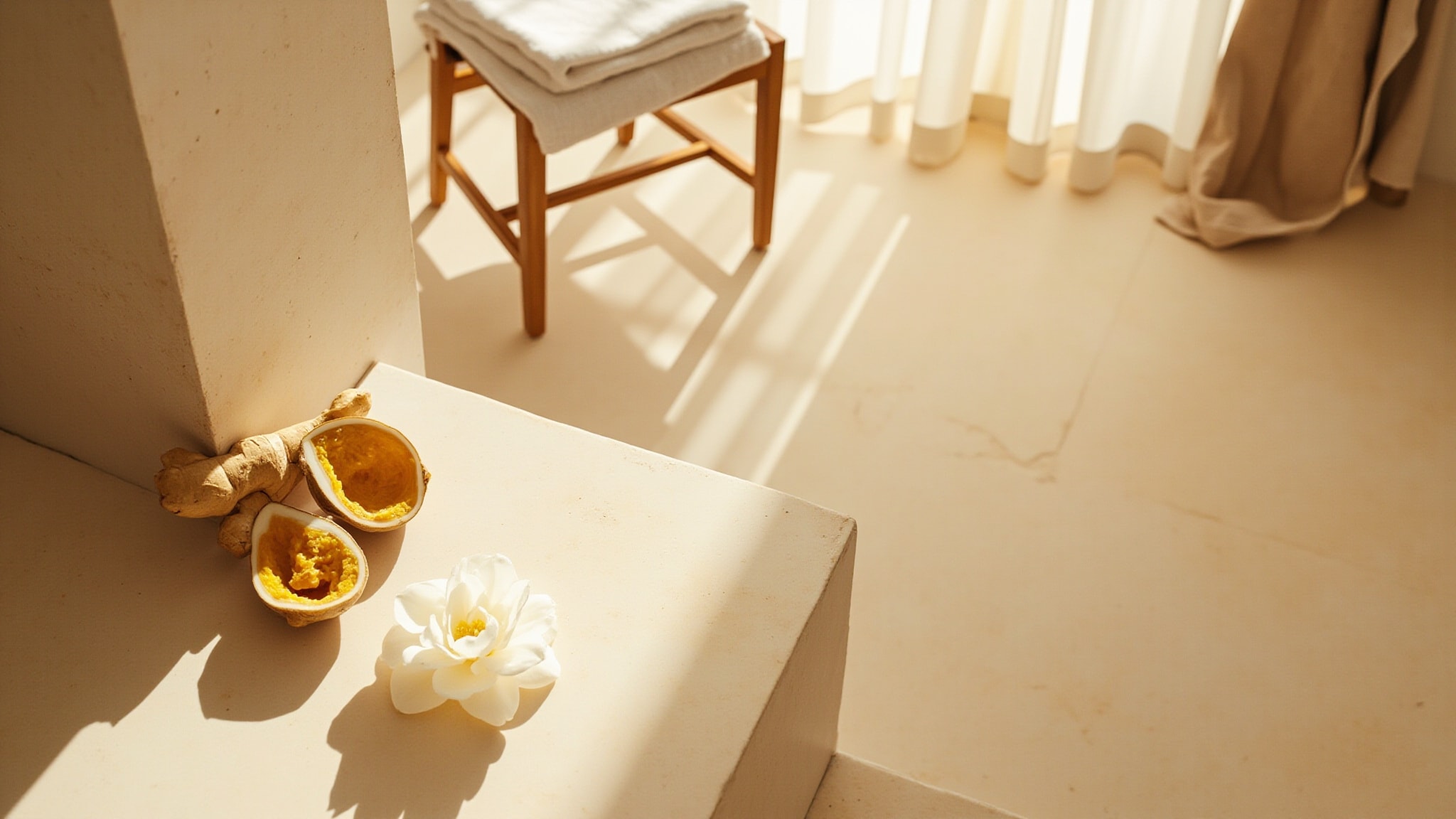
Prince Matchabelli built its house on a singular belief: a fragrance should echo a specific moment, a place, a feeling worth holding onto. Ginger Lotus arrived in 2001 as a continuation of that philosophy. The name itself is a pairing of contrasts, clean and warm, sharp and soft. The brand had spent decades crafting scents for people who wanted refinement without ceremony, and this composition carried that mission forward into a new century. Ginger gave the house a way to introduce something unexpected into the floral family without abandoning the accessibility that had defined it since 1926. It was, in essence, the house asking what would happen if warmth and spice didn't stay in separate territories.
The decision to pair ginger with floral notes isn't an obvious one. Ginger carries its own identity, botanical and almost medicinal in certain extractions, capable of dominating a composition if given the space. Floral notes, particularly the unnamed floral accord this fragrance employs, tend toward softness and sweetness. The tension between them is the whole point. The ginger doesn't disappear into the florals, and the florals don't simply surround the ginger. They negotiate. On skin, that negotiation produces something that reads as both warmer and more interesting than a straightforward floral.
The evolution
The opening arrives quickly, ginger forward with an immediate brightness that reads almost citrus-adjacent. There's no slow build here, no waiting for the top notes to lift. The ginger is confident from the first spray, and within minutes the floral heart begins to assert itself, tempering the spice without smothering it. By the second hour, the composition has settled into something warmer, the florals taking the lead while the ginger continues to pulse underneath, quieter now but present. The drydown is where this fragrance earns its keep, a soft floral warmth that lingers close to the skin for several more hours. On fabric, the longevity extends further, the floral accord holding on long after the ginger has faded to memory. By the next morning, what's left is a trace of something warm and clean, the ghost of the floral heart without any sharpness remaining.
Cultural impact
Ginger Lotus occupies an interesting position in the Prince Matchabelli catalog, a 2001 release that doesn't fit neatly into either the classic or modern category. It arrived during a period when many heritage houses were recalibrating their identities for a new generation, and the choice to lead with ginger suggested a willingness to take risks that the brand's earlier catalog hadn't always shown. The fragrance has maintained a quiet following, recommended for romantic occasions precisely because it manages to be both warm and interesting without being loud.