The Story
Why it exists.
The beginning
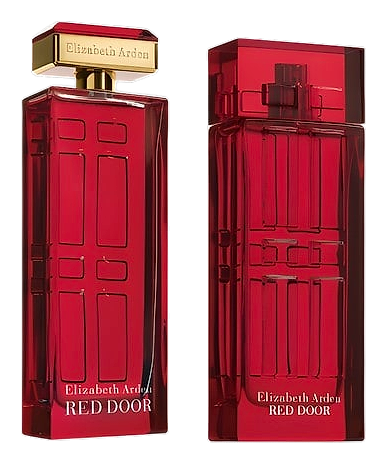
Red Door arrived in 1989, named for the crimson entrance of Elizabeth Arden's original Fifth Avenue salon, a threshold that had come to mean glamour earned through reinvention. The brand's founder, Florence Nightingale Graham, built American prestige beauty from that single door, and by 1989, a fragrance named after it felt inevitable. Perfumer Carlos Benaïm was tasked with translating a landmark into scent: a rich, layered floral that carried the weight of the name without becoming a museum piece. The composition draws from Moroccan orange flower, a nod to the brand's North African ingredient sourcing, woven into a garden dense enough to feel like more than a single bottle. It was positioned as a signature fragrance from the start, something a woman would wear as an act of self-definition, not just preference. The Red Door was the symbol. The fragrance became the statement.
What makes Red Door's architecture unusual is the density of its white floral heart, tuberose, jasmine, and ylang-ylang layered together create an indolic creaminess that most modern fragrances have backed away from in favor of cleaner, lighter profiles. That waxy, almost beeswax-like quality isn't a flaw. It's the structural choice. These flowers don't bloom politely. They saturate. The addition of honey throughout the heart amplifies that richness, creating an effect that reads as warm and familiar to some, overpowering to others.
The evolution
The opening announces itself without apology. Rose and orange blossom arrive simultaneously, a deliberate choice that skips the citrus preamble most fragrances rely on. The plum adds a dark, jammy sweetness beneath, while the anise brings that cool, aromatic edge, almost like walking into a room where flowers are already arranged. It lasts maybe twenty minutes before the character shifts. The heart is where Red Door earns its reputation. Tuberose dominates, but jasmine and ylang-ylang layer beneath it with an indolic density that becomes almost waxy. Carnation adds a warm, slightly clove-like spice, and the honey surfaces as a sweet, golden warmth that fills the space. This phase lasts two to four hours on most skin. The lily of the valley and freesia keep it from becoming purely opulent, a green, cool thread running through the richness. The drydown is the real argument for Red Door's staying power. Amber and sandalwood arrive together, creating a warm, resinous base that extends the florals rather than replacing them.
Cultural impact
Red Door occupies an interesting position in American fragrance history, it was designed as a signature scent, something a woman would wear as an expression of identity rather than occasion. That ambition reads differently in 2024 than it did in 1989. The bold, saturated floral profile reflects the era it came from: a time when fragrances announced themselves rather than whispered. Its loyal following among enthusiasts describes it as a classic with genuine presence, a fragrance that still turns heads and draws compliments decades after launch. The counter-position is equally honest: some find the density of the white florals and the honey warmth reads as old-fashioned in a market that has largely moved toward lighter, airier compositions.