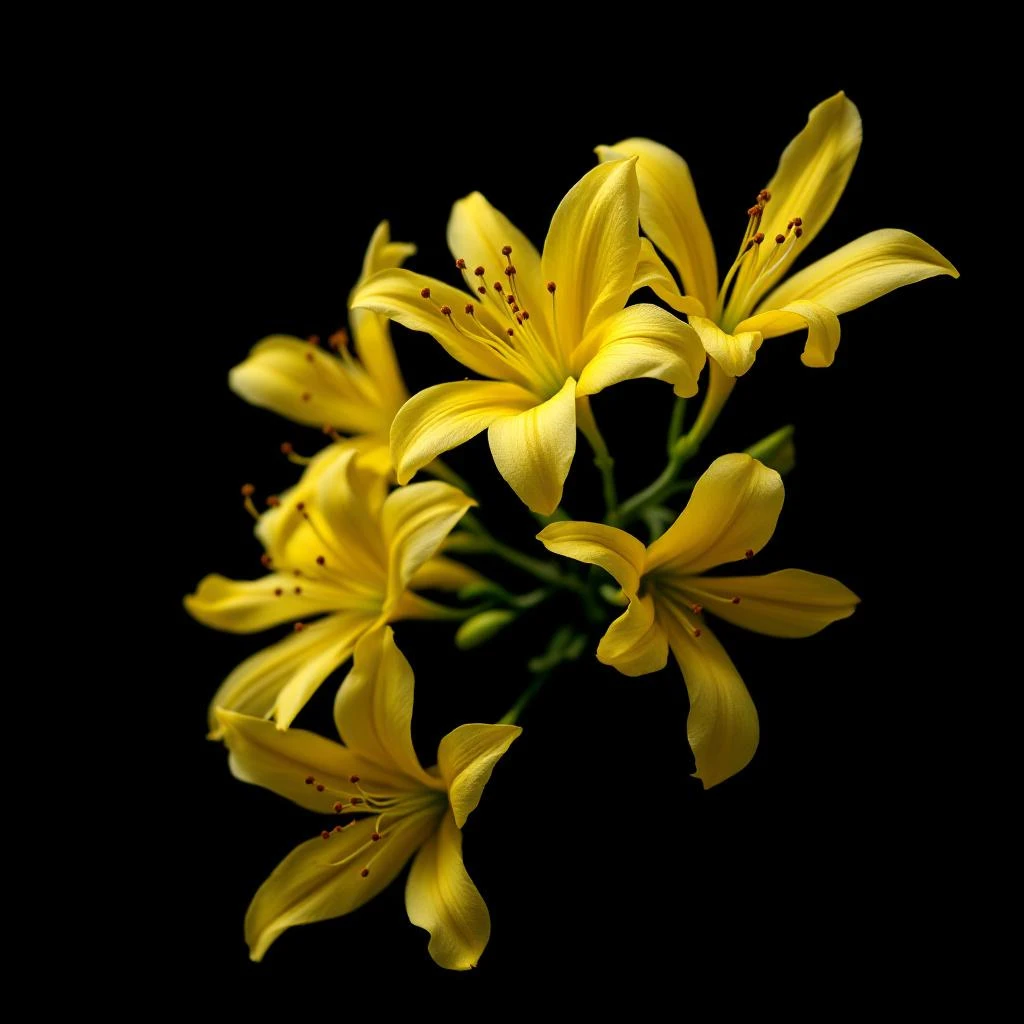
Orange Blossom
White flowers of the bitter orange tree give perfumery two distinct ingredients: sun-bright neroli oil and a richer, indolic absolute. Orange blossom anchors countless florals, lending warmth, honeyed depth, and a lived-in sensuality.

Character
How it smells
Two ingredients from one flower
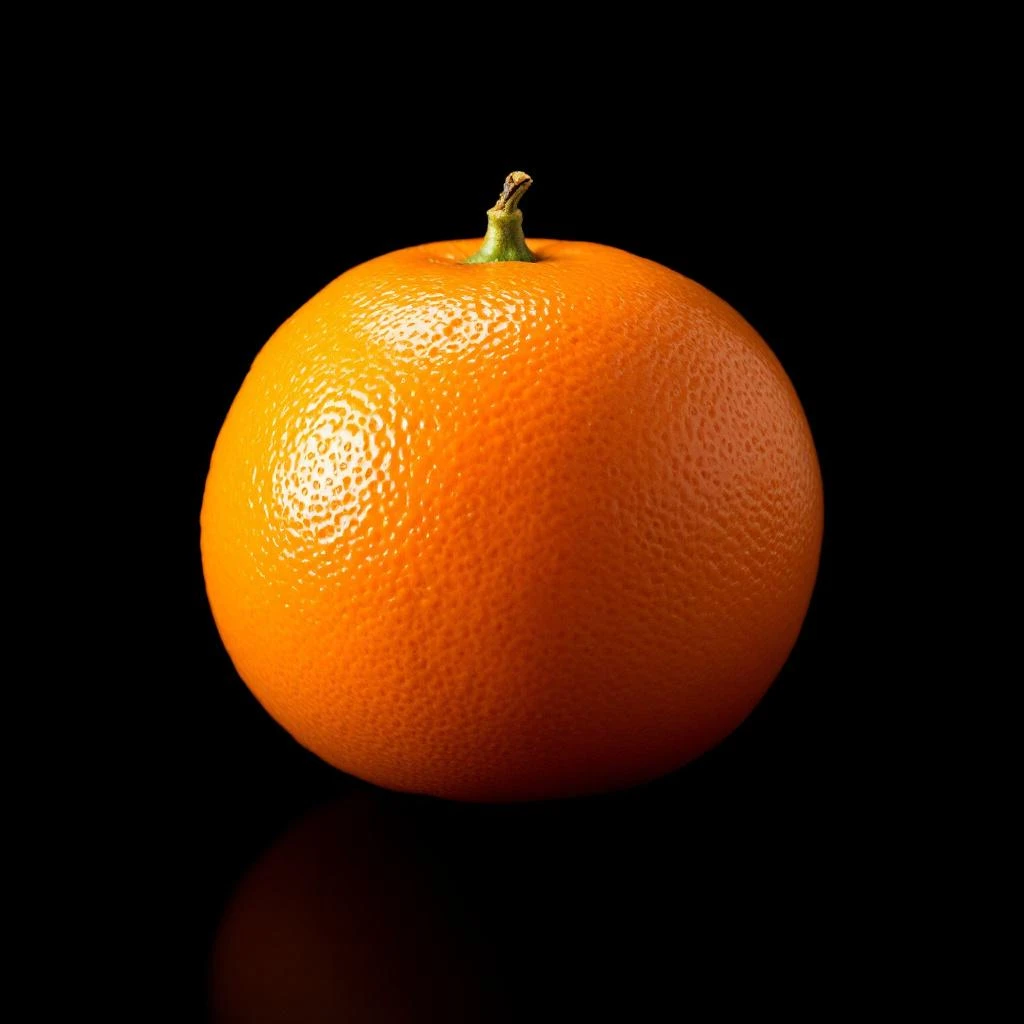
The bitter orange tree yields THREE perfumery materials: neroli from the flowers, petitgrain from the leaves, and bitter orange oil from the fruit peel.







Origin
China
The bitter orange tree, Citrus aurantium, originated in China and India before spreading westward along trade routes. Arab botanists cultivated it in the Mediterranean by the 10th century, and by the 1600s it had become a fixture in Italian, Spanish, and French gardens. The flower's entry into European perfumery began with its first recorded distillation, producing neroli oil, and by the early 19th century France had developed commercial orange blossom cultivation.
The town of Grasse in Provence became a center for flower production, harvesting blossoms alongside jasmine and rose for the growing French perfume industry. The flower carried symbolic weight beyond fragrance: orange blossoms crowned medieval brides and appeared in religious ceremonies across the Mediterranean. In the 17th century, the Duchess of Nerola reportedly scented her bathwater and gloves with the oil, lending her name to the steam-distilled version we now call neroli.
Tunisia emerged as the dominant producer in the 20th century, cultivating approximately 600 hectares dedicated to bitter orange for perfumery. Today, orange blossom absolute and neroli remain staple materials, anchoring floral compositions from classical soliflores to modern ambroxan-heavy formulations.
Wears it best
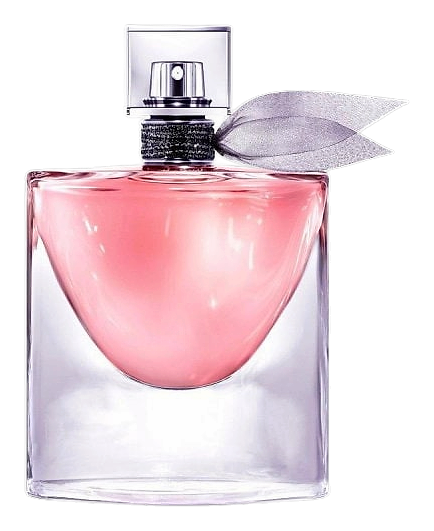
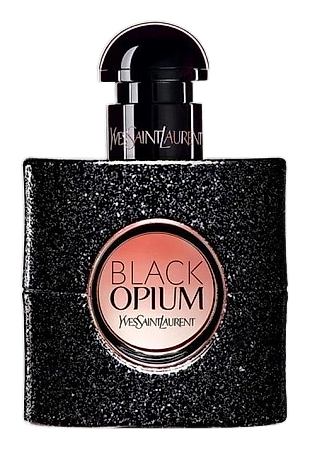
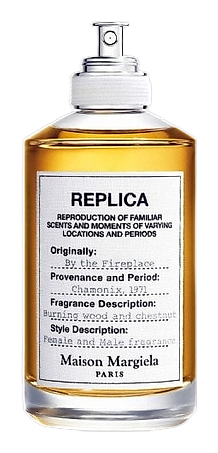
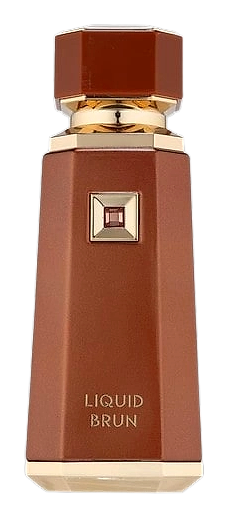
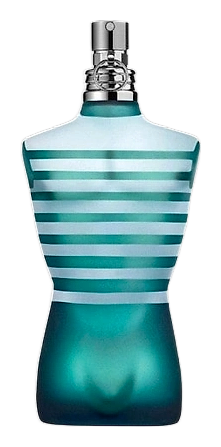
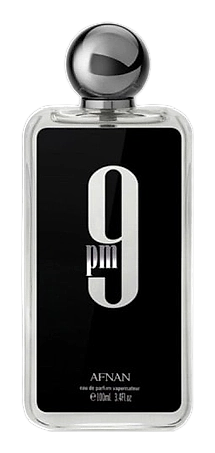
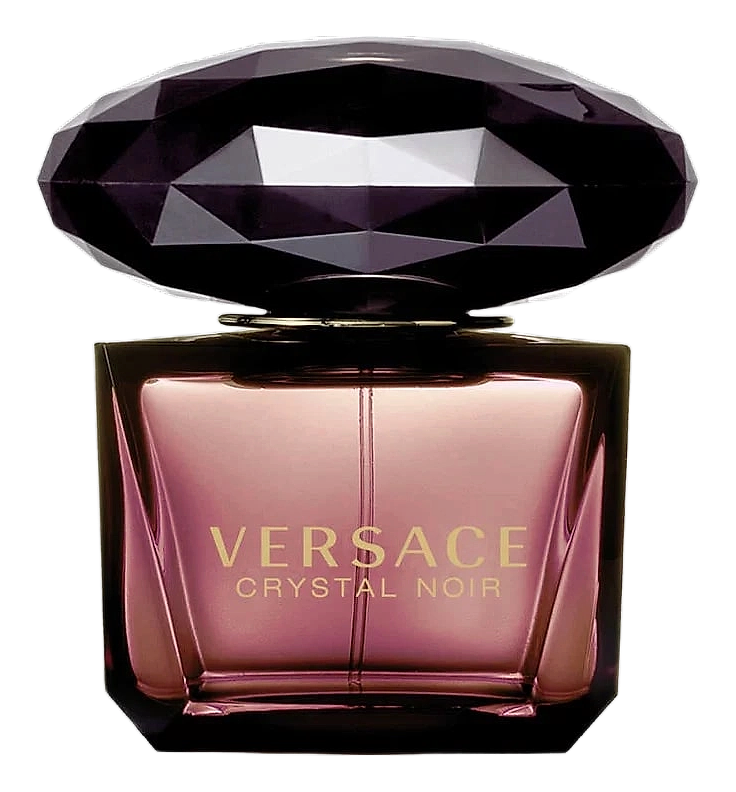
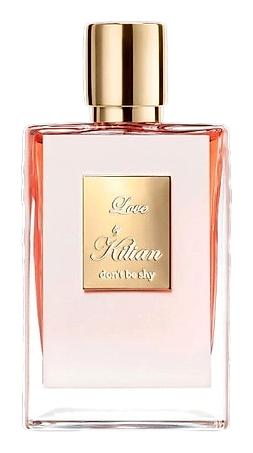
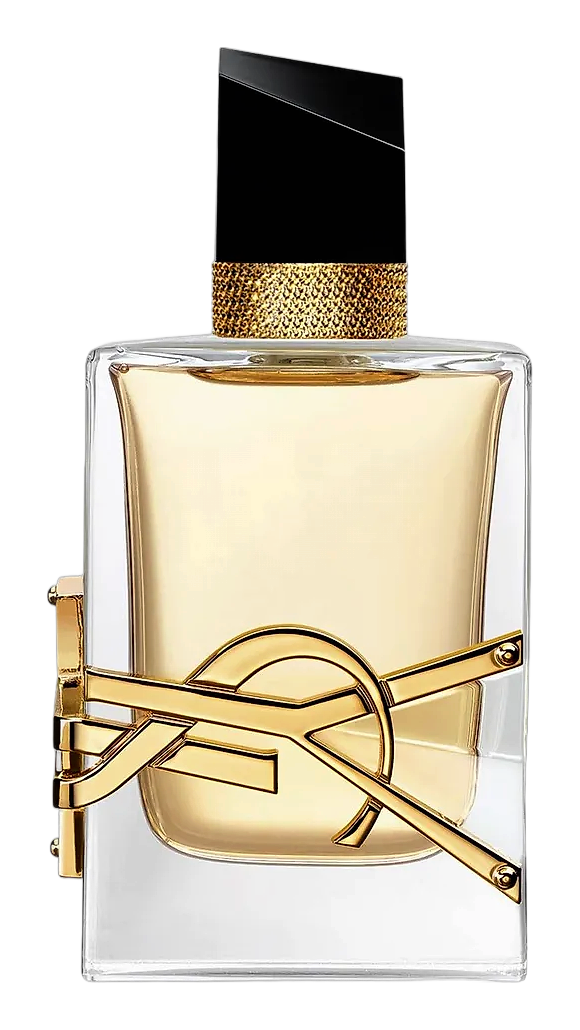
Fragrances featuring Orange Blossom



Brands
Brands known for Orange Blossom
Good to know
Questions, answered
The essentials on Orange Blossom in perfumery: how it smells, where it comes from, and how it behaves on skin.
What is orange blossom in perfumery?
Orange blossom refers to the aromatic flowers of the bitter orange tree (Citrus aurantium), which yield two distinct perfumery ingredients: neroli oil (steam-distilled) and orange blossom absolute (solvent-extracted). Each material carries a different scent profile from the same blossom.
What does orange blossom smell like?
Orange blossom absolute smells rich, honeyed, and slightly indolic, with warm floral facets and a sensual depth. Neroli, its distilled counterpart, smells lighter and more radiant: fresh, green, and citrusy with a clean floral edge.
How is orange blossom extracted?
Two methods produce two materials. Neroli is steam-distilled from fresh blossoms and yields a pale, golden oil. Orange blossom absolute uses solvent extraction: a volatile solvent like hexane dissolves the aromatics into a concrete, which is then washed with alcohol to isolate the pure absolute.
Where does orange blossom come from?
The bitter orange tree originated in China and India, spreading westward via Arab trade routes. Today, Tunisia is the leading producer, cultivating approximately 600 hectares, with additional harvests in Italy, France, Egypt, and the Comoros Islands.
Is neroli the same as orange blossom?
No. Neroli is steam-distilled essential oil from the same flower, producing a lighter, greener scent. Orange blossom absolute is solvent-extracted, yielding a darker, richer material with stronger indolic and honeyed characteristics.
When did orange blossom enter perfumery?
The first recorded distillation of orange blossoms in Europe produced neroli oil, marking the flower's formal entry into perfumery. France developed commercial orange blossom cultivation by the early 19th century, centered around Grasse.
Is orange blossom absolute natural?
Orange blossom absolute is a natural material, extracted physically through solvent processing of fresh flowers. It is not synthetic. The absolute is concentrated and dark, containing the flower's heavier aromatic molecules that steam distillation cannot capture.
What perfumes use orange blossom?
Orange blossom appears across countless fragrance categories, from classical soliflores like Serge Lutens Fleurs d'Oranger to iconic florals such as Chanel No. 5. It functions as a heart note, adding warmth, depth, and a honeyed sweetness to compositions.