Rose
Rose is the heart of perfumery, a flower so iconic it shaped civilizations. Its petals yield two distinct aromatic treasures: rose otto and rose absolute, each capturing different facets of a bloom revered for over four thousand years.

Character
How it smells
The flower that built empires of scent
It takes roughly 3.5 tons of rose petals to produce just one kilogram of rose otto, making it one of the most labor-intensive essential oils on Earth.









Origin
Iran
The rose predates human civilization. Fossil evidence places Rosa species on Earth roughly 40 million years ago, and the earliest written references appear in ancient Chinese and Sanskrit texts describing medicinal and ceremonial uses. By 3000 BCE, Persians had mastered rose water production, embedding the flower in religious ritual and royal luxury. The technique spread westward through trade routes, reaching Egypt, Greece, and Rome, where roses perfumed banquets, baths, and unguent cosmetics. Cleopatra reportedly carpeted floors knee-deep in rose petals to seduce Mark Antony.
Following the fall of Rome, rose cultivation persisted in Persia and the Arab world, where alchemists like Avicenna refined distillation in the 10th century. By the 17th century, Persia had become the dominant source of rose water and attar, with the city of Shiraz earning lasting fame. Bulgarian rose production emerged in the 16th century, expanding dramatically through the 1800s when the Kazanlak Valley became the global center for Rosa damascena cultivation, a position it still holds. In Grasse, France, Rosa centifolia fields have supplied the luxury industry since the Renaissance. Today, rose remains the most widely used floral note in feminine fragrance compositions, a legacy stretching across continents and centuries.
Wears it best
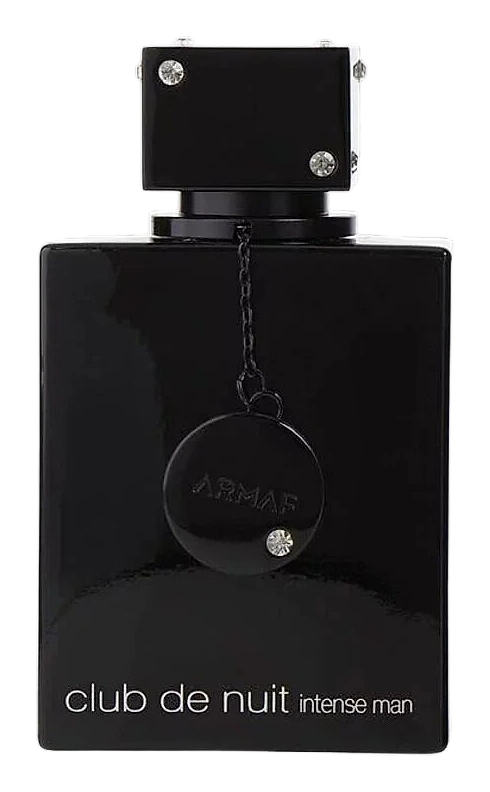
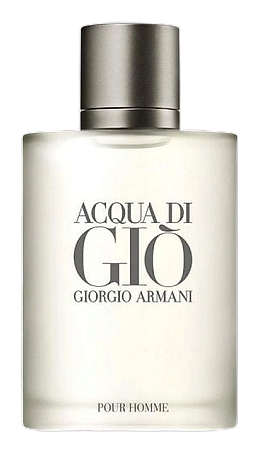
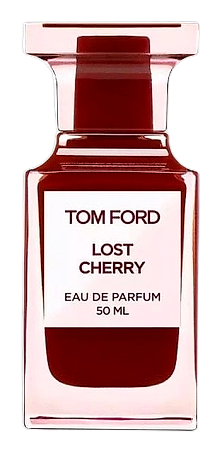
Fragrances featuring Rose



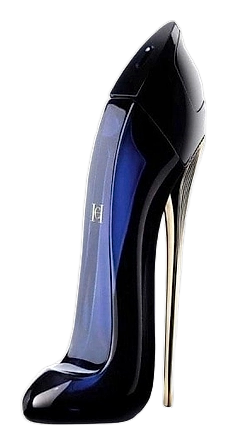
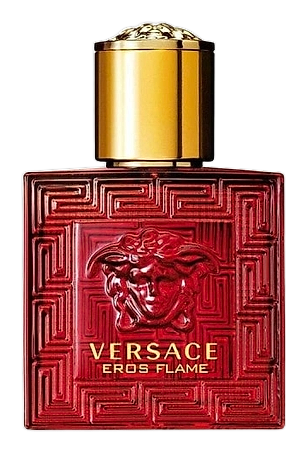
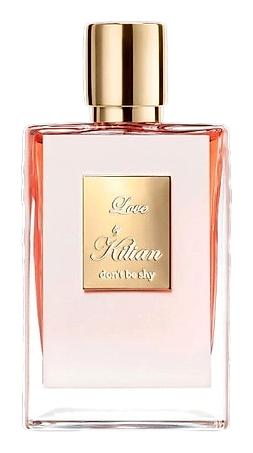
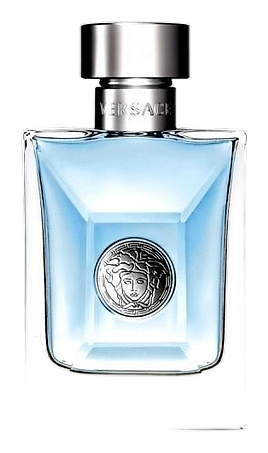
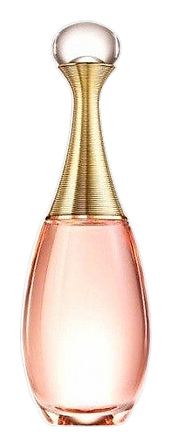
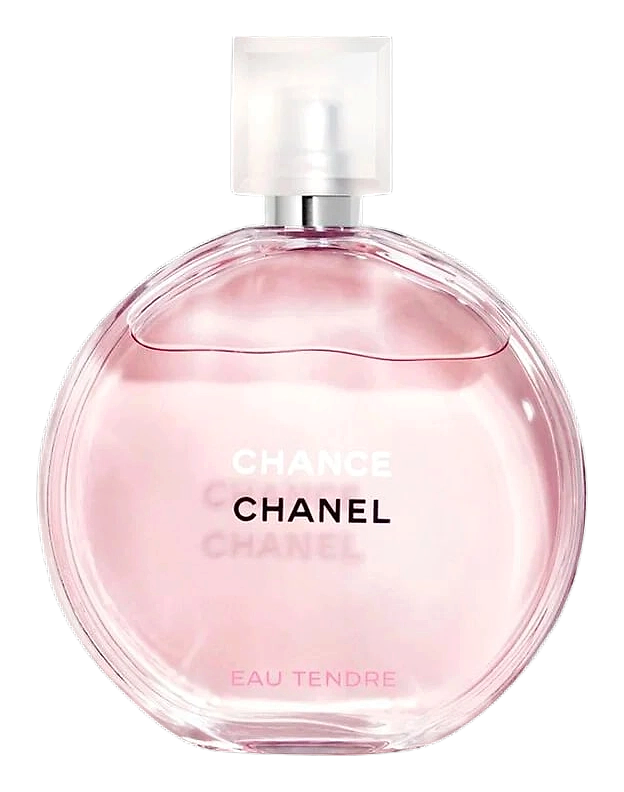
Good to know
Questions, answered
The essentials on Rose in perfumery: how it smells, where it comes from, and how it behaves on skin.
What is the difference between rose otto and rose absolute?
Rose otto is produced by steam distillation, yielding a pale, honey-like oil with delicate top notes. Rose absolute comes from solvent extraction, producing a denser, darker material with richer, warmer facets. Both originate from the same fresh petals but capture different aromatic dimensions.
Why is rose oil so expensive?
Rose oil requires enormous quantities of raw material. Producing one kilogram of rose otto demands approximately 3.5 tons of hand-picked petals, and harvesting happens only during a few weeks each year at dawn, when oil concentration peaks.
Which species of rose is used in perfumery?
Rosa damascena, the Damask rose, dominates commercial production and is grown mainly in Bulgaria and Turkey. Rosa centifolia, the May rose, is cultivated in Grasse, France. Rosa rugosa appears in some regional traditions, particularly in East Asia.
Can rose fragrance be made synthetically?
Yes. Chemists have isolated and synthesized key rose compounds like citronellol, geraniol, and phenyl ethyl alcohol since 1895. Modern synthetic and nature-identical rose molecules are widespread, though most prestige perfumers still prize natural rose extracts for their complexity.
Where does most of the world's rose oil come from?
Bulgaria is the largest producer of rose otto, with the Kazanlak Valley yielding roughly 70% of global supply. Turkey ranks second, while Iran remains a major source of rose water and traditional attar. France and Morocco grow roses in smaller quantities for luxury markets.
What does rose smell like in a fragrance composition?
Rose offers a broad olfactory range depending on variety and extraction. Damask rose smells deep, spicy, and honeyed. Centifolia leans greener and fruitier with a fresh, dewy character. Rose absolute adds jammy, almost wine-like warmth absent from distilled otto.
When is rose harvesting season?
Rose harvest occurs in late spring, typically from mid-May to mid-June, depending on region and weather. The window lasts only three to four weeks, and petals must be gathered before sunrise to preserve volatile oils that evaporate as temperatures rise.
How old is the use of rose in perfumery?
Rose perfumery dates back at least 4,000 years. Ancient Persians, Egyptians, Greeks, and Romans all used rose in ritual, medicine, and luxury cosmetics. Fossil evidence suggests the Rosa genus itself is approximately 40 million years old.