Ylang-Ylang
Tropical blossoms of Cananga odorata yield one of perfumery's most opulent oils. Ylang-ylang brings a dense, custard-sweet floral with fruity, banana-ripe facets that anchor countless iconic compositions.
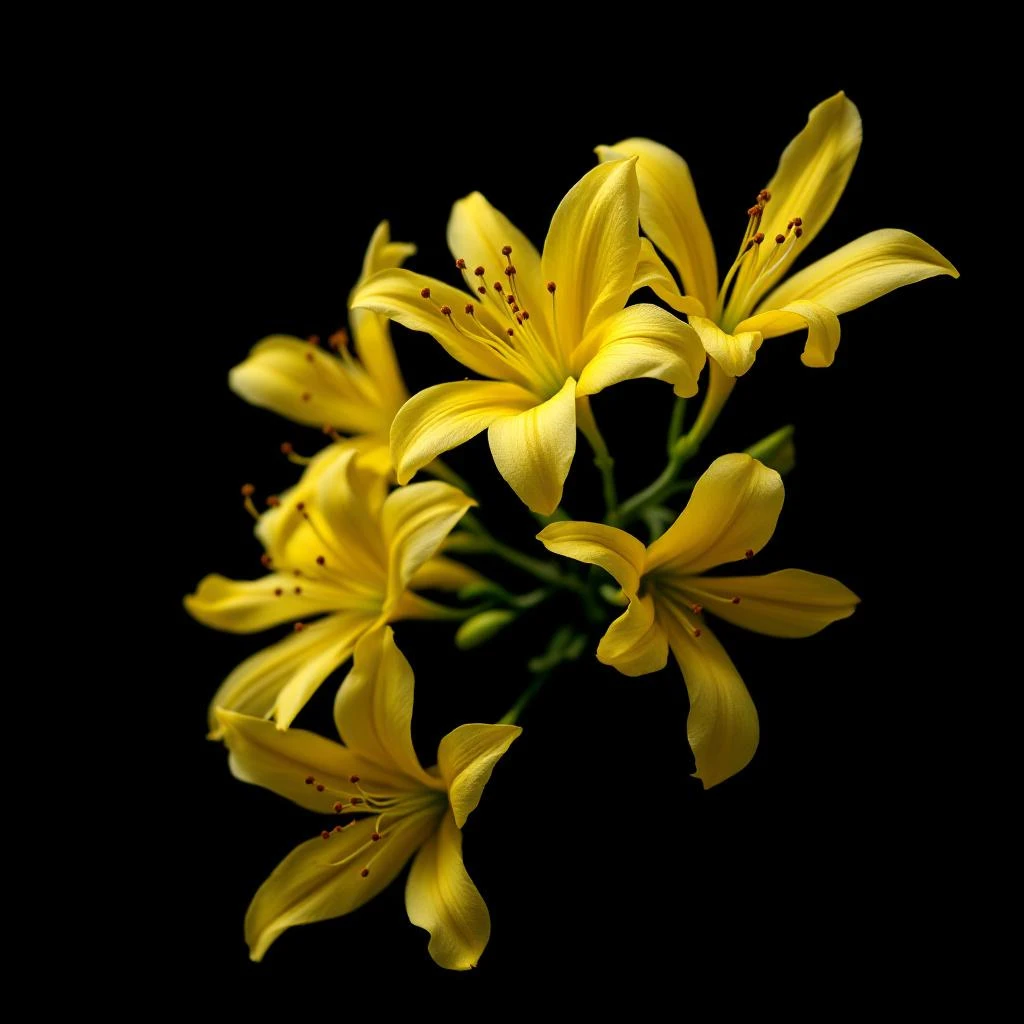
Character
How it smells
Sun-warmed tropics distilled into liquid gold.
Steam distillation of ylang-ylang is unique: distillers collect the oil in successive fractions, and the very first run, called 'Extra,' is the most prized.









Origin
Philippines
The ylang-ylang tree, Cananga odorata, is native to the lowland rainforests of Southeast Asia, particularly the Philippines and Indonesia, where its intensely fragrant flowers earned it the local name meaning 'flower of flowers.' Although island communities had long appreciated the blooms, commercial distillation began in 1860 when a sailor named Albert Schwenger reportedly produced the first essential oil in Manila. By the late 19th century, French colonists recognized the oil's exceptional aromatic qualities and introduced commercial cultivation to the Comoros archipelago and later Madagascar.
These Indian Ocean islands, with their volcanic soils and tropical climate, proved ideal for ylang-ylang, and France became the primary processor and exporter. The Philippines dominated global production from 1860 until roughly 1950, before political shifts and competition shifted the industry to the French territories. Ylang-ylang's role in classical perfumery solidified in the early 20th century: it became a signature ingredient in opulent floral bouquets, from Guerlain's iconic creations to countless oriental and tropical compositions.
Today it remains a cornerstone material, representing one of perfumery's most historically significant tropical flower oils.
Wears it best
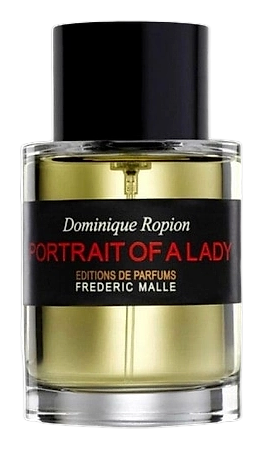
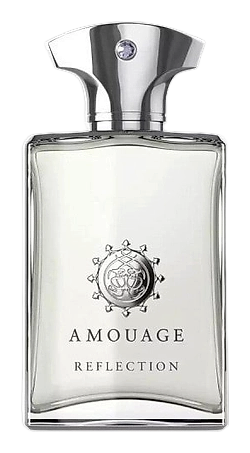
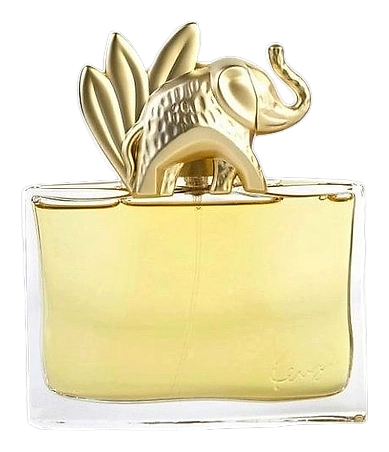
Fragrances featuring Ylang-Ylang



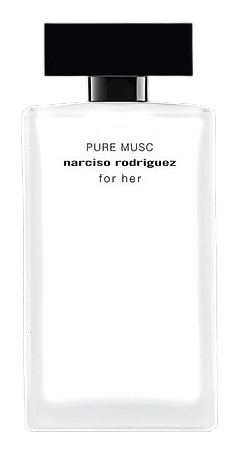


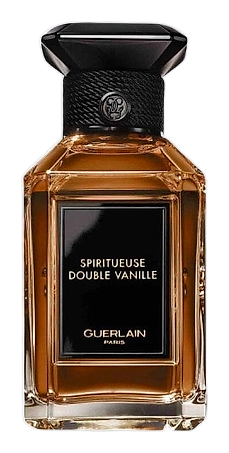
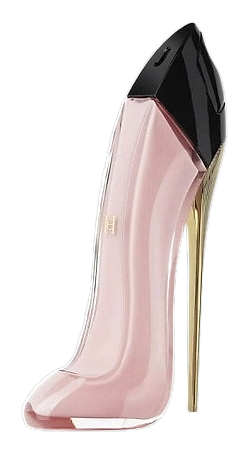
Brands
Brands known for Ylang-Ylang
Good to know
Questions, answered
The essentials on Ylang-Ylang in perfumery: how it smells, where it comes from, and how it behaves on skin.
What does ylang-ylang smell like?
Ylang-ylang has a rich, sweet, intensely floral scent with notes of ripe banana, custard, and jasmine, layered over a soft, slightly rubbery undertone. It is one of perfumery's most potent and recognizable flower oils.
Why is ylang-ylang graded into Extra, First, Second, and Third?
Steam distillation of ylang-ylang is performed in stages over roughly 24 hours. The first fraction, 'Extra,' collected within the first hour, contains the most volatile and luminous compounds, making it the most prized grade for fine perfumery.
Where is ylang-ylang produced today?
The Comoros and Madagascar are the world's leading producers today, together supplying the majority of global ylang-ylang oil. The Philippines, where commercial distillation began in 1860, remains a smaller producer.
Is ylang-ylang safe for sensitive skin?
Ylang-ylang oil is generally well tolerated in diluted perfume formulations, but it can occasionally cause sensitization. Patch testing is recommended for individuals with known fragrance allergies or reactive skin.
What perfumes famously feature ylang-ylang?
Ylang-ylang appears in numerous iconic fragrances, including Chanel No. 5, Guerlain's Samsara, and Jean Patou's Joy, where it contributes characteristic tropical floral depth to classical compositions.
How long does ylang-ylang take to flower?
Cananga odorata trees begin producing usable flowers at around three to four years of age and reach full productivity by year ten. Mature trees can flower year-round in equatorial climates.
What is the difference between ylang-ylang and cananga oil?
Both come from Cananga odorata, but cananga oil is typically produced through simpler, non-fractional distillation and has a harsher, less refined aroma. Ylang-ylang's fractional process yields a smoother, more complex oil.
Is ylang-ylang used outside of perfumery?
Yes. Beyond perfumery, ylang-ylang oil appears in aromatherapy, traditional medicine across Southeast Asia, and flavoring formulations, valued historically for calming and uplifting properties.



