Cedarwood
A dry, warm woody note with resinous depth and a faintly pencil-shaving brightness. Cedarwood anchors countless fragrances as a base that adds structure, longevity, and a dry, polished finish.

Character
How it smells
Ancient wood, still the backbone of perfumery.
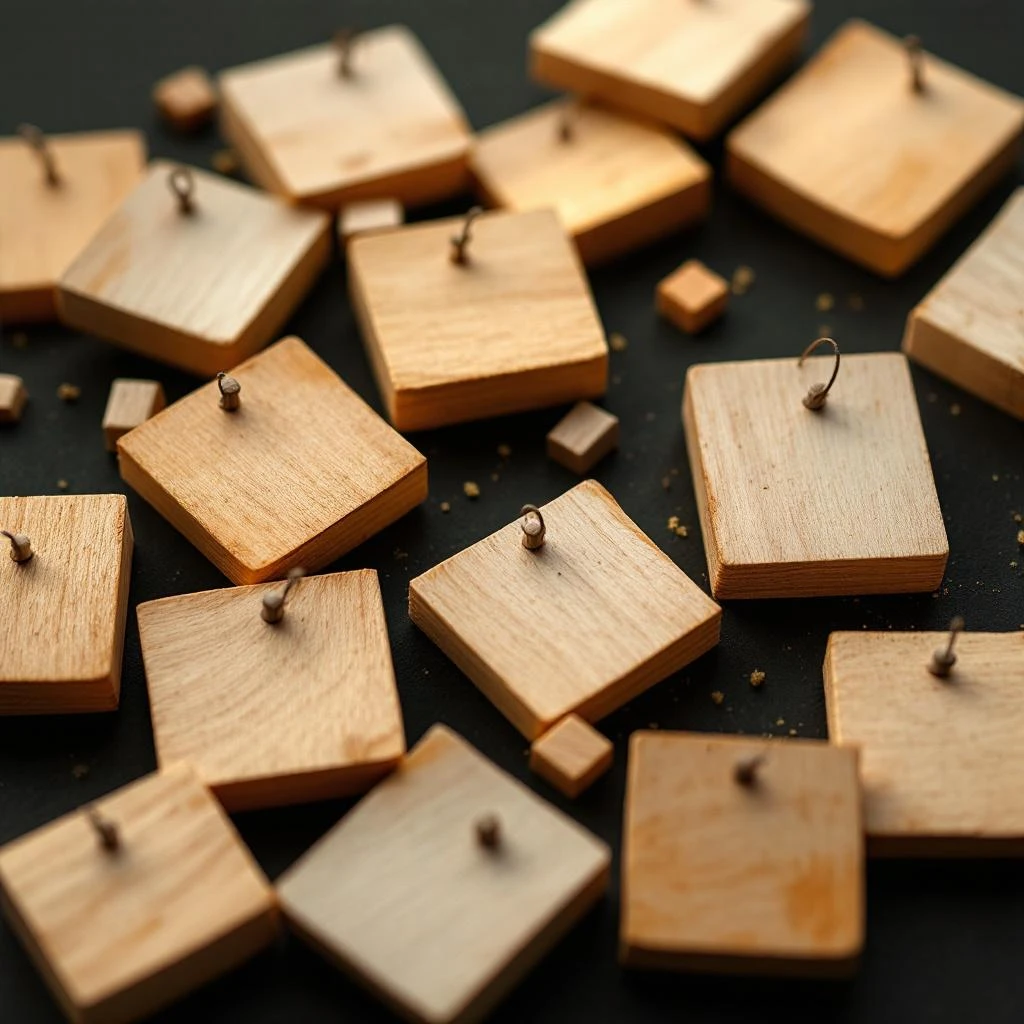
Virginia cedarwood oil is a byproduct of the pencil industry. The same sawdust shavings that get ground into pencil cores get steam-distilled into one of perfumery's most-used woody bases.









Origin
United States
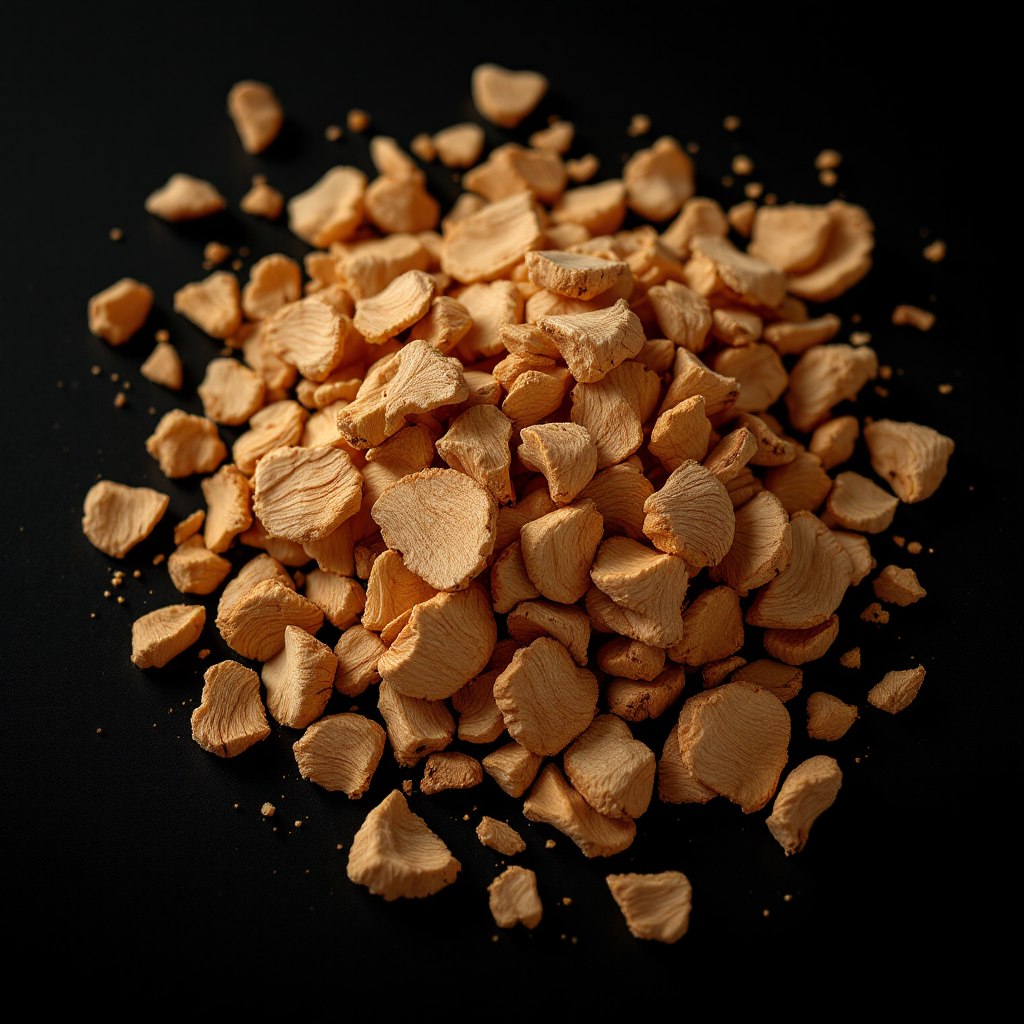
Cedarwood ranks among the oldest perfume ingredients still in active use. Sumerian potters around 3000 BCE mixed cedar oil with mineral pigments to decorate ceramics, one of the earliest recorded applications of the material as both pigment binder and aromatic agent. Ancient Egyptians used cedarwood resin in the embalming process, where its natural antimicrobial properties helped preserve mummies, and they also extracted the oil for cosmetics and ritual anointing.
The Levantine cedar forests, Cedrus libani, supplied much of the ancient world. Egyptian, Phoenician, and Mesopotamian traders prized the wood for shipbuilding, temple construction, and ritual purposes. The Phoenicians built their trading fleets from cedar harvested in present-day Lebanon, and Solomon's Temple in Jerusalem was famously lined with its timber.
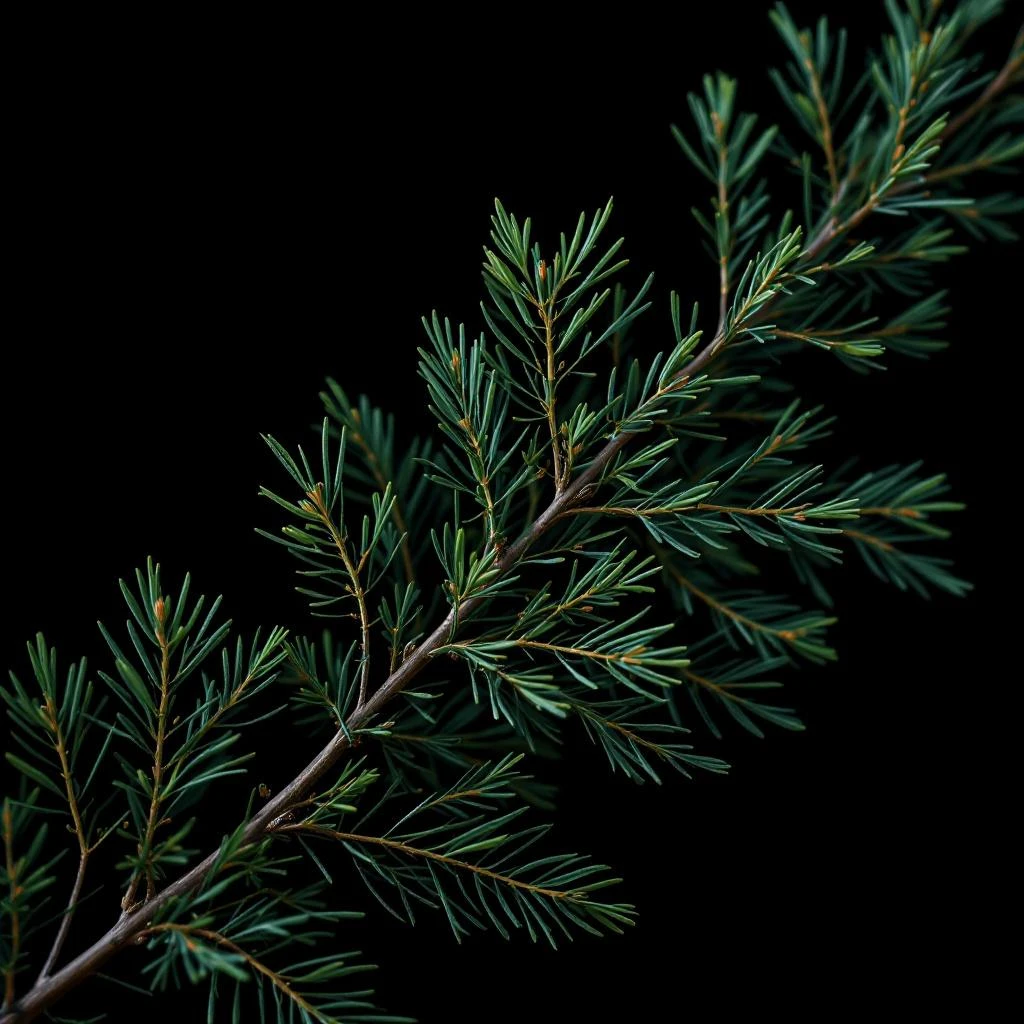
Cedarwood entered modern European perfumery through the Atlantic cedarwood trade. Juniperus virginiana grew abundantly across the Appalachian range, and by the 17th century, settlers exported the oil for medicinal and aromatic use. The discovery that cedarwood oil extended the shelf life of other perfume materials (it acts as a fixative) cemented its place in the perfumer's palette, and the rise of the American pencil industry in the 1800s accidentally created a steady byproduct stream for distillation.
Wears it best
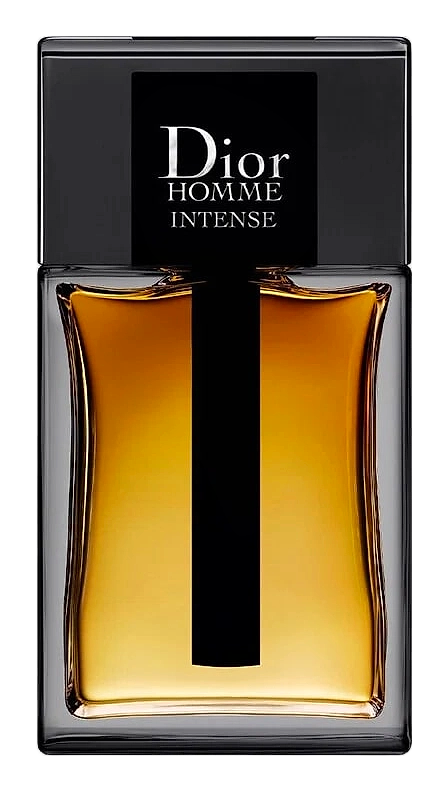
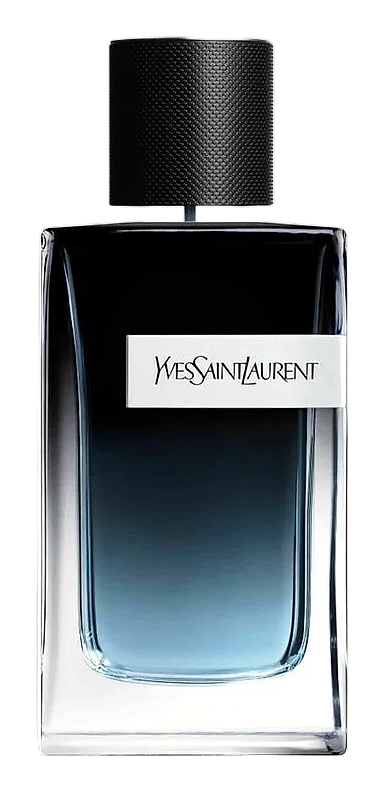
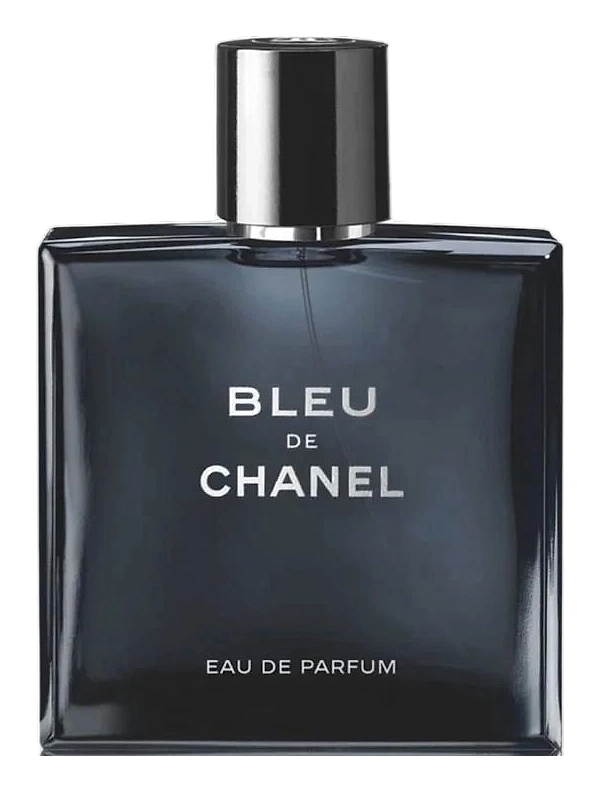
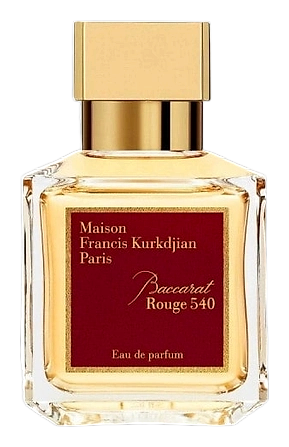
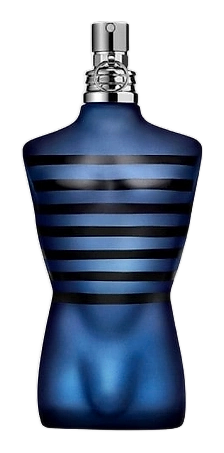
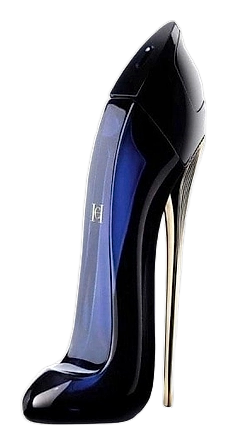
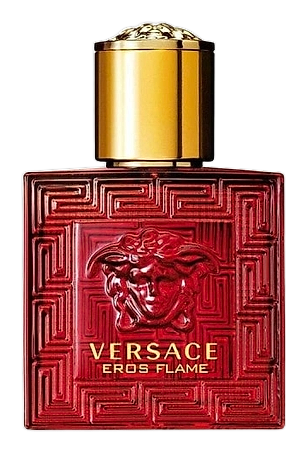
Fragrances featuring Cedarwood
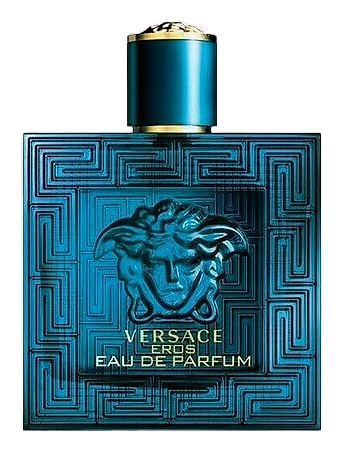
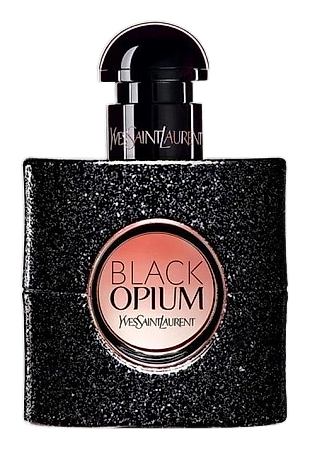
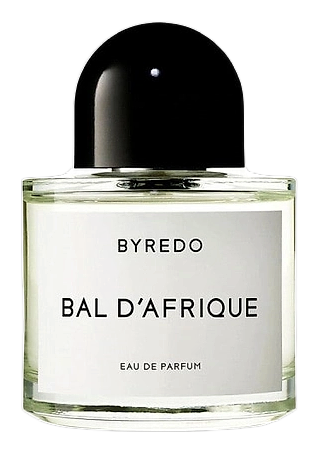
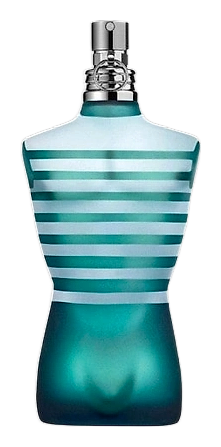
Brands
Brands known for Cedarwood
Good to know
Questions, answered
The essentials on Cedarwood in perfumery: how it smells, where it comes from, and how it behaves on skin.
What does cedarwood smell like in perfume?
Cedarwood smells dry, warm, and slightly resinous, with a characteristic pencil-shaving sharpness. It carries a clean, woody softness rather than the sticky sweetness of resins like frankincense or myrrh.
Is cedarwood a base note?
Yes. Cedarwood functions almost exclusively as a base note because its molecules evaporate slowly, giving fragrances their lasting woody dry-down. It also acts as a fixative, helping lighter top and heart notes last longer on skin.
What is the difference between Virginia and Atlas cedarwood?
Virginia cedarwood (Juniperus virginiana) smells drier and sharper with a pronounced pencil-shaving character, roughly 35% cedrol. Atlas cedarwood (Cedrus atlantica) smells warmer and more resinous with higher atlantone content, giving it a softer, fuller profile.
Does cedarwood oil come from real cedar trees?
Not always. In perfumery, 'cedarwood' often refers to species in the Cupressaceae family, such as Juniperus virginiana, which is technically a juniper. True Cedrus species (Atlas, Himalayan, Lebanese cedar) produce different but related oils.
Is cedarwood sustainable?
Virginia cedarwood oil production is generally sustainable because it uses sawdust and waste wood from the lumber and pencil industries. Atlas cedar populations, however, have declined significantly due to overharvesting and drought in Morocco and Algeria.
Can cedarwood be used in natural perfumery?
Yes. Cedarwood essential oil is widely available and unadulterated, making it a staple in natural perfumery. It blends well with other naturals like lavender, bergamot, frankincense, and vetiver.
Which fragrances famously use cedarwood?
Chanel Bleu de Chanel and Dior Sauvage use cedarwood prominently in their base, where it provides dry woody structure beneath their aromatic and fresh top notes. Tom Ford's Tuscan Leather also showcases cedarwood's warmer resinous qualities.
Does cedarwood have any skin benefits?
Beyond perfumery, cedarwood essential oil has documented antibacterial and anti-inflammatory properties. In fragrance, however, its function is primarily olfactory, contributing dry woody character and longevity rather than active skincare.