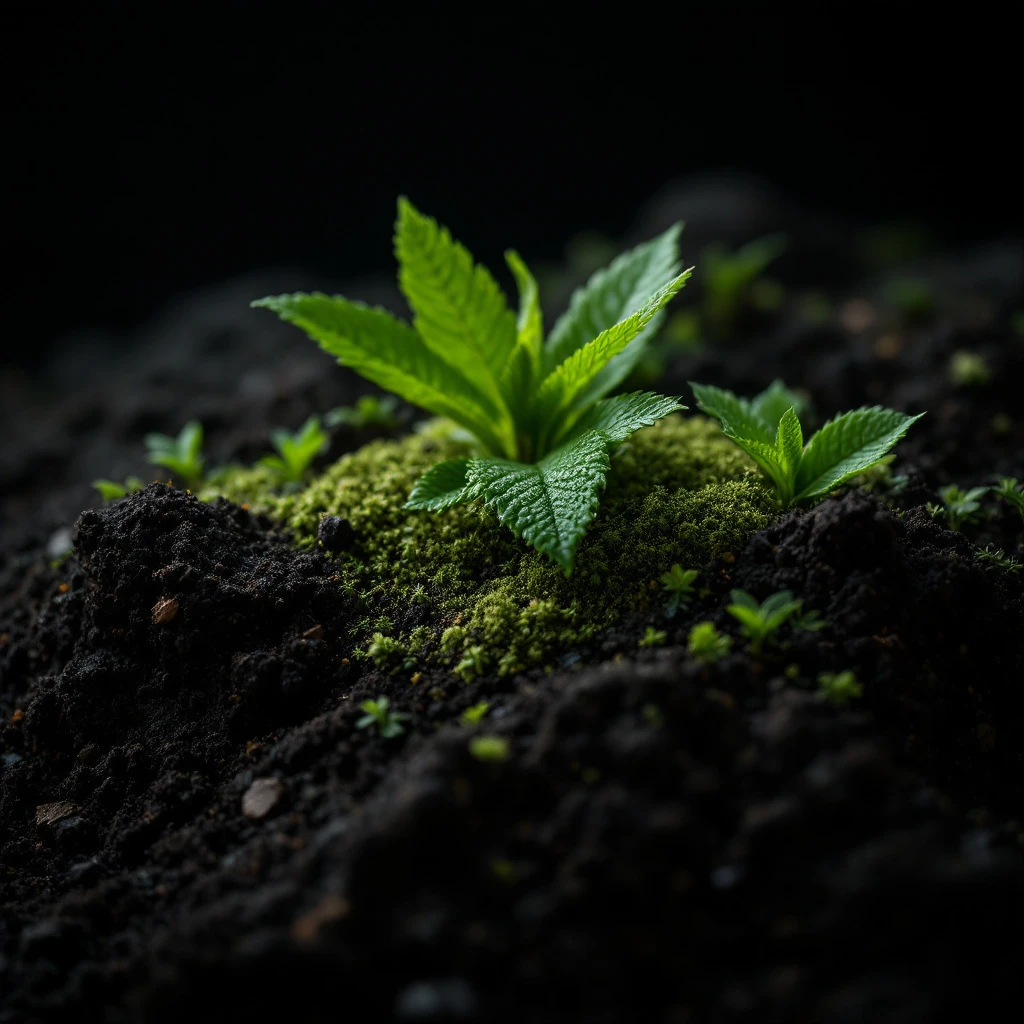
Patchouli
Patchouli anchors the base of countless iconic fragrances with its earthy, slightly sweet, unmistakably grounding presence. Distilled from the leaves of a Southeast Asian herb, it has perfumed rituals, travelers, and revolutionaries for two thousand years.

Character
How it smells
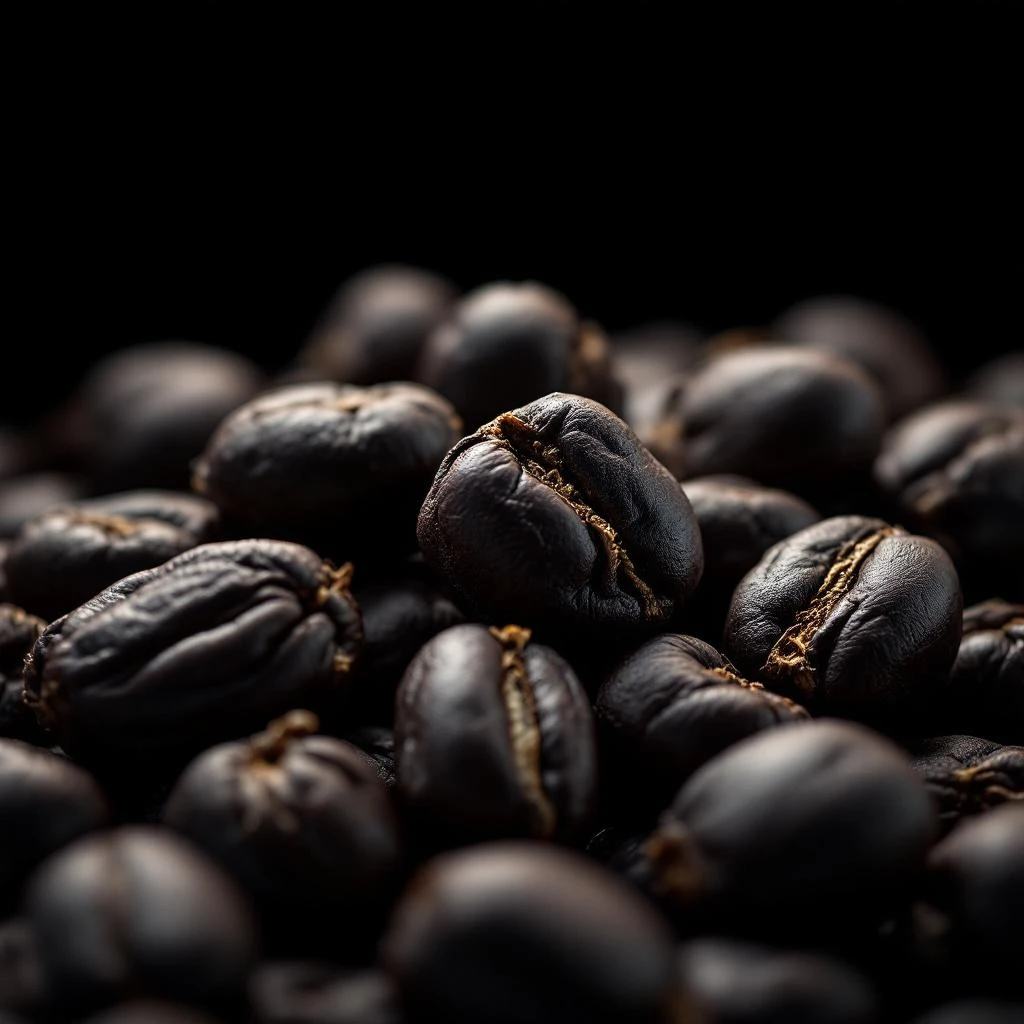
Earth's deep, resinous signature in a single leaf
Silk traders traveling the ancient Silk Road packed dried patchouli leaves between fabric bolts, both as insect repellent and to scent the cloth.








Origin
Indonesia
Patchouli's recorded use stretches back more than two thousand years to ancient China and India, where physicians prescribed it for skin ailments, digestive complaints, and inflammatory conditions. From its native range in Indonesia, Malaysia, and the Philippines, the herb traveled north and west along the Silk Road, both as a medicinal commodity and a fragrant one.
Silk merchants packed dried patchouli leaves into bales of fabric because the oil repelled moths and lent textiles a distinctive woody scent that became a marker of luxury in the Middle East and Europe. In 19th-century Europe, perfumers began incorporating patchouli into compositions, and the 1917 launch of Coty's Chypre cemented its role in the modern perfume canon.
The counterculture of the 1960s carried patchouli oil into a different register, with Indians and Western hippies alike embracing its raw earthiness as a symbol of natural living. Today, the same molecule group, patchoulol and related sesquiterpenes, sits at the base of countless chypre, oriental, and woody fragrances.
Wears it best
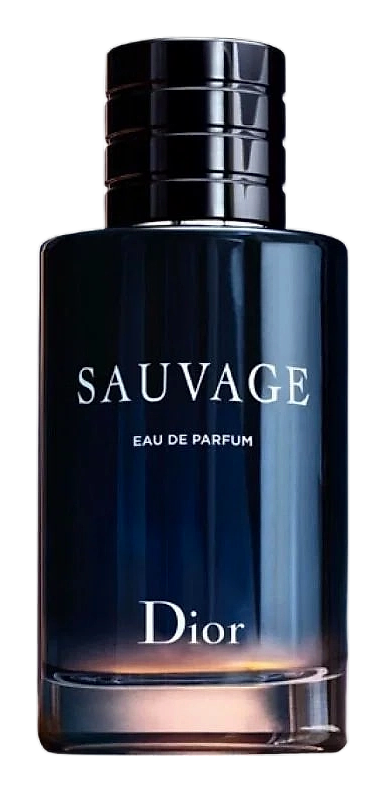
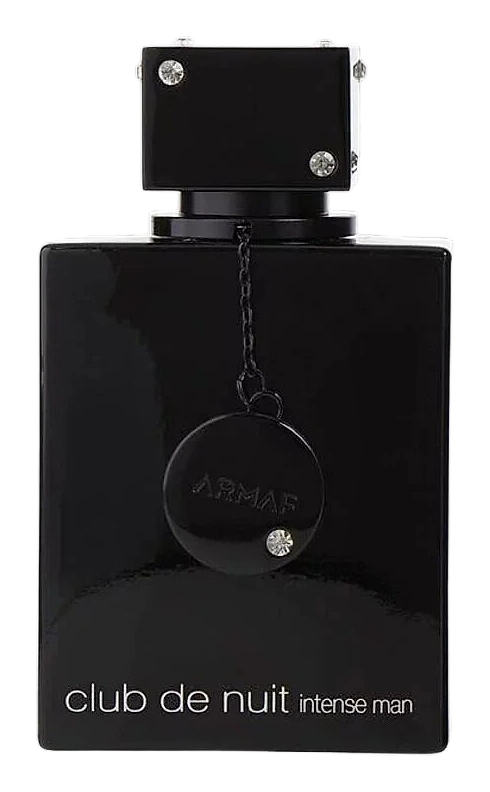
Fragrances featuring Patchouli

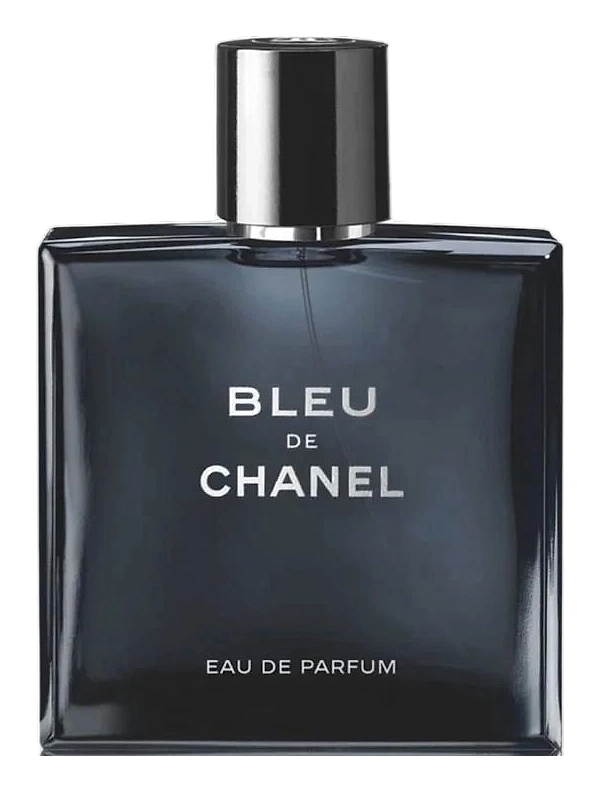
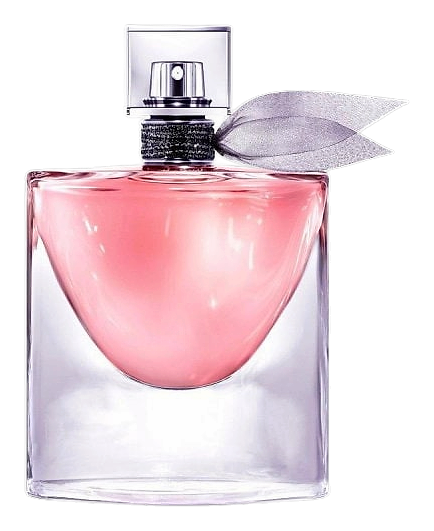
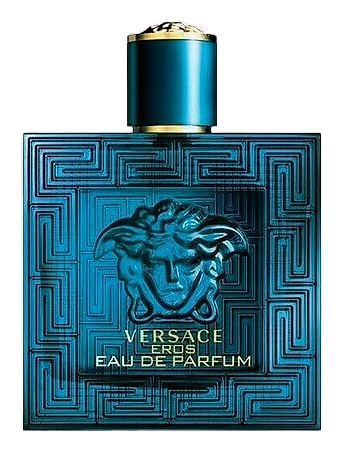
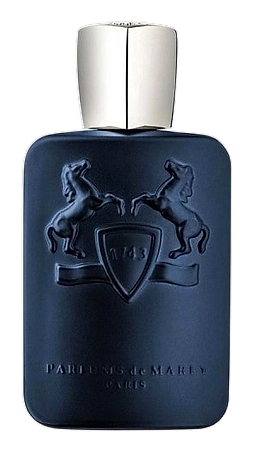
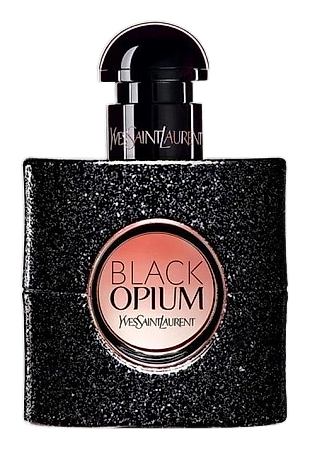
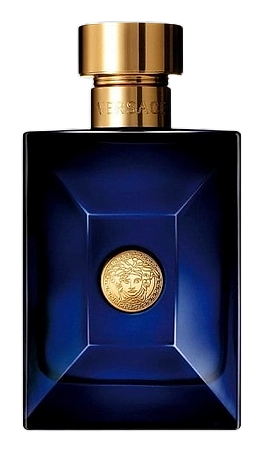



Brands
Brands known for Patchouli
Good to know
Questions, answered
The essentials on Patchouli in perfumery: how it smells, where it comes from, and how it behaves on skin.
What does patchouli smell like?
Patchouli smells earthy, dark, and slightly sweet with woody, resinous undertones. Fresh oil carries a green, almost camphoraceous edge that mellows into a warm, chocolatey depth after months of aging.
Why is patchouli so common in perfume?
Patchouli functions as a base note with exceptional longevity and fixative power, meaning it anchors lighter top and heart notes for hours. Its molecular structure allows it to bind volatile aromatics and slow their evaporation.
Where does most patchouli oil come from?
Indonesia produces about 90% of the world's patchouli essential oil, roughly 1,500 tons annually. Sumatra and Java are the primary cultivation regions, with smaller harvests in India, China, and the Philippines.
Is patchouli a natural or synthetic ingredient?
Patchouli in fine fragrance is almost always natural, steam-distilled from Pogostemon cablin leaves. Synthetic patchoulol and acetyl patchoulene exist for cost-sensitive applications but lack the full complexity of aged natural oil.
How long does patchouli scent last on skin?
Patchouli typically persists 8 to 12 hours on skin, longer than most base notes. Its heavy sesquiterpene molecules evaporate slowly, which is why perfumers rely on it to extend the life of lighter florals and citruses.
Why did patchouli become associated with hippies?
Patchouli oil entered Western counterculture in the 1960s, partly through Indian spiritual movements and partly through its earthy, natural aroma. It signaled rejection of synthetic mainstream fragrances and an embrace of botanical authenticity.
Is patchouli the same as patchouli leaf?
Patchouli refers specifically to the essential oil or absolute derived from Pogostemon cablin leaves. The dried leaf itself is used in traditional medicine, incense, and potpourri, but perfumery requires the concentrated distilled oil.
Can patchouli repel insects?
Yes. Patchouli oil has documented repellent properties against moths, mosquitoes, and certain stored-product pests, which explains why Silk Road merchants packed dried leaves into silk bales over a thousand years ago.