Vanilla
Few ingredients hold vanilla's power to evoke warmth and comfort. Derived from an orchid native to Mesoamerica, vanilla's creamy, complex scent has shaped perfumery for over a century, bridging ancient ritual and modern luxury.

Character
How it smells
Warm, creamy, and endlessly comforting.
The vanilla flower must be pollinated within hours of opening, and the pods require nine to ten months of careful curing before their aroma fully develops.







Origin
Mexico
The Totonac people of Mesoamerica were the first to cultivate vanilla, using it to flavor a ceremonial chocolate drink reserved for elites. When the Aztec empire expanded into Totonac territories, they adopted vanilla as a luxury flavoring for cacao beverages. Spanish conquistadors encountered vanilla during the conquest of the Aztec empire and transported it to Europe in the sixteenth century, where it remained primarily associated with confectionery and chocolate for two hundred years.
European attempts to cultivate vanilla outside Mexico repeatedly failed because the region lacked the native Melipona bees required for natural pollination. In 1836, a Belgian botanist named Charles Morren solved this problem by manually pollinating vanilla flowers, a technique still used today. This breakthrough enabled vanilla cultivation across tropical regions, from Madagascar and Réunion to Tahiti, Indonesia, and Uganda.
The 1921 debut of Guerlain's Jicky marked vanilla's entry into modern perfumery, where it continues to anchor oriental and gourmand fragrances with its unmistakable warmth and depth.
Wears it best
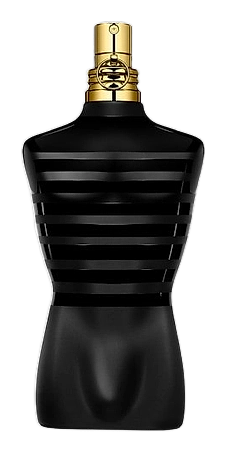
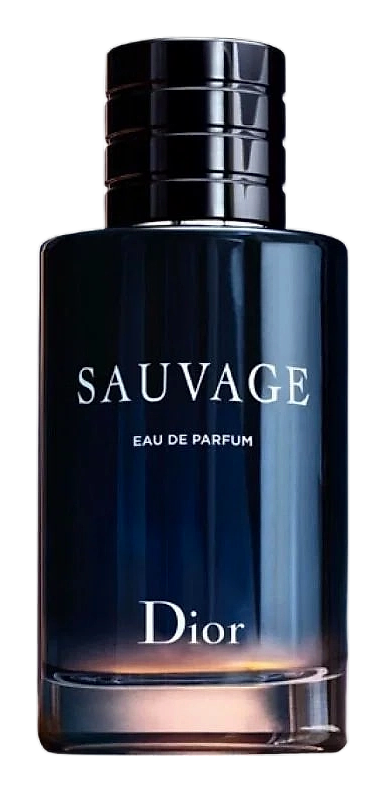
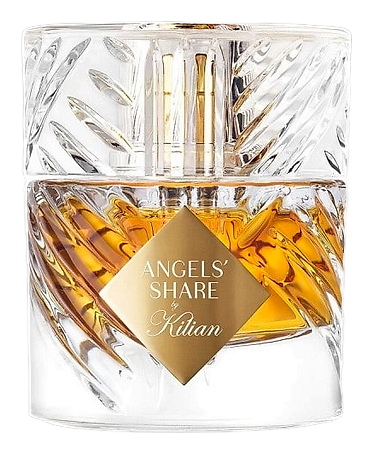
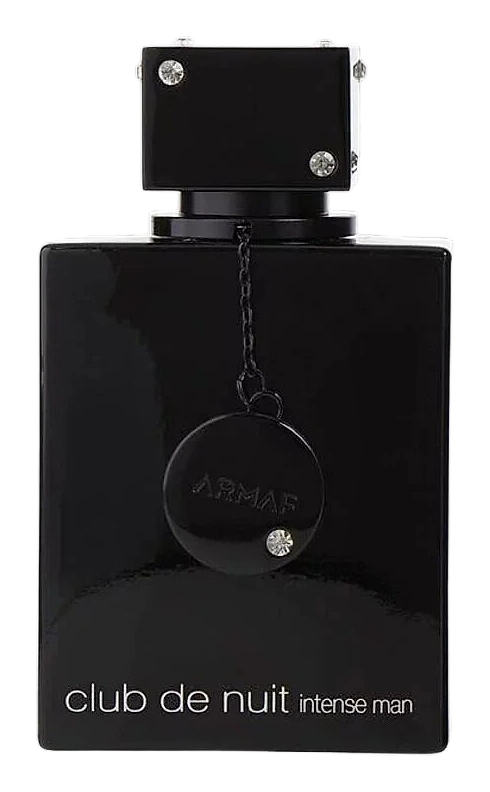
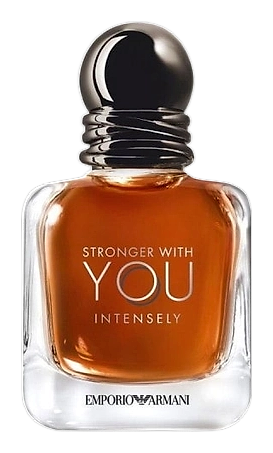
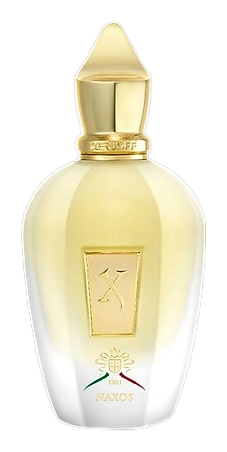
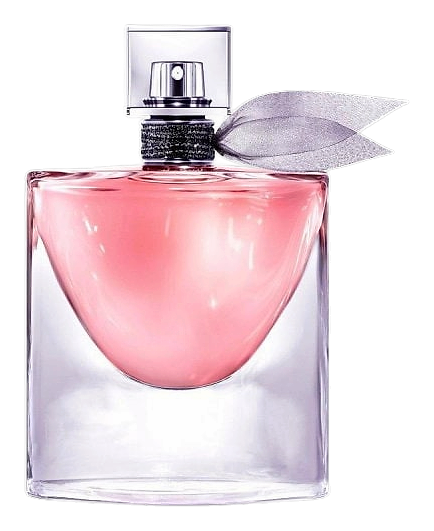
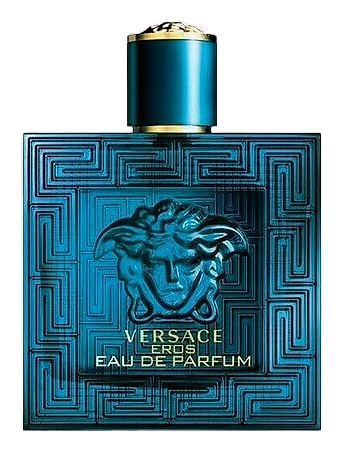
Fragrances featuring Vanilla

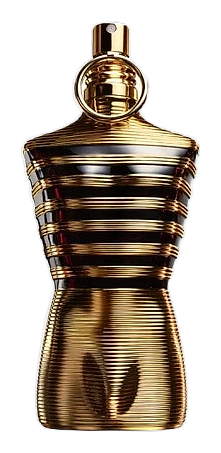
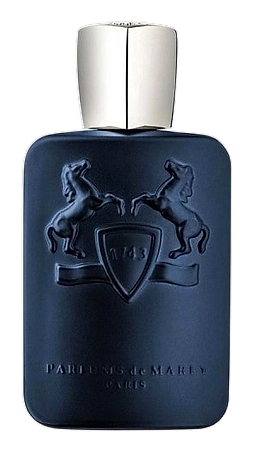
Brands
Brands known for Vanilla
Good to know
Questions, answered
The essentials on Vanilla in perfumery: how it smells, where it comes from, and how it behaves on skin.
What does vanilla smell like in perfume?
Vanilla delivers a warm, sweet, and creamy aroma with powdery and slightly woody undertones. Bourbon vanilla tends toward darker, raisiny sweetness, while Tahitian vanilla leans floral and slightly fruity.
How is vanilla extracted for perfume?
Perfumers primarily use solvent extraction to produce vanilla absolute from cured pods. Some perfumers also create vanilla tinctures by cold-extracting pods in alcohol, resulting in a softer, more natural character.
Which countries produce the best vanilla for perfumery?
Madagascar produces roughly 80 percent of the world's vanilla and is considered the benchmark for perfumery. Tahiti and Uganda produce smaller quantities prized for their distinctive floral and earthy profiles.
Is natural vanilla used in most perfumes?
Most mass-market perfumes rely on synthetic vanillin due to vanilla's high cost and instability in formulations. Niche and luxury fragrances more frequently feature natural vanilla absolute or tincture.
Why is vanilla so expensive in perfumery?
Vanilla cultivation requires hand-pollination of each flower and nine to ten months of curing, making it one of the most labor-intensive agricultural products. Prices fluctuate significantly based on crop cycles and weather events.
What fragrance families pair well with vanilla?
Vanilla anchors oriental and gourmand compositions, blending seamlessly with amber, sandalwood, tonka bean, and spices like cinnamon and cardamom. It also softens leathery or smoky accords.
Can synthetic vanilla replicate natural vanilla in perfume?
Synthetic vanillin captures vanilla's core sweet note but lacks the complex, multidimensional character of natural vanilla absolute, which contains over 250 aromatic compounds.
When did vanilla first appear in modern perfumery?
Vanilla debuted in modern perfumery in 1921 within Guerlain's Jicky, one of the earliest fragrances to showcase the ingredient as a distinct perfumery material rather than a food flavoring.