Amber
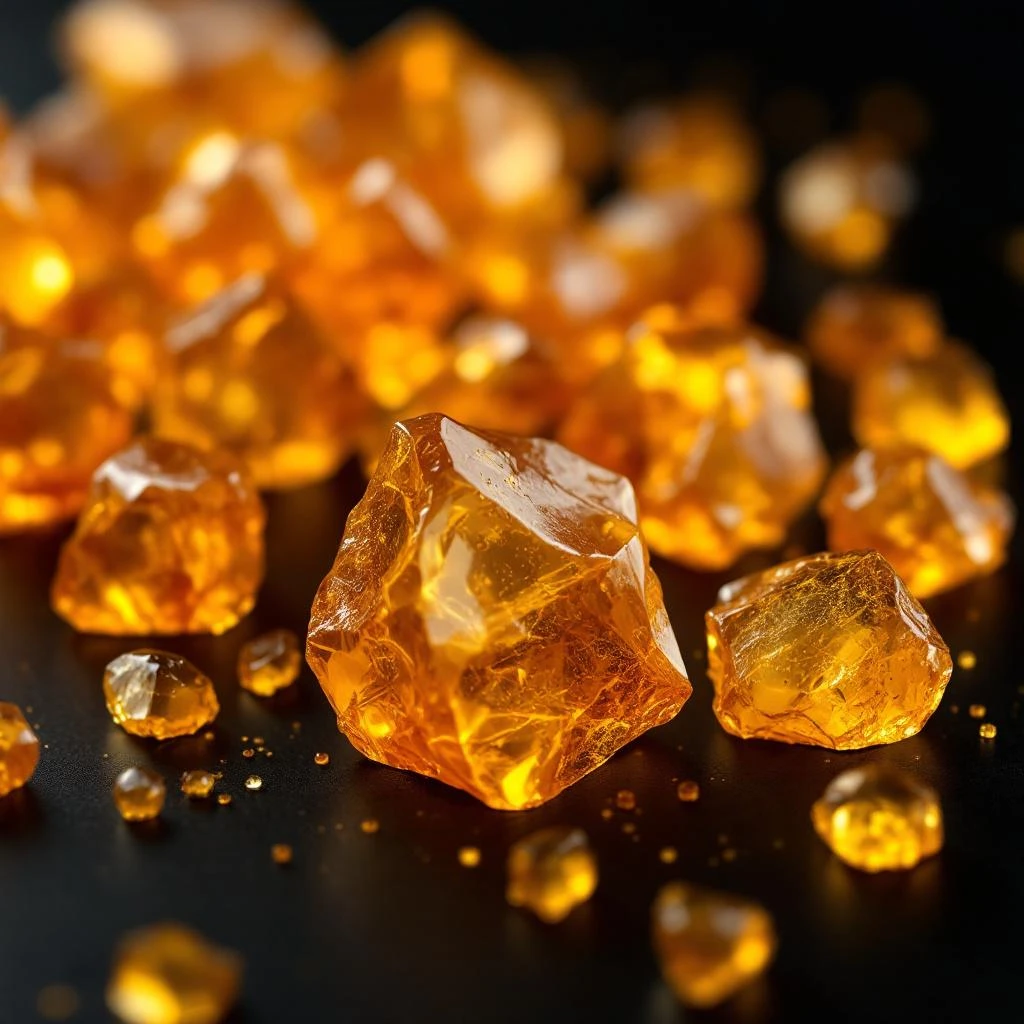
Amber in perfumery is a warm, enveloping accord that captures the golden glow of late afternoon light. It blends resins, vanilla, and labdanum into something greater than its parts. The result is a signature note found in countless fragrances.

Character
How it smells
The warmth of ancient sunlight, captured in a bottle.
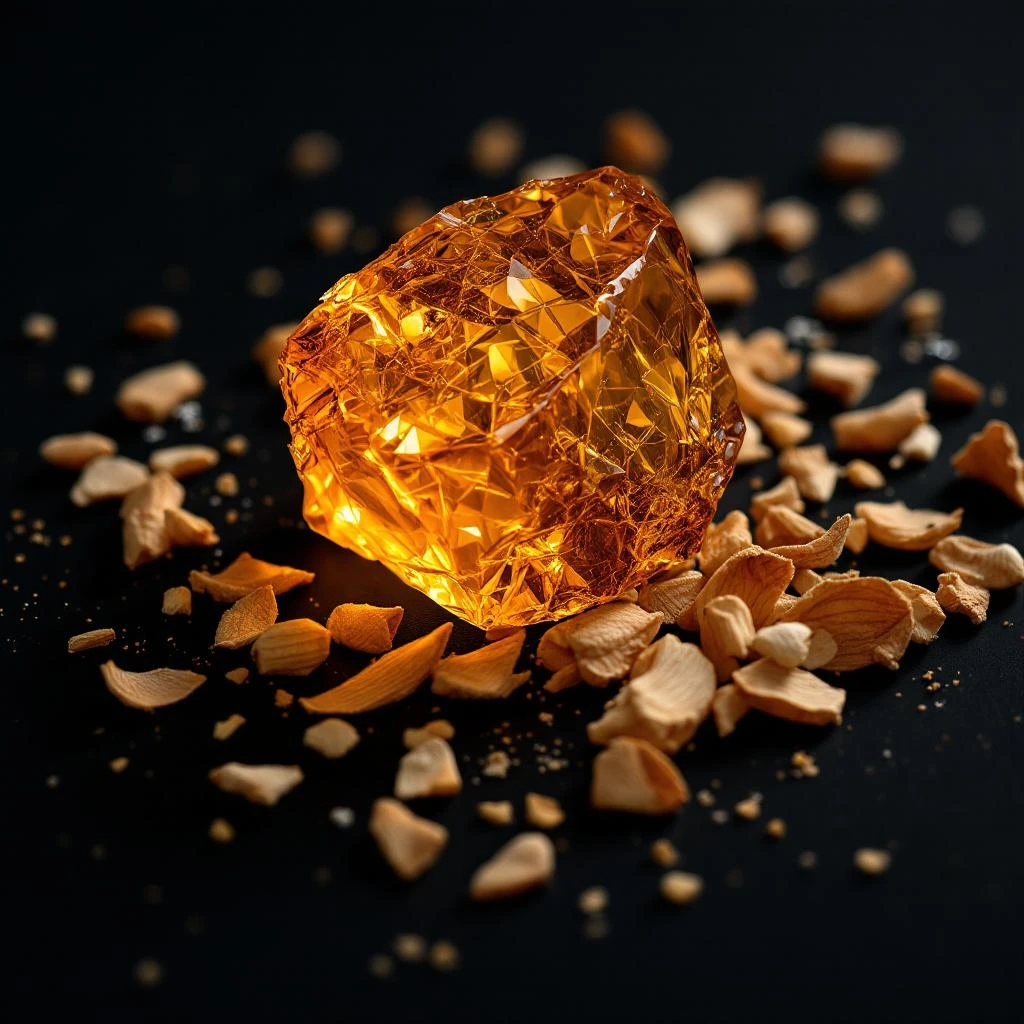
Sperm whales produce ambergris as a protective intestinal secretion. Once the rarest fixative in perfumery, it inspired the modern amber accord.








Origin
Global (tropical oceans for natural ambergris)
The characteristic amber accord appeared in perfumery only after 1874, when chemist Ferdinand Tiemann first isolated vanillin from vanilla beans. Before this breakthrough, perfumers used natural ambergris from sperm whales, benzoin from Southeast Asian styrax trees, and labdanum from Mediterranean rockrose to build warm, resinous base notes. These materials were expensive and inconsistent in supply. Vanillin changed everything.
Suddenly, perfumers could construct the amber accord reliably and affordably. By the 1890s, amber was appearing in formulations across Europe, signaling a shift from purely natural ingredients to synthetic recreations. This moment marked a broader transition in perfumery, when chemistry enabled perfumers to build accords that did not exist in nature. The word ambergris itself carries centuries of history, coming from the Arabic anbar through French and English trade routes.
Ancient physicians valued ambergris across the Arab world and Europe, and medieval perfumers treasured it as a fixative. The amber accord born in the late 1800s continues to define warm, sweet, powdery fragrances today.
Wears it best
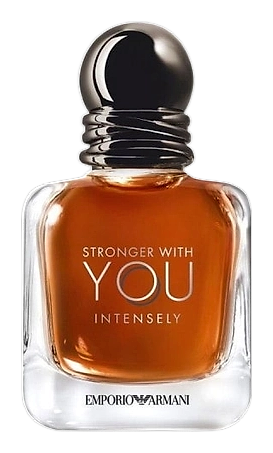
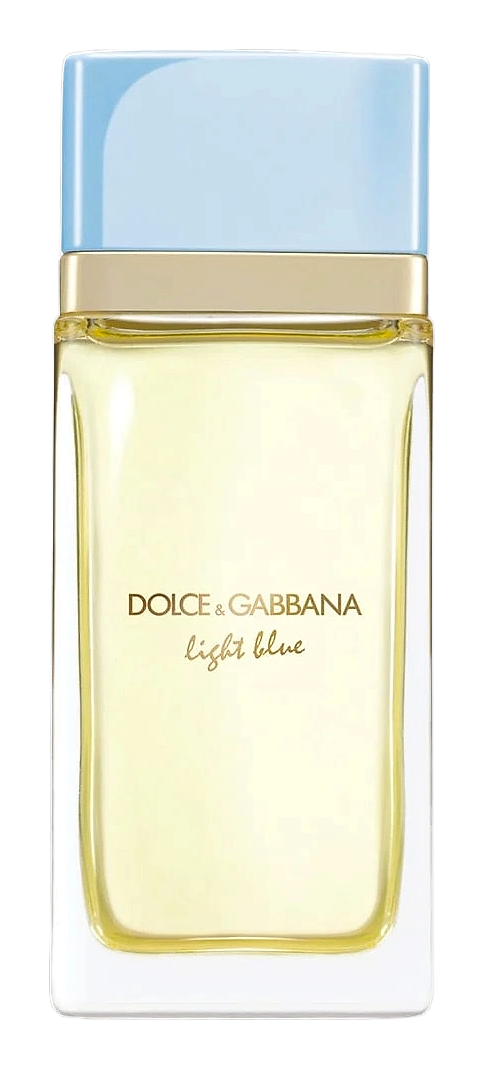
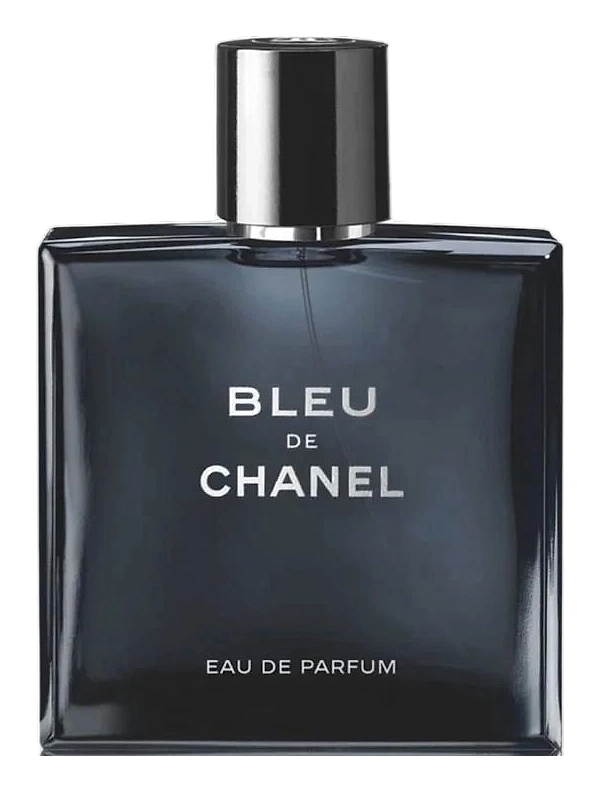
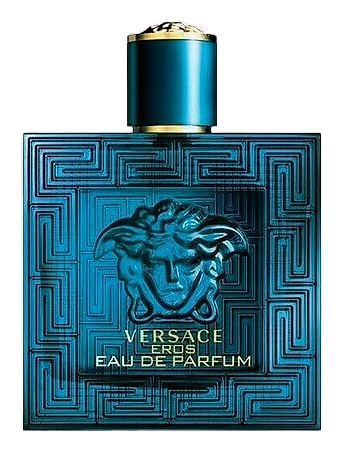
Fragrances featuring Amber


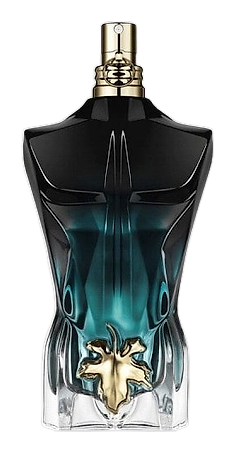

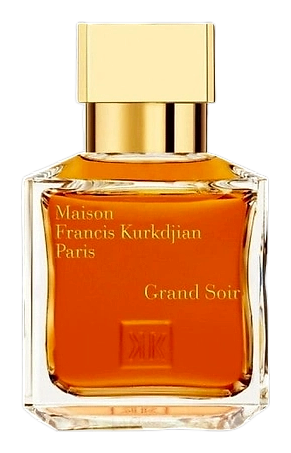

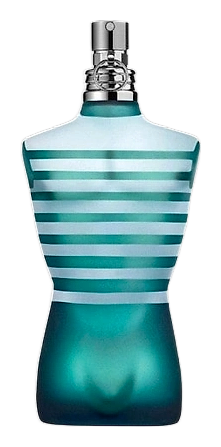
Brands
Brands known for Amber
Good to know
Questions, answered
The essentials on Amber in perfumery: how it smells, where it comes from, and how it behaves on skin.
What is amber in perfumery?
Amber is a warm, sweet, powdery accord rather than a single ingredient. Perfumers build it from vanillin, benzoin, labdanum, and other materials to recreate the effect of rare ambergris. It typically appears in the base notes of a fragrance, providing warmth and longevity.
Is amber from whales?
No. Ambergris comes from sperm whales, but the amber note in most perfumes is a synthetic accord inspired by ambergris. Modern perfumers combine vanillin, benzoin, labdanum, and related ingredients to create the same warm, sweet character without using animal-derived materials.
Why is ambergris so expensive?
Ambergris is extraordinarily rare. It forms over decades inside sperm whales and is expelled into the ocean, where it must float for years before washing ashore. One kilogram can sell for tens of thousands of dollars, making it one of the costliest perfumery ingredients.
What does amber smell like?
Amber smells warm, sweet, and slightly powdery. Think vanilla softened by resinous warmth, with gentle balsamic and woody undertones. The overall impression is cozy and enveloping, like late afternoon sunlight on warm skin.
Is amber used in oriental fragrances?
Yes. Oriental fragrances almost always feature amber as a foundational note. The warm, sweet, powdery character pairs naturally with other oriental ingredients like oud, patchouli, and incense, anchoring the composition with lasting depth.
What ingredients make amber?
Amber is an accord combining vanillin for sweetness, benzoin and labdanum for resinous warmth, tolu balsam for body, and tonka for powderiness. Citrus and patchouli appear in some formulations. Each perfumer builds the accord differently, creating subtle variations.
Is amber natural?
Natural ambergris is animal-derived and extremely rare. The amber accord in modern perfumery is synthetic, built from lab-created vanillin and natural resins like benzoin and labdanum. This makes amber notes widely accessible without relying on endangered natural sources.
How does ambergris differ from amber?
Ambergris is the rare, natural waxy substance from sperm whales. Amber is the warm, sweet, powdery accord that perfumers built to capture its essence. Today, virtually all amber notes are synthetic recreations, while natural ambergris remains a collector's rarity.