White Musk
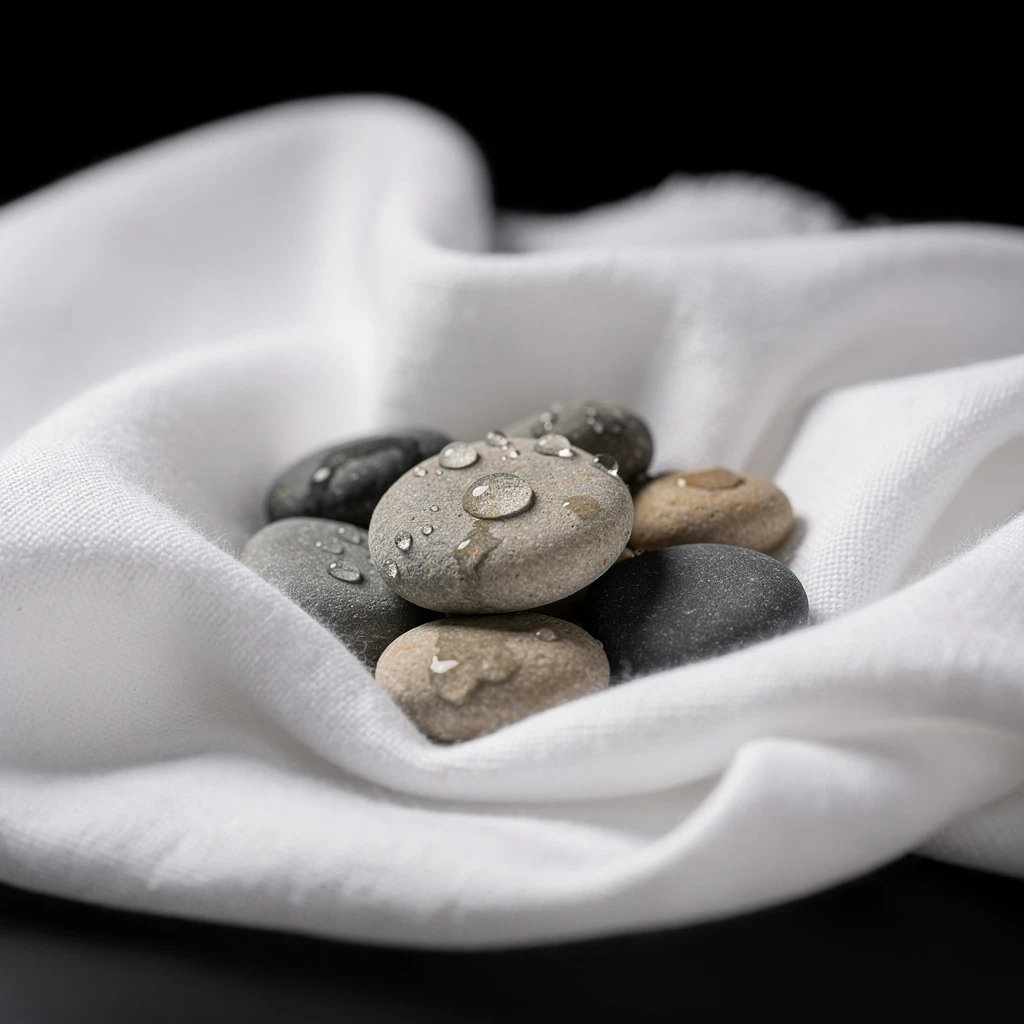
White musk delivers a clean, skin-like warmth that softens a fragrance, with polished, powdery facets that linger close to the wearer.

Character
How it smells
Clean warmth with a lasting trail.
The first synthetic musks emerged in the late 19th century, long before modern white musks became the soft base notes familiar in perfume.



Origin
Switzerland
Musk entered perfumery through the musk deer, whose dried scent gland produced an intense animalic material prized in Asia and later in European fragrance making. The history of White Musk as a clean note began with the rise of synthetic musk in the late 19th century. In 1888, German chemist Albert Baur synthesized the nitro musk commonly called musk ketone while researching explosive compounds.
It delivered a powerful musky effect that perfumers could use without animal extraction. Synthetic musks expanded during the 20th century as the industry moved away from natural musk for ethical and practical reasons. The term white musk later came to evoke a lighter, cleaner interpretation of the broader musk family, especially in contemporary fine fragrance.
It is now associated with intimate warmth, powdered skin, and soft longevity rather than the pungent, fecal facets of traditional animal musk.
Wears it best
Fragrances featuring White Musk
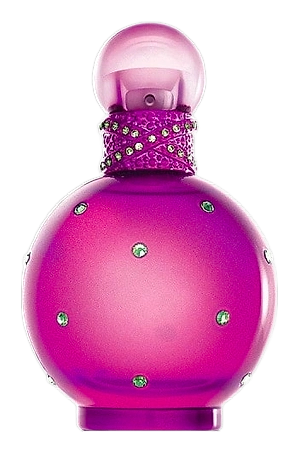
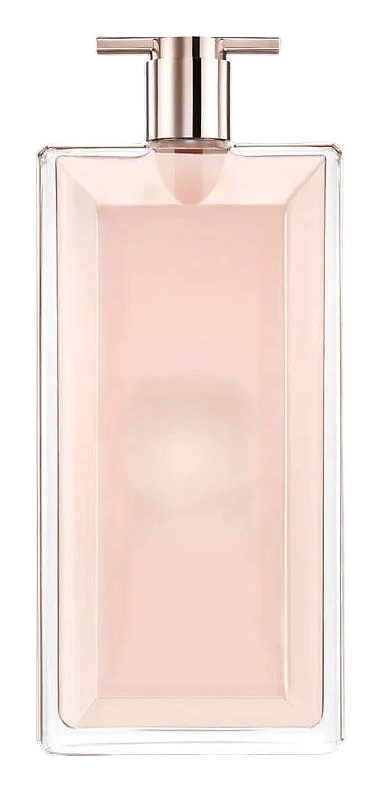
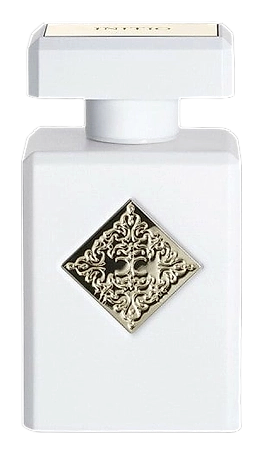

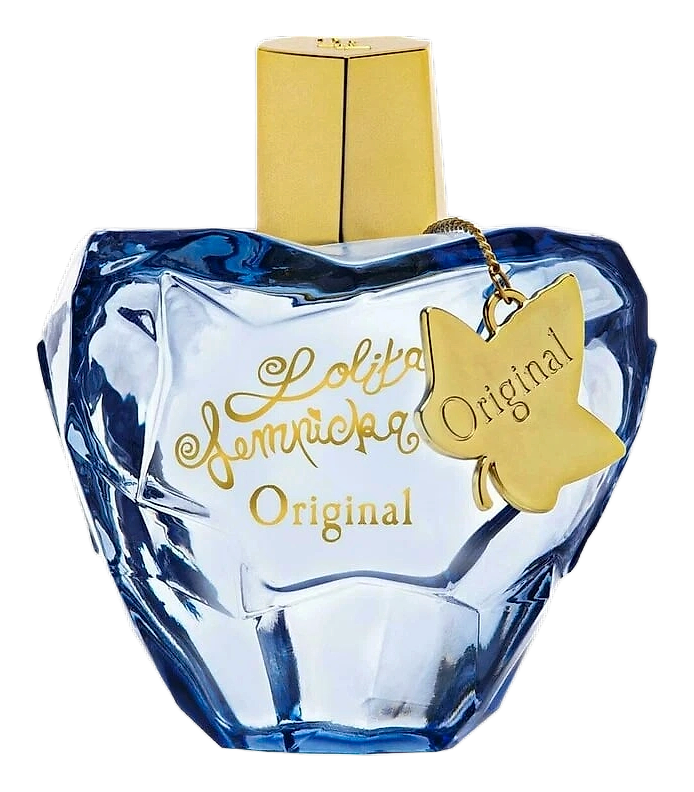

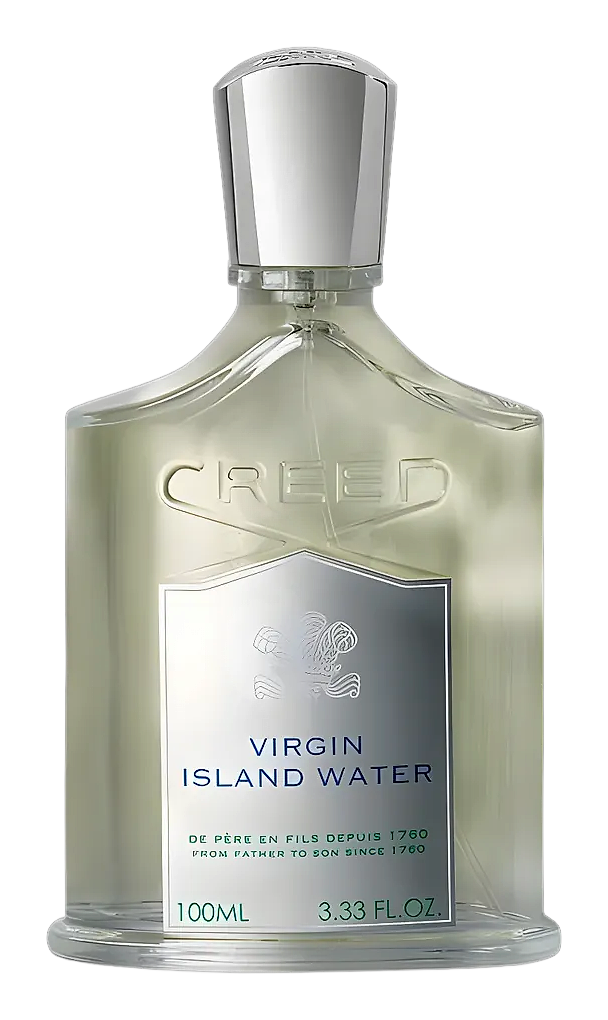
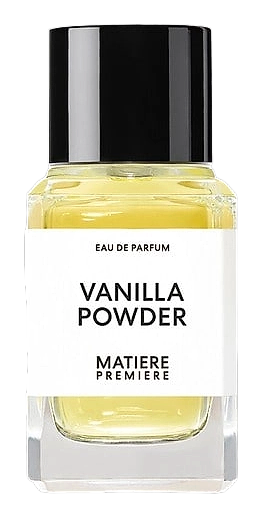
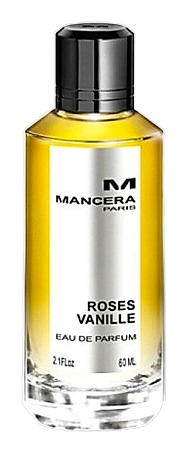

Brands
Brands known for White Musk
Good to know
Questions, answered
The essentials on White Musk in perfumery: how it smells, where it comes from, and how it behaves on skin.
What does white musk smell like?
White musk smells clean, soft, and slightly powdery, often with warm, skin-like facets. It commonly appears close to the wearer rather than projecting strongly, giving a fragrance a smooth, intimate finish.
Is white musk a natural ingredient?
Usually, white musk refers to synthetic aroma molecules rather than one plant extract. These laboratory-made compounds reproduce the rounded, persistent effects associated with musk without requiring animal material.
Where does musk originally come from?
Natural musk comes from the scent gland of the musk deer, traditionally dried and used in perfumery. Most modern white musk effects are recreated synthetically because animal musk involves severe animal-welfare concerns.
When were synthetic musks first created?
The first commercially important nitro musk, musk ketone, was synthesized by Albert Baur in 1888. This discovery helped perfumers create long-lasting musky effects without using musk deer.
How is white musk produced for perfume?
Perfumers manufacture selected white musk compounds through laboratory synthesis, then dilute them for formulation. Each molecule contributes a slightly different balance of clean, powdery, woody, or skin-like notes.
Does white musk make perfume last longer?
White musk often improves perceived longevity by giving a composition a smooth, persistent base near the skin. Its effect depends on the specific molecule, the formula, and the other ingredients surrounding it.
Is white musk the same as natural musk?
No. White musk is a perfumery category centered on clean, soft musky effects, usually created with synthetic compounds. Natural musk is much more pungent and animalic, with a powerful fecal and ambrette character.
Are synthetic musks safe for use in perfume?
Approved synthetic musks are used within established fragrance safety limits, but individual chemicals differ in their profiles. Several older nitro musks have been restricted because of environmental persistence or human-health concerns.