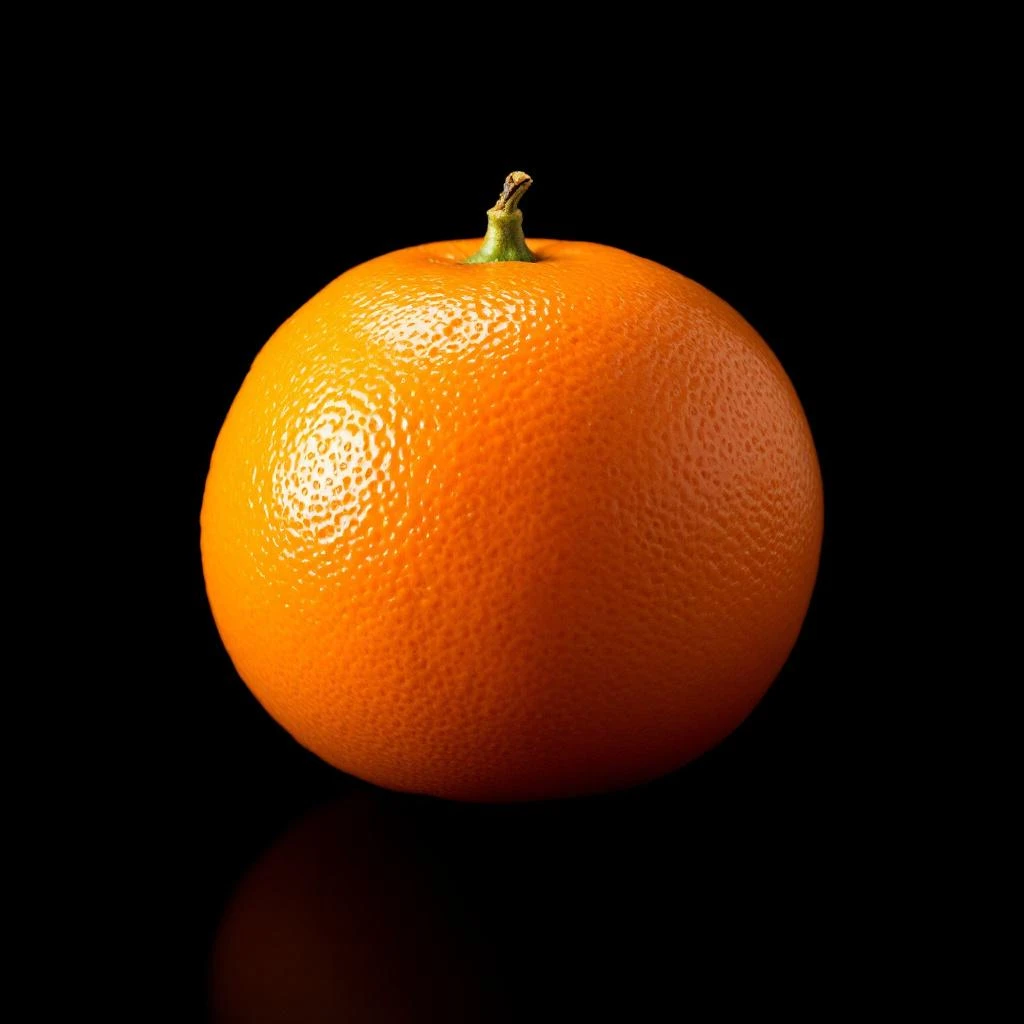
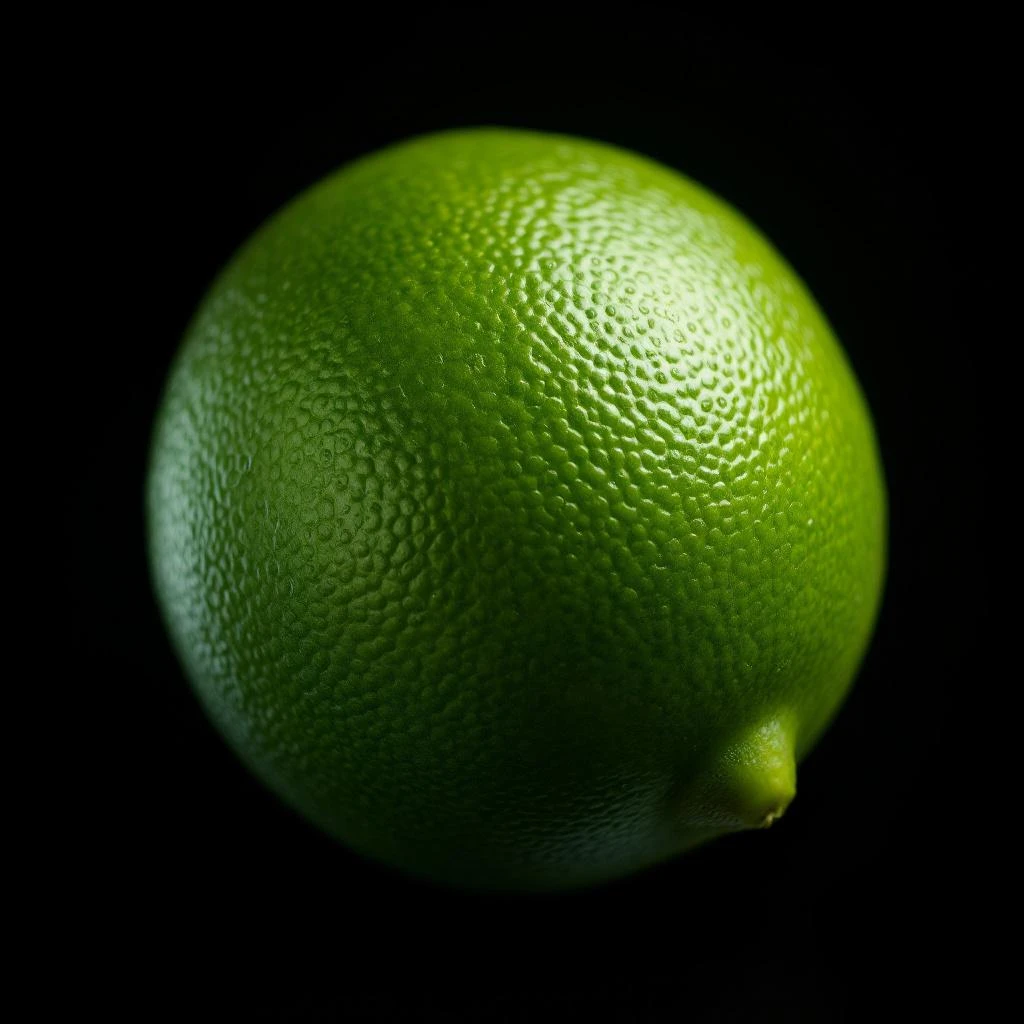
Lemon
Bright, sharp, and instantly recognizable, lemon lifts a fragrance with a burst of citrus light. Its peel oil carries that clean tang found in colognes and eaux de toilette across every era.

Character
How it smells
Sunlight in a bottle.
Sicilian lemon oil was first documented in 1780 by Abbot Domenico Sestini, who detailed the manual sponge-press extraction process still used in some regions today.









Origin
India
The lemon tree traces its botanical roots to the Indo-Burmese region, where wild ancestors grew over three thousand years ago. Arab traders carried citrus across North Africa and into Sicily during the medieval period, and by the 10th and 11th centuries, lemons had become established in Mediterranean gardens.
The first detailed technical account of lemon oil extraction dates to 1780, when Abbot Domenico Sestini described Sicilian producers pressing peels with sponges to collect the precious essence. By the 19th century, lemon oil appeared regularly in European perfumery as the top-note foundation of eaux de cologne, where it paired with bergamot, neroli, and rosemary.
Its bright, evaporating character made it a natural choice for opening accords that needed to feel airy and clean. Over time, advances in expression technology shifted production toward large-scale industrial methods, though traditional Italian and Sicilian producers still press peels by hand for niche perfumery.
Wears it best
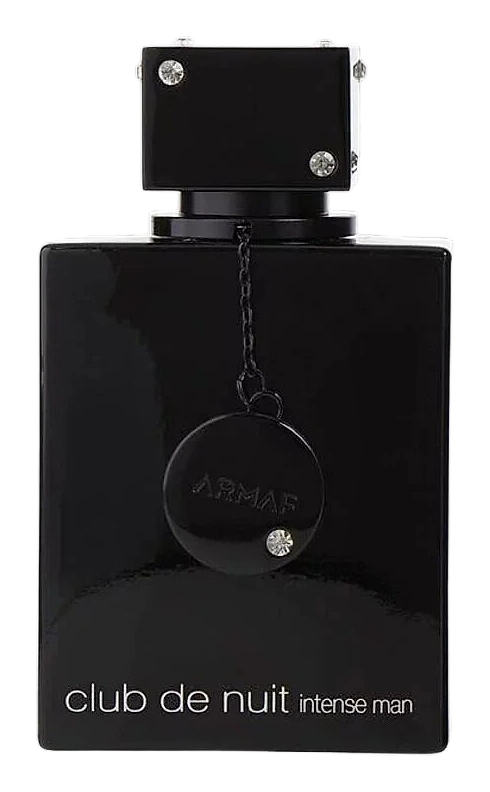
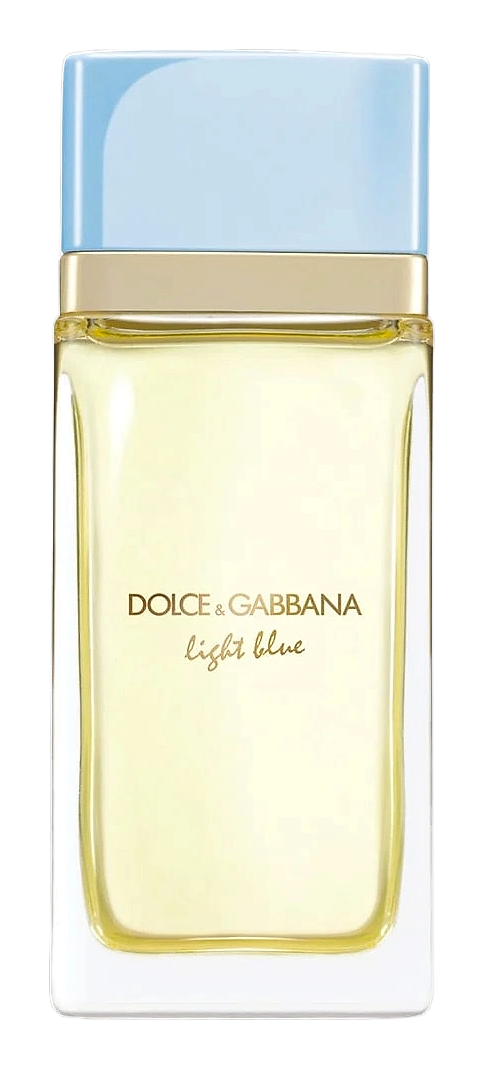
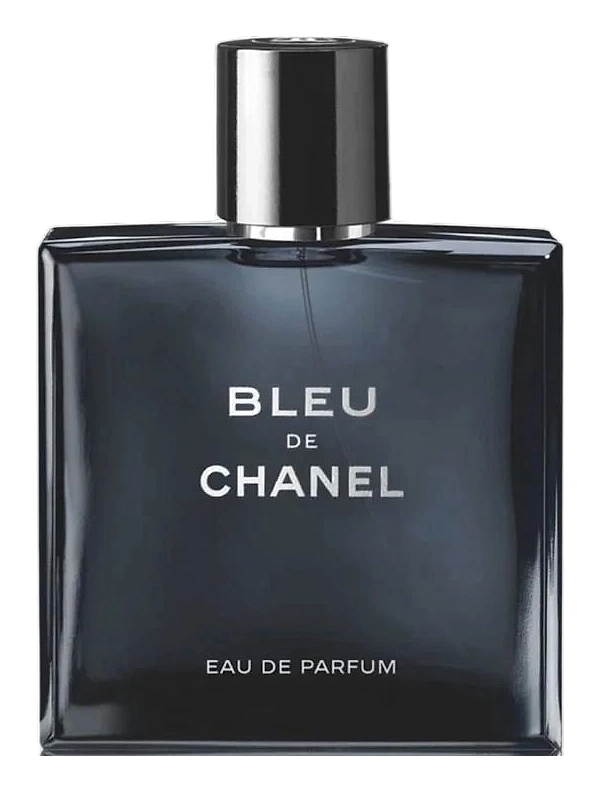
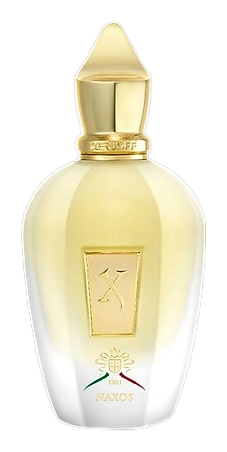
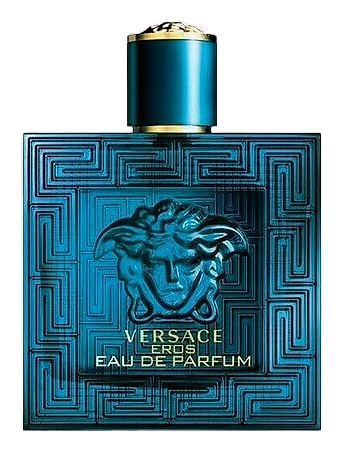
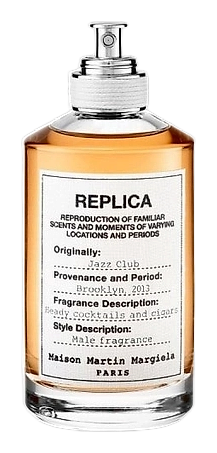
Fragrances featuring Lemon


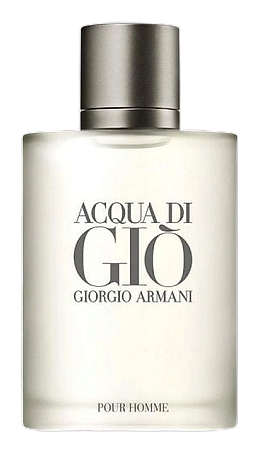


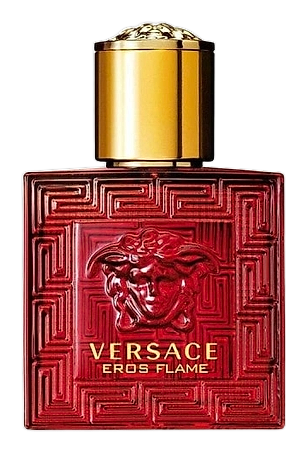
Brands
Brands known for Lemon
Good to know
Questions, answered
The essentials on Lemon in perfumery: how it smells, where it comes from, and how it behaves on skin.
What does lemon smell like in perfume?
Lemon gives a sharp, bright citrus scent with a clean acidic edge. In fragrance compositions, it opens a perfume with an immediate burst of freshness that lifts heavier base notes beneath.
Is lemon essential oil expensive?
Lemon oil sits among the more accessible citrus essentials. Expressed lemon oil is moderately priced due to efficient industrial pressing, while hand-pressed Sicilian variants command premium niche pricing.
What is the difference between expressed and distilled lemon oil?
Expressed lemon oil captures the peel's fresh, sharp, zesty character through mechanical extraction. Steam-distilled lemon oil smells slightly softer and rounder, since heat alters some of the brighter top-note molecules.
Where does most lemon essential oil come from?
Argentina and Sicily lead global production. Argentina dominates industrial output, while Sicily remains the historical home of traditional lemon cultivation and pressing since at least the 1700s.
Is lemon a top, middle, or base note?
Lemon is a classic top note. Its molecules evaporate quickly, producing an immediate bright opening that fades within 15 to 30 minutes in most compositions.
Can lemon oil go bad in perfume?
Yes. Expressed lemon oil oxidizes relatively fast due to high limonene content, developing turpentine-like off-notes within 12 to 18 months. Distilled versions last considerably longer.
What other ingredients pair well with lemon?
Lemon pairs naturally with neroli, bergamot, rosemary, lavender, and vetiver. These appear throughout classic cologne structures, where citrus brightness balances herbal and woody depth.
Is the lemon in perfume natural or synthetic?
Both appear widely. Natural expressed oil offers complex nuance, while synthetic isolates like citral and limonene provide consistency, stability, and lower cost in commercial fragrance production.