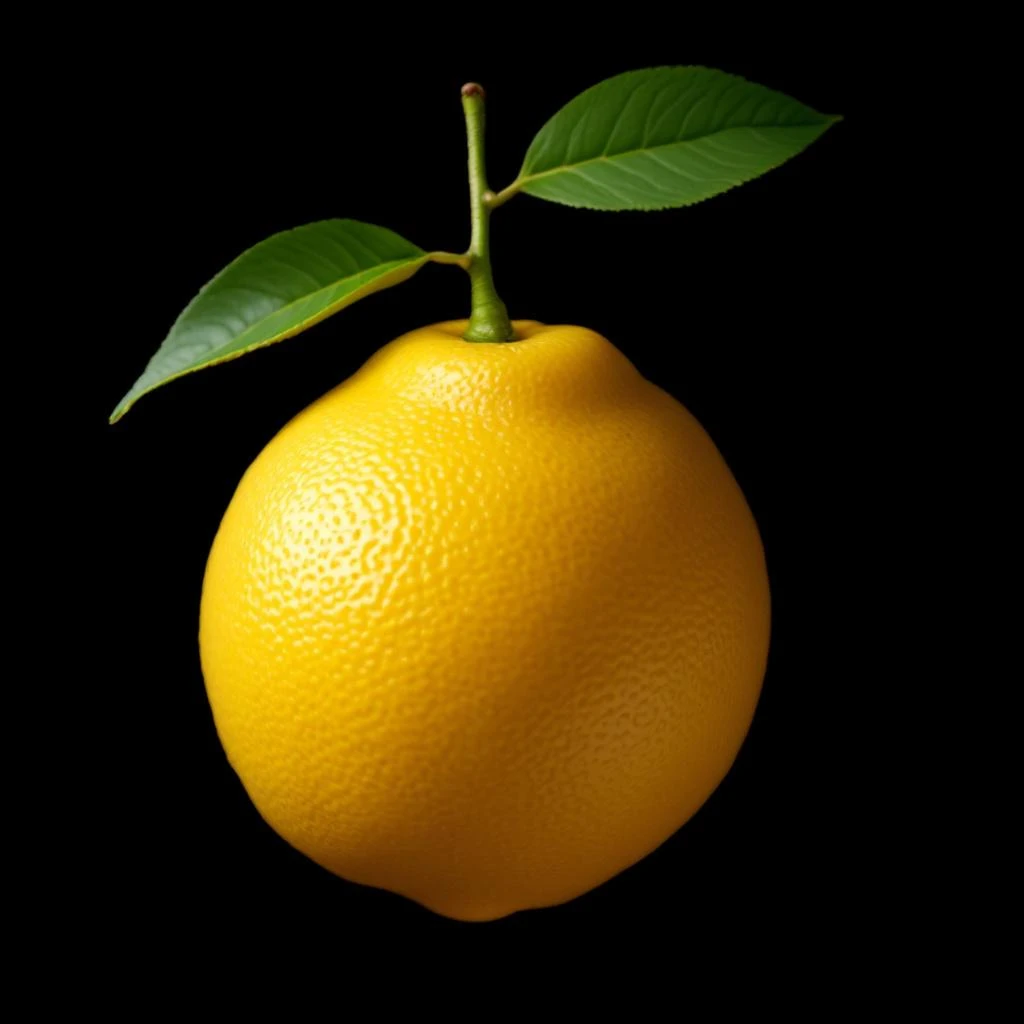
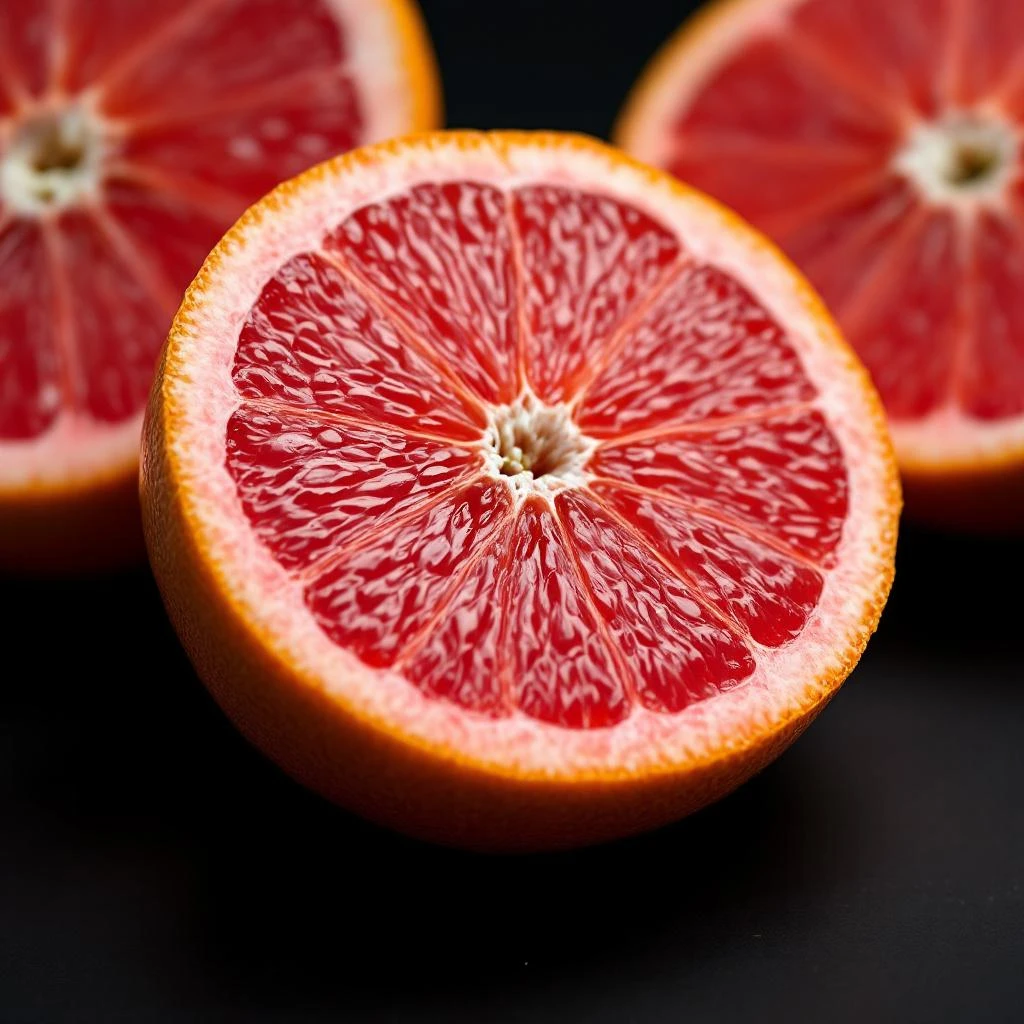
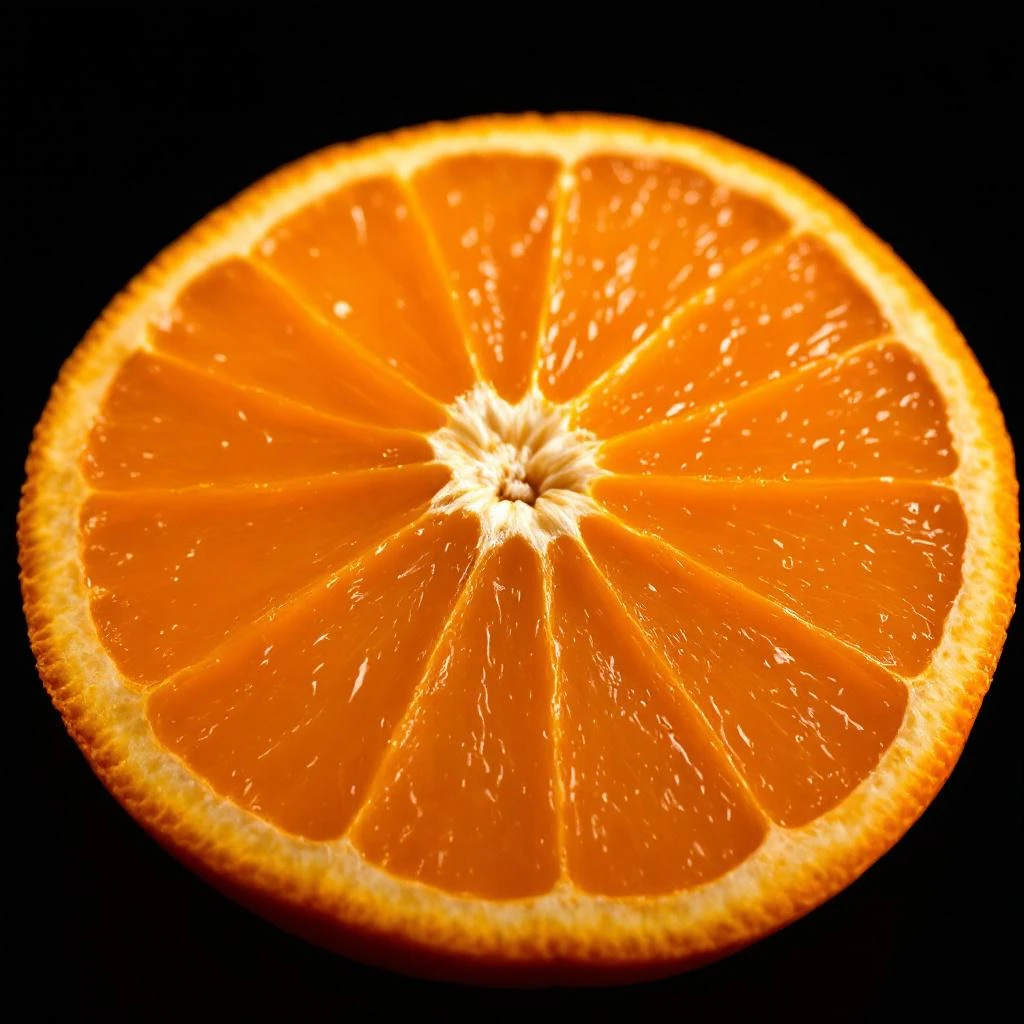
Mandarin Orange
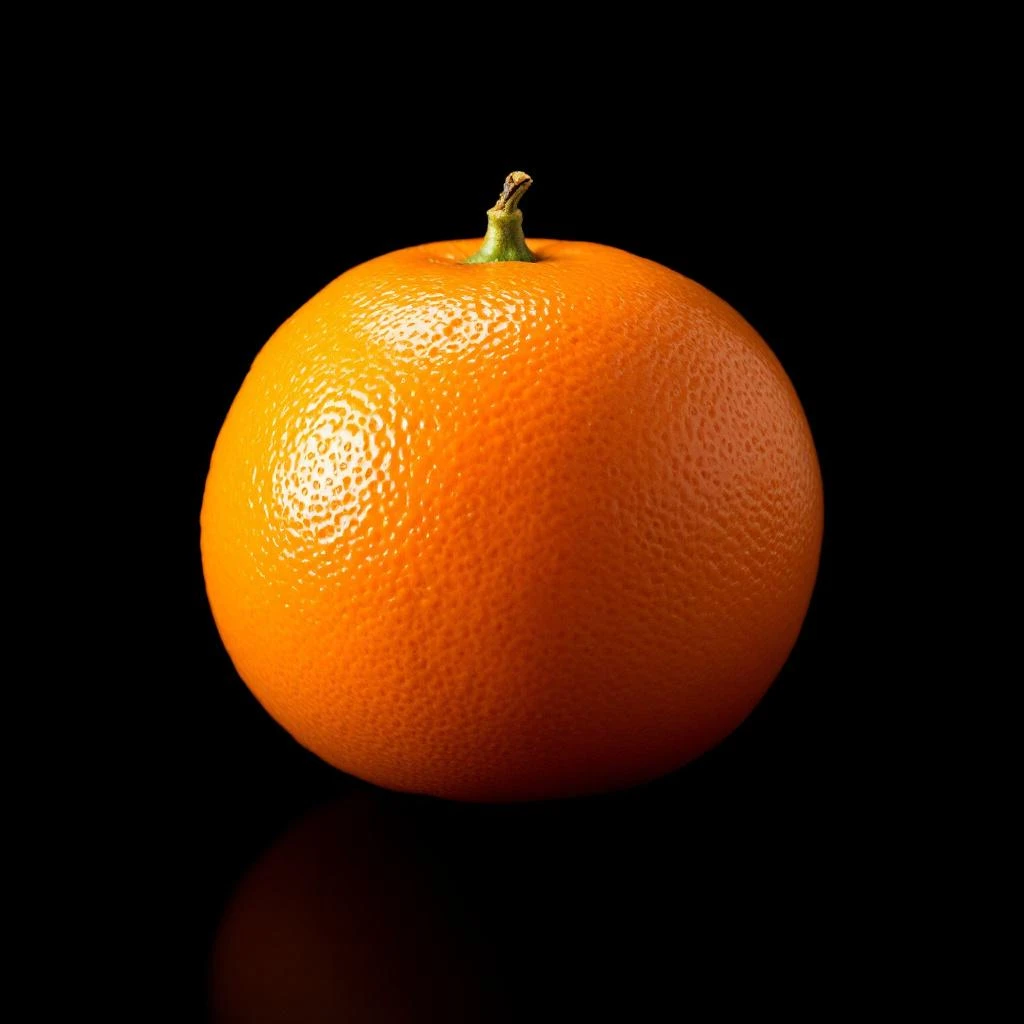
Sun-kissed and effervescent, this top note bursts open a fragrance with the bright, sugary tang of fresh peeled citrus. Mandarin orange oil captures zest, juice, and a whisper of floral nectar in one vivid stroke.
Character
How it smells
Sunlit zest that opens every composition
The name 'mandarin' comes from the Chinese officials who wore orange robes, and the fruit was traditionally gifted to them during Lunar New Year celebrations as a token of fortune.









Origin
China
Mandarin oranges trace their ancestry to the subtropical forests of southern China and Southeast Asia, where wild citrus reticulata grew for millennia before documented cultivation began. Chinese farmers selected sweeter, seedless varieties as early as the 12th century, and the fruit became woven into imperial culture. Tradition held that mandarins, the scholar-bureaucrats who governed the empire, received baskets of the bright fruit during Lunar New Year, since the Chinese words for mandarin and fortune sound alike.
From China, the fruit traveled west along Silk Road trade routes, reaching Europe by the early 1800s through Portuguese and Italian merchants. Italy embraced mandarin cultivation so thoroughly that Sicilian groves remain among the most celebrated sources for perfumery today. The first major perfumery applications appeared in classical eau de cologne formulas of the 19th century, where mandarin replaced or supplemented more acidic citrus notes.
By the early 20th century, mandarin oil had become a staple in fresh masculine colognes and floral eaux, cementing its place as a foundational top note in Western perfumery.
Wears it best
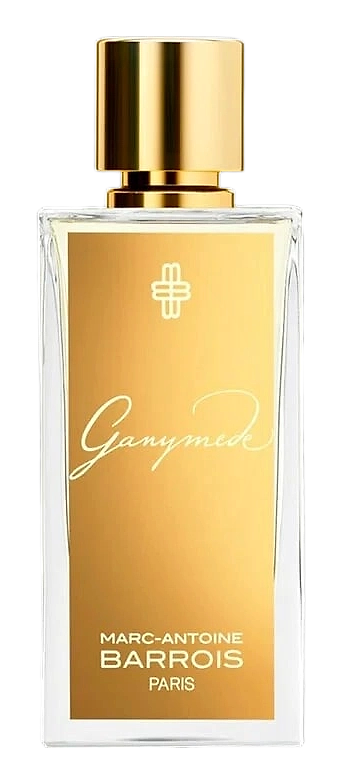
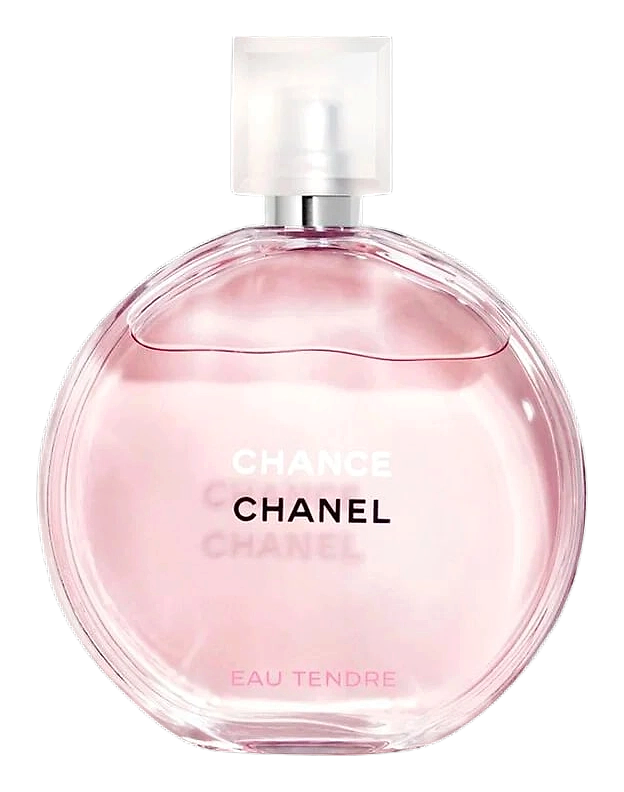
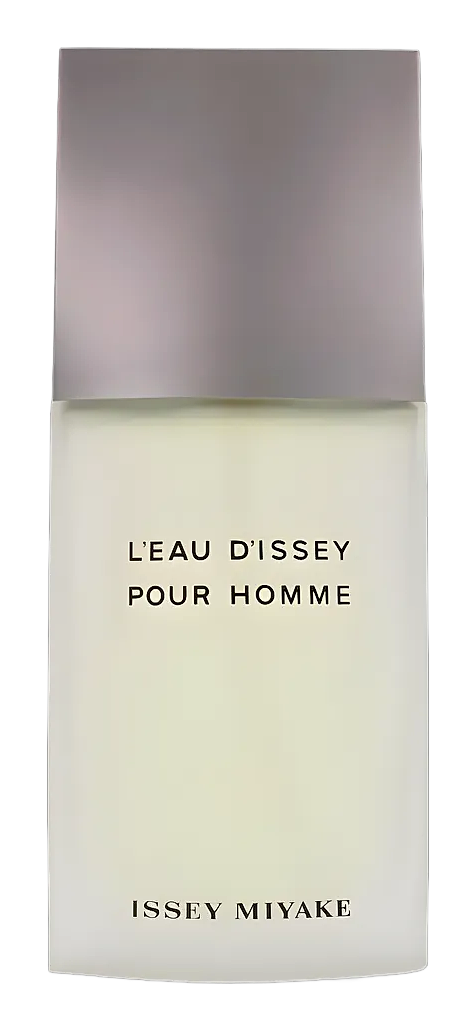
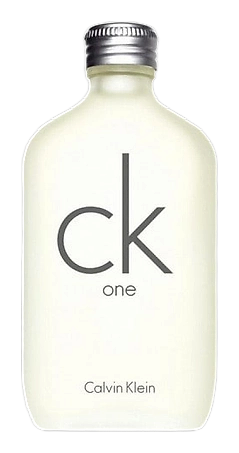
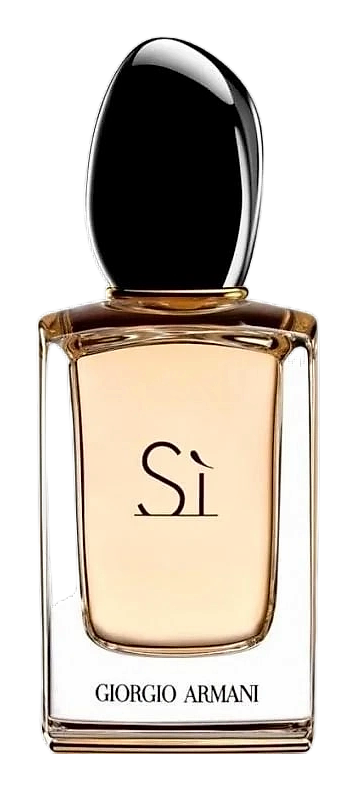
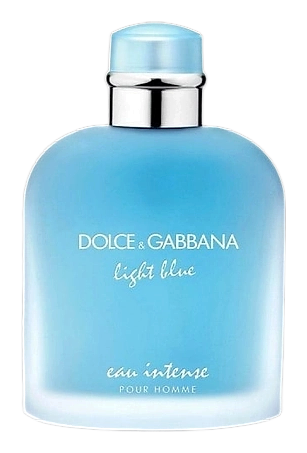
Fragrances featuring Mandarin Orange





Brands
Brands known for Mandarin Orange
Good to know
Questions, answered
The essentials on Mandarin Orange in perfumery: how it smells, where it comes from, and how it behaves on skin.
What does mandarin orange smell like in perfume?
Mandarin orange smells bright and zesty, balanced between sugary sweetness and tart citrus pulp. The peel oil carries a soft floral undertone that distinguishes it from sharper lemon or bergamot, lending an approachable, sunny character to any fragrance.
Is mandarin orange a top, middle, or base note?
Mandarin orange is classified as a top note. Its volatile peel oils project within the first 15 minutes of wear, creating the opening impression before fading as heart notes emerge.
What is the difference between mandarin and tangerine in perfumery?
Mandarin oil tends to be sweeter and more floral, while tangerine reads slightly more tart and intensely orange. Both come from Citrus reticulata varieties, but perfumers often select mandarin for softer, rounder openings.
Where does mandarin orange for perfume come from?
Most perfumery-grade mandarin oil originates in Italy (especially Sicily), Brazil, China, and Spain. Sicilian oil is widely considered the benchmark for brightness and aromatic complexity.
How is mandarin essential oil extracted?
Cold expression, also called cold pressing, mechanically squeezes the rind to rupture oil glands without heat. This preserves the fragile top-note molecules that steam distillation would otherwise degrade.
Why is mandarin orange so common in cologne?
Mandarin's high volatility and crowd-pleasing sweetness make it ideal for cologne openings. It brightens herbal and chypre compositions without the acidic bite of lemon or grapefruit.
Does mandarin orange oil contain allergens?
Yes. Cold-pressed mandarin oil contains limonene, which is classified as a skin sensitizer above certain thresholds. EU regulations mandate disclosure on cosmetic labels when concentrations exceed 0.01 percent in leave-on products.
Is mandarin orange a natural or synthetic ingredient?
Both exist. Natural mandarin oil comes from cold-pressed peels, while linalool and other isolated molecules allow perfumers to reconstruct mandarin accords synthetically. Most commercial fragrances use a blend of natural and nature-identical materials.