Bergamot
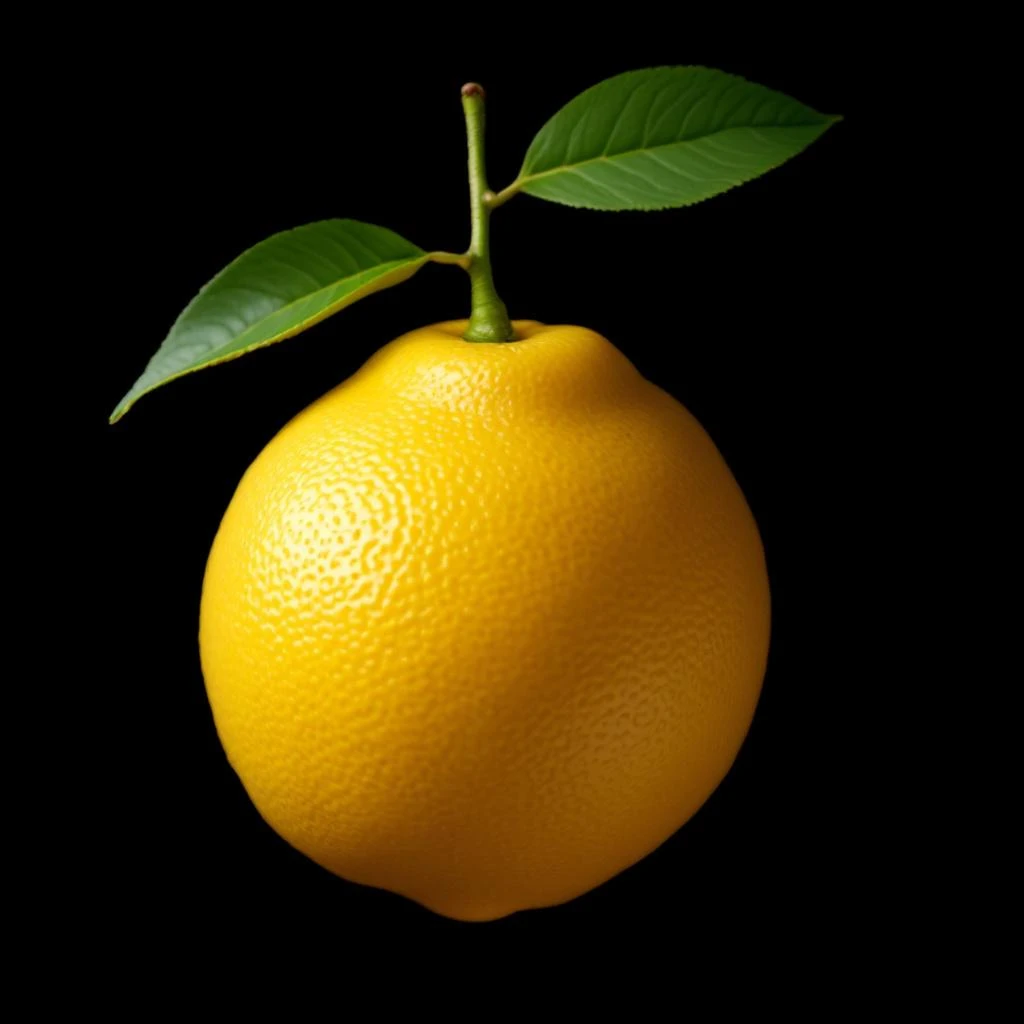
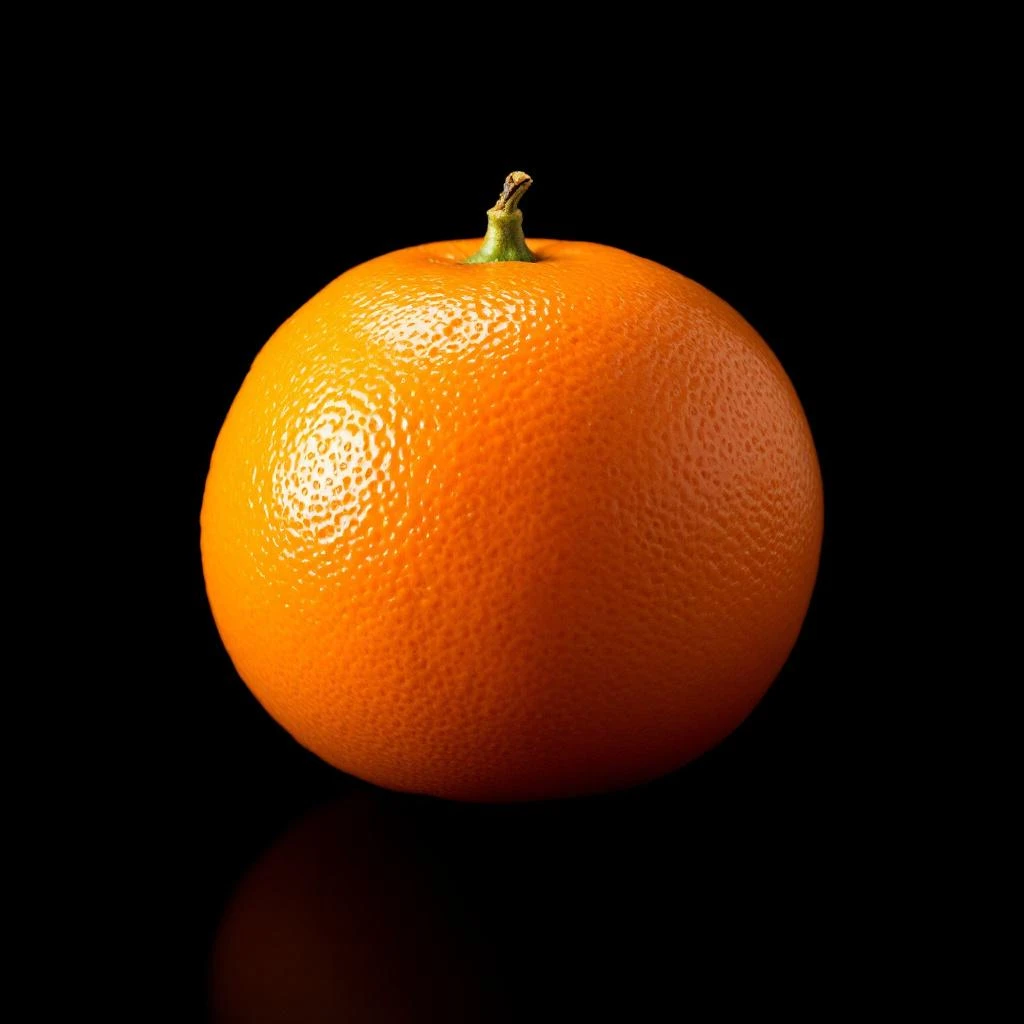
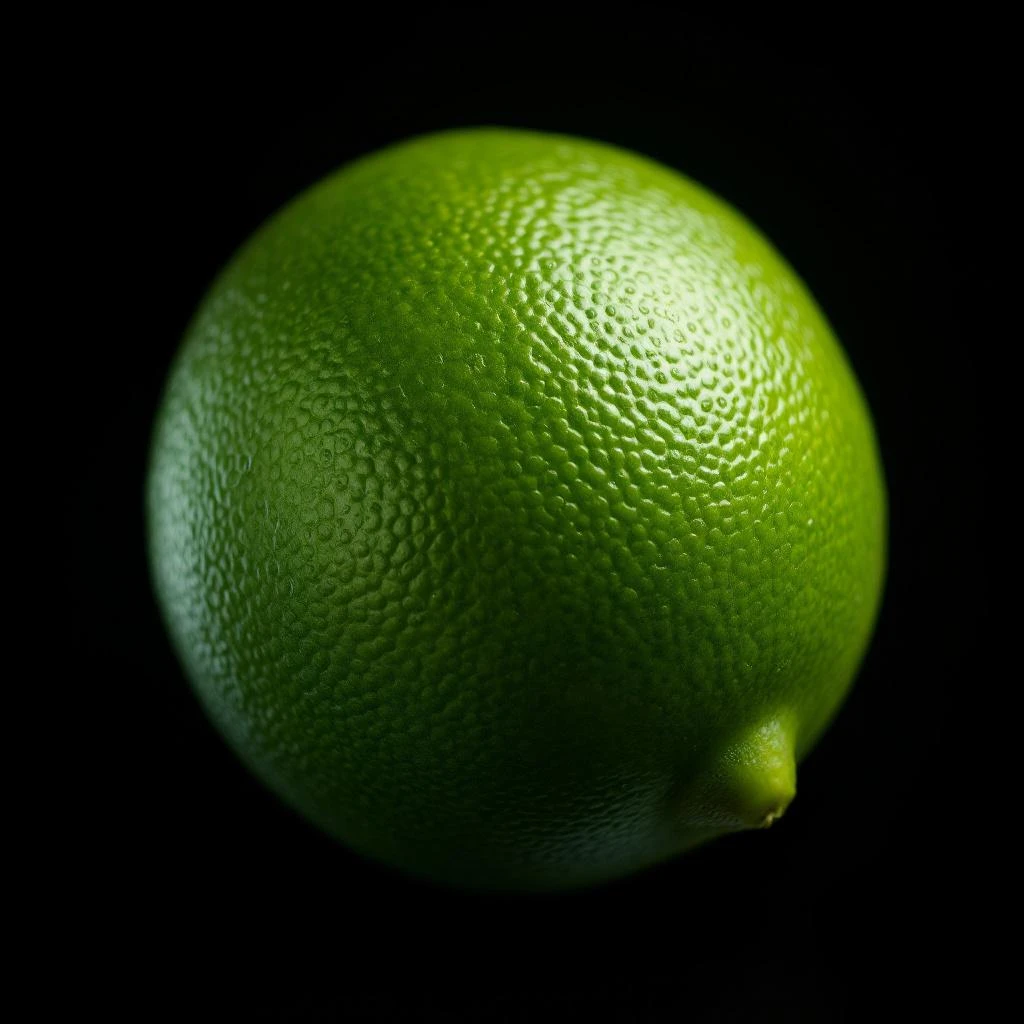
Bergamot oil carries the sharp, sunlit brightness of citrus peel with a green, slightly bitter edge. It anchors countless compositions with its crisp opening.

Character
How it smells
The luminous citrus that opens nearly every great fragrance
Approximately 80% of the world's bergamot comes from a narrow coastal strip in Calabria, southern Italy, where the fruit has been cultivated for centuries.








Origin
Italy
Citrus bergamia likely originated as a natural hybrid between sour orange and lemon or lime in Southeast Asia, with genetic roots stretching back to northeast India, Myanmar, and southern China. Traders carried the fruit westward along Mediterranean trade routes, and by the 17th century it found its home in Calabria.
Local cultivation in the Reggio Calabria province took root so completely that the region dominates global production today. Italian growers refined extraction techniques over generations, turning peel-pressing into a regional craft. By 1686, the oil reached Paris through Francis Procopius, who helped popularize "Bergamot water" as a refined perfume ingredient.
The oil became a staple of Eau de Cologne formulations from the 18th century onward. Classic cologne recipes call for bergamot alongside neroli and lavender, creating the sparkling opening that defined European perfumery. Earl Grey tea adopted bergamot oil as its signature flavoring in the 1830s, and Bergamot of Reggio Calabria now holds Protected Designation of Origin status from the European Union, cementing the region's exclusive claim to authentic bergamot production.
Wears it best
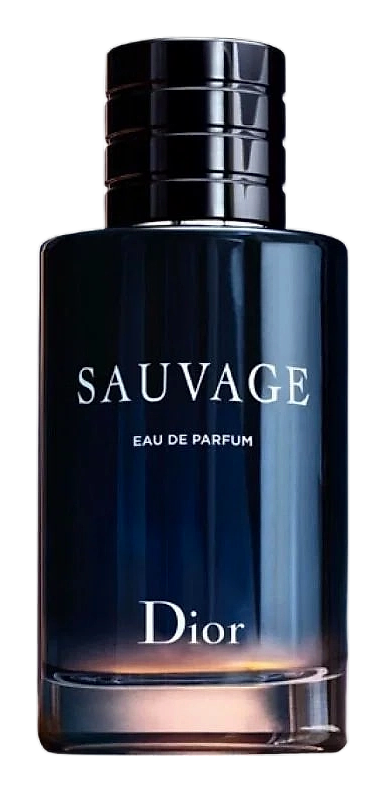
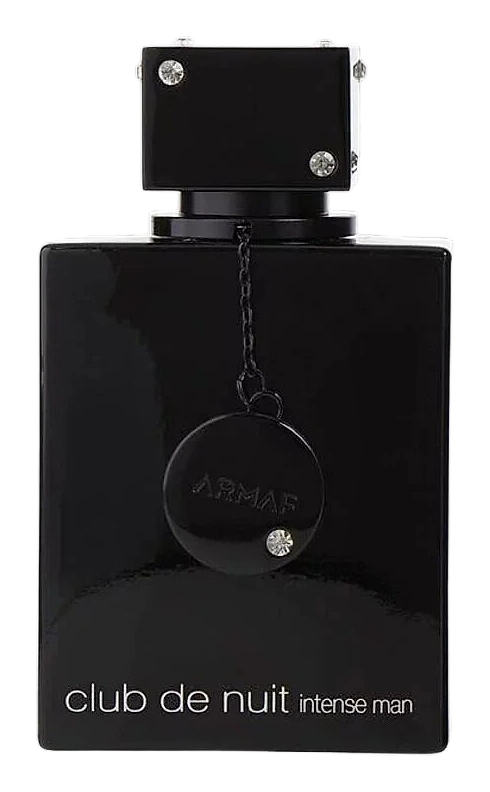
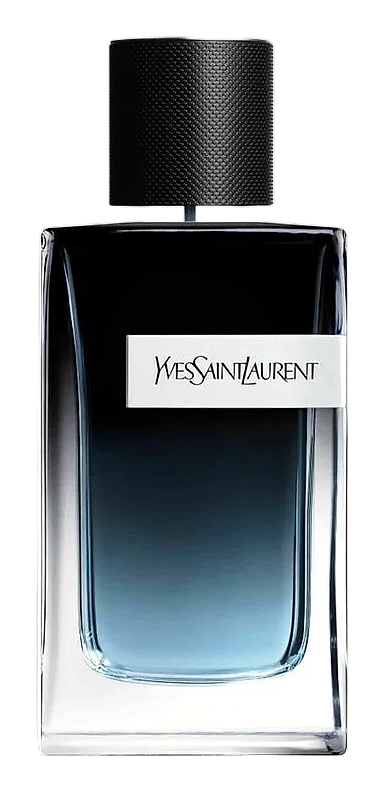
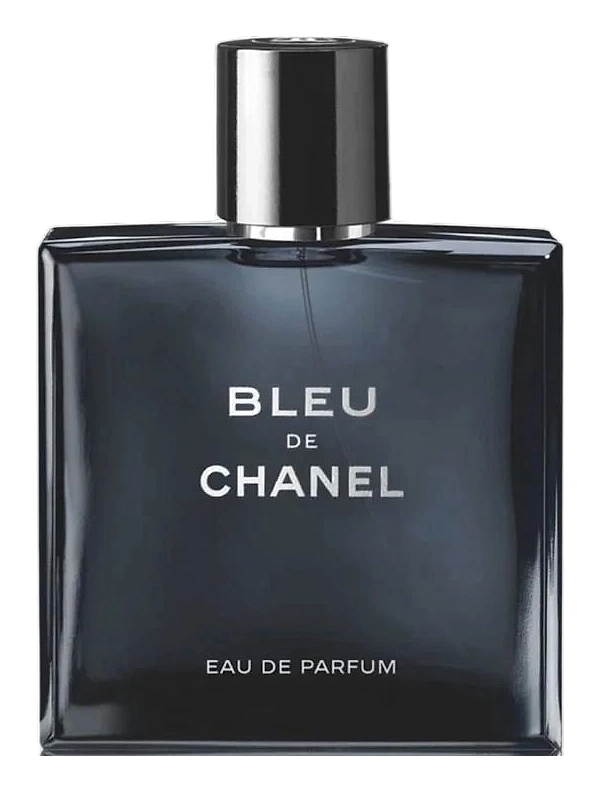
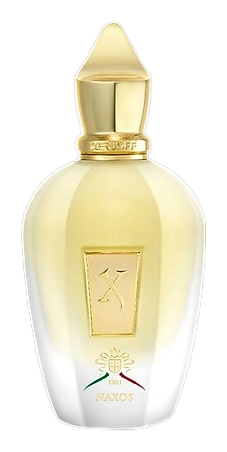
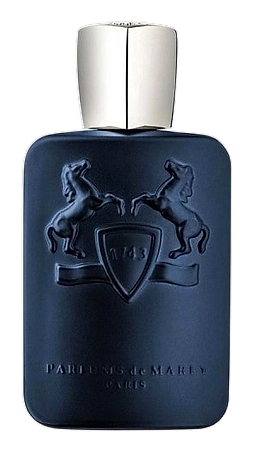
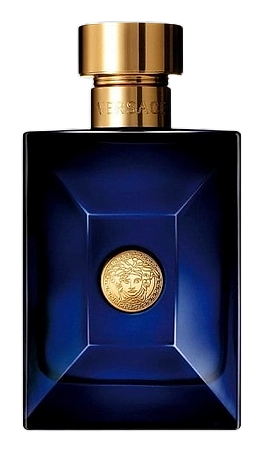
Fragrances featuring Bergamot




Brands
Brands known for Bergamot
Good to know
Questions, answered
The essentials on Bergamot in perfumery: how it smells, where it comes from, and how it behaves on skin.
What does bergamot smell like in perfume?
Bergamot gives a bright citrus opening with green, slightly bitter, and floral edges from its linalool content. It creates an immediate lift that draws in the wearer within seconds of spraying. Most citrus top notes dissolve within minutes, while bergamot lingers slightly longer due to richer chemical composition.
Is bergamot a top, middle, or base note?
Bergamot functions almost exclusively as a top note in fragrance composition. Its volatile molecules evaporate quickly, typically within 15 to 30 minutes, making it one of the first scents perceived in a fragrance. Perfumers rely on it to create the initial impression before heart and base notes develop.
Where does real bergamot essential oil come from?
Roughly 80% of genuine bergamot oil originates from the Reggio Calabria province in Calabria, southern Italy. The coastal microclimate and mineral-rich soil support over 7,000 hectares of groves. Bergamot of Reggio Calabria holds EU Protected Designation of Origin status, certifying its geographic exclusivity.
What is the difference between bergamot and regular orange?
Bergamot (Citrus bergamia) is a distinct species from the common sweet orange (Citrus sinensis), likely a hybrid of sour orange and either lemon or lime. Its oil contains higher concentrations of linalool and linalyl acetate, giving bergamot a more complex, slightly bitter aroma compared to orange's straightforward sweetness.
Does bergamot oil contain furocoumarins?
Cold-pressed bergamot oil naturally contains furocoumarins including bergapten, compounds associated with phototoxicity. The EU limits bergapten content to 15 ppm in cosmetic products. "Bergapten-free" or rectified versions remove these compounds through vacuum distillation for safer skin application.
Why is bergamot used in so many colognes?
Bergamot became a cornerstone of Eau de Cologne formulations from the early 18th century onward, featured in the original 1709 recipe by Johann Maria Farina. Its bright, uplifting citrus profile complemented neroli and lavender, creating the sparkling opening that defined the classic cologne style. That tradition persists today.
How much bergamot oil does one tree produce?
A mature bergamot tree yields approximately 20 kilograms of fruit per harvest season. Each kilogram of peel produces around 5 grams of essential oil through cold expression. Italy harvests roughly 25,000 metric tons of bergamot fruit annually, generating over 1,000 metric tons of essential oil for global perfumery.
What fragrances contain bergamot?
Bergamot appears in iconic fragrances including Chanel Bleu de Parfum, Acqua di Gio, Dior Sauvage, and Tom Ford Neroli Portofino. It serves as the opening note in most fresh and citrus-forward compositions. Guerlain's Eau de Cologne series has featured Calabrian bergamot for over 180 years.