Cardamom
A warming spice with cool sophistication. Cardamom brings a luminous snap of green to compositions, balancing brightness with lingering depth that anchors both colognes and orientals.
Character
How it smells
Green fire, golden warmth
Global production exceeds 35,000 metric tons annually, making cardamom the world's third most expensive spice by weight, after saffron and vanilla.








Origin
India
Cardamom's aromatic reach stretches back over three thousand years. The Indus Valley civilizations of South India traded the pods by 2000 BCE, embedding them in Ayurvedic medicine and ritual incense. Ancient Egyptians imported cardamom through Red Sea routes, and dried pods have been found in tombs, including a reference in the Ebers Papyrus around 1550 BCE. Romans and Greeks valued it as an aphrodisiac and digestive aid, importing it along the caravan routes that connected Malabar Coast ports to Alexandria.
The spice arrived in Europe through Arab traders who guarded its source for centuries. German physician and botanist Valerius Cordus first documented cardamom oil distillation in 1540, recording the process in botanical treatises that circulated across Renaissance Europe. By the 17th century, Swedish and German apothecaries classified cardamom among their most precious aromatics.
Cardamom entered modern perfumery in the late 19th century as colonial trade opened reliable supply lines from India and Guatemala. It became a signature note in oriental and spicy compositions, prized for adding brightness to heavy resinous bases. Today it anchors fragrances from independent ateliers to major houses, carrying forward a botanical legacy that began in the forests of the Western Ghats.
Wears it best
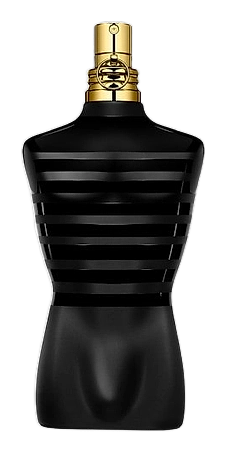
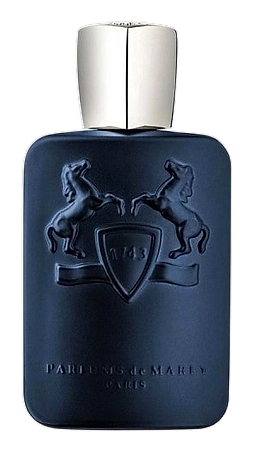
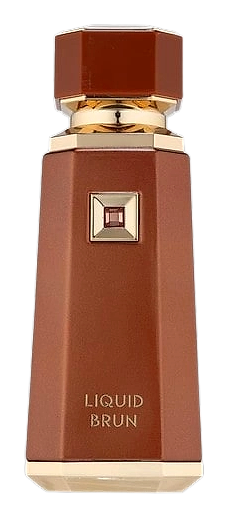
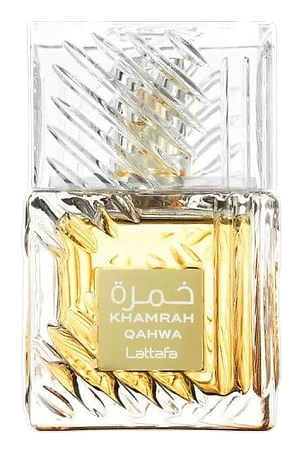
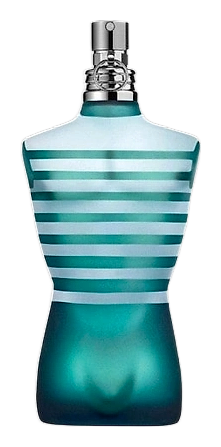
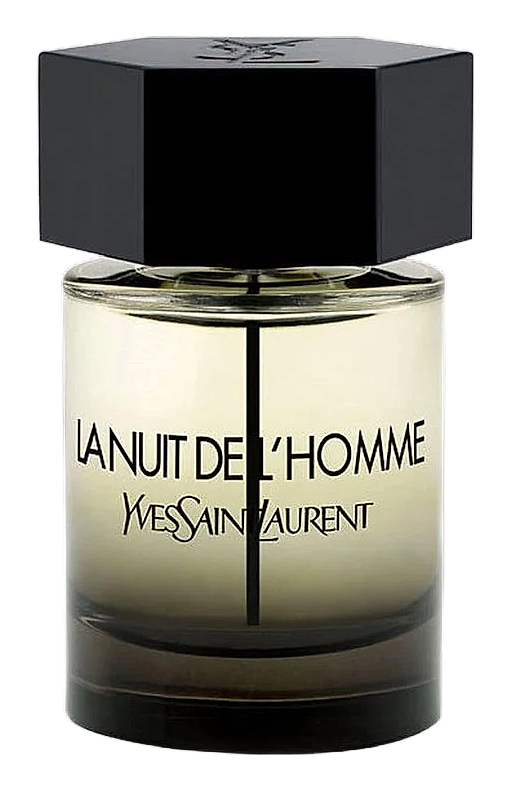
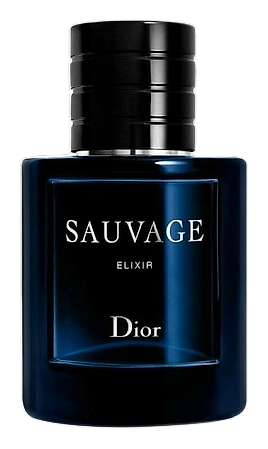
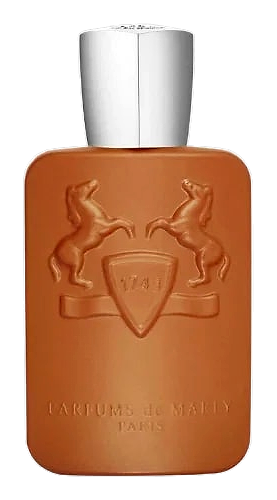
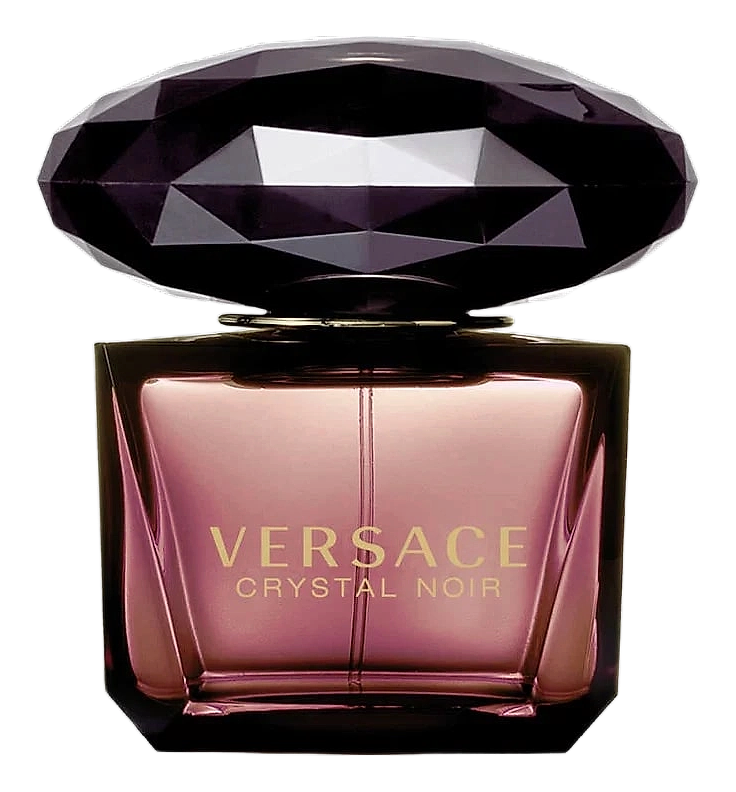
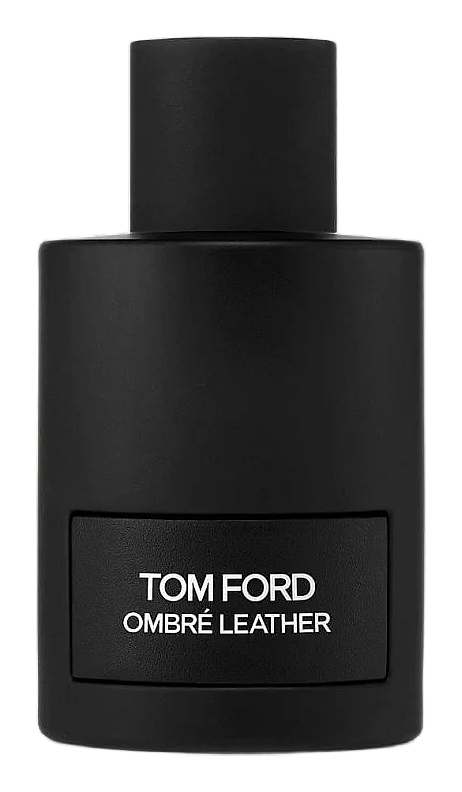
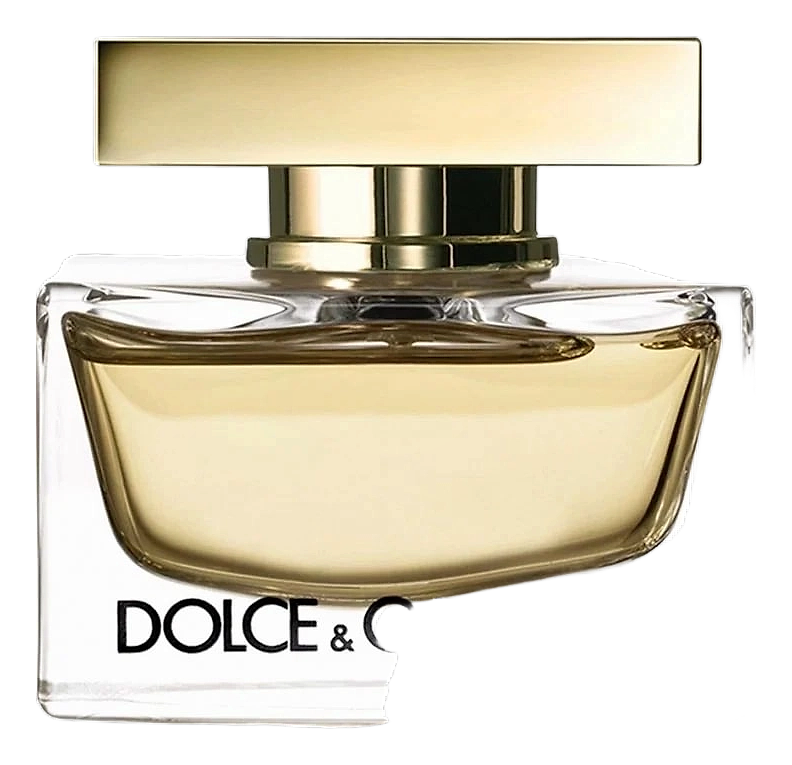
Fragrances featuring Cardamom
Brands
Brands known for Cardamom
Good to know
Questions, answered
The essentials on Cardamom in perfumery: how it smells, where it comes from, and how it behaves on skin.
What does cardamom smell like in perfume?
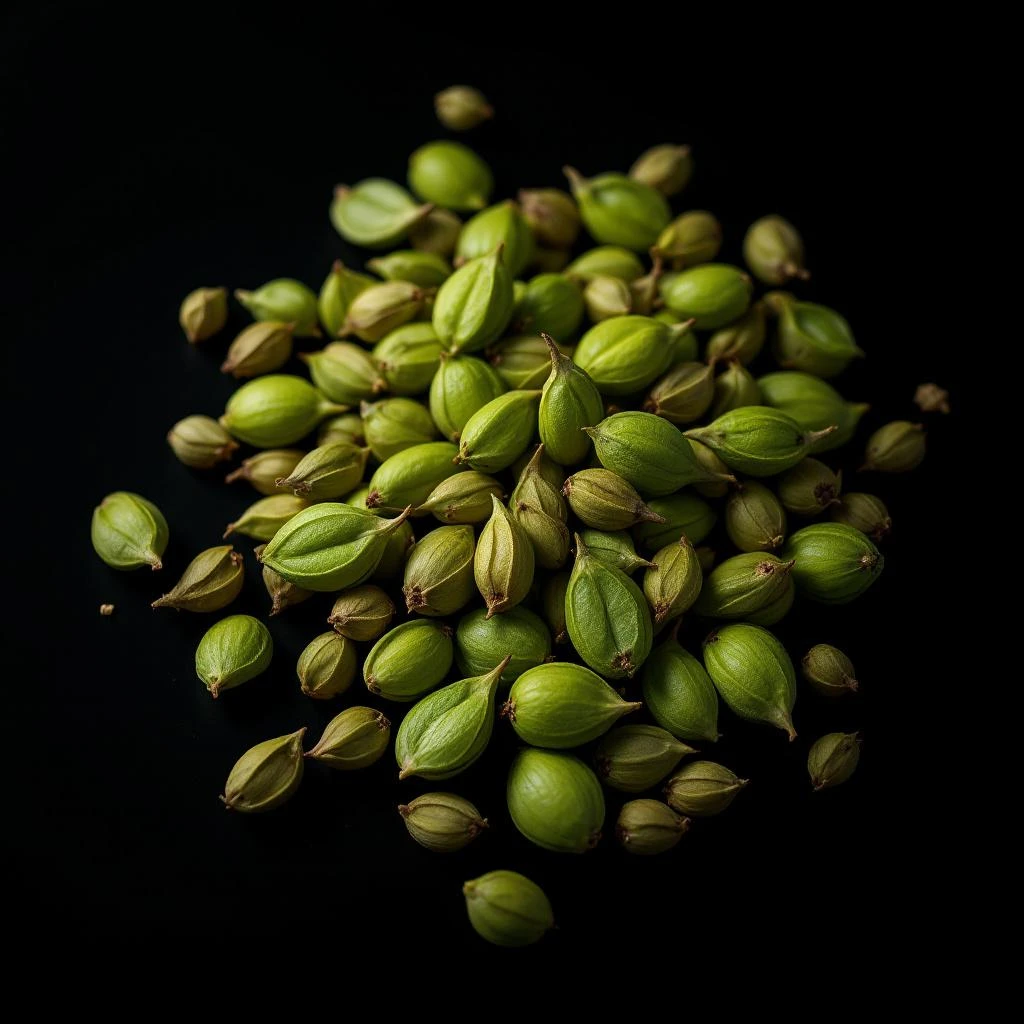
Cardamom smells green, spicy, and slightly cooling, with notes of eucalyptus, lemon peel, and warm camphor. Its dominant compound, 1,8-cineole, gives it a bright lift that distinguishes it from heavier spices like clove or cinnamon.
Is cardamom a top, middle, or base note?
Cardamom functions as a top-to-middle note in most compositions. Its volatile oils evaporate relatively quickly, typically lasting 1 to 3 hours on skin before fading into warmer base ingredients.
Where does cardamom come from?
True green cardamom originates in the Western Ghats of southern India, particularly the Idukki and Kerala regions. Guatemala is now the world's largest producer, though Indian varieties remain the standard for fine perfumery.
When was cardamom oil first distilled?
German botanist Valerius Cordus first documented cardamom oil distillation in 1540. His techniques laid groundwork for later European extraction of volatile spices on a commercial scale.
What is the difference between green and black cardamom?
Green cardamom (Elettaria cardamomum) has a fresh, eucalyptic, slightly sweet profile suited to perfumery. Black cardamom (Amomum subulatum) carries a smoky, camphor-heavy character from traditional drying over open flames and is rarely used in fine fragrance.
Which famous perfumes feature cardamom?
Cardamom appears in many iconic compositions including Yves Saint Laurent Opium, Guerlain Shalimar, and Cartier Déclaration. It serves as a signature spice note in both classic orientals and modern fresh fragrances.
How is cardamom essential oil made?
Producers harvest pods by hand, dry them in shade, then crush the seeds for steam distillation. Pressurized steam ruptures the oil cells, and the resulting vapor condenses into a pale yellow essential oil with a sharp, spicy character.
Is cardamom sustainable to source?
Cardamom cultivation faces pressure from deforestation in Indian and Guatemalan growing regions. However, the plant grows well in agroforestry systems, and certification programs are expanding to support smallholder farmers and protect forest cover.