Nutmeg
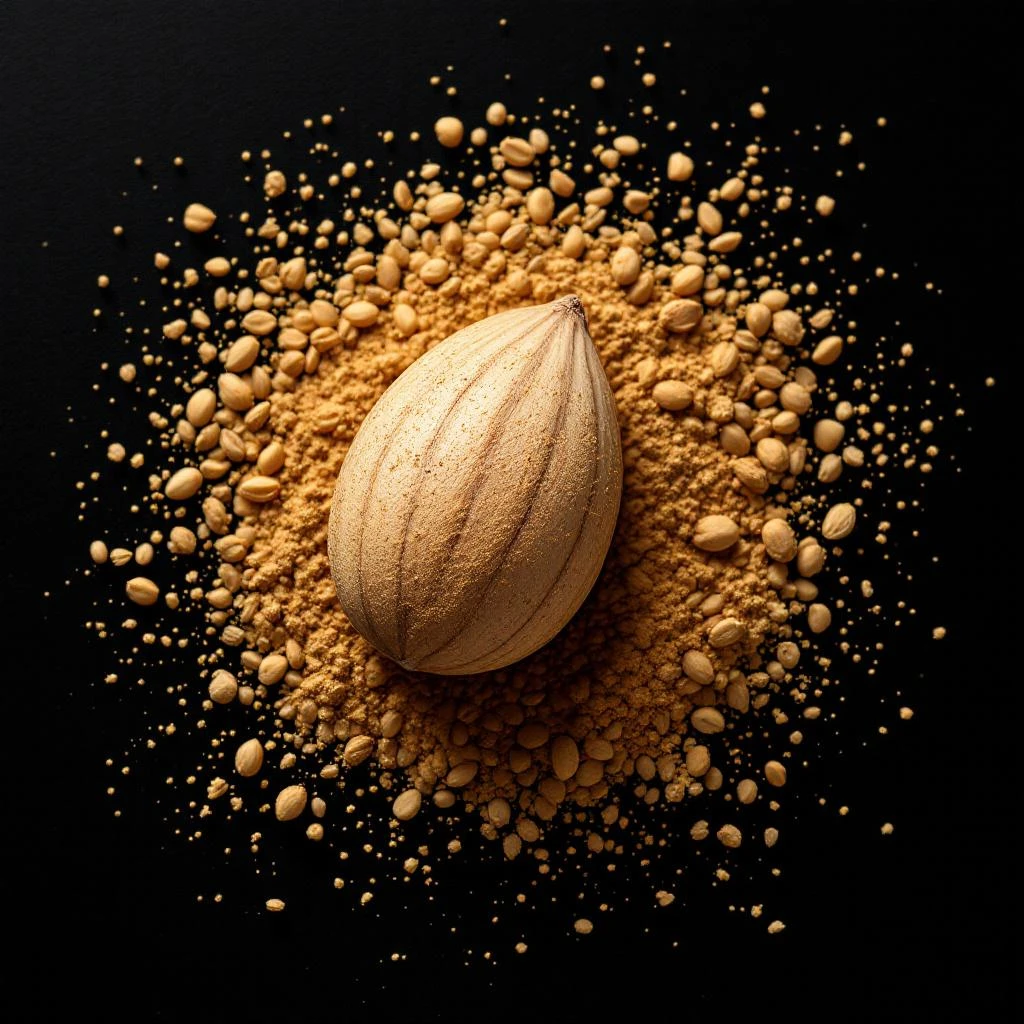
Nutmeg brings a warm, resinous spice to perfumery. Extracted from the seed of the Myristica fragrans tree, it delivers a complex character that sits between sweet and camphorated, adding depth and warmth that anchors orientals, chypres, and amber compositions.
Character
How it smells
A warm spice that anchors and enriches
The same tree that yields nutmeg also produces mace. The Dutch once burned entire nutmeg groves to maintain their monopoly on this once priceless spice.








Origin
Indonesia
Nutmeg originates from the Molucca Islands of Indonesia, historically called the Spice Islands. For centuries, this archipelago held the world's only supply of nutmeg, making the seed more valuable than gold in European markets. The Dutch East India Company controlled the trade through the 17th and 18th centuries, burning stockpiles and enforcing deadly penalties to protect their monopoly.
French colonialist Pierre Poivre famously stole seedlings, smuggling them to Mauritius and later Grenada, breaking Dutch dominance. Ancient Arab and Indian physicians used nutmeg in medicinal preparations for digestive complaints and nervous system disorders. The spice arrived in European apothecaries during the Middle Ages, valued as much for perceived healing properties as for its culinary appeal.
Today, Grenada remains a leading global producer alongside Indonesia and Sri Lanka.
Wears it best
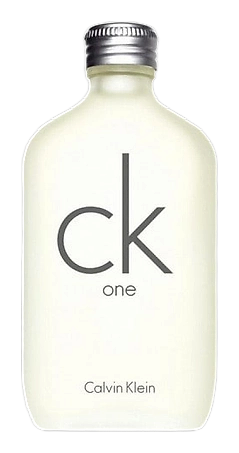
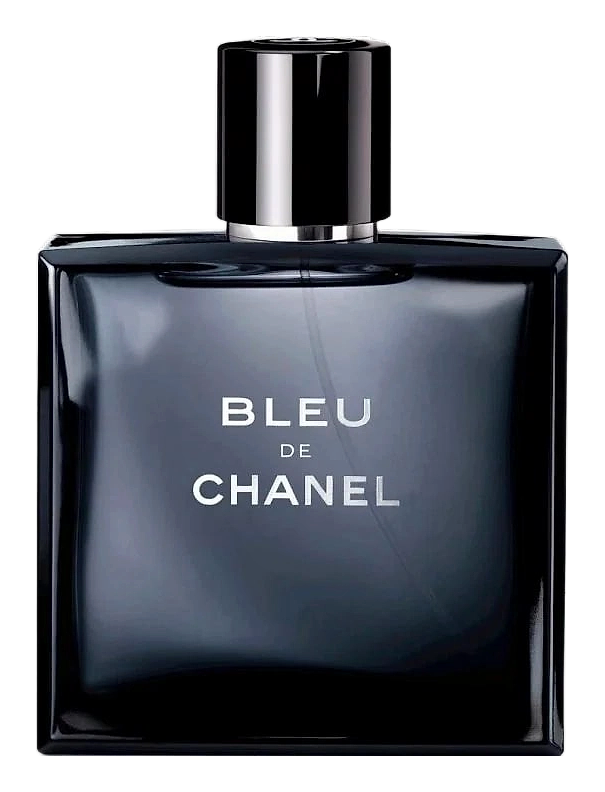
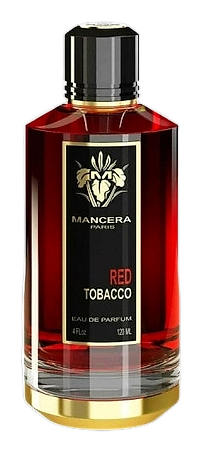
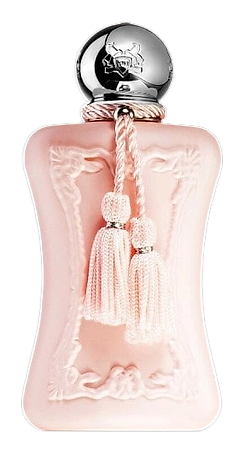
Fragrances featuring Nutmeg
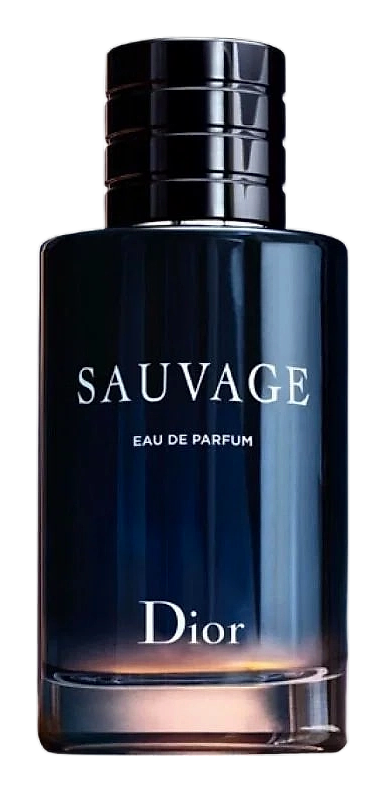
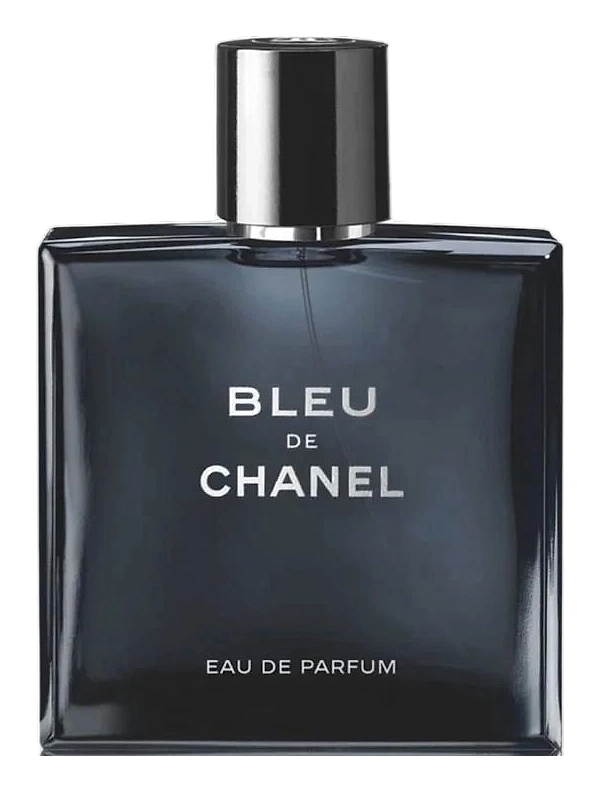

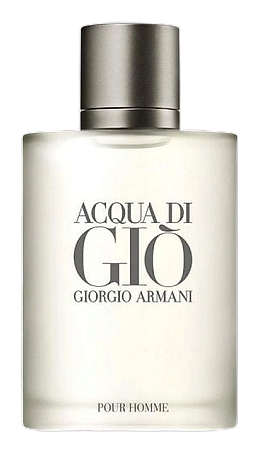
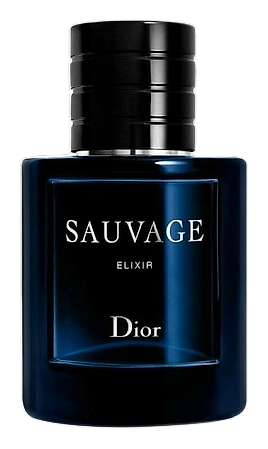

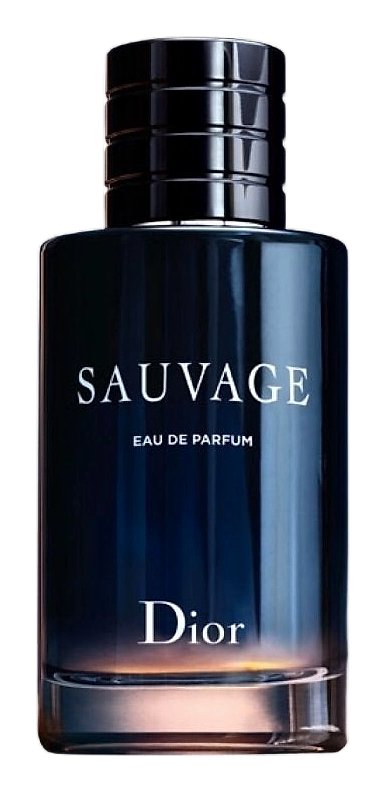
Brands
Brands known for Nutmeg
Good to know
Questions, answered
The essentials on Nutmeg in perfumery: how it smells, where it comes from, and how it behaves on skin.
What does nutmeg smell like in perfume?
Nutmeg carries a warm, slightly sweet spice with camphorated and resinous undertones. It reads as woody-cinnamon in dilution, adding cozy depth rather than sharp heat. Most people recognize its aroma from baking contexts, where it reads warmer and sweeter than in concentrated perfumery applications.
Is nutmeg used in men's or women's fragrances?
Nutmeg functions as a gender-neutral ingredient across fragrance families. It appears frequently in masculineoriental bases and fougeres, while also enriching feminine aldehydic and chypre compositions. The spice reads as warm and enveloping regardless of the gender positioning of the final fragrance.
What fragrance families pair well with nutmeg?
Nutmeg pairs naturally with oriental, chypre, and amber families. In spice-forward compositions, it combines with cinnamon, clove, and cardamom. It also adds warmth to woody bases built around sandalwood, cedar, and vetiver, and contributes complexity to floral oriental constructions.
Is nutmeg oil natural or synthetic?
Nutmeg oil used in perfumery is typically natural, steam-distilled from the dried seed of Myristica fragrans. Synthetic alternatives exist as isolated compounds like sabinene or alpha-pinene, but natural nutmeg oil remains widely available and preferred for its full aromatic profile. Both natural and nature-identical versions appear in commercial perfumery.
What part of the nutmeg plant is used in perfumery?
The seed kernel of the Myristica fragrans tree serves as the perfumery material. After the fruit is harvested, the outer flesh is removed, and the seed inside is dried. The spice we call nutmeg is the inner seed itself. A secondary product, mace, comes from the lacy red aril that surrounds the seed inside its shell.
Does nutmeg have any safety concerns in perfumery?
Nutmeg oil contains myristicin, which acts as a mild skin sensitizer at high concentrations. IFRA guidelines restrict its usage level in leave-on skin products. Professional perfumers use it at appropriate dilutions, and it remains safe in finished fragrances when guidelines are followed. The oil is not considered phototoxic when properly distilled.
What compound gives nutmeg its characteristic aroma?
Sabinene typically dominates nutmeg's aromatic profile, often comprising 15-50% of the essential oil depending on origin. Alpha-pinene and beta-pinene contribute fresh, conifer-like top notes, while myristicin adds warmth and slight spice. The balance of these compounds varies by geographic origin, creating distinct nutmeg profiles from Indonesia versus Grenada.
Why was nutmeg historically so expensive?
For over two centuries, the Molucca Islands held a global monopoly on nutmeg production. The Dutch controlled all access, burning excess stock to prevent price collapse and even executing smugglers. Nutmeg fetched prices equivalent to several hundred dollars per pound in today's currency, making it a driving factor behind Dutch colonial expansion in Southeast Asia.