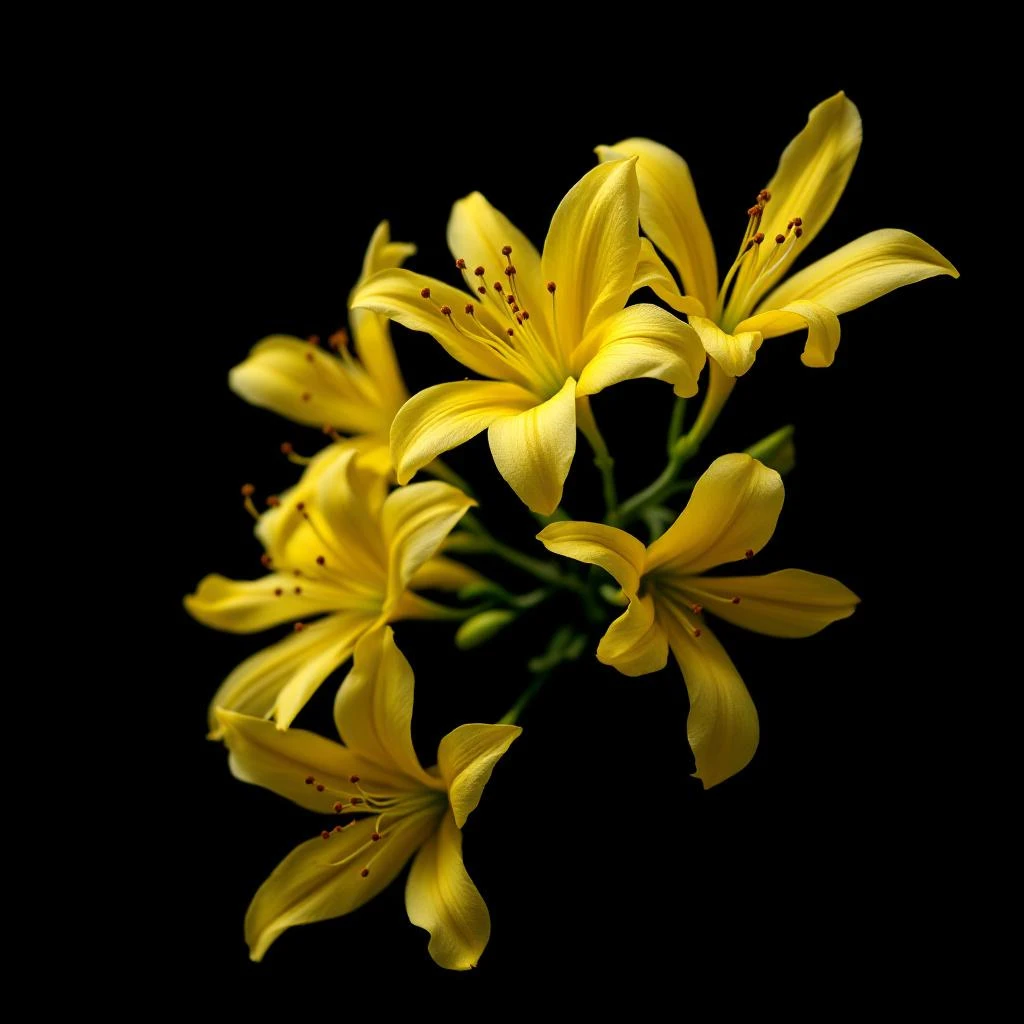
Lavender
Lavender brings a clean, herbaceous sweetness to perfumery, balancing floral calm with a faintly medicinal edge. It anchors fougères, livens up cologners, and soothes orientals.

Character
How it smells
Cool herb, quiet power.
Lavender is one of the few perfume ingredients that smells distinctly clean on its own, which is why it has been used to scent soap for over a century.








Origin
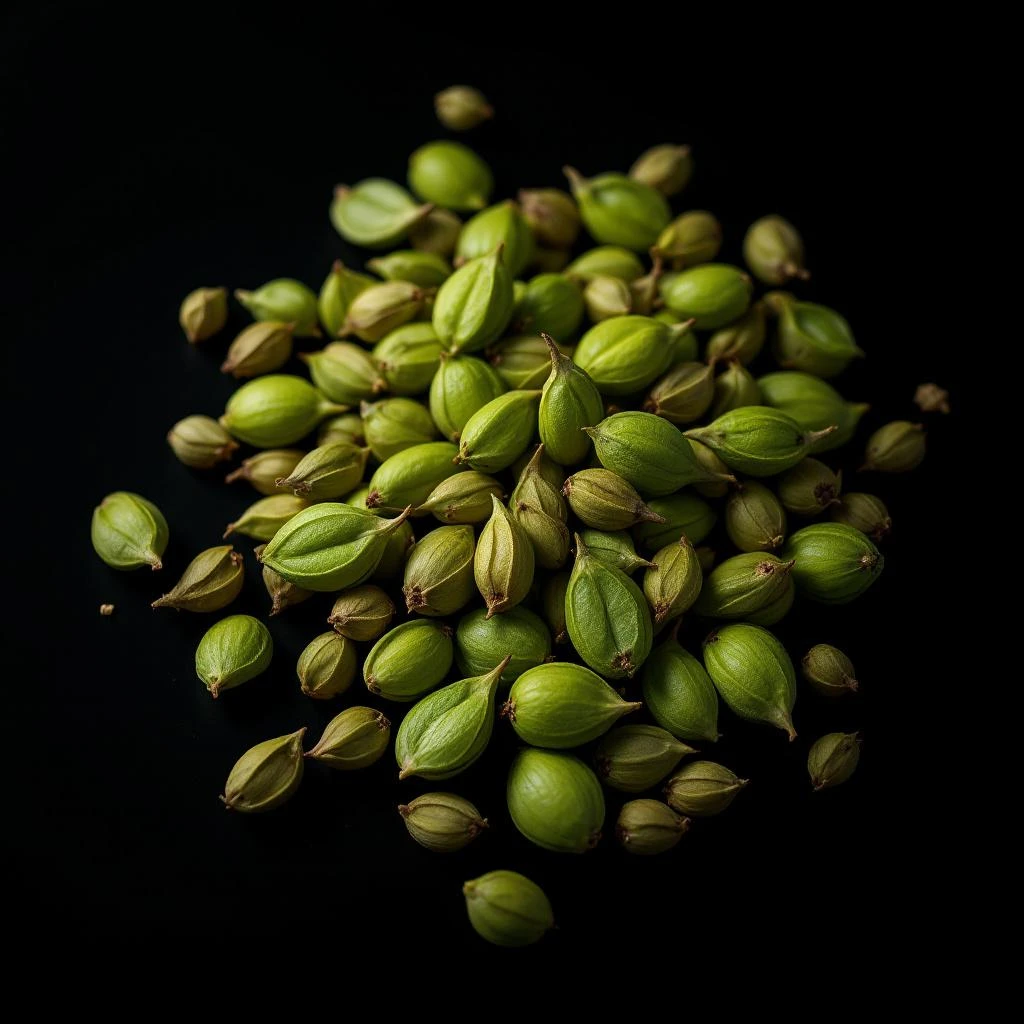
India
Lavender's fragrant story begins around 2,500 years ago. The ancient Egyptians used it in perfumery and embalming, while the Romans carried it across Europe to scent baths, a practice that gave the plant its Latin-derived name.
By the Middle Ages, monasteries cultivated lavender in medicinal gardens, and physicians at the University of Montpellier studied its properties as early as the 16th century. During the 18th century, lavender farming anchored the economy of southern France, and the town of Grasse built its perfume trade on this abundant crop, distilling local lavenders alongside roses and jasmine.
Lavender entered European perfumery as both a standalone scent and a foundational element in fougère compositions. It also became a staple of toilet waters designed to mask the heavy smell of medicated ointments, a practical origin that shaped its enduring association with cleanliness.
Wears it best
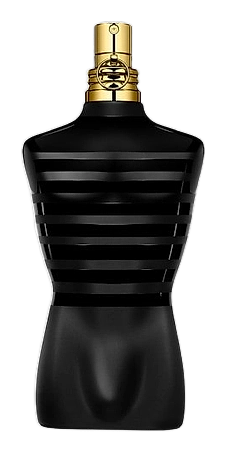
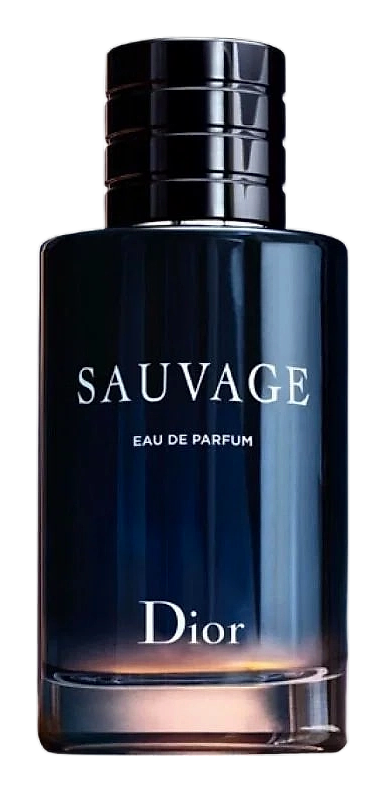
Fragrances featuring Lavender


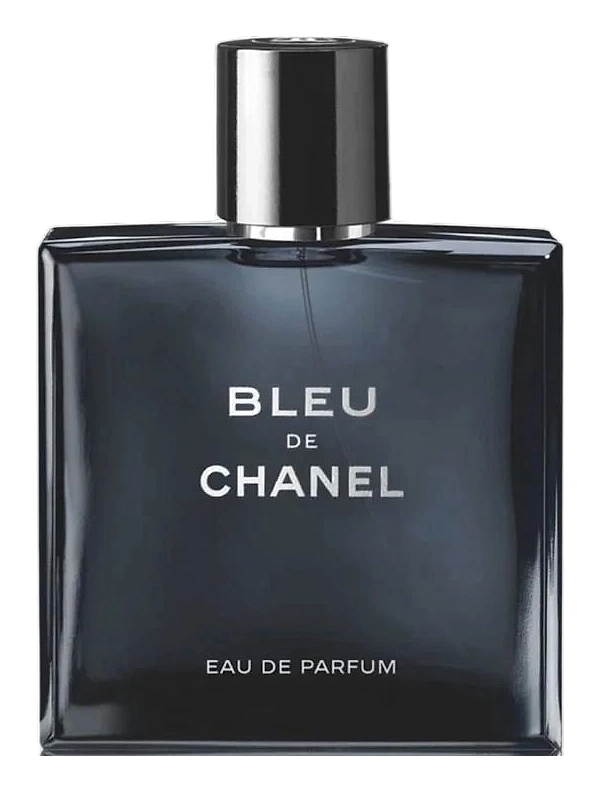

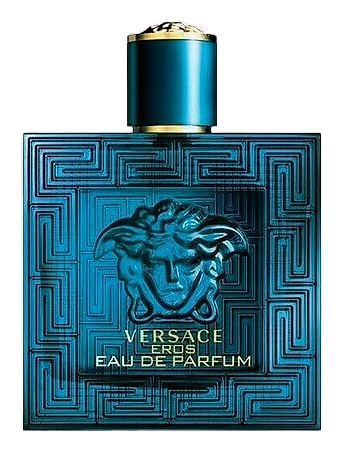
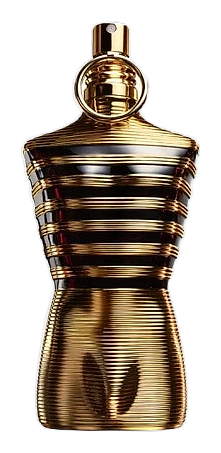
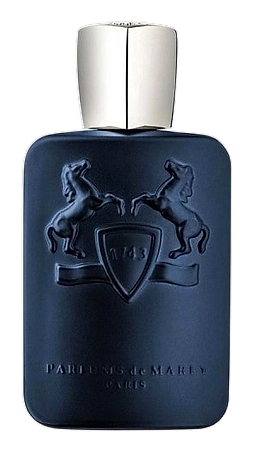
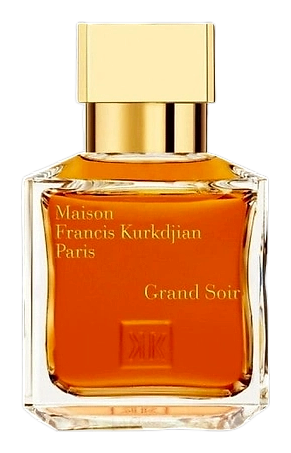
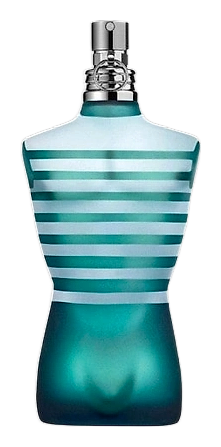
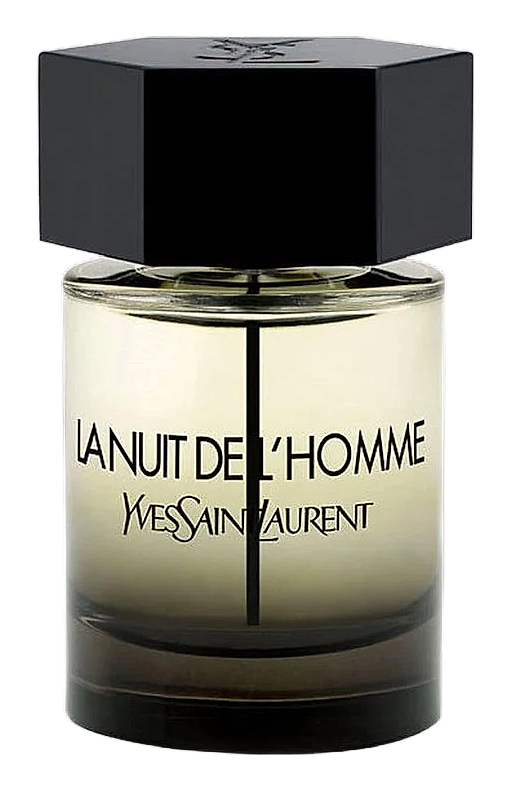
Brands
Brands known for Lavender
Good to know
Questions, answered
The essentials on Lavender in perfumery: how it smells, where it comes from, and how it behaves on skin.
What does lavender smell like in perfume?
Lavender smells cool, herbaceous, and slightly floral with a clean, almost medicinal undertone. In fragrance compositions, it acts as a bridge between fresh citrus top notes and warmer base notes like musk or amber.
Is lavender a top, middle, or base note?
Lavender typically functions as a middle note, anchoring the heart of a fragrance with its herbaceous-floral character. Its moderate volatility allows it to outlast citrus but yield to resinous and woody base notes.
Where does lavender for perfume come from?
Most perfumery-grade lavender originates in Provence, France, particularly around Mont Ventoux and the Drôme region. Bulgaria and Tasmania also produce significant quantities for the fragrance industry.
What is the difference between lavender and lavandin?
True lavender (Lavandula angustifolia) grows wild at high altitude and contains a finer, sweeter oil. Lavandin is a cross between true lavender and spike lavender, yielding more oil per plant but with a sharper, more camphoraceous scent.
When is lavender harvested for perfume?
Lavender is harvested in late June through early August, usually after morning dew has evaporated. The optimal harvest window lasts only two to three weeks, when linalool and linalyl acetate concentrations peak.
Is lavender oil synthetic or natural in modern perfumery?
Both occur. Natural steam-distilled lavender oil remains prized for complexity, while synthetic linalool and linalyl acetate reproduce key facets affordably. Many fragrances blend natural and synthetic forms to balance cost and authenticity.
What fragrance families use lavender most?
Lavender is the signature ingredient of the fougère family, which combines it with oakmoss and coumarin. It also appears frequently in aromatic, herbal, and fresh cologne compositions.
Why is lavender associated with relaxation?
Lavender contains linalool and linalyl acetate, compounds studied for calming effects on the nervous system. This pharmacological action, combined with its clean scent profile, has cemented its association with calm and sleep for over a century.