Iris
The violet cousin that became per fumery's most coveted ingredient. Iris root yields a powdery, ethereal scent prized since antiquity—but only after years of patient cultivation and precise extraction.

Character
How it smells
The violet root that ages into gold.
The iris plant must grow three years before harvest. After drying, the six-year journey from field to concentrate yields just one kilogram of orris absolute from a thousand kilograms of root.








Origin
Italy
Ancient Egyptians first used orris root in cosmetics and perfumes, recognizing its potential thousands of years ago. Archaeological evidence shows they incorporated iris preparations into ceremonial unguents and personal care products throughout the dynastic period.
The ingredient rose to prominence during the Italian Renaissance when Catherine de Medici, queen of France, popularized orris root among French nobility. The court embraced the subtle, powdery scent as a mark of refinement. Italian perfumers had already established cultivation traditions in Tuscany, where climate and soil produced particularly fragrant rhizomes.
French perfumers began systematically extracting iris essence in the nineteenth century, developing the complex distillation processes that transformed the root into usable fragrance materials. This technical advancement opened iris to broader use in perfumery, establishing it as a cornerstone of elegant compositions.
Today, iris cultivation concentrates in Italy's Mugello valley near Florence and in Morocco's Atlas Mountain foothills. The Mugello region maintains the longest continuous tradition, with local farmers passing cultivation knowledge through generations. Iris pallida remains the preferred species, prized for its high irone content and balanced powdery character. Modern perfumers use both natural orris extracts and synthetic reproductions, though genuine orris butter commands prices that reflect its rarity and the years of cultivation it requires.
Wears it best
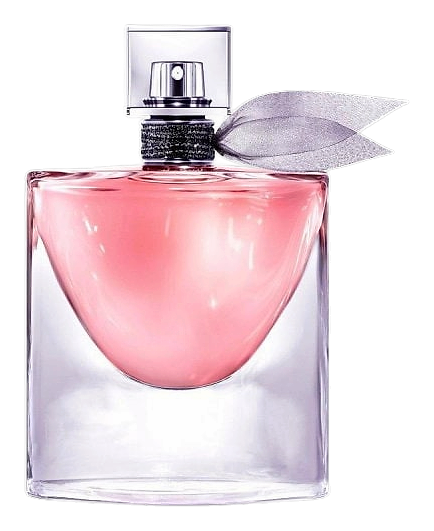
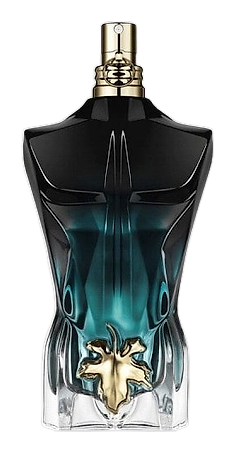
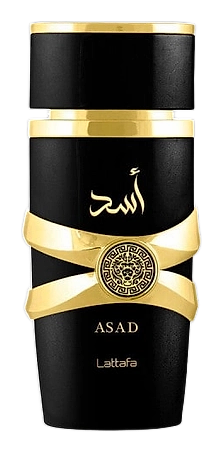
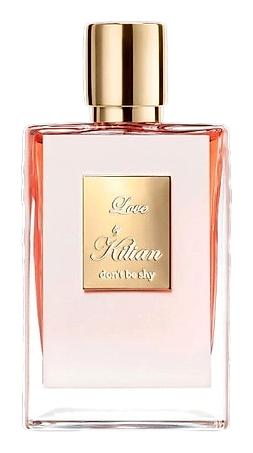
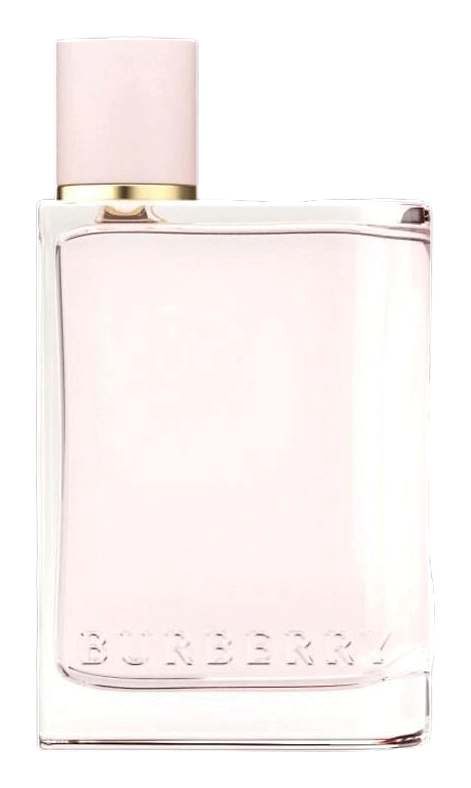
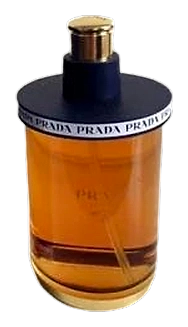
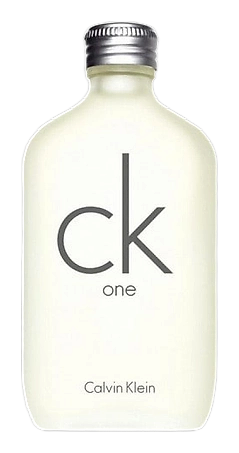
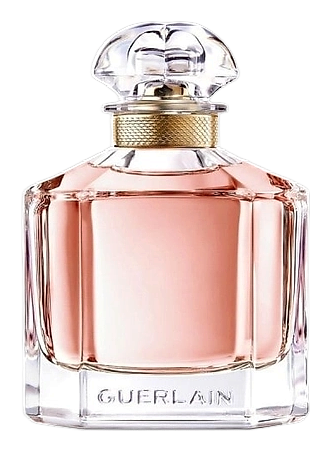
Fragrances featuring Iris


Brands
Brands known for Iris
Good to know
Questions, answered
The essentials on Iris in perfumery: how it smells, where it comes from, and how it behaves on skin.
Why does natural orris cost so much?
Natural orris is expensive because of time. The iris plant needs three years minimum before harvest, then additional months of drying and curing. A single kilogram of orris absolute requires roughly one thousand kilograms of dried roots, making it one of the most labor-intensive ingredients in perfumery.
What does orris smell like?
Orris delivers a powdery, violet-like floral aroma with creamy, slightly woody undertones. It functions as both heart note and fixative, lending compositions a soft elegance and exceptional longevity that has made it a perfumery essential for centuries.
What iris varieties matter in perfumery?
Iris pallida produces the most prized orris butter, followed by Iris florentina and Iris germanica. Each offers subtle variations in powdery intensity and floral character, with Iris pallida commanding the highest prices and rarest positioning.
Where does the best orris come from?
The finest orris originates from the Mugello valley near Florence, Italy, where iris cultivation has thrived since the Renaissance. Morocco also produces excellent quality in the Atlas Mountain foothills. These regions offer the specific soil and climate conditions Iris pallida requires.
What is the difference between orris and iris?
In perfumery, orris specifically denotes the aged root extract. The word iris typically refers to the flower, which smells quite different, presenting green and leafy characteristics rather than the powdery elegance of orris root.
How do perfumers use orris today?
Modern perfumers incorporate orris into powdery florals, woody compositions, and elegant chypres. The ingredient pairs beautifully with violet leaf, rose, sandalwood, and vetiver, adding depth and a luxurious powdery quality that signals craftsmanship.
Is orris always natural?
Natural orris remains extremely rare and costly. Many fragrances use synthetic irone or less expensive iris absolute. True orris butter from aged rhizomes appears primarily in high-end and niche compositions where the investment in raw materials reflects the final price.
Does orris have cultural significance beyond perfumery?
Orris root has served as a fixative and fragrance in its own right throughout history. Italian confectioners once used it in desserts, and dried orris root appears in traditional potpourris. The ingredient also symbolized Florentine identity and was associated with Medici court culture.