Tonka Bean
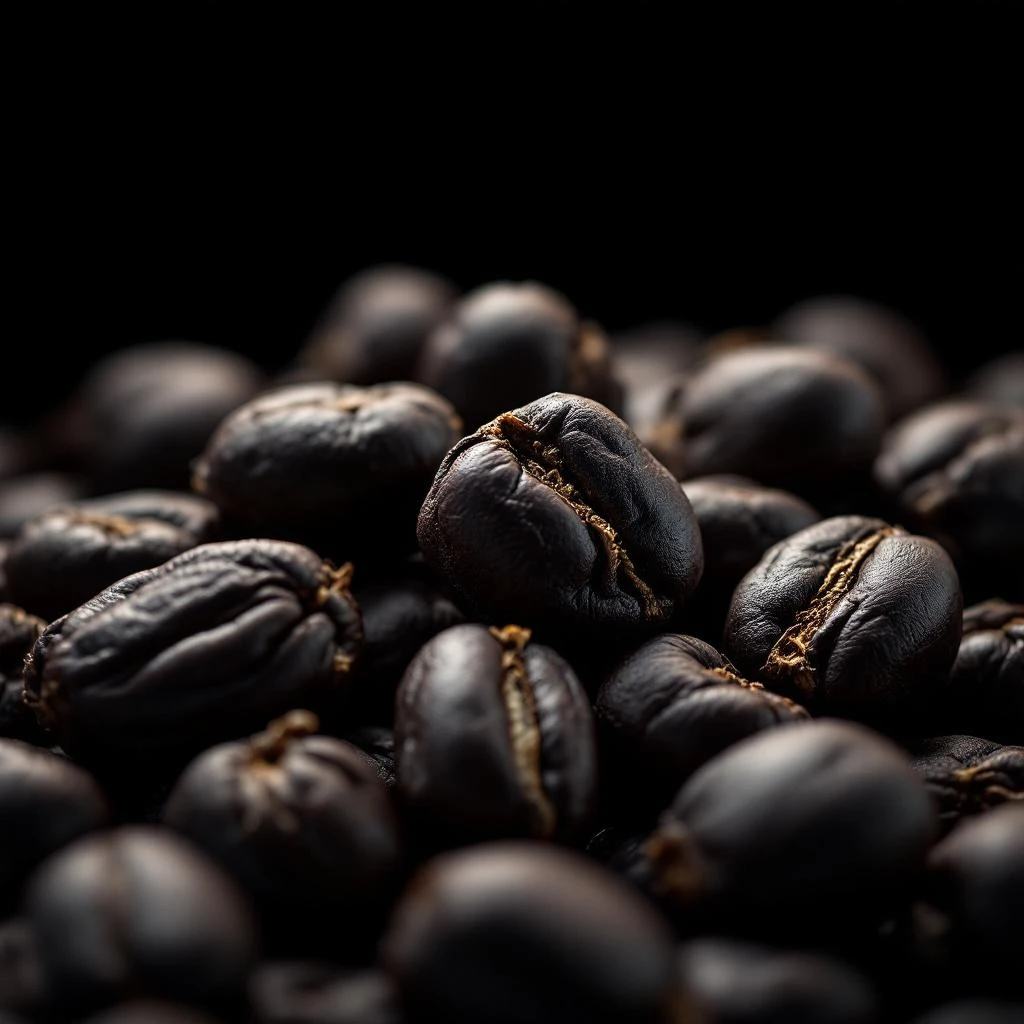
These wrinkled, jet-black seeds pack an intoxicating aroma of warm vanilla, sweet almond, and toasted tobacco. Tonka beans have perfumed wardrobes and cocktails alike for centuries, and remain one of perfumery's most beloved ingredients.
Character
How it smells
Warm. Sweet. Undeniably addictive.
Before synthetic coumarin existed, perfumers relied on rum-cured tonka beans to develop their signature warm, vanilla-like scent.









Origin
Venezuela
The Dipteryx odorata tree has grown for millennia in the Amazonian rainforests of Venezuela, Brazil, and Guyana, where indigenous communities first discovered the aromatic seeds. Early settlers noticed that placing cured beans in cupboards repelled insects while infusing fabrics with a warm, sweet scent.
The French perfumery industry adopted tonka beans in the 1820s, importing them through colonial trade routes. By 1868, scientists had isolated and synthesized coumarin, the compound responsible for the beans' characteristic vanilla-like aroma.
This discovery initially threatened natural tonka markets until regulations on synthetics shifted, allowing the real bean to reclaim its place. Today, the ingredient bridges traditional curing methods with modern extraction, carrying centuries of sensory history in each small seed.
Wears it best
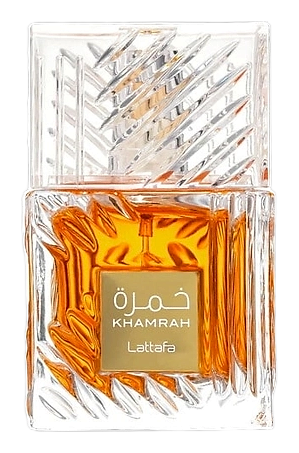
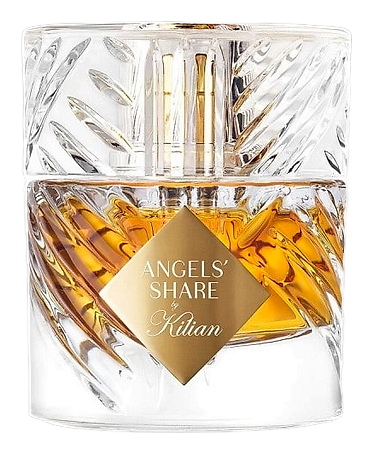
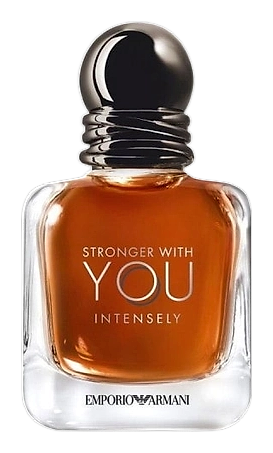
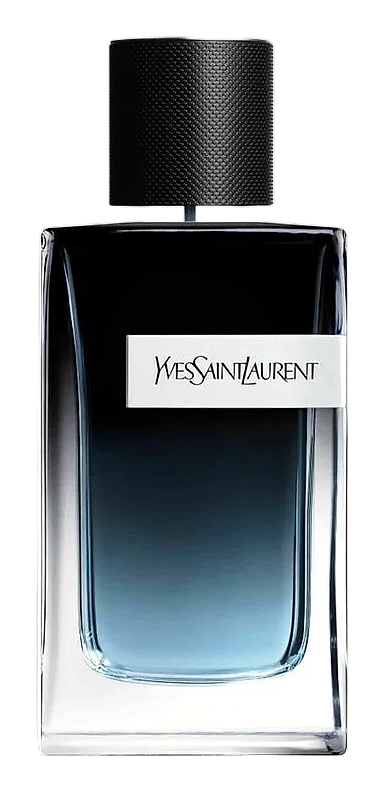
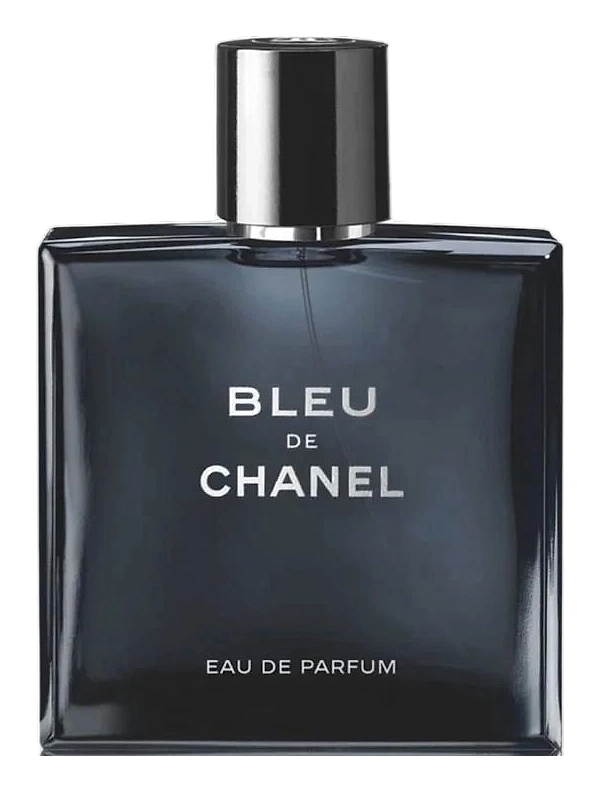
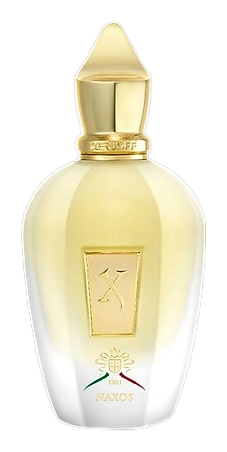
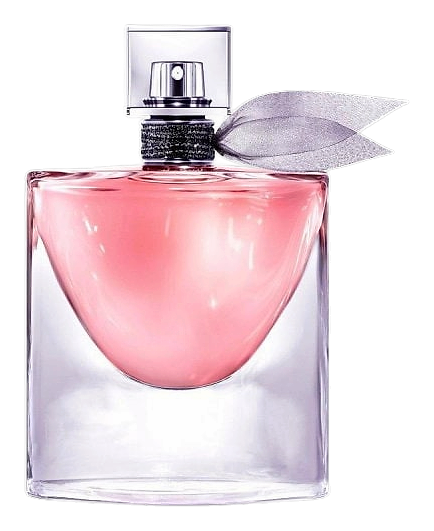
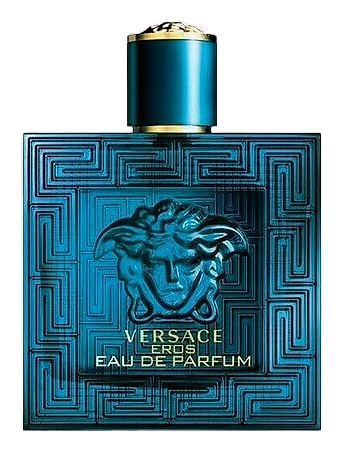
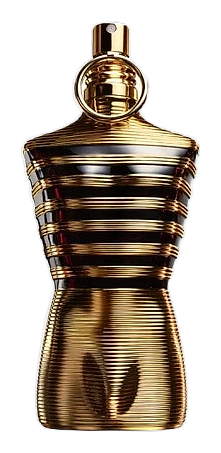
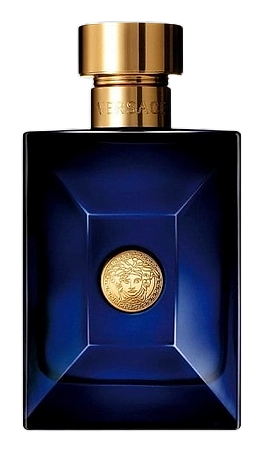
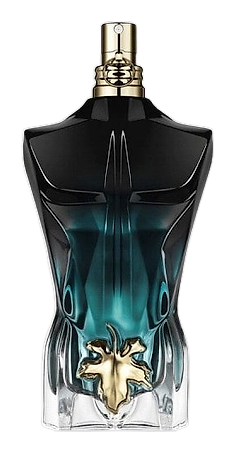
Fragrances featuring Tonka Bean

Brands
Brands known for Tonka Bean
Good to know
Questions, answered
The essentials on Tonka Bean in perfumery: how it smells, where it comes from, and how it behaves on skin.
What does tonka bean smell like?
Tonka bean delivers a warm, sweet aroma combining vanilla, toasted almond, and subtle tobacco notes. Coumarin, the primary aromatic compound, creates a characteristic creamy sweetness that resembles freshly cut hay or sweet clover. The overall effect is rich, comforting, and distinctly gourmand.
Why do tonka beans need curing before use?
Curing in rum or aguardiente accelerates the natural fermentation process, developing coumarin crystals on the bean surface. This traditional step enhances the aromatic intensity and creates the signature sweet warmth perfumers seek. Uncured beans lack the same depth and complexity.
Is coumarin safe in perfumes?
Natural coumarin levels in tonka bean extract remain low and comply with IFRA regulations for cosmetic use. Studies confirm safe concentrations in finished fragrances. Regulatory bodies worldwide have established guidelines that ensure consumer safety while preserving the ingredient's olfactory properties.
Which countries produce tonka beans?
Venezuela, Brazil, and Guyana represent the primary growing regions, where Dipteryx odorata trees thrive in tropical rainforest climates. Venezuelan beans from the Orinoco region historically command premium prices for their superior aromatic quality.
What fragrance families feature tonka bean?
Oriental and gourmand fragrances rely most heavily on tonka bean, though it appears across menswear, womenswear, and unisex compositions. The ingredient pairs exceptionally well with vanilla, amber, and spicy accords, adding warmth and sweetness to any blend.
When did perfumers first use tonka bean?
French perfumers began importing and extracting tonka beans in the 1820s, shortly after colonial trade networks expanded into South America. Initial adoption followed traditional uses, where beans were powdered to scent linens and cupboards.
How much coumarin do tonka beans contain?
Natural tonka beans contain approximately 1 to 3 percent coumarin by weight. This concentration varies based on origin, curing method, and harvest timing. The compound crystallizes visibly on properly cured beans.
Does synthetic coumarin replace natural tonka bean?
Synthetic coumarin replicates only one aspect of the ingredient's aroma. Natural tonka bean absolute contains hundreds of aromatic molecules that create complexity no synthesis has fully captured. Most niche and luxury perfumers specifically use natural tonka for its full-bodied warmth.