Benzoin
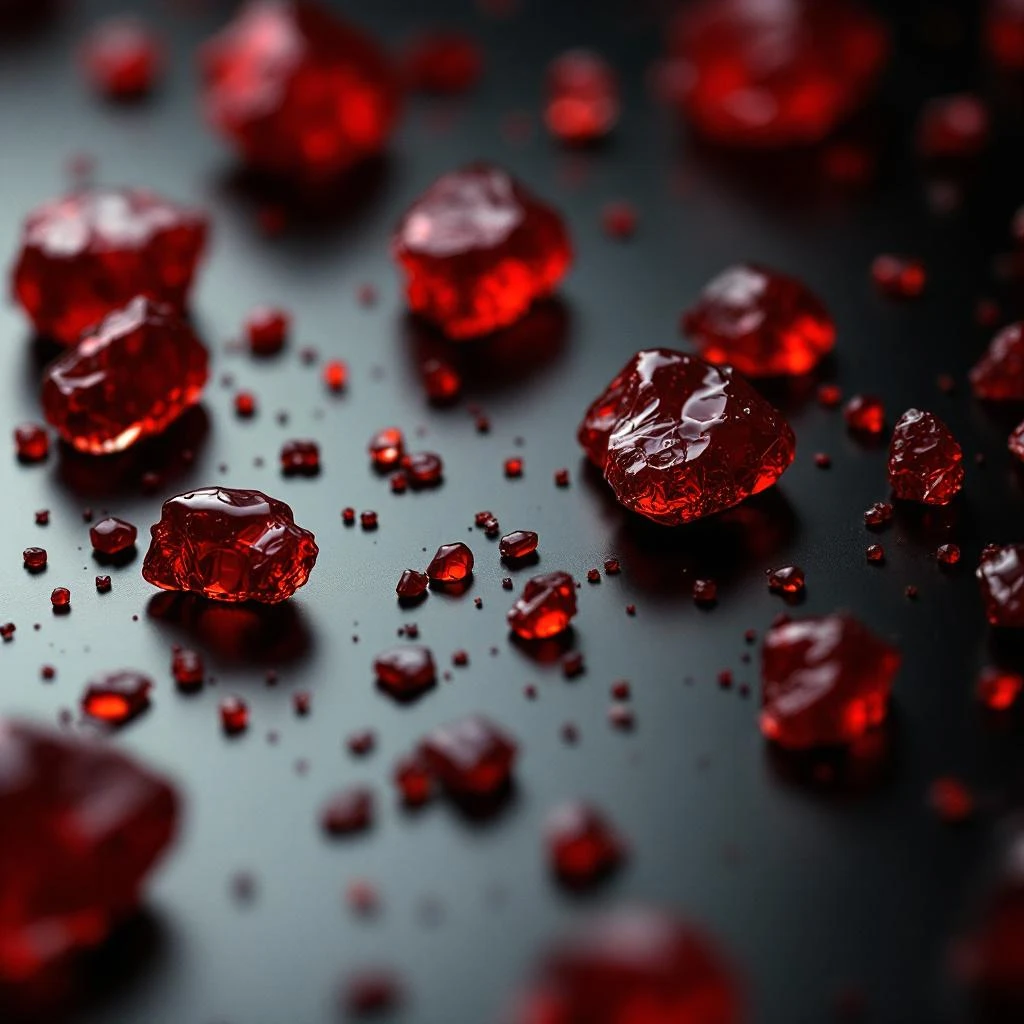
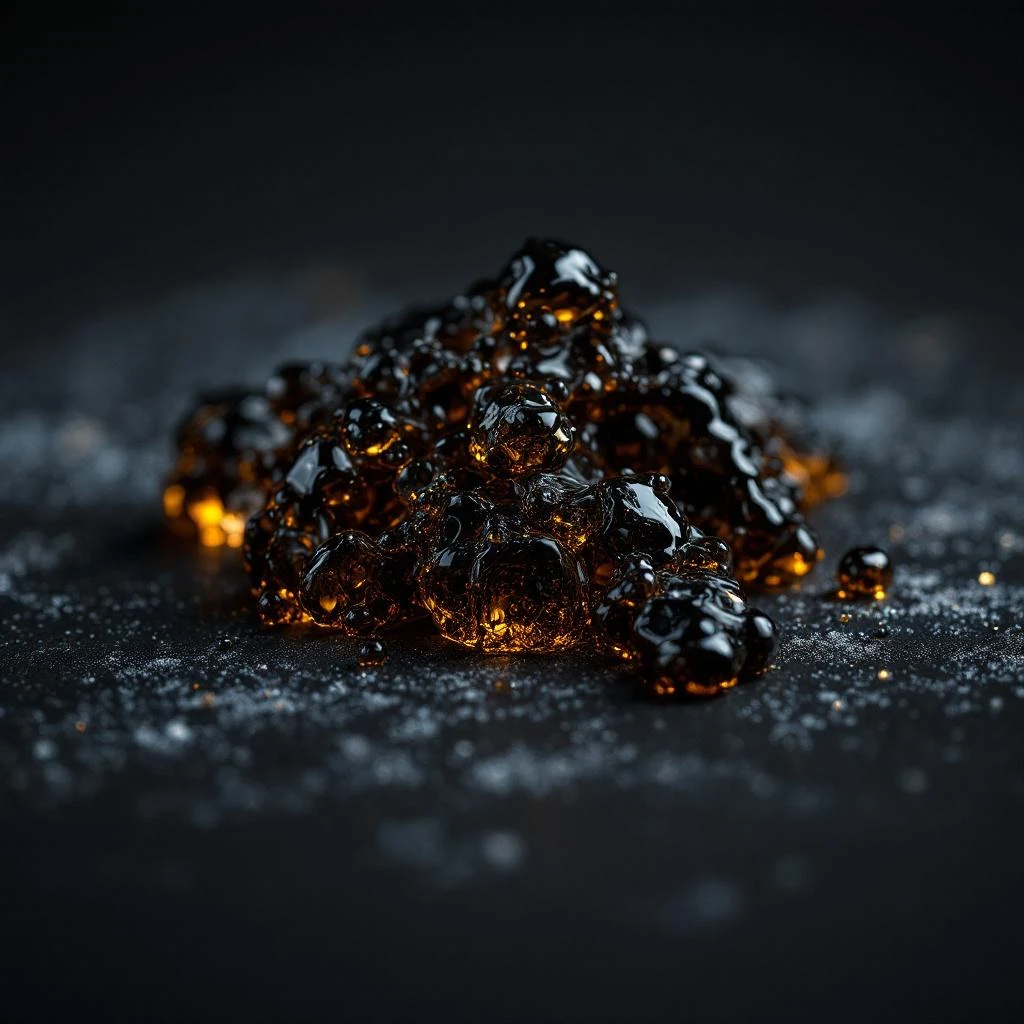
A warm, honeyed resin with a vanilla heart. Benzoin coats the skin in sweet balsamic comfort, lending depth to orientals and grounding fougères since antiquity.
Character
How it smells
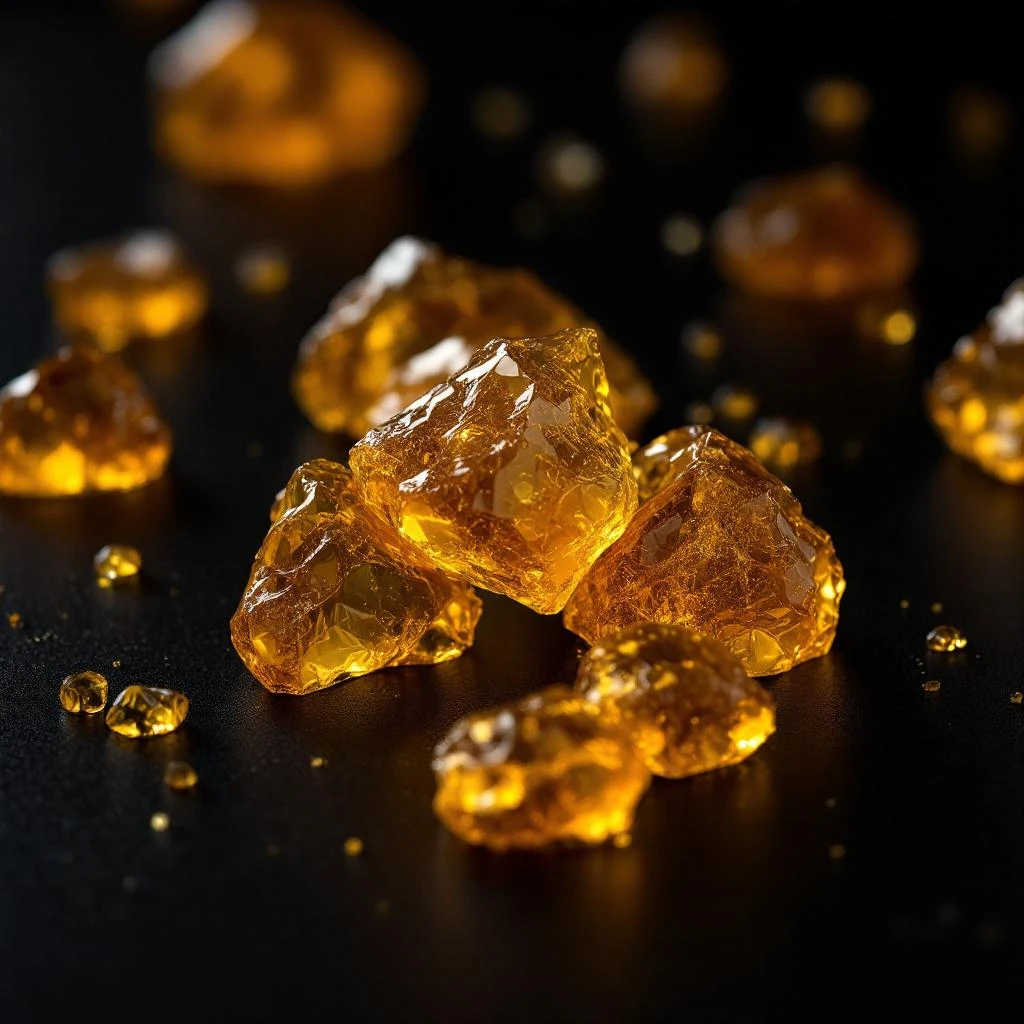
Resinous warmth: the vanilla tears of Laos
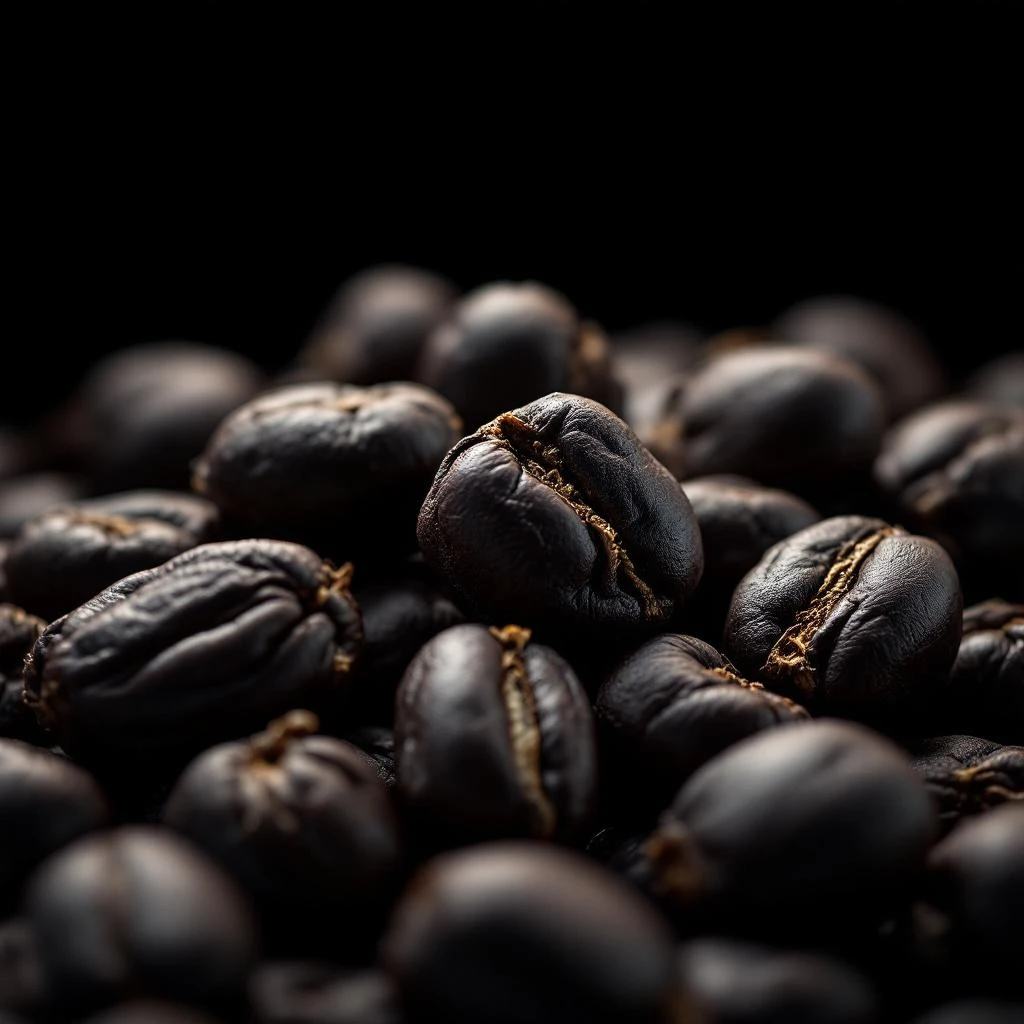
Benzoin harvesters often tap the same trees for up to 60 years, passing the knowledge down through generations in the highland forests of Laos.







Origin
Laos
Chinese records from the 7th century BCE reference benzoin as An-si-xiang, one of the earliest aromatic imports from the southern regions. Ancient Egyptians burned benzoin tears as incense and incorporated the resin into ceremonial preparations. By the medieval period, Arab traders carried benzoin along established routes to European markets, where it became prized in both perfumery and traditional medicine.
Laotian production developed over centuries in the highland forests. The land of a million elephants, as Laos was once known, produces what many consider the finest quality benzoin in the world. The material appears in Victorian-era fragrance formulas and remains a cornerstone of oriental composition today.
This ancient ingredient has connected cultures across millennia, from temple rituals to modern perfumery.
Wears it best
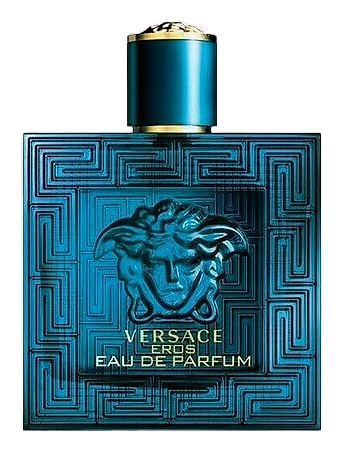
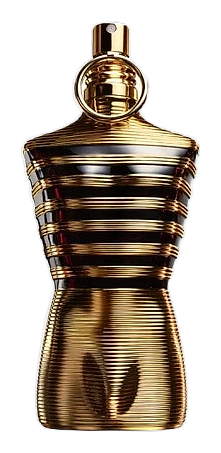
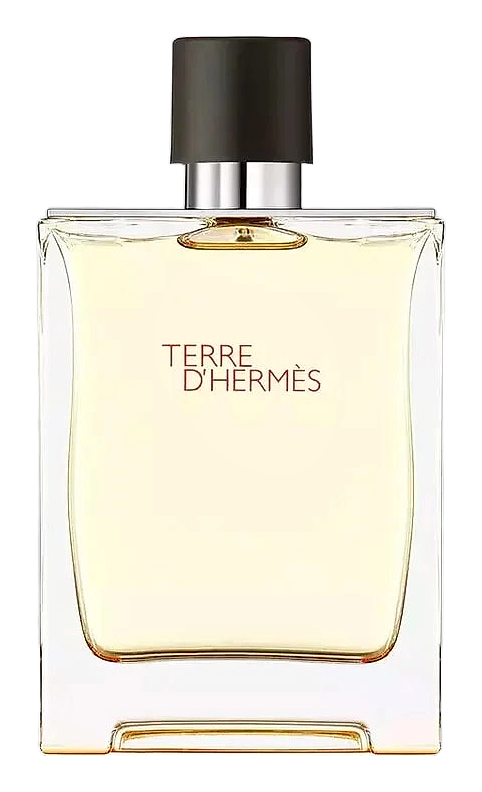
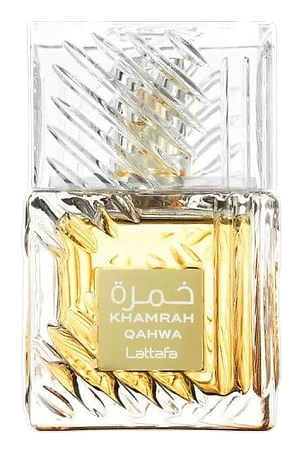
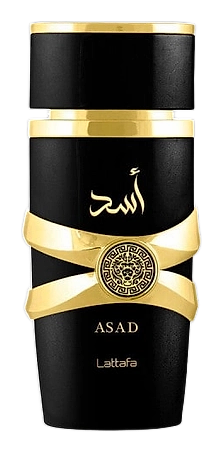
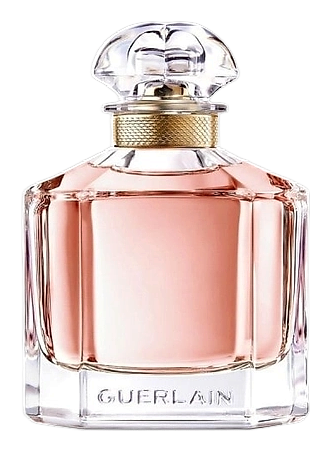
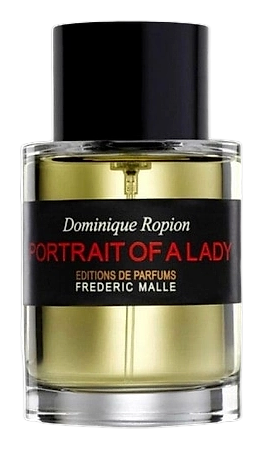
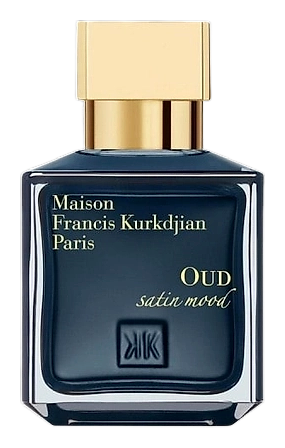
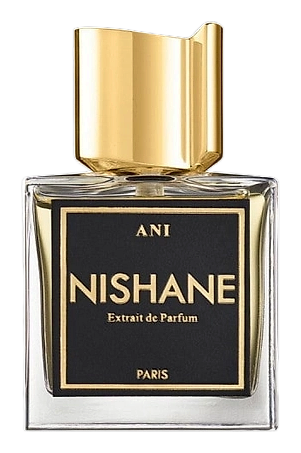
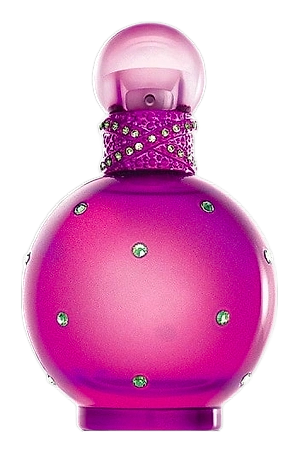
Fragrances featuring Benzoin
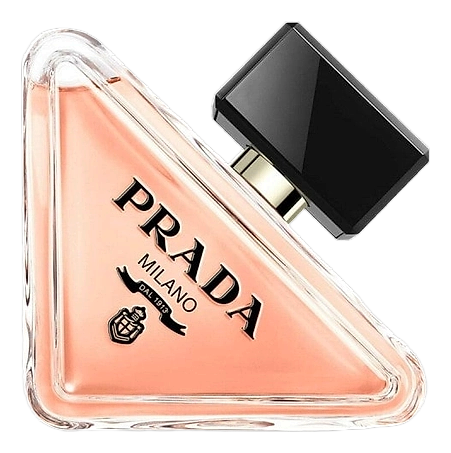
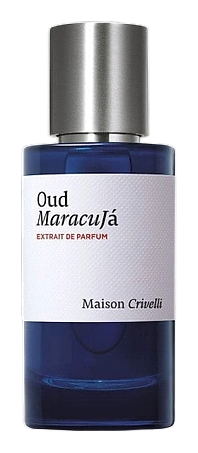
Brands
Brands known for Benzoin
Good to know
Questions, answered
The essentials on Benzoin in perfumery: how it smells, where it comes from, and how it behaves on skin.
What does benzoin smell like?
Benzoin has a warm, vanilla-like sweetness with rich balsamic depth. Its profile combines honeyed warmth, subtle marzipan notes, and a creamy resinous character that creates an immediately comforting sensation on the skin.
Where does benzoin come from?
Laos produces approximately 80% of the world's benzoin supply. The resin comes from Styrax tonkinensis trees growing in northern Laos, where families have practiced traditional tapping methods for generations.
How is benzoin resin harvested?
Harvesters wound the bark of Styrax trees to trigger a natural protective response. The traumatic resin ducts secrete benzoin tears, which are collected weeks later and graded by hand based on purity and color.
What makes benzoin special in perfumery?
Benzoin adds warmth, depth, and a sweet vanilla character that few ingredients match. Perfumers use it as a base note that extends the longevity of top and heart notes while anchoring entire compositions.
Is benzoin related to vanilla or benzoic acid?
Despite its vanilla-like scent, benzoin does not contain vanillin. The characteristic aroma comes from coniferyl benzoate. Benzoic acid, while historically derived from benzoin, is now produced synthetically.
How long do benzoin trees produce resin?
A single benzoin tree can be harvested for decades. Experienced tappers in Laos maintain the same trees across generations, sometimes working the same specimen for up to 60 years.
Can benzoin be used directly from the tree?
Raw benzoin tears require processing to release their aroma. Solvent extraction yields a pourable absolute for perfumery, while heat application works for incense and ritual use.
What blends well with benzoin?
Benzoin pairs naturally with vanilla, tonka bean, and coumarin-rich materials like lavender and sweet clover. These combinations create cohesive vanilla-balsamic effects in oriental and amber compositions.