Labdanum
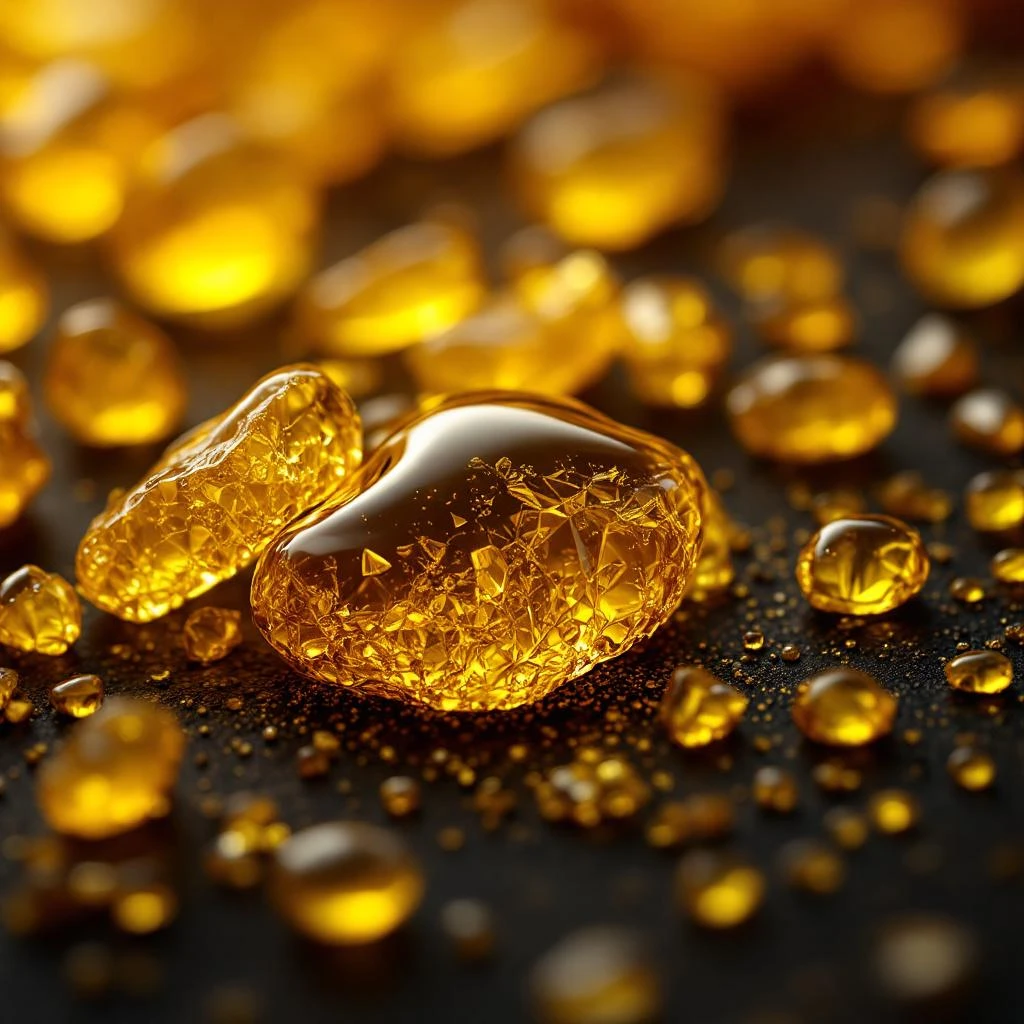
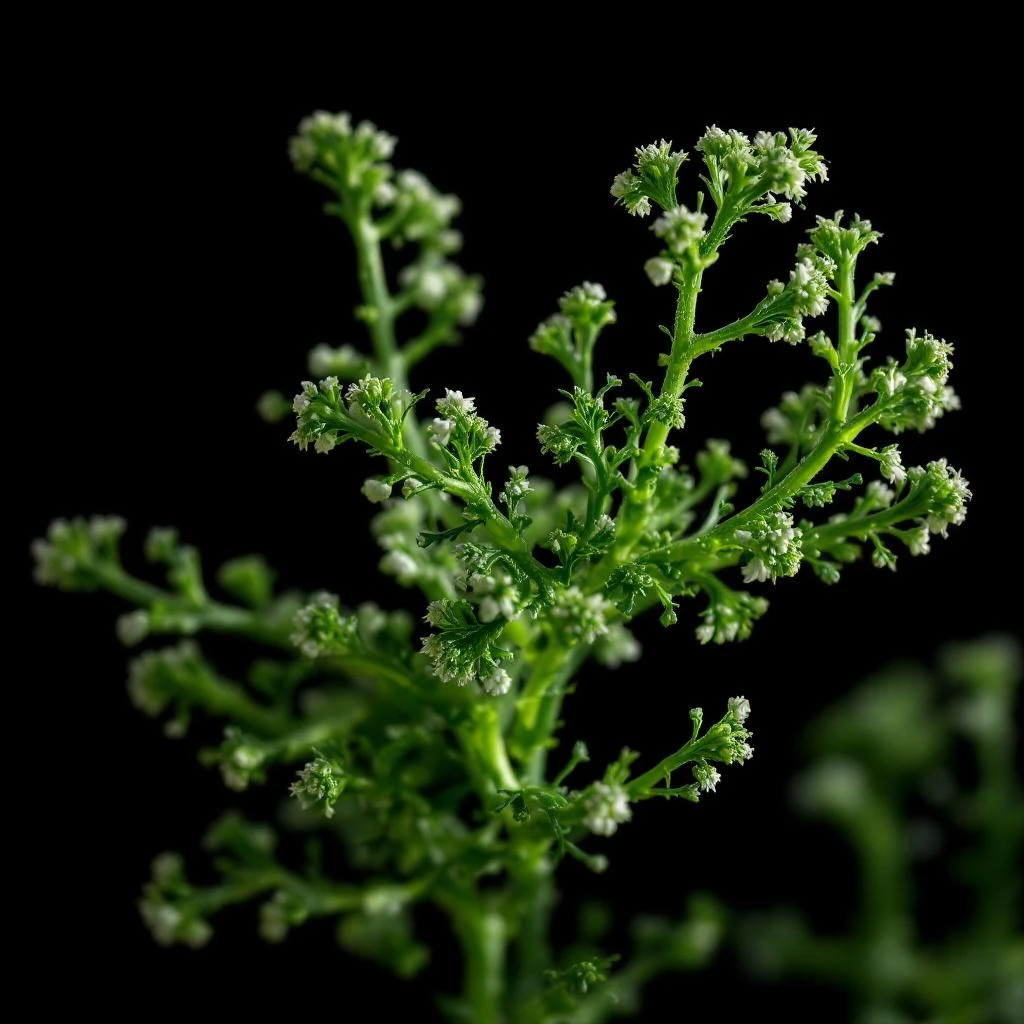
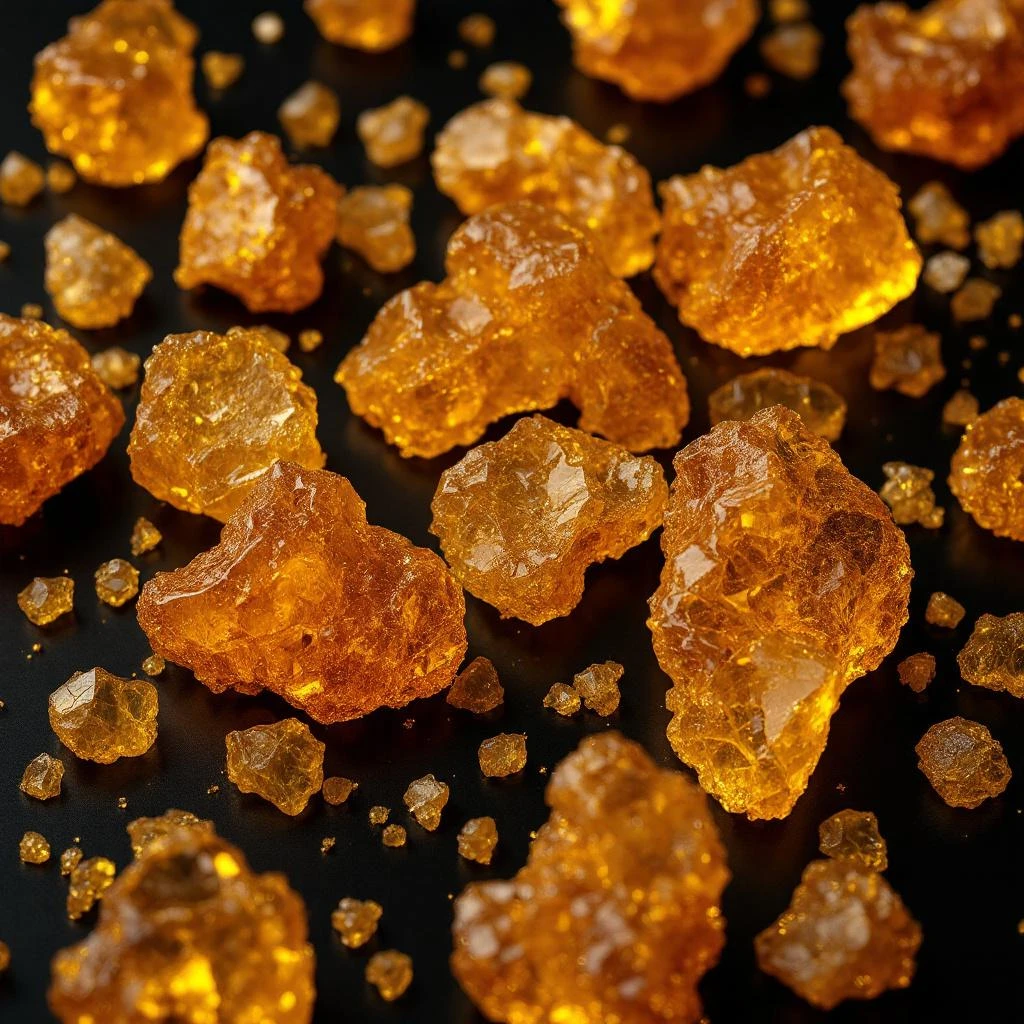
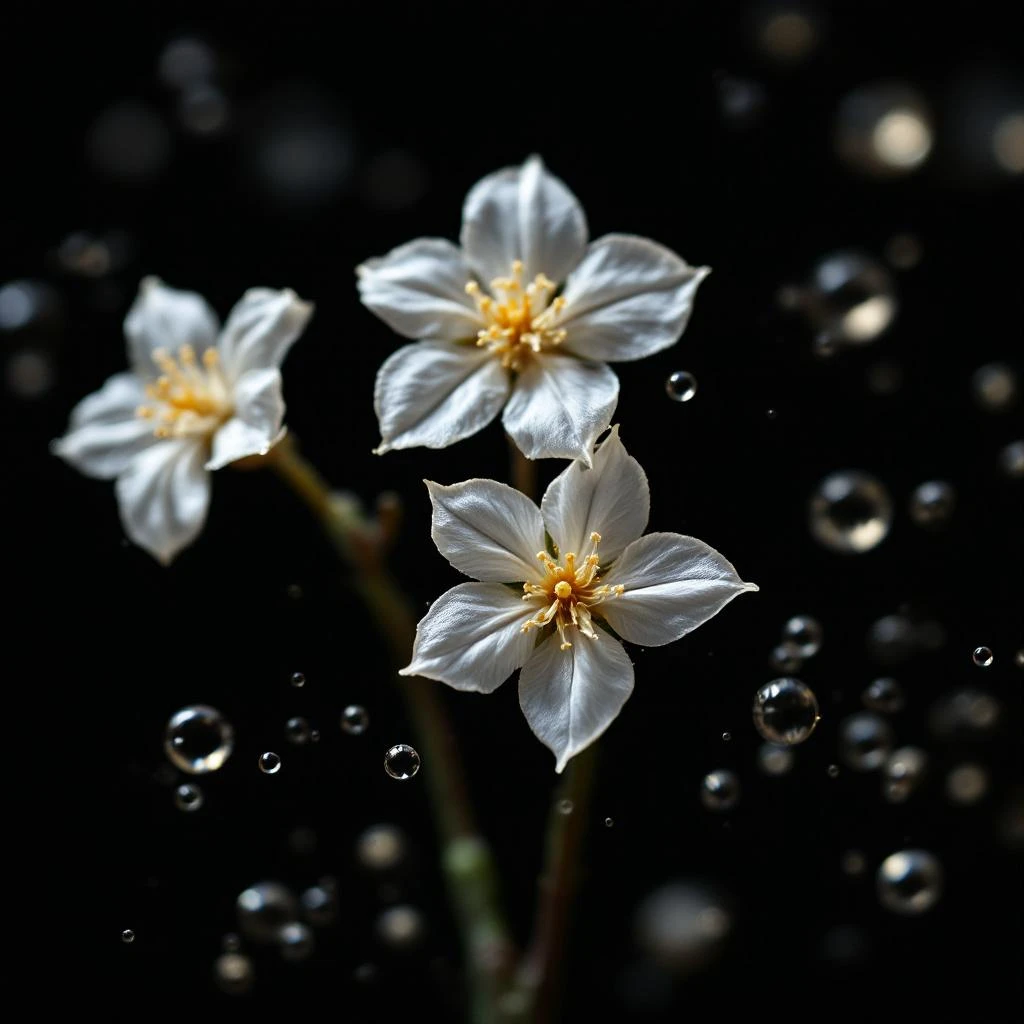
Labdanum is the sticky golden resin of the Mediterranean rockrose, prized for millennia. It brings a warm, leathery, ambery depth to chypre and oriental compositions.
Character
How it smells
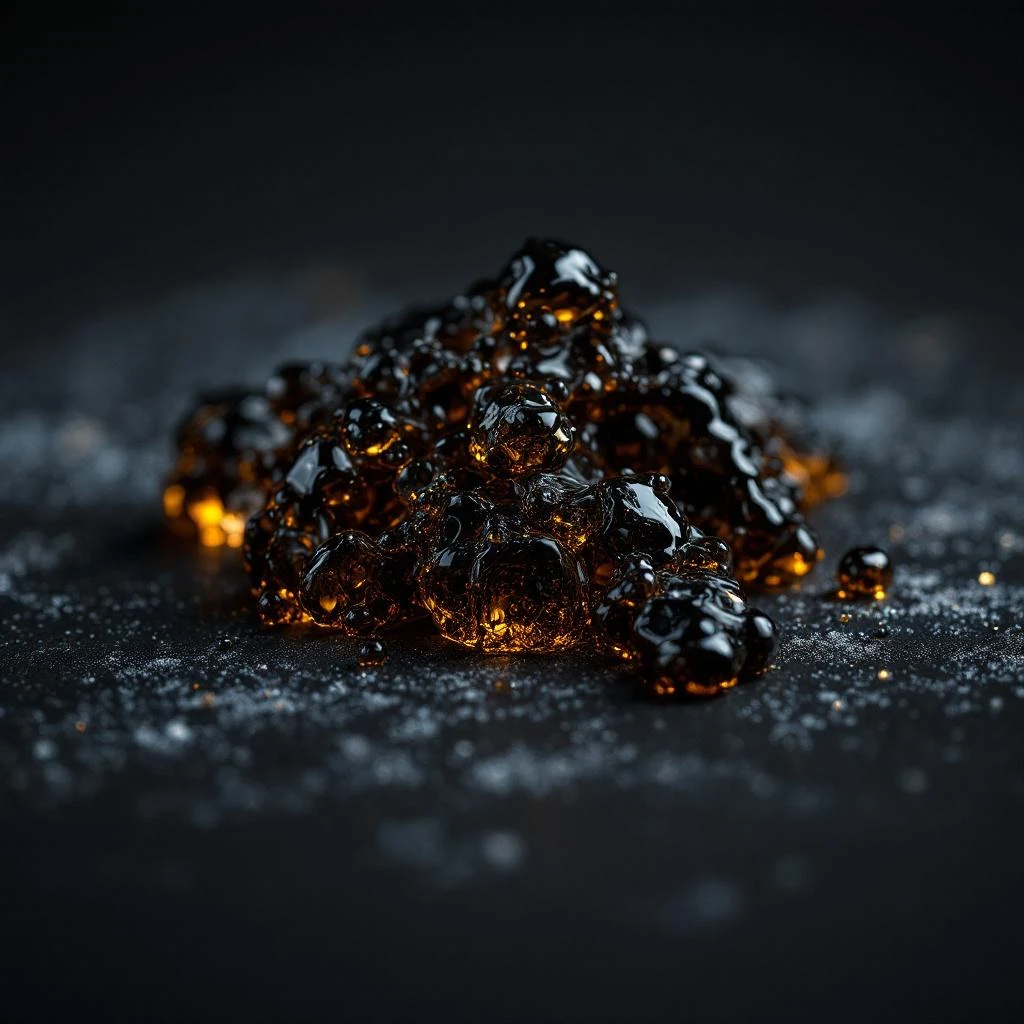
The ancient amber of the Mediterranean scrub
Ancient herders collected labdanum by combing it from the beards and thighs of goats that brushed against rockrose shrubs in the wild hillsides.








Origin
Spain
Labdanum ranks among the oldest perfumery ingredients on record. In ancient Egypt, priests burned it as incense in sacred temples, and embalmers incorporated it into the resins used for mummification.
The Greeks and Romans imported the substance, known to them as ladanum, for medicines and unguents. Medieval Arab physicians preserved its reputation as a healing balm, while Iberian perfumers wove it into the early formulas that would later shape European fragrance.
The resin's modern signature moment came in 1917, when François Coty built his groundbreaking Chypre accord around labdanum, bergamot, oakmoss, and patchouli, establishing the warm, ambery base that still anchors countless perfumes. From pharaonic temples to the founding of modern perfumery, labdanum has quietly held its place as a cornerstone aromatic.
Wears it best
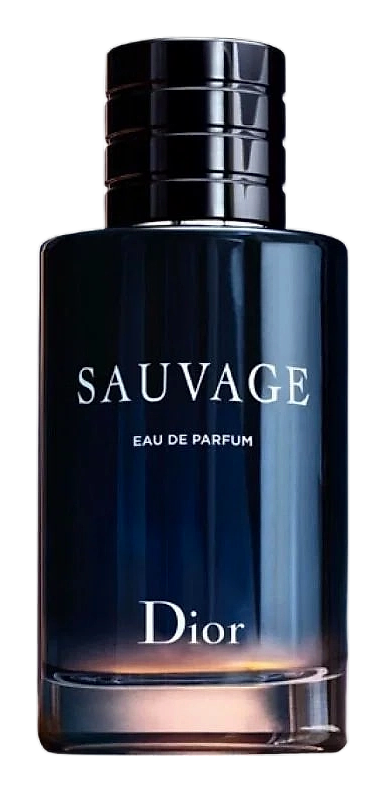
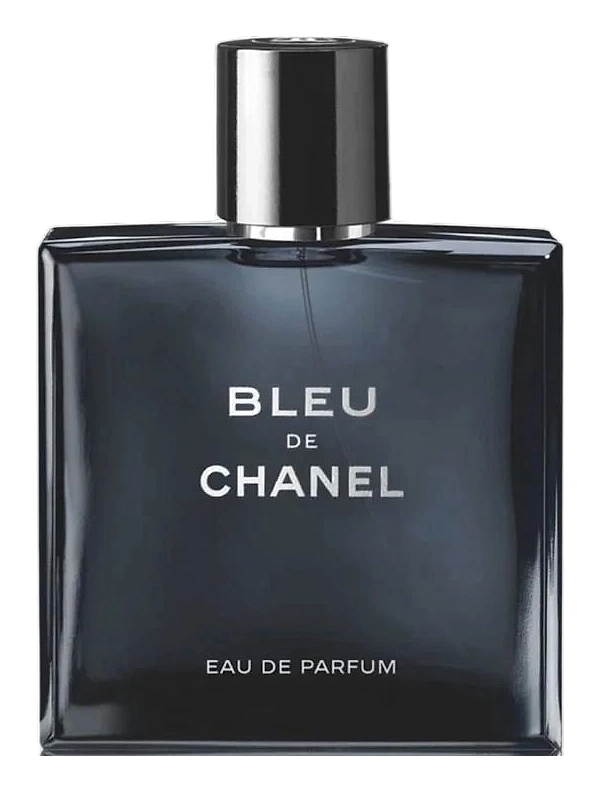
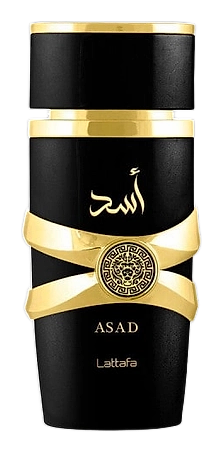
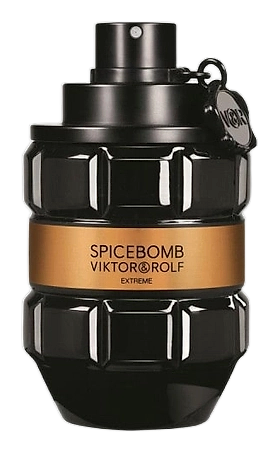
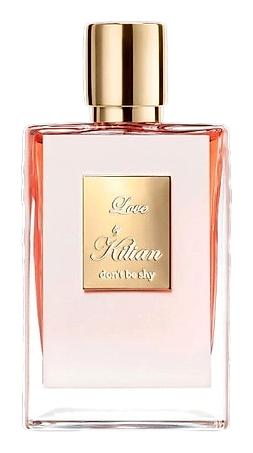
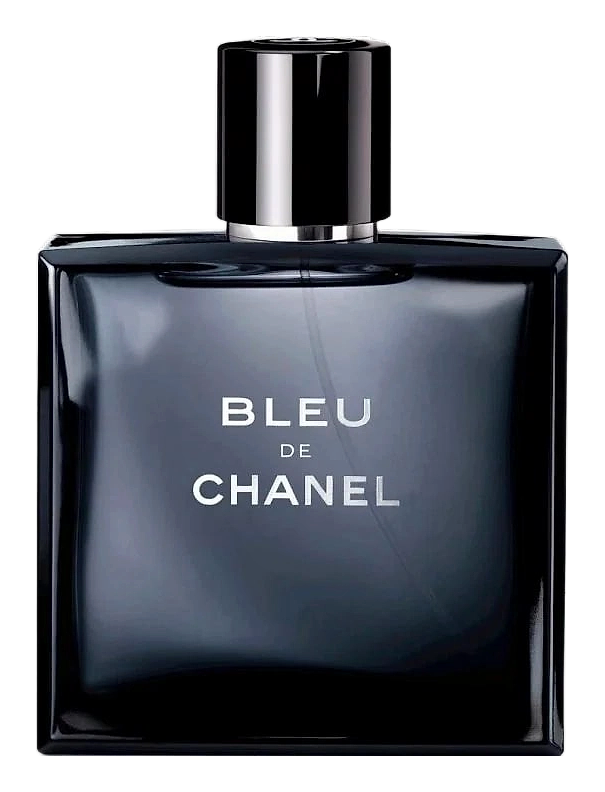
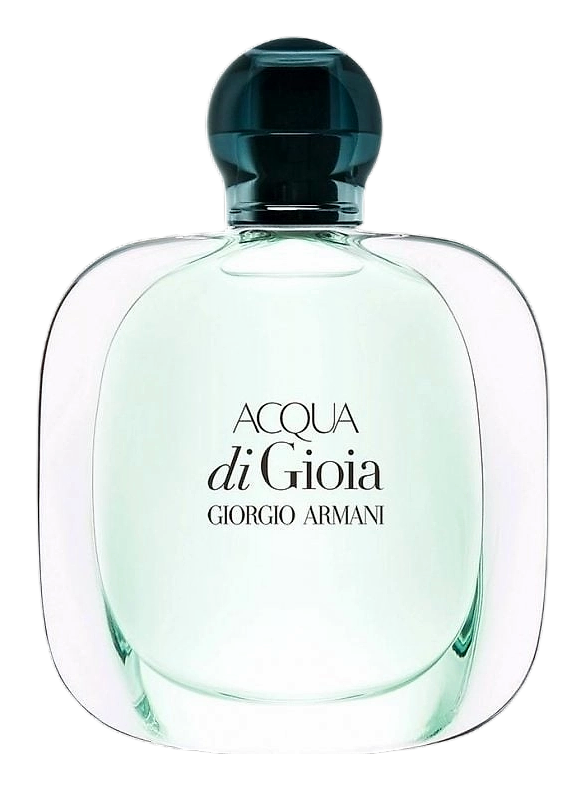
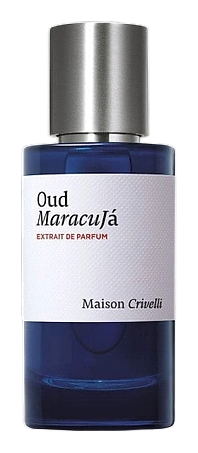
Fragrances featuring Labdanum

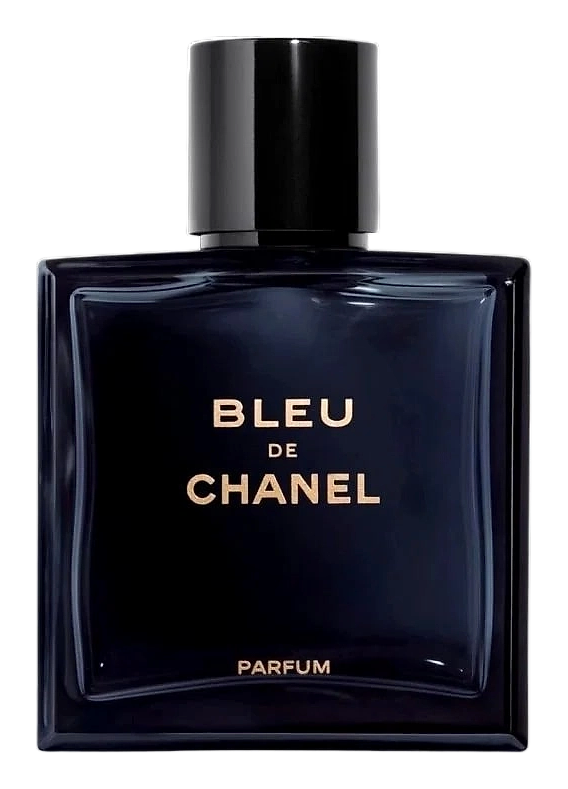
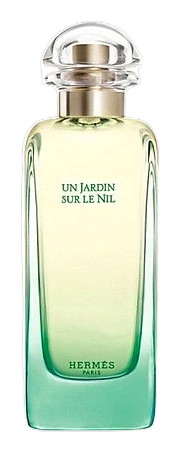

Brands
Brands known for Labdanum
Good to know
Questions, answered
The essentials on Labdanum in perfumery: how it smells, where it comes from, and how it behaves on skin.
What does labdanum smell like?
Labdanum smells warm, resinous, and ambery, with leathery, smoky, and slightly animalic undertones. Many describe it as a richer, more complex cousin of amber, with hints of dried fruit and sun-warmed earth.
Is labdanum natural or synthetic?
Natural labdanum is a resin extracted from Cistus shrubs. Synthetic versions like Ambrox and Iso E Super mimic its warm amber character, but the genuine resin offers unmatched depth and complexity.
Why is labdanum used in chypre perfumes?
Labdanum provides the warm, resinous backbone of the classic chypre accord. François Coty established this structure in 1917 by combining labdanum with bergamot, oakmoss, and patchouli, a formula still referenced today.
What is the difference between labdanum and amber?
Labdanum is a natural plant resin harvested from rockrose shrubs. Amber is a perfumery accord, a blend of materials like labdanum, vanilla, and benzoin, crafted to evoke warm, golden, resinous warmth.
Where does labdanum come from?
Labdanum is primarily harvested in Spain, where Cistus ladanifer grows wild across the Andalusian hillsides. Other significant sources include Portugal, Morocco, and several Greek islands.
How was labdanum collected in ancient times?
Ancient Mediterranean herders collected labdanum by combing the sticky resin from the beards and thighs of goats and sheep that had brushed against wild rockrose shrubs, then scraping it off with wooden tools.
Is labdanum safe for skin?
Labdanum resin and its derivatives are generally considered safe at typical perfumery concentrations. As with any natural extract, sensitive individuals should patch-test before broader use.
Can labdanum be used as a flavoring agent?
Yes. Labdanum gum has a long history of use in food and beverage flavorings, particularly in baked goods, liqueurs, and savory preparations, where it adds a warm, balsamic, slightly bitter note.