Frankincense
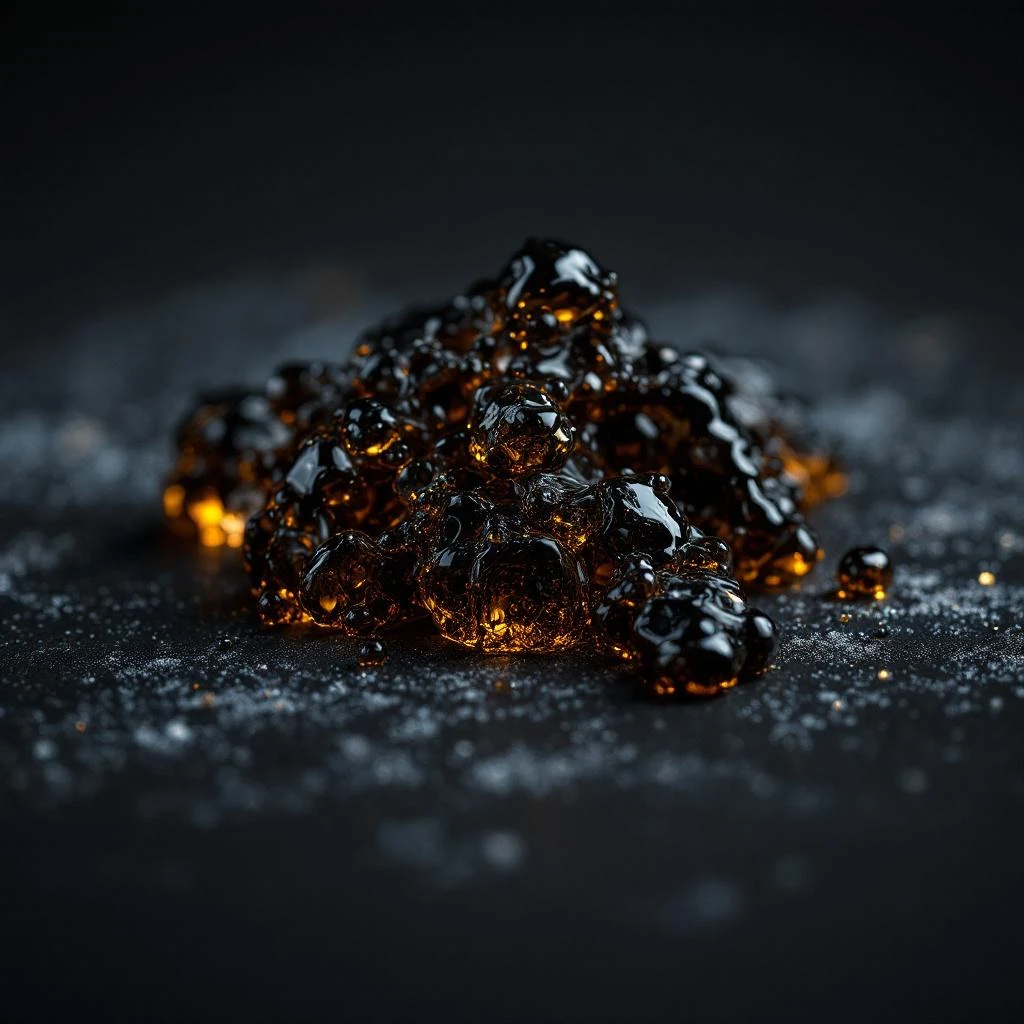
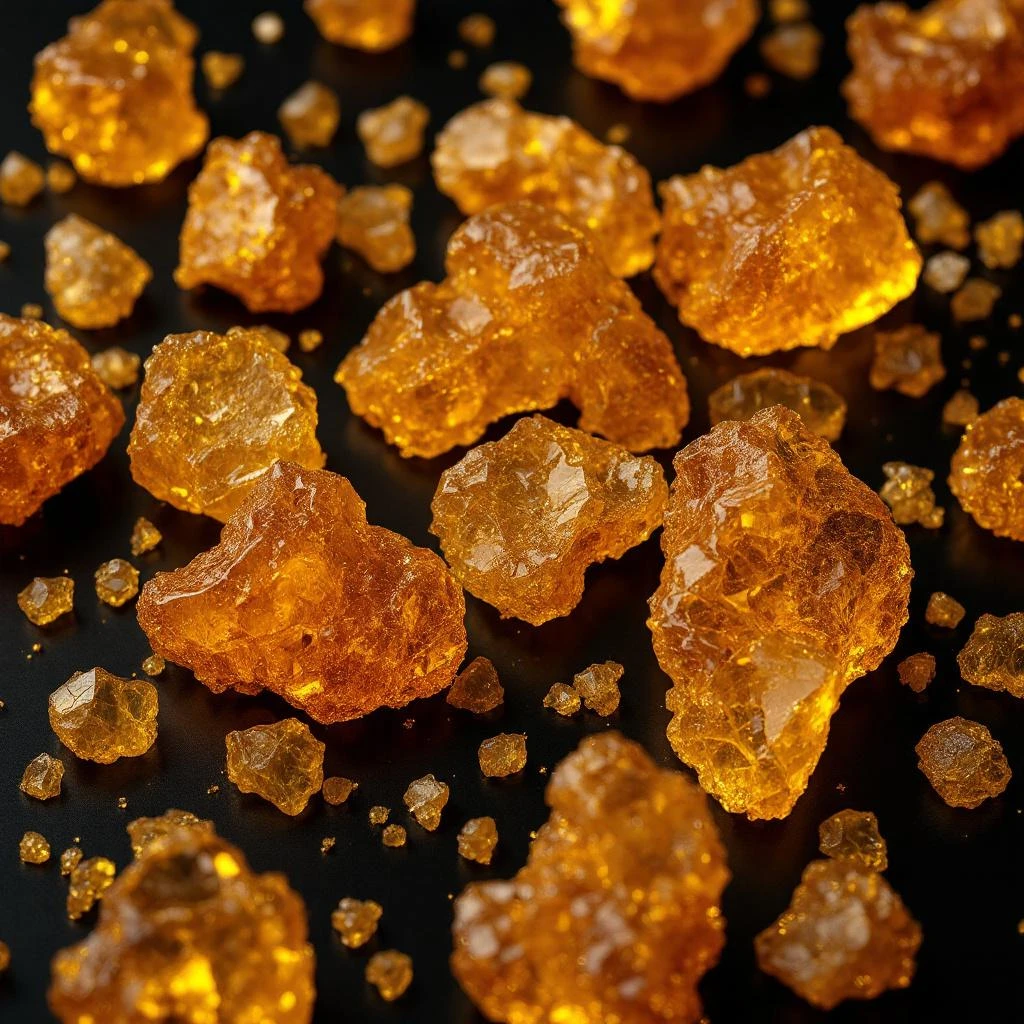
Sacred resin from the gnarled Boswellia tree, frankincense has perfumed sacred rituals and ancient trade routes for over five millennia.
Character
How it smells
Ancient smoke. Timeless resin. One scent that shaped civilization.
Five Boswellia species native to Ethiopia, Somalia, Oman, and Yemen produce frankincense. Most "Arabian" frankincense actually grew in the Horn of Africa.









Origin
Oman
Frankincense entered recorded history around 3000 BCE as a cornerstone of Arabian and East African trade networks. Greek historian Herodotus described its harvest in southern Arabia, noting the dangerous work of collecting gum from trees guarded by winged serpents, a myth that reflected the real hazards of the solitary desert task. Egyptian pharaohs incorporated frankincense into kohl eyeliners and temple offerings, while Mesopotamian priests burned it in sacred rituals.
The resin traveled via camel caravans from the lands of Punt and the Hadhramaut Coast to Mediterranean markets, becoming one of the ancient world's most coveted commodities. Three Magi carried it as a gift to Bethlehem, cementing its place in three major world religions. Arab perfumers and early Islamic chemists, building on Egyptian extraction knowledge, refined methods for preserving frankincense's complexity in oil form.
By the medieval period, the resin had woven itself into the spiritual and sensory fabric of civilizations spanning from West Africa to the Far East.
Wears it best
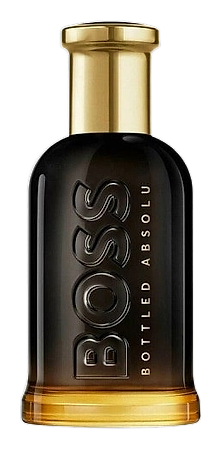
Fragrances featuring Frankincense
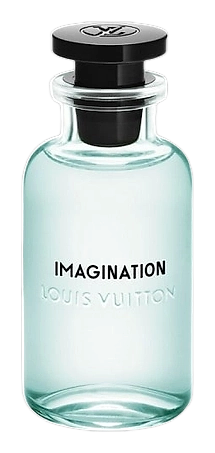
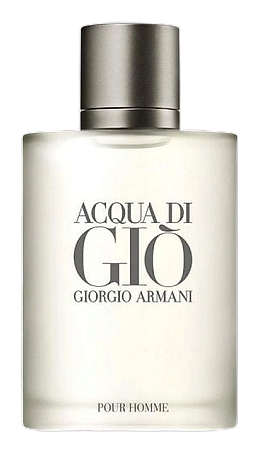
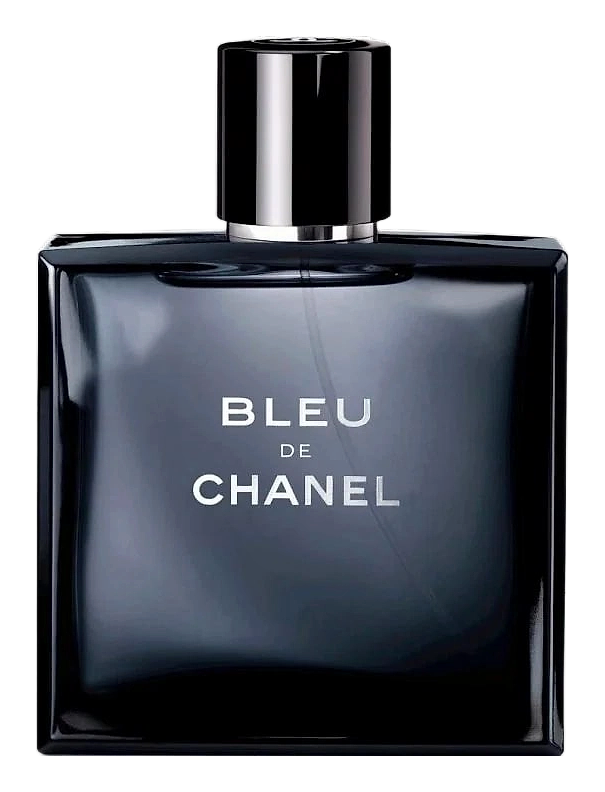
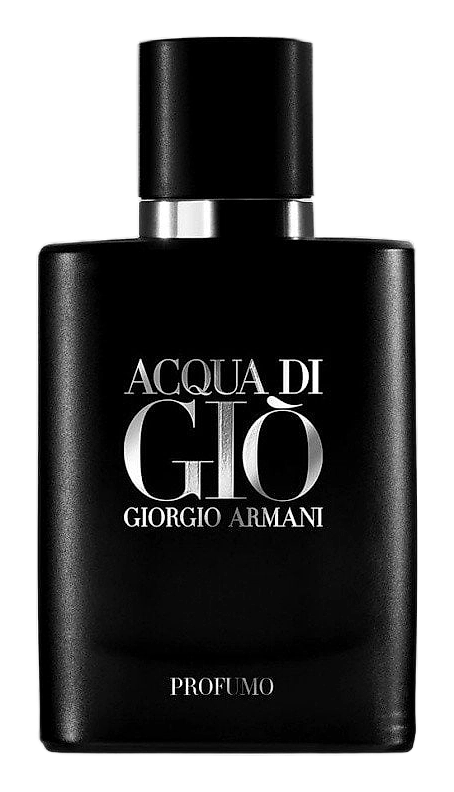


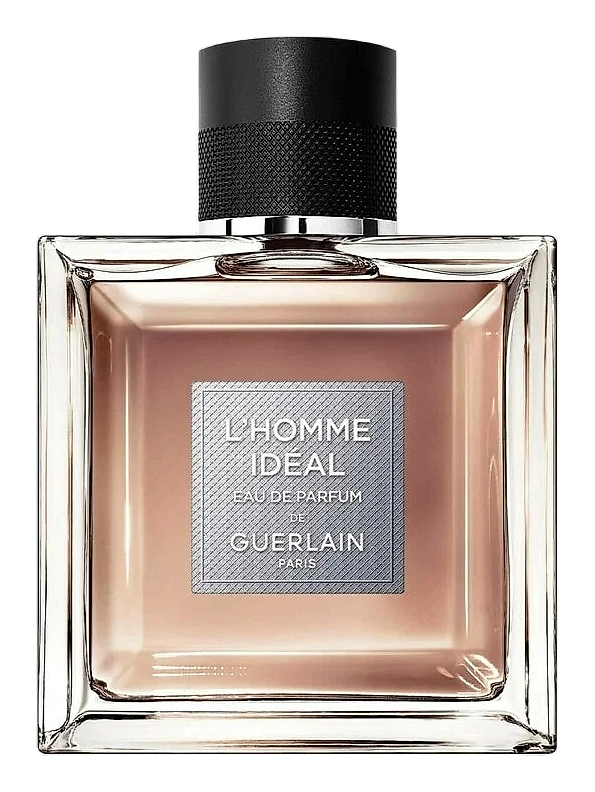
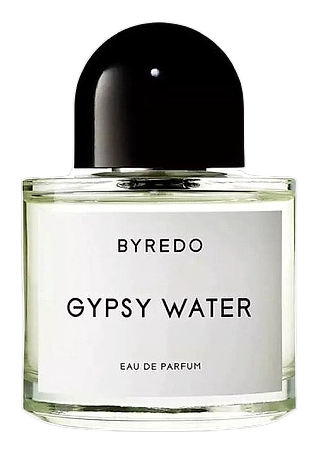
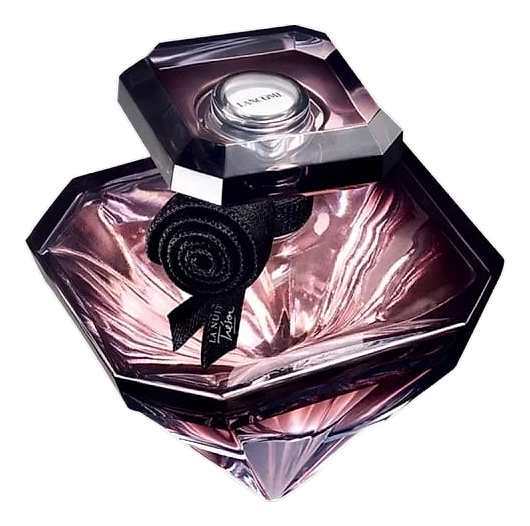
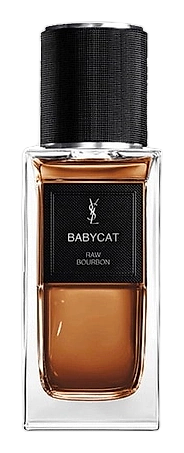
Brands
Brands known for Frankincense
Good to know
Questions, answered
The essentials on Frankincense in perfumery: how it smells, where it comes from, and how it behaves on skin.
What is frankincense in perfumery?
Frankincense is an aromatic resin harvested from Boswellia trees. Perfumers use the essential oil or resin absolute to add warm, balsamic, slightly smoky depth to fragrances, especially in oriental and incense-forward compositions.
How do harvesters collect frankincense resin?
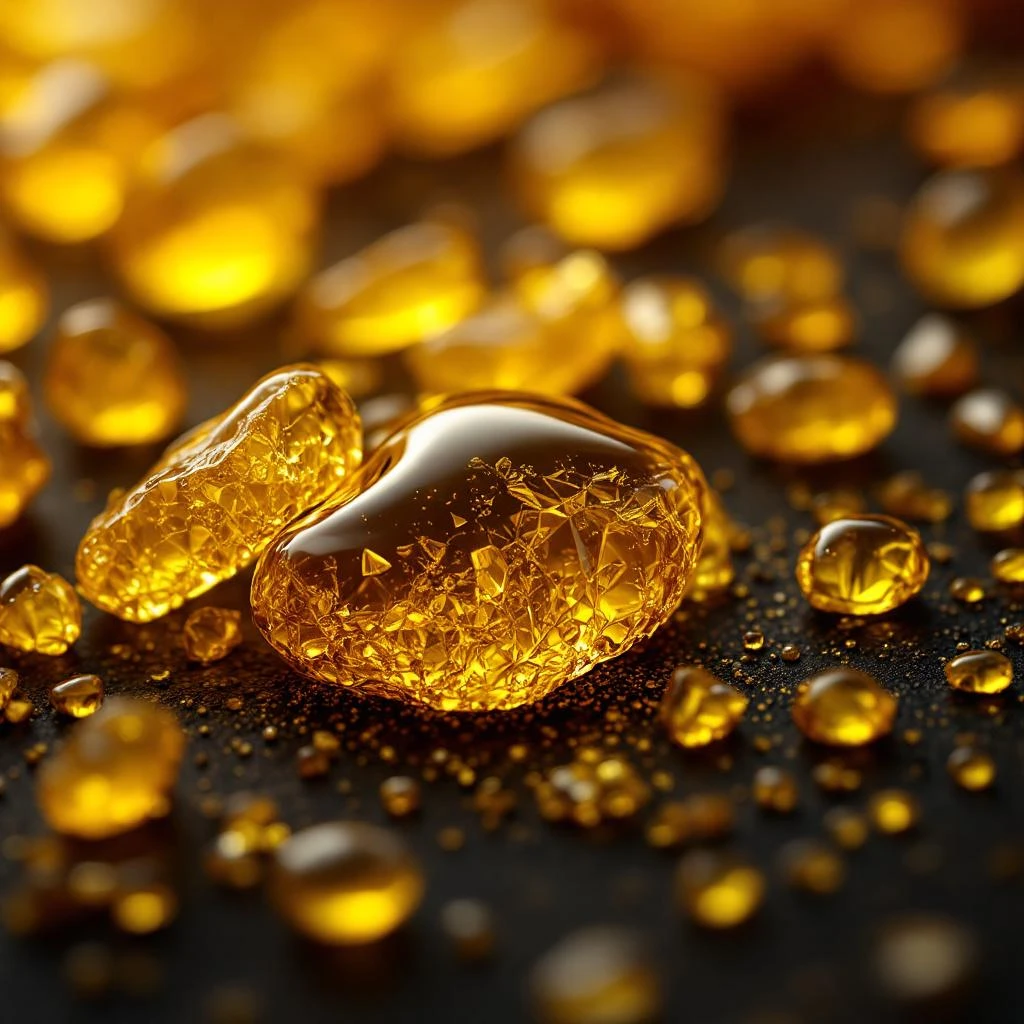
Harvesters slice shallow cuts into a Boswellia trunk and wait days for a milky sap to weep out and harden into tear-shaped resin droplets. Workers return repeatedly to collect each successive harvest, a practice called "tapping."
What does frankincense smell like?
Frankincense carries a warm, resinous, slightly citrusy aroma with camphor and pine-like top notes. The dry-down reveals deeper balsamic, almost smoky tones with a clean, meditative quality.
Where does frankincense originate?
Five Boswellia species grow across Oman, Yemen, Somalia, Ethiopia, and India. Somalia and the Dhofar region of Oman produce some of the most prized resin for perfumery today.
Is frankincense oil natural or synthetic?
Both natural and synthetic versions exist. Natural frankincense oil comes from steam-distilled resin. Synthetic substitutes reproduce key aromatic compounds like alpha-pinene but lack the full complexity of the real resin.
Which fragrance families use frankincense?
Frankincense appears most often in oriental, woody, and incense families. It also shows up in chypre and fougère compositions as a grounding base note that adds spiritual depth.
Can frankincense irritate skin?
Natural frankincense resin contains compounds that may cause sensitization in some individuals. IFRA guidelines regulate its concentration in consumer products. Perform a patch test before using concentrated forms.
How long has frankincense been used in perfumery?
Frankincense has been used for over 5,000 years. Mesopotamian and Egyptian cultures employed it in cosmetics and rituals around 3000 BCE. Its use in Western perfumery expanded significantly during the medieval period.