Balsam Fir
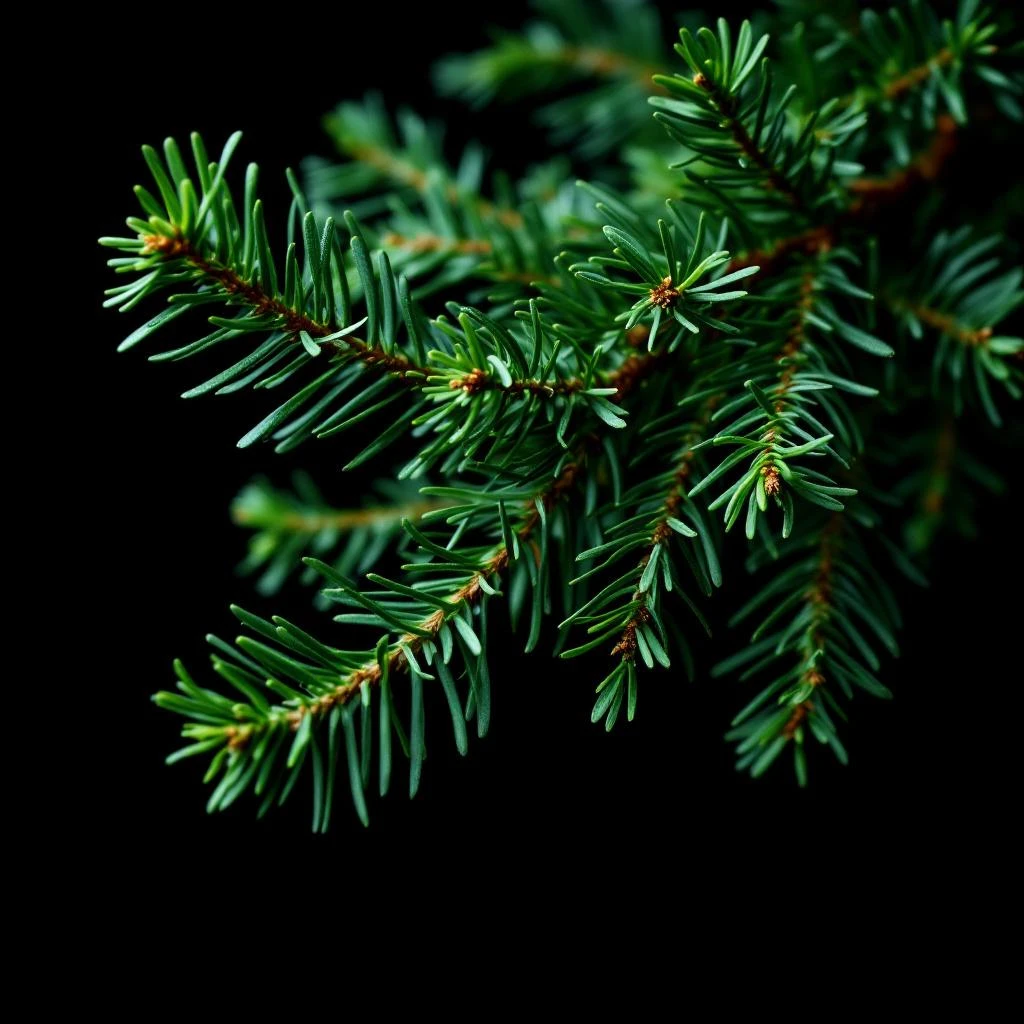
Balsam Fir brings the crisp, resinous scent of coniferous forests into perfumery. Its deep green, slightly sweet aroma anchors countless holiday and outdoorsy compositions with a comforting, woody warmth.
Character
How it smells
Forest resin, bottled.
The oleoresin that becomes Balsam Fir absolute was once used by Indigenous peoples as a wound sealant and chewing gum base.









Origin
Canada
The Abies balsamea tree defined entire North American ecosystems long before perfumers took notice. Indigenous communities across the boreal regions of Canada and the northern United States harvested its resin for practical medicine: sealing wounds, treating burns, and creating poultices for chest ailments. French fur traders learned these techniques in the 17th century and shipped balsam-rich furs back to Europe, where the scent became synonymous with luxury and the New World.
By the 19th century, pharmacists in Europe and North America sold Canada Balsam as a treatment for coughs and venereal disease. The transition to perfumery happened gradually. Early soap and candle makers prized the resin for its fixative qualities and fresh forest note. When synthetic chemistry exploded between 1889 and 1921, perfumers gained tools to recreate coniferous notes cheaply, yet natural Balsam Fir remained preferred for fine fragrance and高端 flavor applications.
Today, sustainable harvesting concerns have pushed some producers toward controlled plantation tapping. Quebec remains the world's primary source, with strict quotas designed to prevent over-tapping that could kill mature trees. The absolute now appears in everything from prestige men's fragrances to artisanal winter collections, carrying four centuries of cross-cultural exchange in every drop.
Wears it best
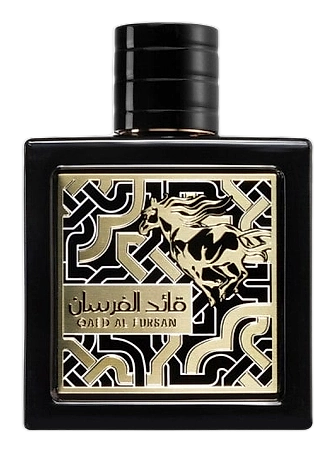
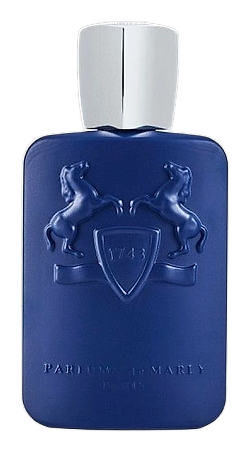
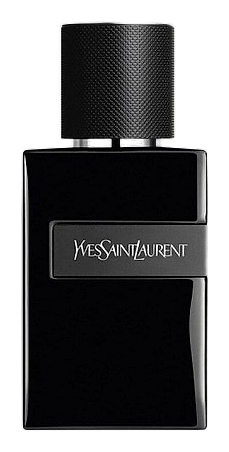
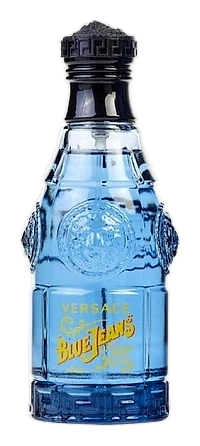
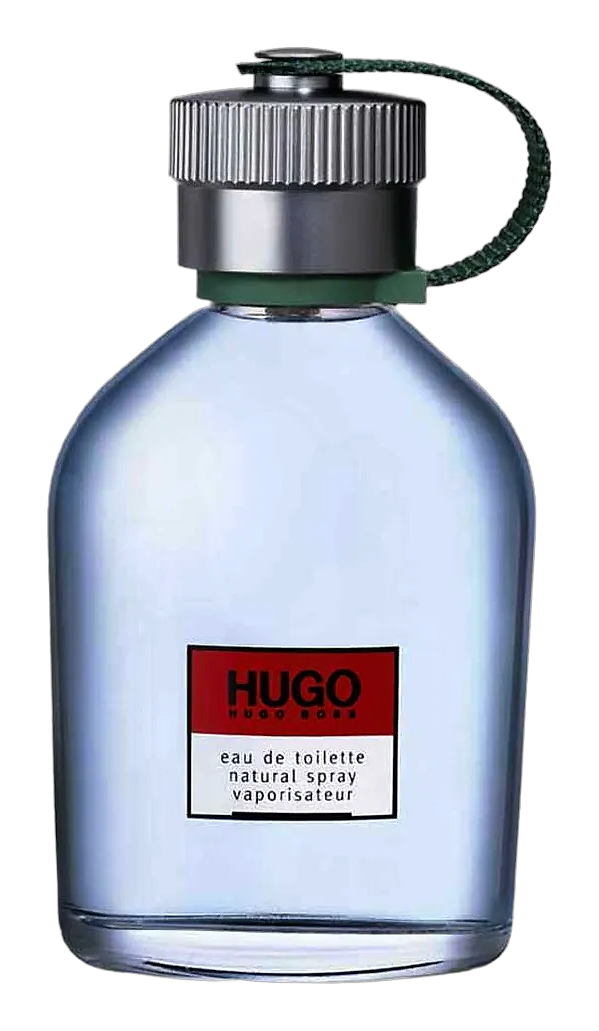
Fragrances featuring Balsam Fir

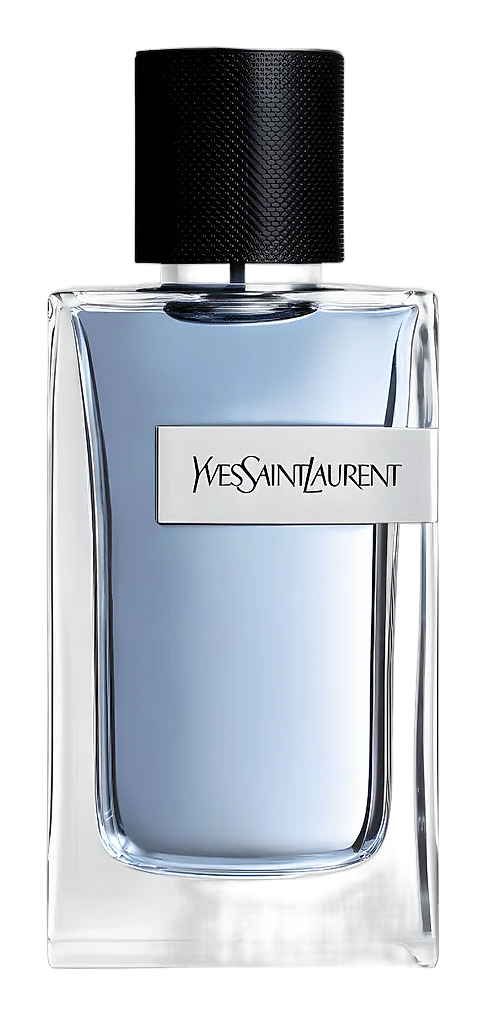
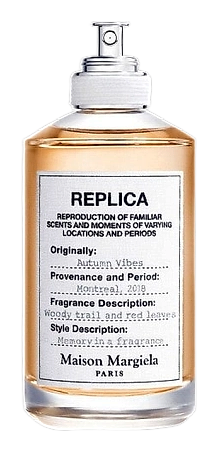
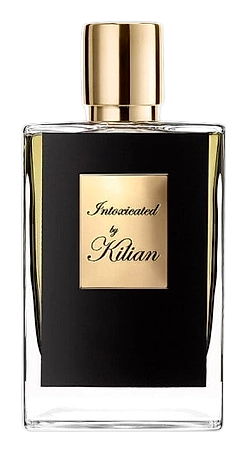

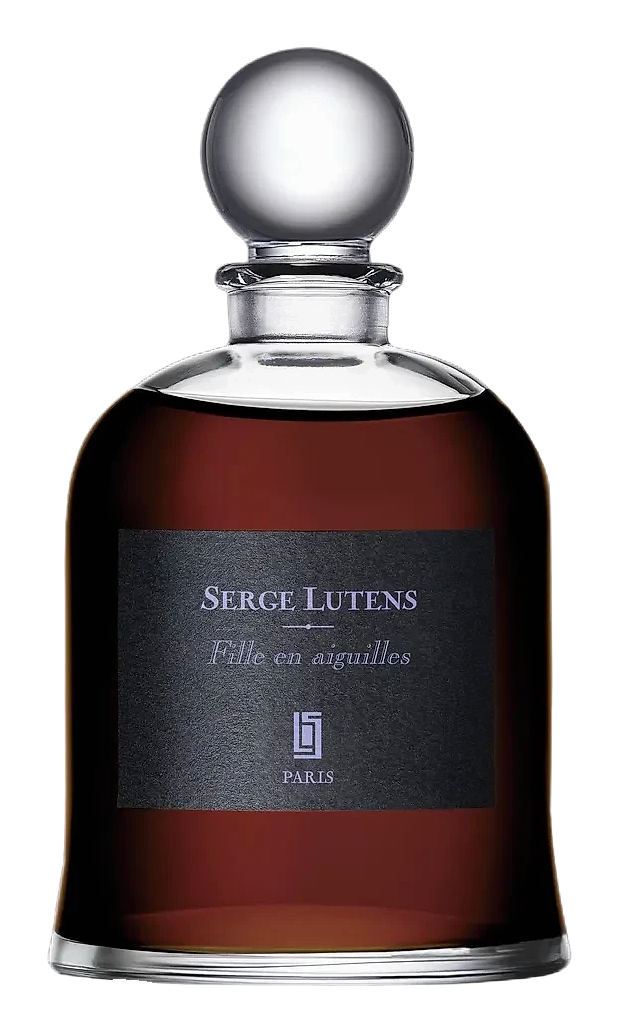
Brands
Brands known for Balsam Fir
Good to know
Questions, answered
The essentials on Balsam Fir in perfumery: how it smells, where it comes from, and how it behaves on skin.
What does Balsam Fir smell like in perfume?
Balsam Fir smells resinous, sweet, and woody with a crisp green freshness reminiscent of pine forests. It carries a slightly medicinal warmth from bornyl acetate, the dominant aromatic compound that gives it depth beyond simple pine needles.
Is Balsam Fir the same as pine?
No. Balsam Fir comes from Abies balsamea and has a softer, sweeter, more balsamic profile. Pine oils, derived from Pinus species, tend to be sharper, more turpentine-like, and less sweet than true fir balsam.
How is Balsam Fir absolute produced?
Producers tap oleoresin from the bark of Abies balsamea trees, then extract it using solvents like hexane or ethanol. The solvent evaporates to leave a dark green, viscous paste with concentrated aromatic intensity.
Where does Balsam Fir originate?
Balsam Fir is native to the boreal forests of eastern Canada and the northeastern United States. Quebec remains the world's primary commercial source, with harvest traditions spanning four centuries.
Is Balsam Fir sustainable?
Canadian operations now follow strict tapping quotas to prevent tree mortality. Plantation management and selective harvesting have reduced ecological pressure, though wild populations remain sensitive to over-tapping and climate shifts.
What perfumes commonly use Balsam Fir?
Balsam Fir appears most often in winter, holiday, and outdoorsy fragrances, as well as traditional fougère and chypre compositions. It serves both as a fresh top-note modifier and a warm resinous fixative in the base.
Can Balsam Fir be used as a fixative?
Yes. Its heavy, resinous molecules slow the evaporation of lighter top notes, extending a fragrance's overall lifespan. The base-note role remains one of its most valued applications in classical perfumery.
Does Balsam Fir have medicinal uses?
Indigenous communities historically used the oleoresin to seal wounds, treat burns, and address respiratory complaints. Modern aromatherapy employs diluted fir oil for similar purposes, though clinical evidence remains limited.