Tolu Balsam
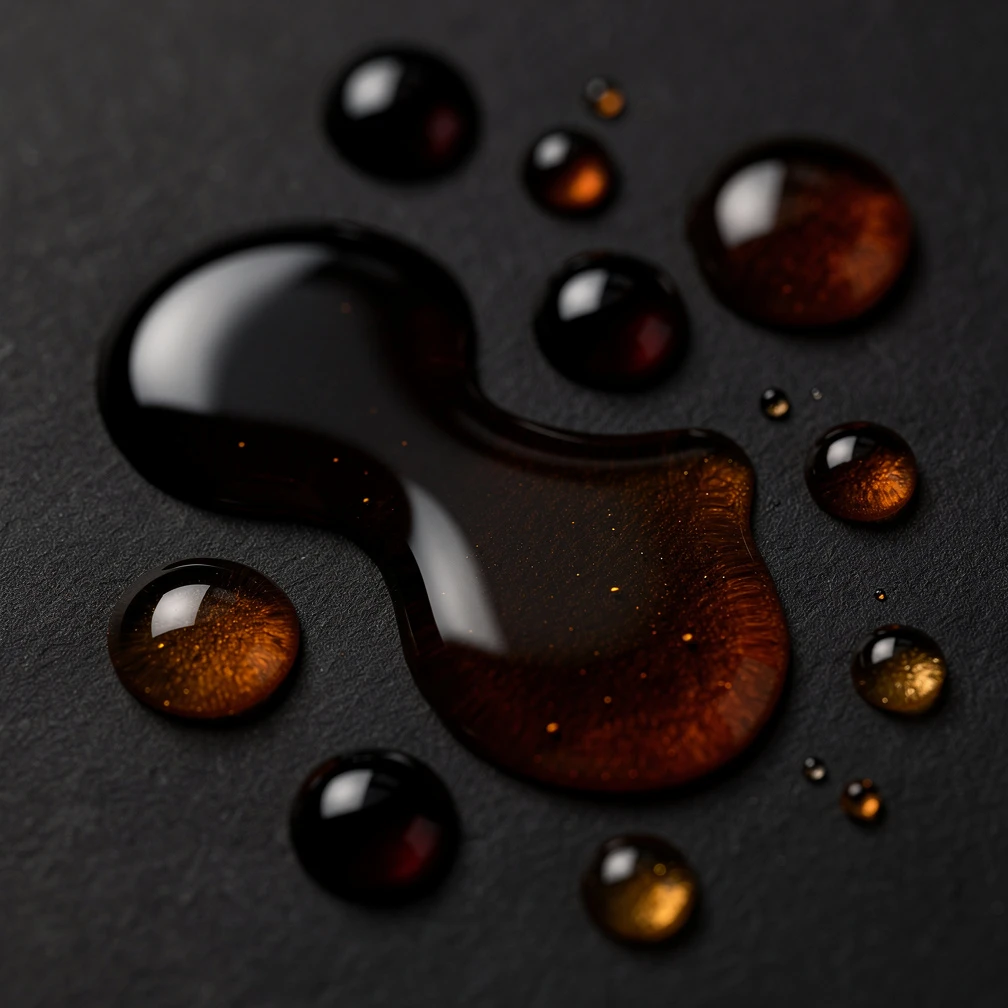
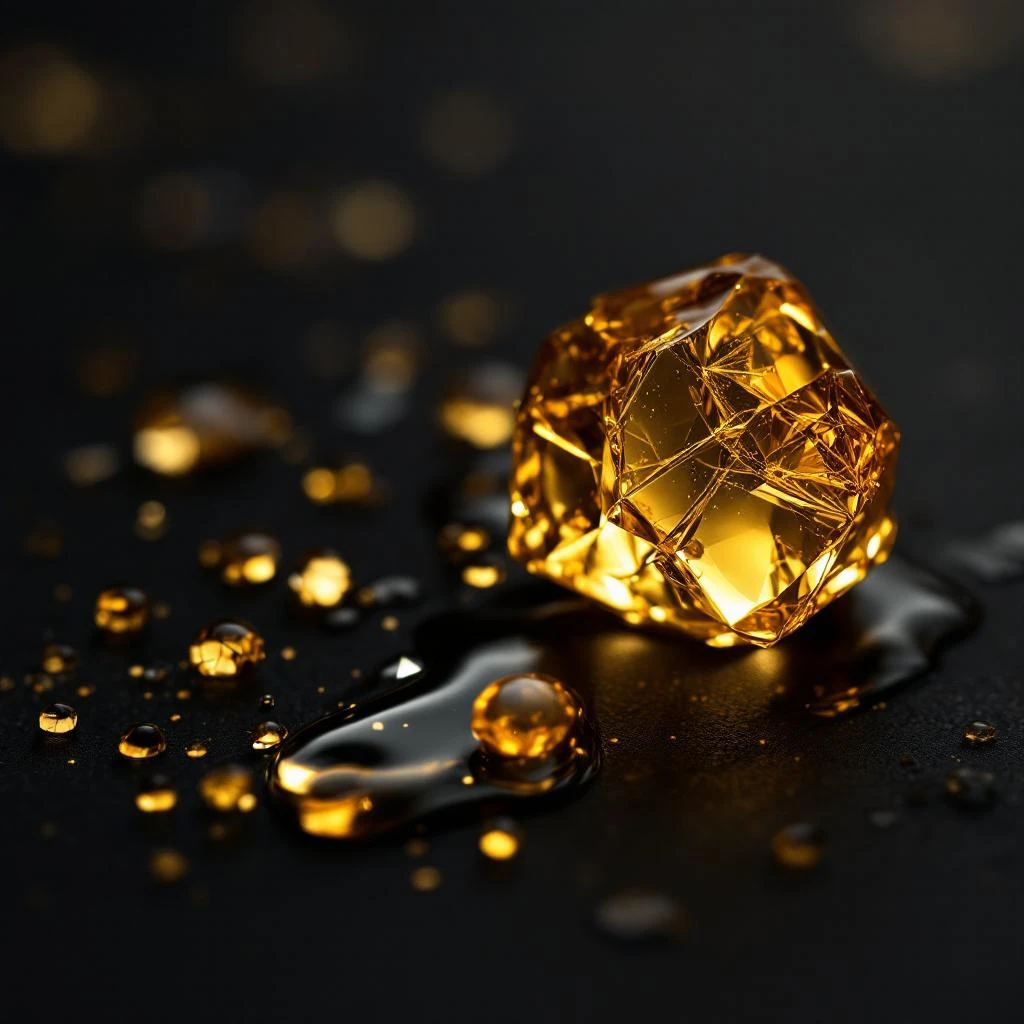
Tolu Balsam is a warm, resinous oleoresin harvested from Myroxylon balsamum trees in South America. Prized for its vanilla-like sweetness and cinnamon warmth, this traditional ingredient brings depth and resinous comfort to fragrances.
Character
How it smells
Warm vanilla-resin depth with cinnamon spice.
Peru balsam and Tolu balsam come from the same tree species, yet produce distinctly different aromatic profiles.







Origin
Colombia
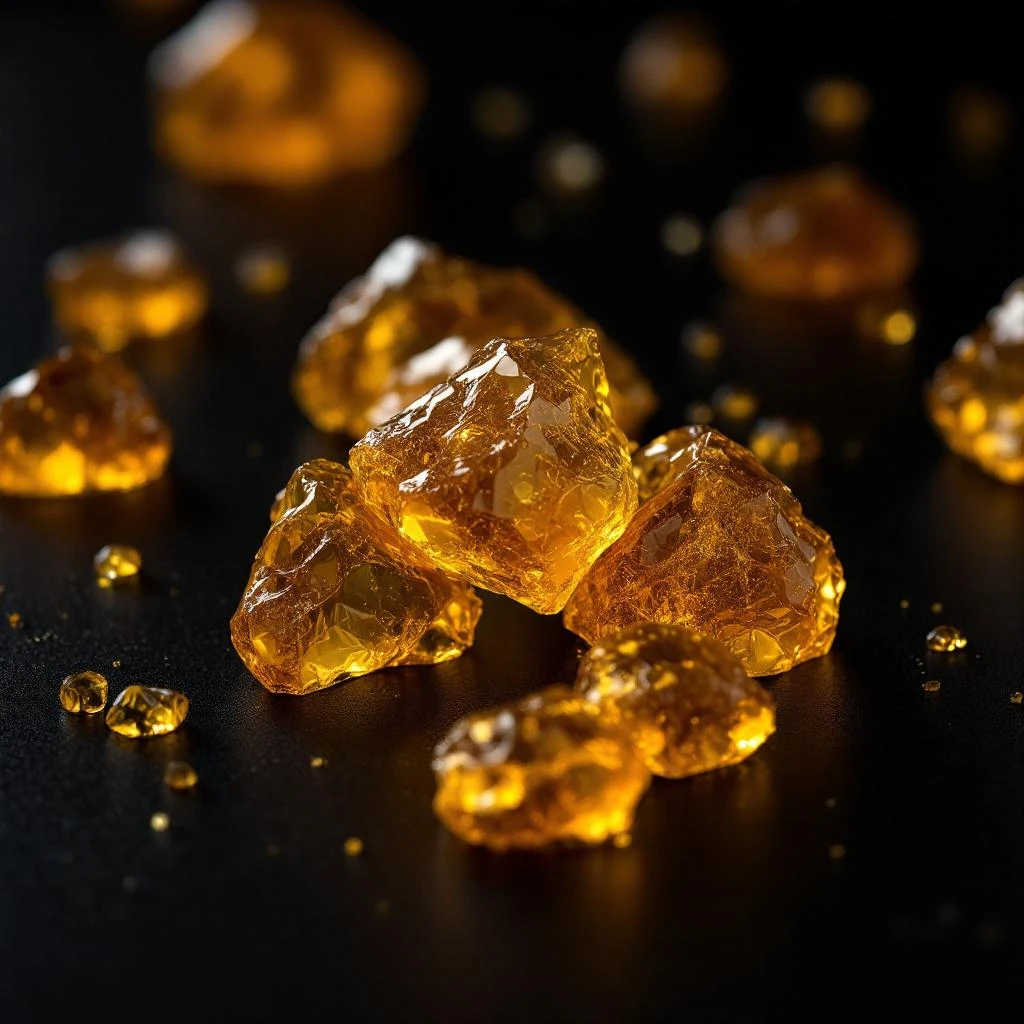
Tolu Balsam takes its name from the coastal town of Tolu in Colombia, where European traders first encountered the material in the 16th century. Indigenous communities throughout the Amazon basin and West Indies had used the resin for generations, applying it to wounds, respiratory ailments, and as a perfuming agent for ceremonial purposes. When Spanish explorers returned with samples, European apothecaries quickly incorporated the balsam into their pharmacopoeia.
By the 17th century, the resin had become a standard fixative in perfumery workshops from Paris to London. Its warm, sweet-spicy character proved especially valuable in the heavy Oriental-style fragrances that dominated that era. The material also crossed into culinary use, eventually appearing in chewing gums, lozenges, and soft drinks.
Today, sustainable harvesting practices in Colombia, Venezuela, and surrounding nations ensure continued supply of this storied resin.
Wears it best
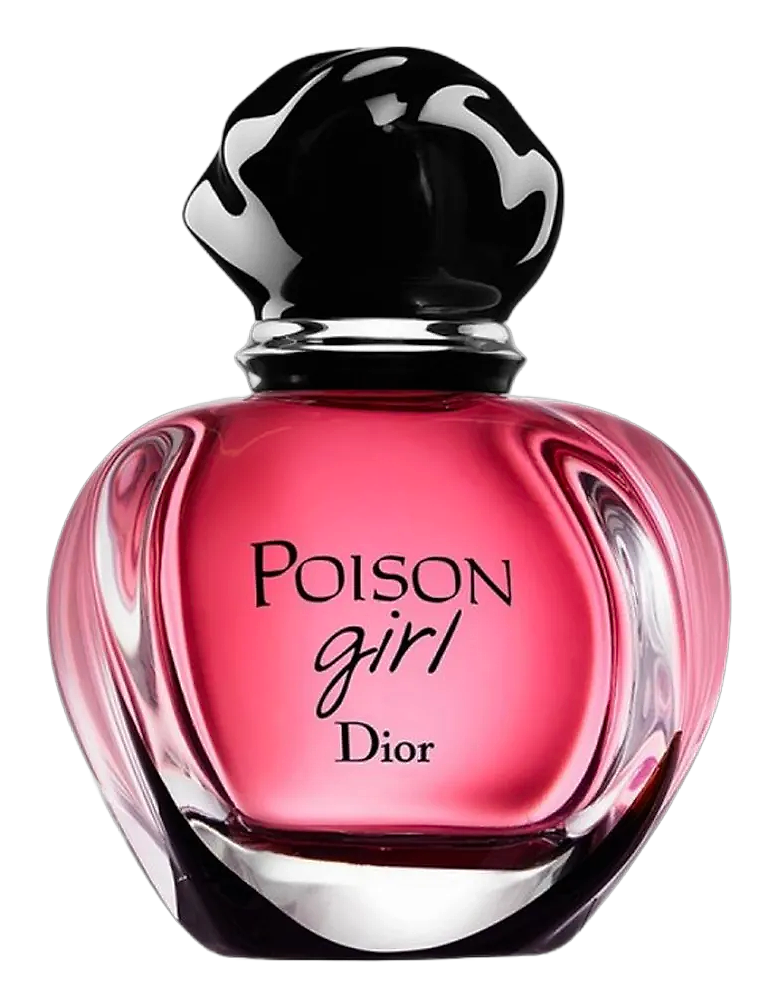
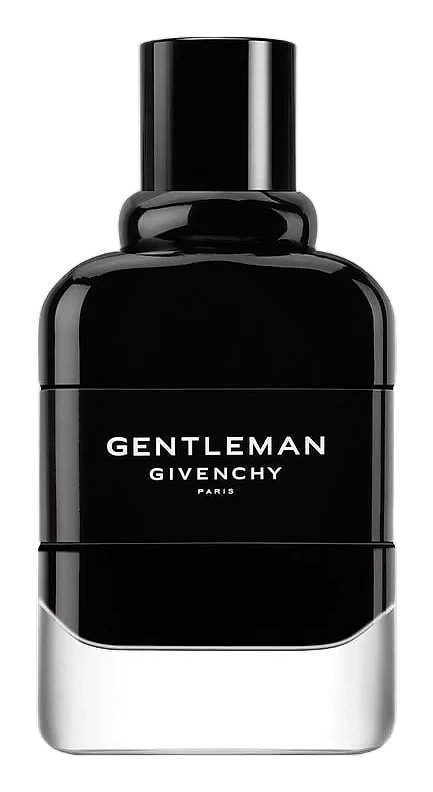
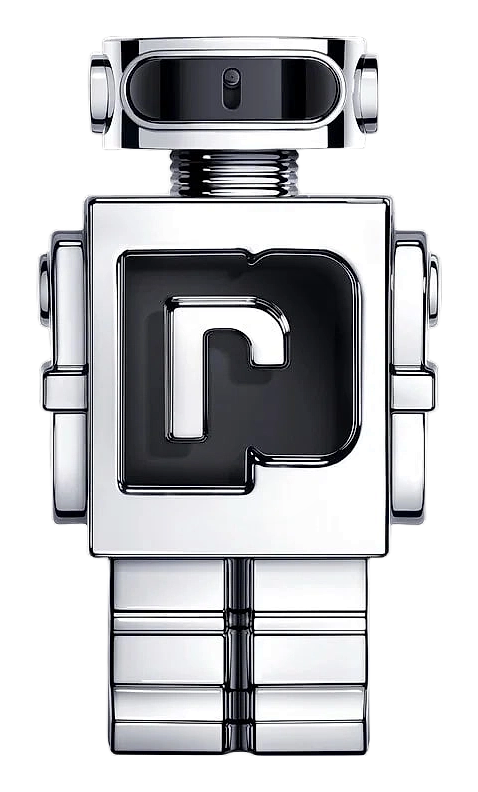
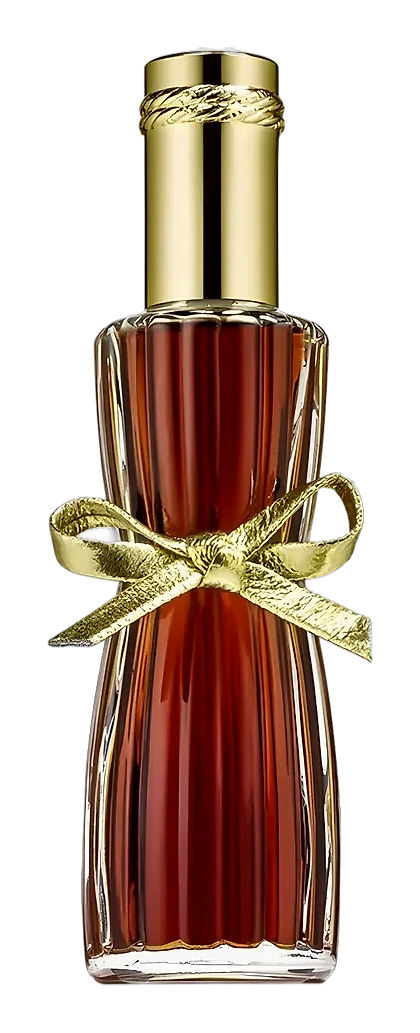
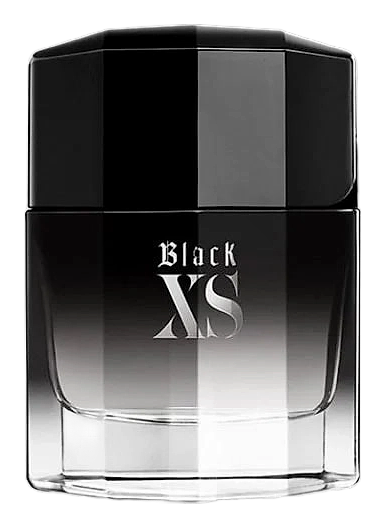
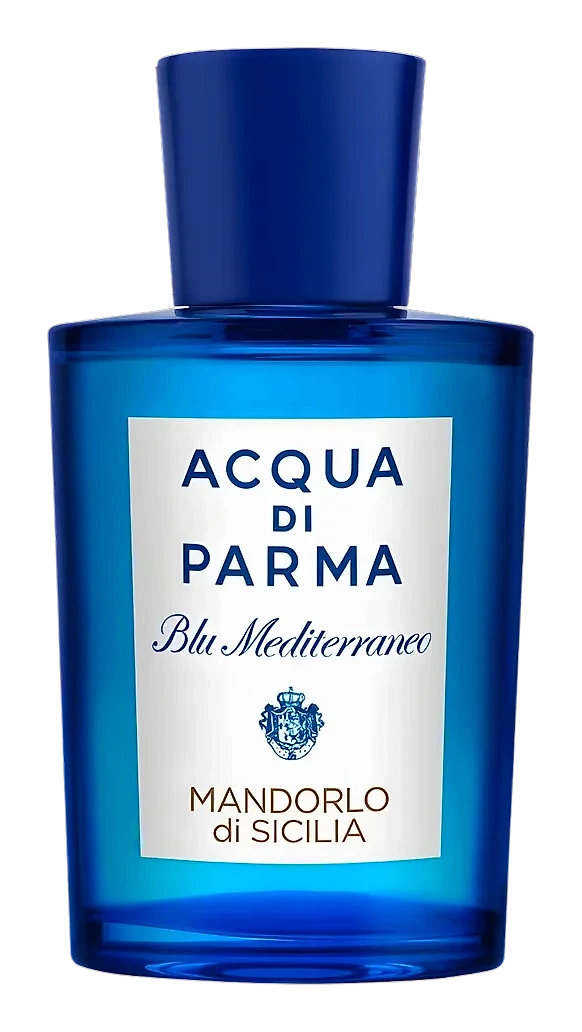
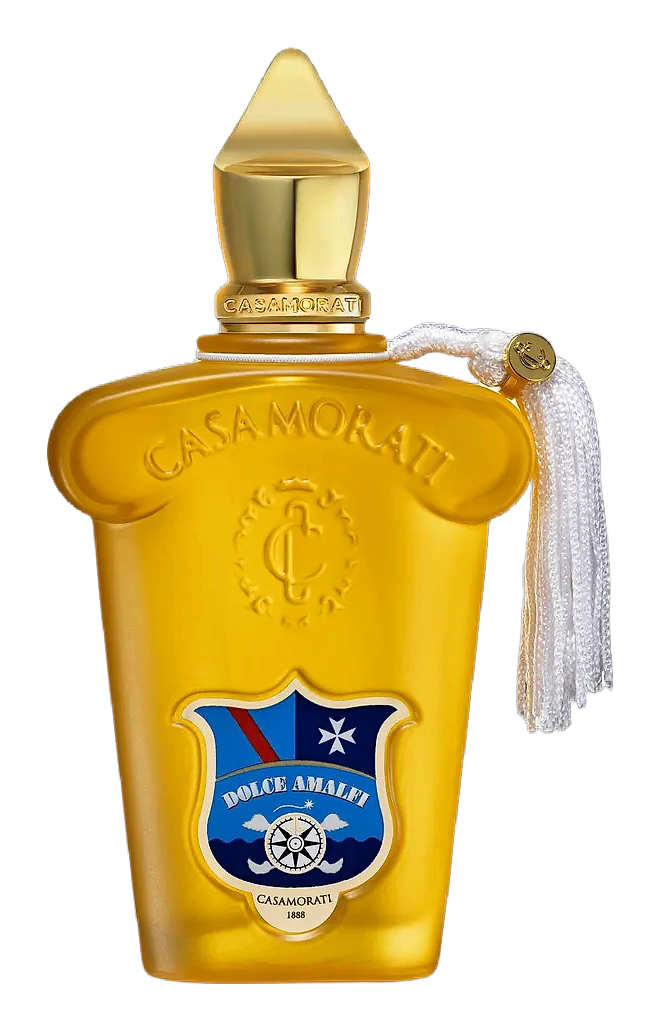
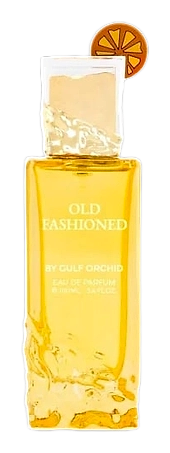
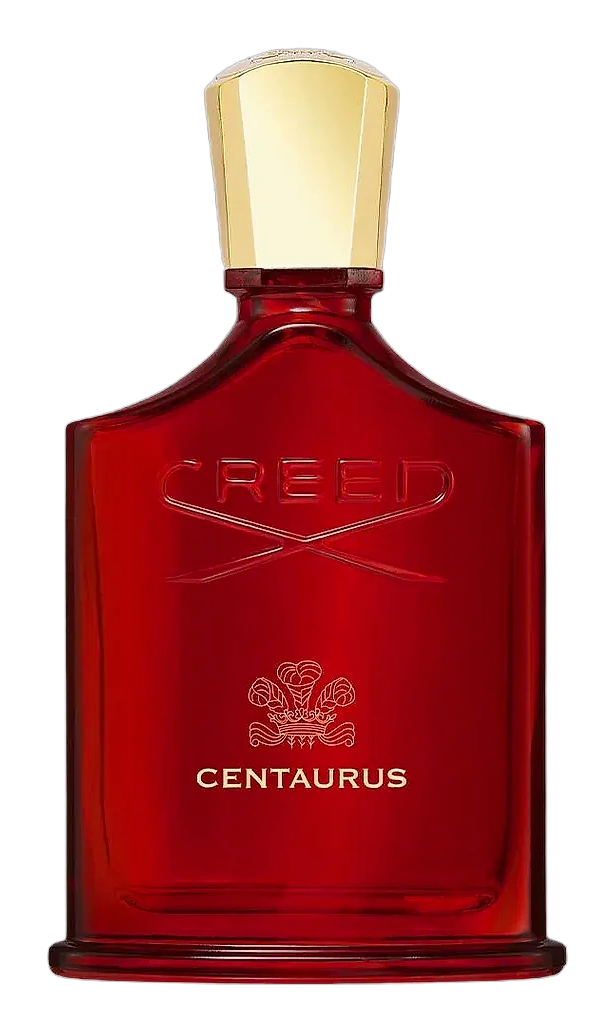
Fragrances featuring Tolu Balsam



Brands
Brands known for Tolu Balsam
Good to know
Questions, answered
The essentials on Tolu Balsam in perfumery: how it smells, where it comes from, and how it behaves on skin.
What does Tolu Balsam smell like?
Tolu Balsam has a warm, sweet-resinous scent with prominent vanilla undertones and a soft cinnamon spice. It provides excellent fixative properties in fragrance compositions.
Where does Tolu Balsam originate?
The tree grows natively across northern South America and the West Indies, with Colombia serving as the historical and commercial center of production.
How do harvesters collect Tolu Balsam resin?
Producers tap trees by making V-shaped cuts in the bark, then collect the hardened oleoresin that exudes over several weeks of natural weeping.
Is Tolu Balsam related to Peru Balsam?
Yes. Both resins come from different varieties of the same Myroxylon balsamum species, though their aromatic profiles differ noticeably.
What is Tolu Balsam used for in perfumery?
Perfumers use it as a fixative and base note. The resin adds warmth, depth, and sweet-spicy character to Oriental andchypre fragrances.
Does Tolu Balsam appear in food and flavoring?
The food industry has used Tolu Balsam for centuries in chewing gums, candies, and soft drinks, contributing sweet, vanilla-like flavor notes.
Why is Tolu Balsam considered a classic perfumery ingredient?
European perfumers adopted it in the 16th century, and it has remained in continuous use as a fixative and aromatic component ever since.
Is Tolu Balsam sustainably harvested?
Traditional tapping methods allow trees to continue growing and producing resin, making it a renewable resource when managed responsibly.