Incense
Incense, the sacred aromatic resin that gave perfumery its name—per fume, through smoke—bridges millennia of sacred ritual and modern fragrance creation.
Character
How it smells
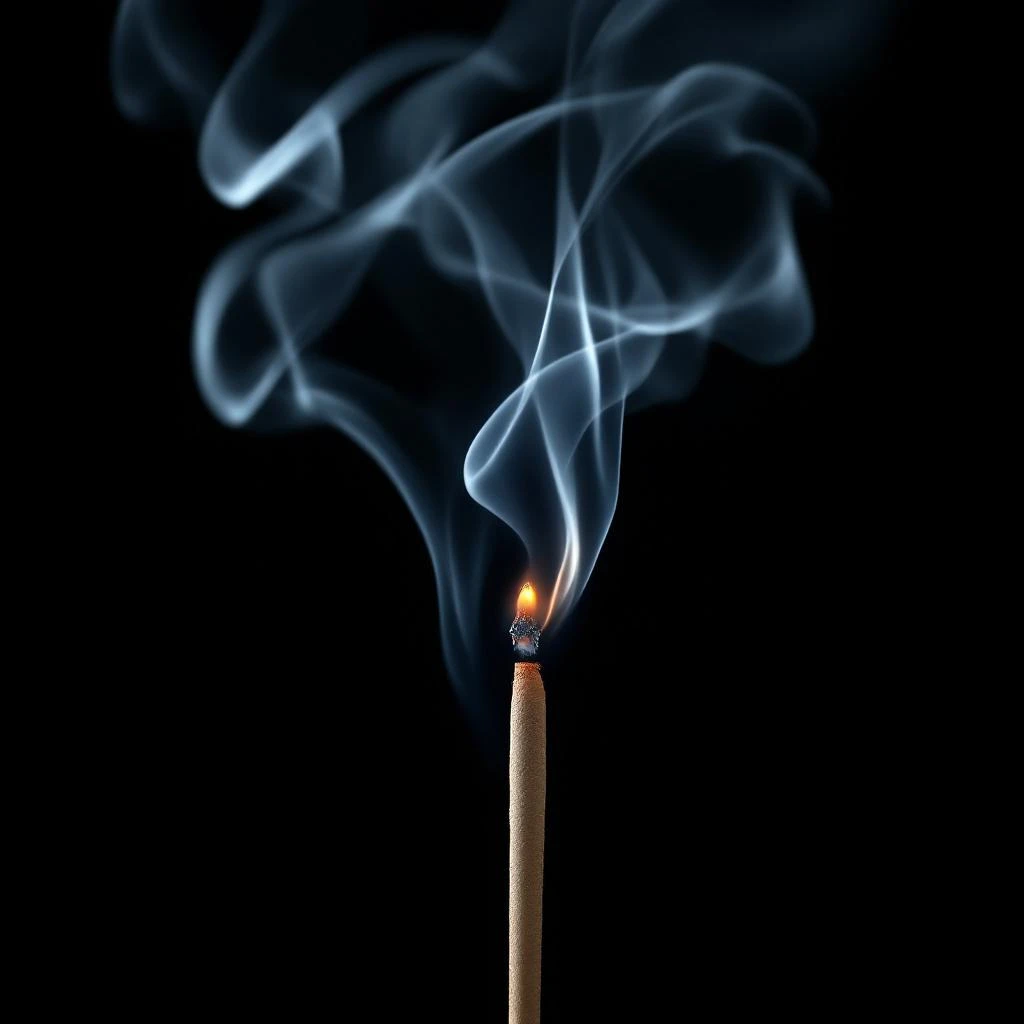
The scent of sacred smoke, ancient and modern.
The word perfume derives from the Latin per fume, meaning through smoke—a direct nod to incense's foundational role in fragrance history.









Origin
Somalia
Incense arrived in Egypt around 3000 BCE, initially reserved exclusively for religious rituals and royal ceremonies. The word perfume itself comes from the Latin per fume, meaning through smoke—a direct reference to this ancient practice.
The Horn of Africa and Arabian Peninsula became the heart of the incense trade, with frankincense and myrrh prized alongside gold and ivory along routes that shaped early civilization. As Egypt's Golden Age dawned, incense transitioned from purely sacred offerings to personal adornment, appearing on wigs and garments.
Greek, Roman, Persian, and Arab cultures further refined perfumery techniques over subsequent centuries. Today, the finest frankincense from Somalia and Omani hojari remain among the most coveted natural materials in fine fragrance, connecting modern compositions to five thousand years of sensory tradition.
Wears it best
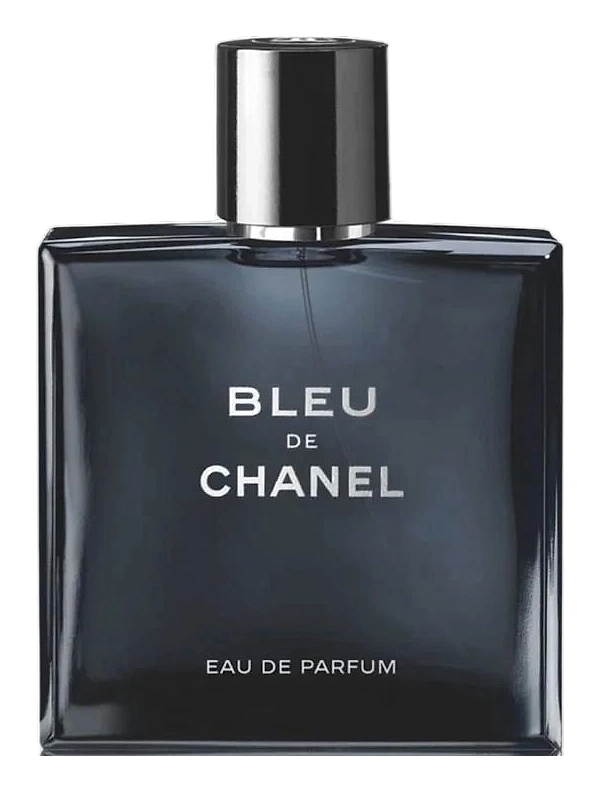
Fragrances featuring Incense
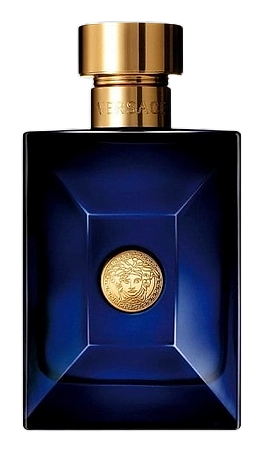

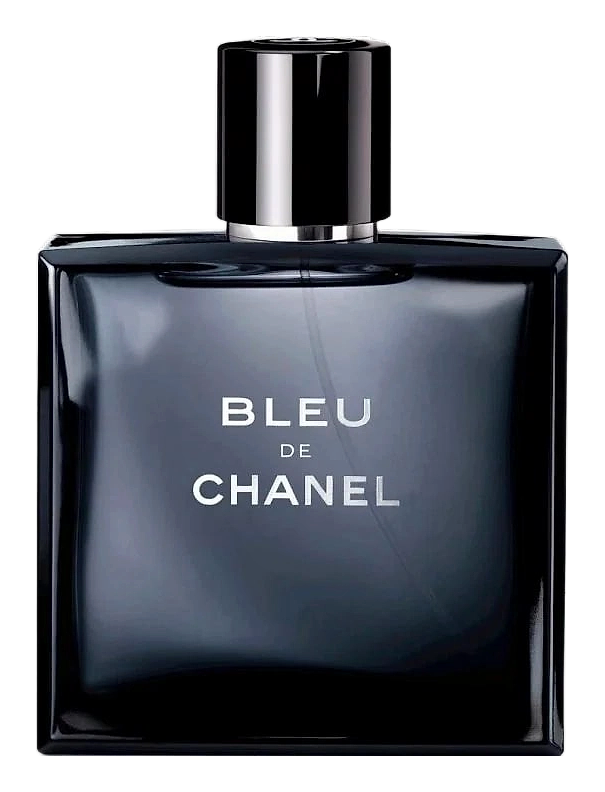
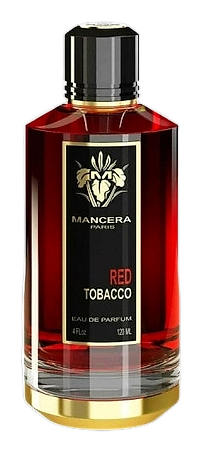
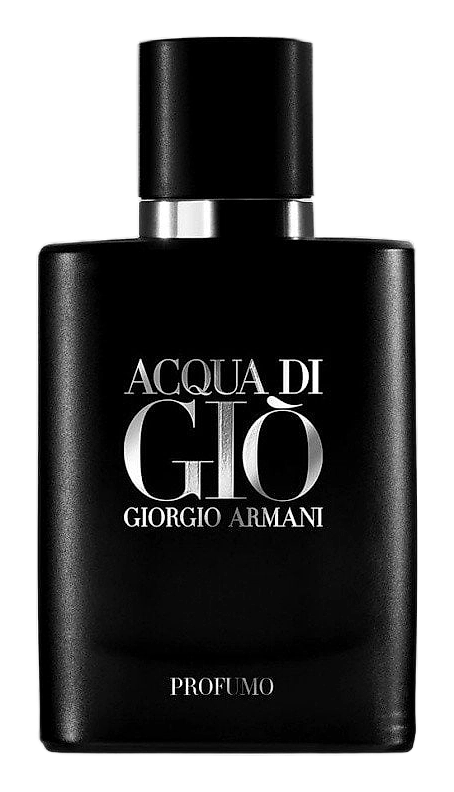
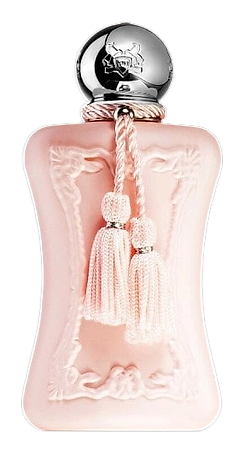
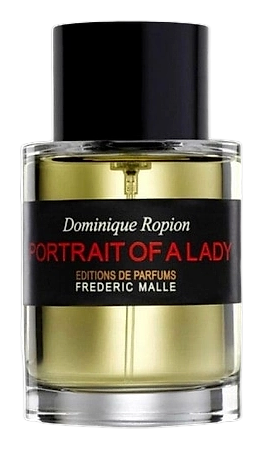
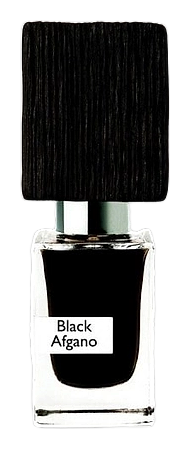

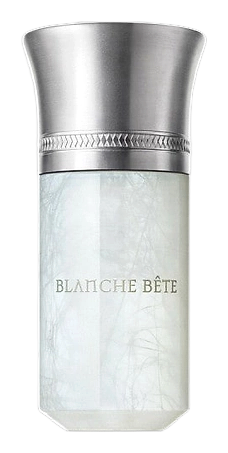

Brands
Brands known for Incense
Good to know
Questions, answered
The essentials on Incense in perfumery: how it smells, where it comes from, and how it behaves on skin.
What is incense in perfumery?
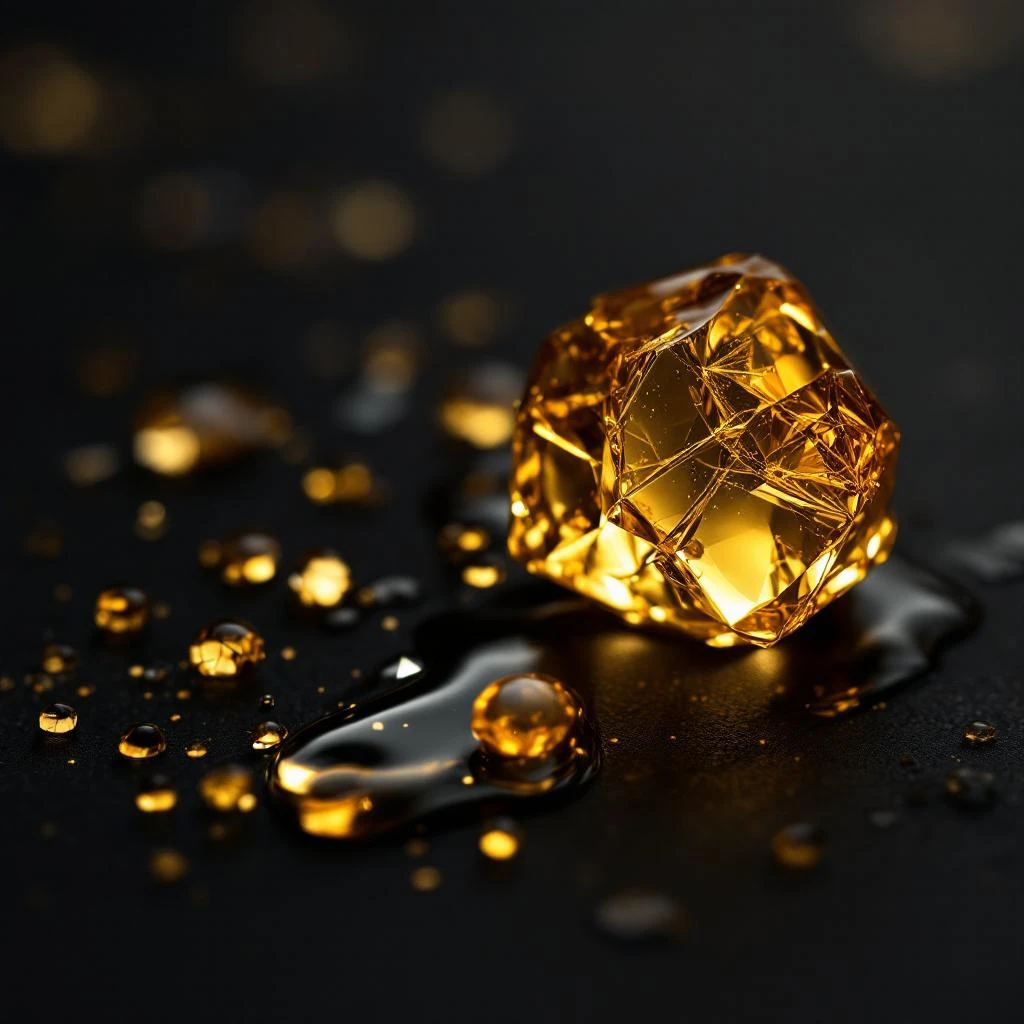
Incense in perfumery refers to aromatic resins, primarily from the Boswellia genus, that add smoky, spiritual notes to fragrances. True incense comes from tree resin found in specific regions of Africa, the Middle East, and India. The practice dates back millennia, with organized production around 1850 BCE on Cyprus marking early organized perfumery.
Is incense natural or synthetic?
Most incense in fine perfumery is natural, sourced from Boswellia and Commiphora trees. These resins are steam-distilled for essential oils or processed via solvent extraction for absolutes. Synthetic incense materials exist as aroma chemicals, but natural resins offer superior complexity that chemists have yet to fully replicate.
What fragrances pair well with incense?
Incense combines powerfully with vanilla, oud, amber, and spices like cardamom and saffron. It appears frequently in Oriental and Woody fragrance families, adding spiritual depth and smoky warmth. The combination with geranium or bergamot creates modern interpretations with surprising freshness.
What does incense smell like?
Incense presents a complex profile: smoky, resinous, warm, and slightly medicinal. Different origins offer distinct facets—Somali frankincense brings sweet citrus and pine, while Omani varieties lean balsamic and honeyed. The versatility allows incense to anchor compositions or shine as a luminous centerpiece.
How is incense resin harvested?
Harvesters make careful incisions in Boswellia tree bark, and the resin slowly exudes over weeks, hardening into tears. Each tree yields only small quantities annually, making quality incense genuinely scarce. Traditional tapping methods have remained largely unchanged for centuries across Somalia, Oman, and Ethiopia.
Are all incense materials sustainable?
Some Boswellia species face genuine threats from overharvesting and environmental pressure, raising sustainability concerns. Premium sourcing now emphasizes responsible harvesting practices and community management. Reputable suppliers trace materials to specific forests, supporting both conservation and fair livelihoods for harvesting communities.
What cultures traditionally used incense?
Incense holds sacred significance across Egyptian, Indian, Chinese, Japanese, and Arabian traditions. Egyptian temples burned it during rituals, Indian traditions use it in Ayurvedic and spiritual practices, and Japanese Buddhism features it in ceremonies. Frankincense and myrrh appear prominently in Christian, Islamic, and Hindu rituals worldwide.
How long has incense been used in perfumery?
Perfume originated over five thousand years ago, with Mesopotamians developing extraction methods around 1200 BCE. Incense arrived in Egypt around 3000 BCE, remaining sacred for centuries before entering daily use. France became the center of modern perfumery, where incense remains foundational to the Oriental and Woody families.