Myrrh
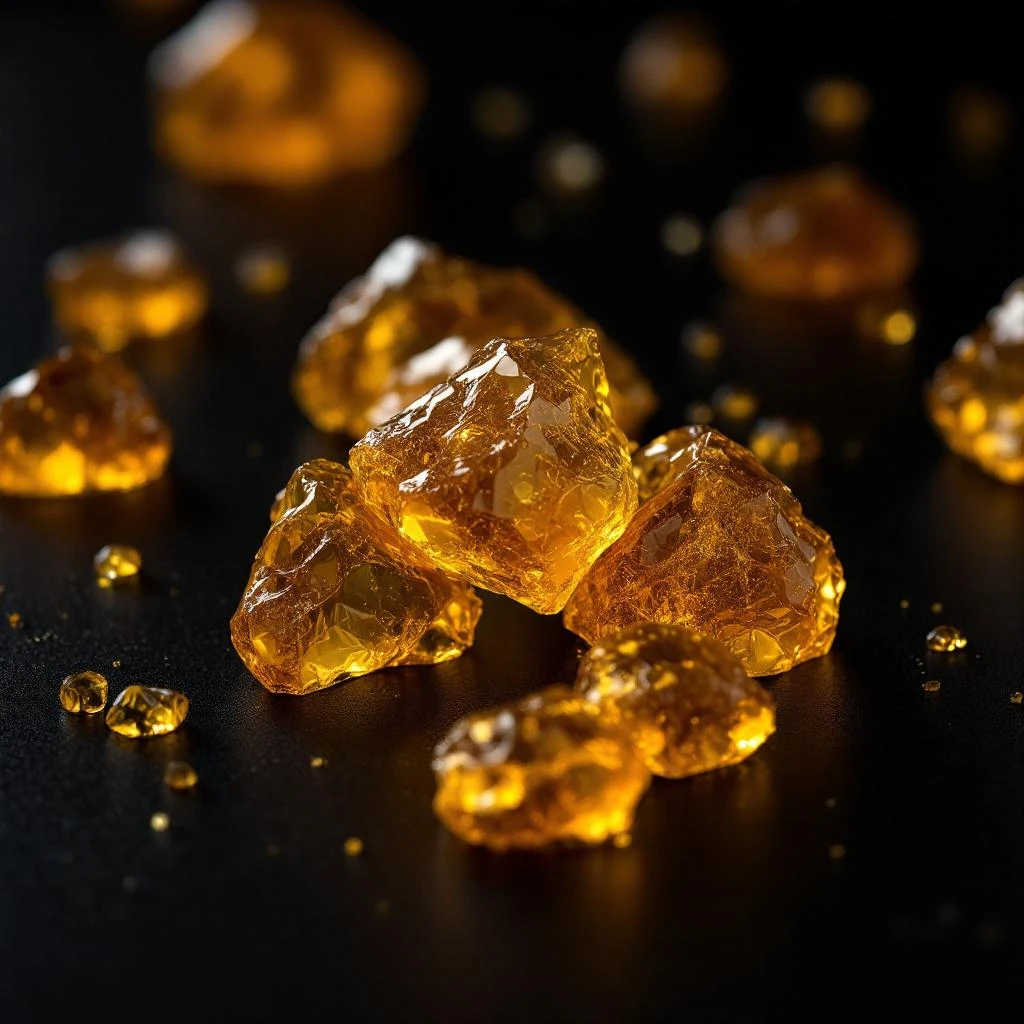
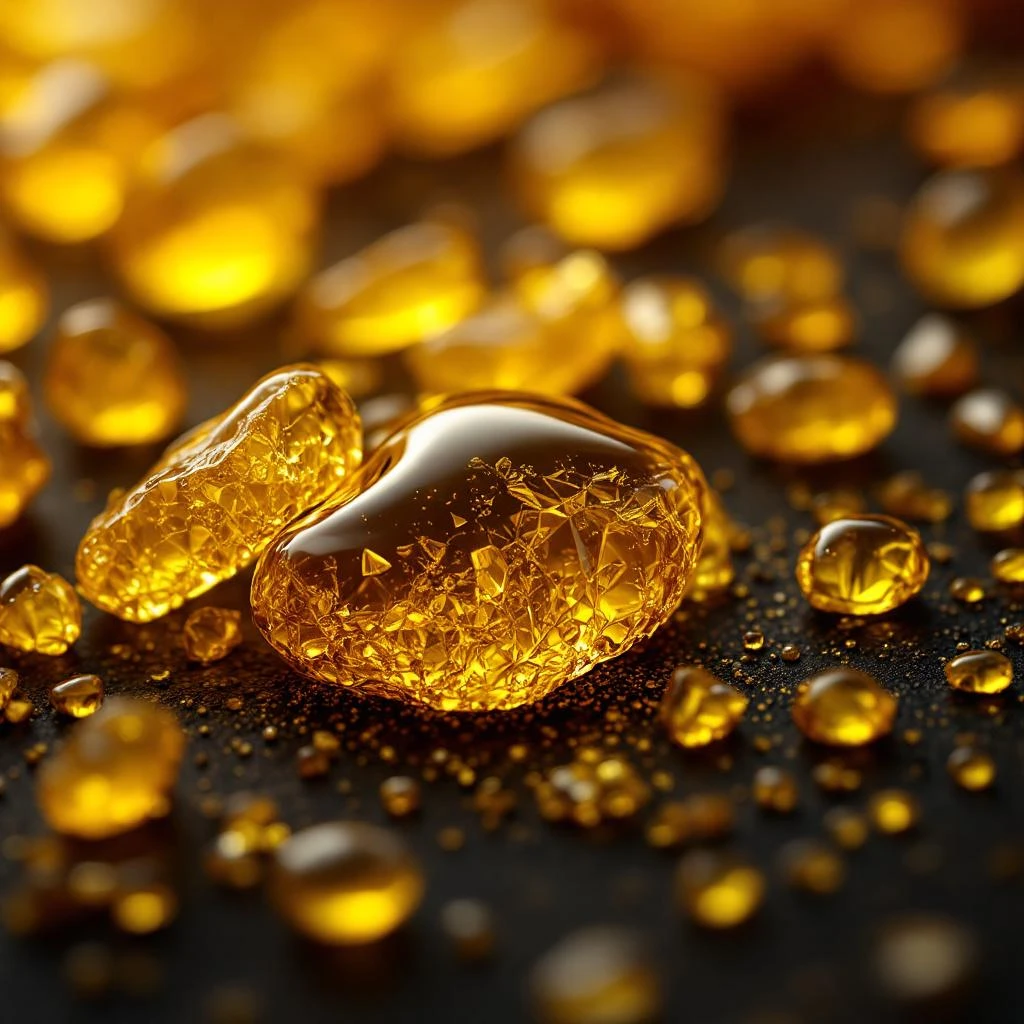
Myrrh is a resin steeped in ritual, harvested from Commiphora trees across ancient trade routes. Its bitter-sharp, smoky warmth anchors incense blends, sacred unguents, and base notes that refuse to vanish.
Character
How it smells
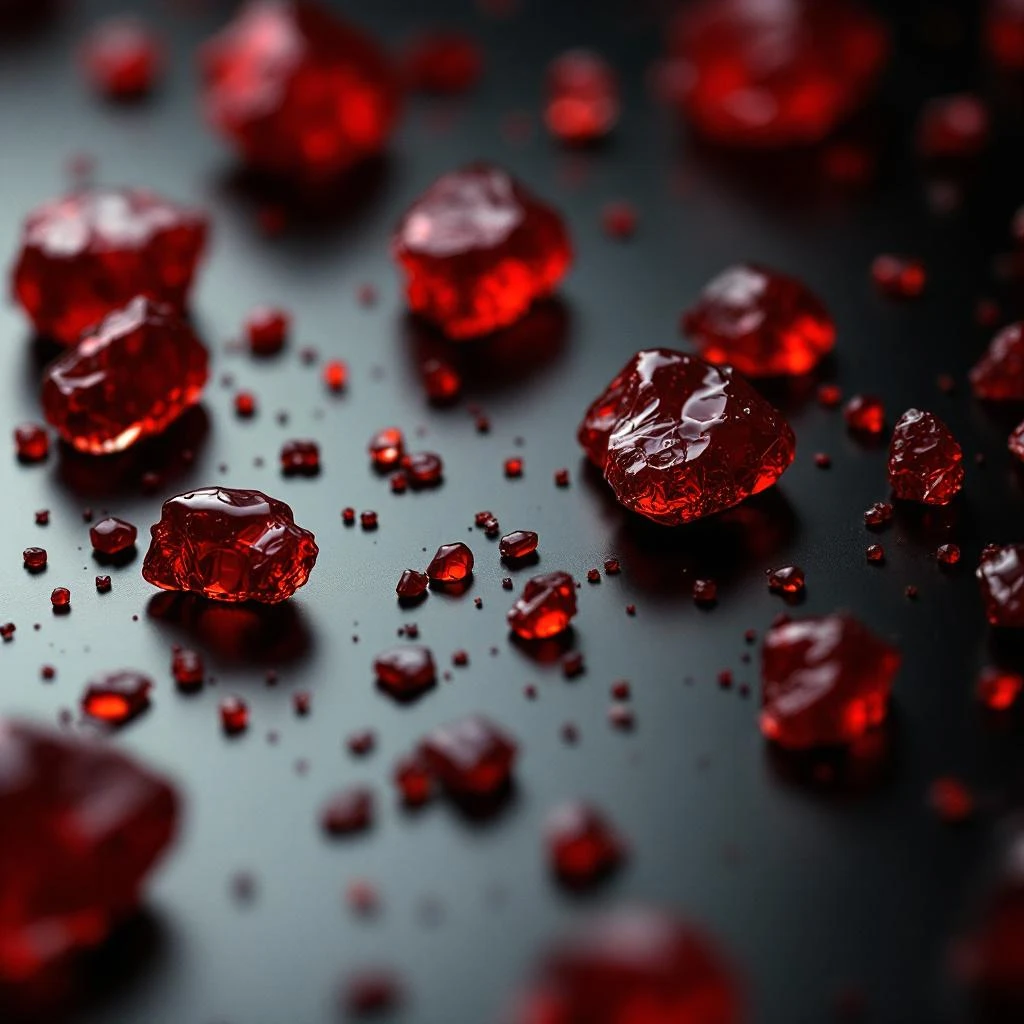
Bitter resin, sacred smoke, ancient stillness.
The name myrrh derives from the Semitic root m-r-r, meaning bitter. Arabic murr, Hebrew mor, and Akkadian murru all trace back to the same tongue.








Origin
Somalia
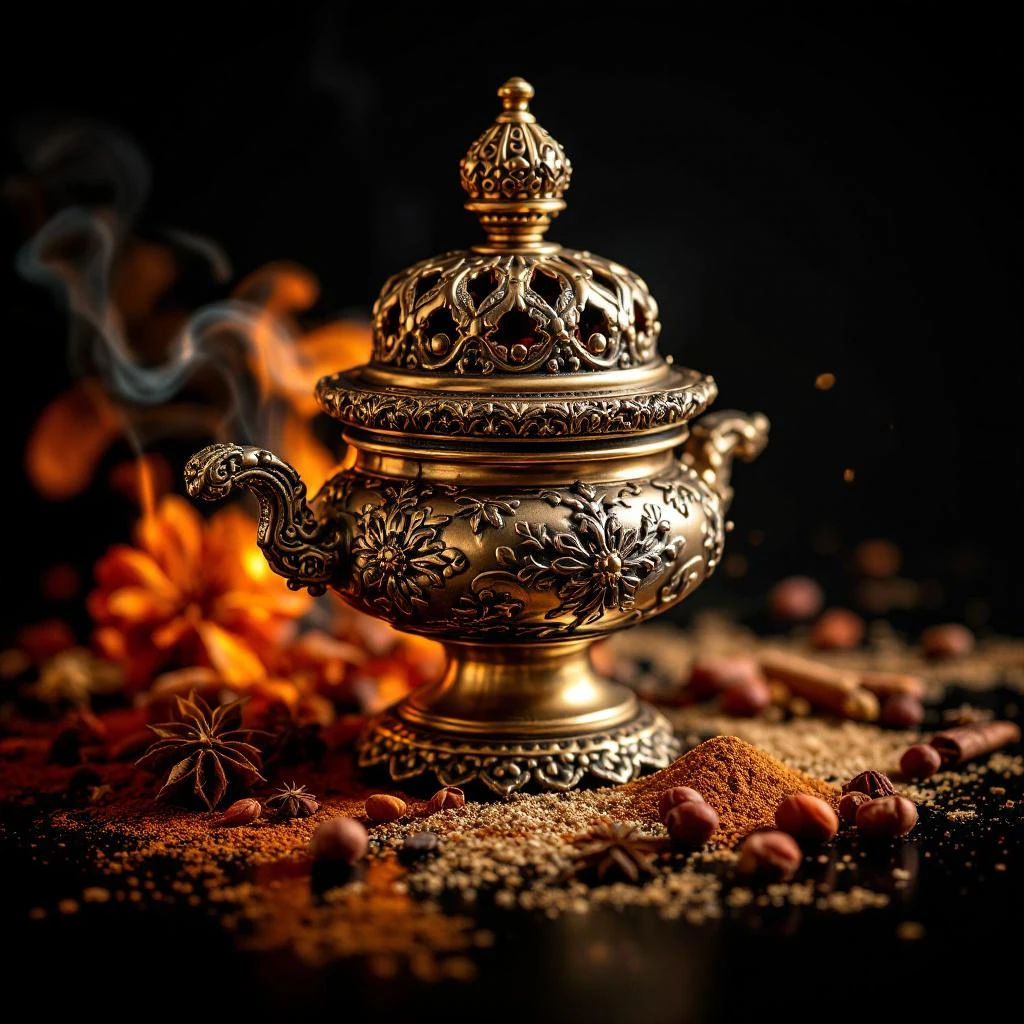
Myrrh is one of the oldest documented fragrance materials in human history. Its resin traveled the incense routes from Arabia, Somalia, and Ethiopia into Egypt, where it became a sacred ingredient in embalming rituals and temple fumigation. Ancient Egyptians blended it into kyphi, a temple incense whose recipes survive on papyrus.
The resin appears in the Old Testament as bdellium, making it one of the earliest botanicals named in scripture. Across Mesopotamia, myrrh entered aromatic formulations alongside cedarwood and cypress. By roughly 1200 BCE, solvent-based extraction methods had emerged in the region, allowing perfumers to capture resinous essences into stable oils.
In the Islamic golden age, Avicenna and later scholars refined distillation techniques that brought myrrh's character into new medicinal and ceremonial contexts. The resin remained a traded commodity across the Mediterranean, across Asia, and into China, where it found a place in traditional medicine and incense craft. Today, myrrh retains its dual identity as a perfume base note and a material of deep historical memory.
Wears it best
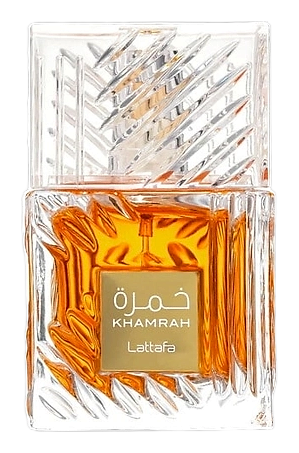
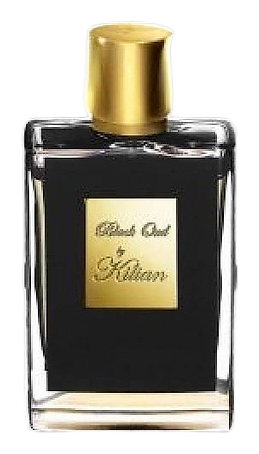
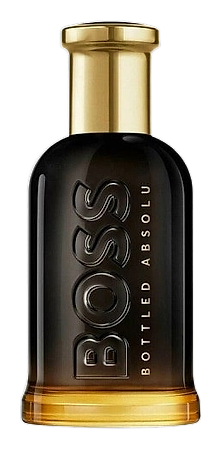
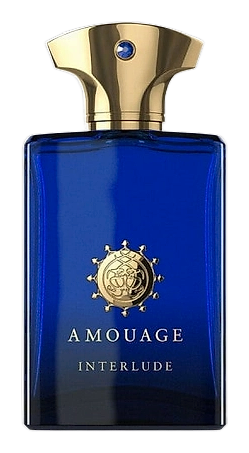
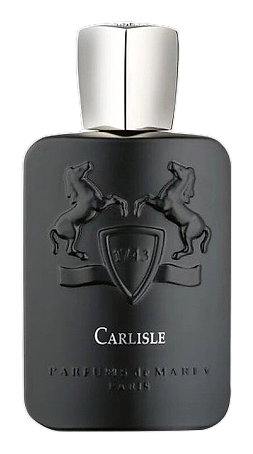
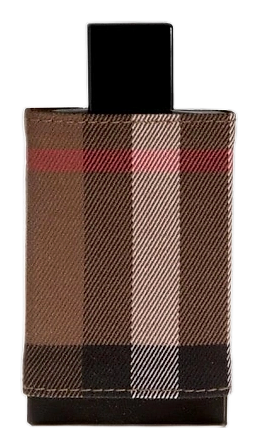
Fragrances featuring Myrrh




Brands
Brands known for Myrrh
Good to know
Questions, answered
The essentials on Myrrh in perfumery: how it smells, where it comes from, and how it behaves on skin.
What does myrrh smell like in perfume?
Myrrh contributes a warm, bitter, resinous aroma with smoky and slightly medicinal undertones. It functions as a base note, lending depth and longevity to fragrances. Its character is drier and sharper than frankincense, with a distinctive bittersweet edge.
Is myrrh a base or top note?
Myrrh is classified as a base note. Its heavy resinous molecules evaporate slowly, anchoring lighter top and heart notes. This longevity makes it a structural element in incense-style, oriental, and chypre compositions.
Where does myrrh resin come from?
Myrrh resin originates primarily from wild Commiphora trees in Somalia, Ethiopia, and Arabia. Northern Kenya, including Samburu and Marsabit, is a significant modern harvesting region. Local communities collaborate on sustainable wild collection.
How is myrrh essential oil produced?
Steam distillation of hardened myrrh resin tears yields the essential oil. Harvesters cut Commiphora bark, collect the exuded sap, and let it solidify. Some producers also use solvent extraction to create a richer resinoid.
What is the origin of the word myrrh?
The word derives from the Semitic root m-r-r, meaning bitter. It appears as murr in Arabic, mor in Hebrew, and murru in Akkadian, reflecting the resin's sharply bitter taste alongside its aromatic properties.
Why was myrrh important in ancient Egypt?
Myrrh served as a sacred ingredient in Egyptian embalming practices. It was also a key component of kyphi, the temple incense used to fumigate sacred spaces. Its rarity made it a valuable trade commodity.
Can myrrh be used in natural perfumery?
Yes. Myrrh essential oil and resinoid are widely used in natural and botanical perfumery. Both materials are obtained through physical extraction from plant resin without synthetic modification, fitting most natural formulation standards.
What other notes pair well with myrrh?
Myrrh pairs naturally with frankincense, oud, sandalwood, and cedarwood for resinous depth. It also complements rose, neroli, and spices like cinnamon, adding warmth and grounding lighter, brighter compositions.