Musk
The warm, skin-like base note that anchors nearly every modern fragrance. Musk has shaped perfumery for over 4,000 years, evolving from a rare animal secretion into a family of versatile synthetic molecules.

Character
How it smells
The scent that lingers like memory on skin.
Producing one kilogram of natural musk required the glands of roughly 140 musk deer, a cost that drove perfumery to synthesize the note in 1926.








Origin
Switzerland
Musk appears in the Sumerian record from the third millennium BC, where it entered ritual and medicinal use in Mesopotamia. By the 6th century, Greek explorers carried the material westward from India, and it became a prized commodity along Silk Road caravan routes connecting Tibet, Bengal, and Byzantium. In medieval European perfumery, animal musk shared top billing with ambergris, civet, and castoreum, valued for its fixative power and the warm, erotic undertone it lent to compositions.
Renaissance courts prized it so highly that apothecaries guarded their stocks closely. The cost was staggering: producing one kilogram of usable material required the musk pods of roughly 140 musk deer, a figure that fueled both conservation concerns and price inflation through the 19th century. The ethical and economic pressures of that era pushed chemists toward synthesis.
Baur identified artificial musk in 1888, and Ružička's structural elucidation of muscone in 1926 unlocked the macrocyclic class. Today synthetic musks underpin global fragrance manufacturing, while the musk deer itself remains protected under CITES Appendix I.
Wears it best
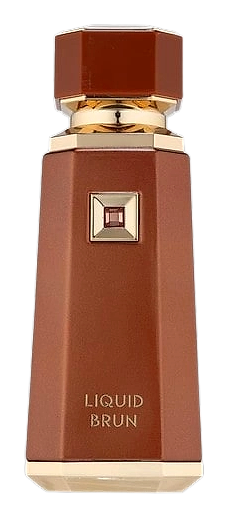
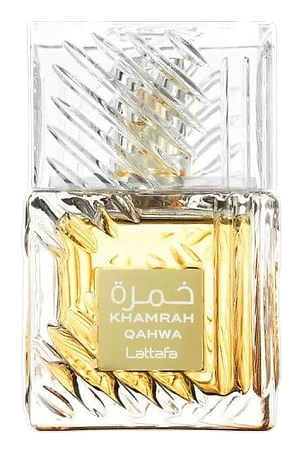
Fragrances featuring Musk

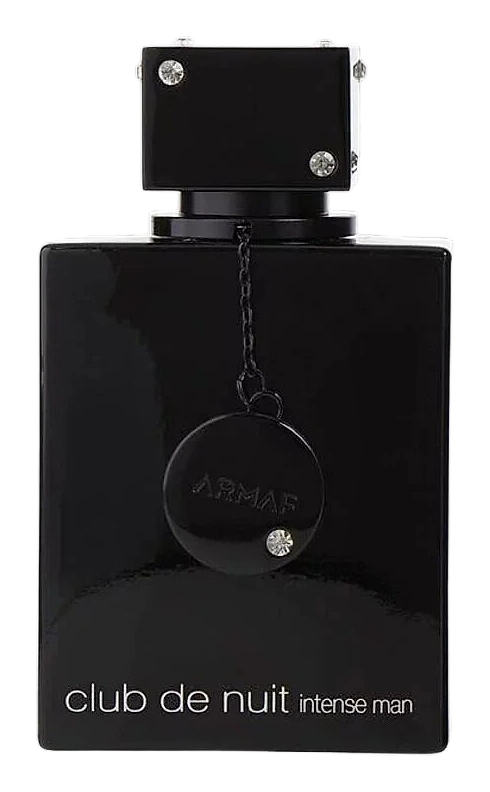
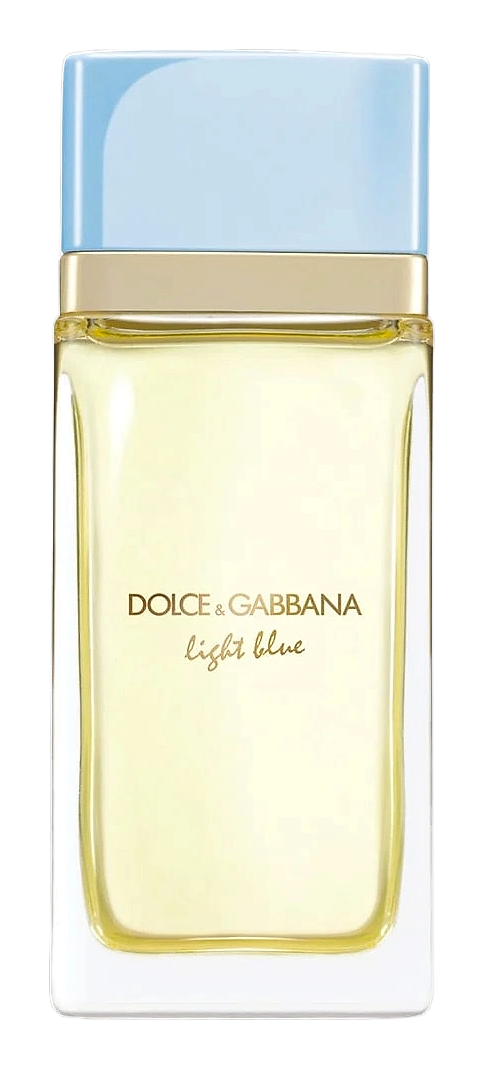
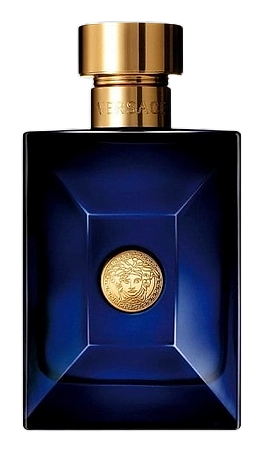

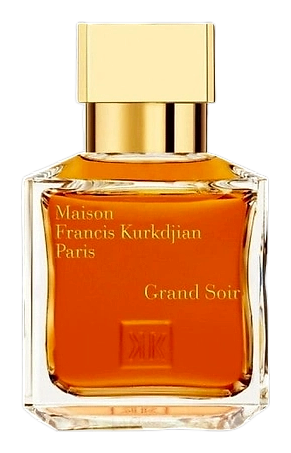




Brands
Brands known for Musk
Good to know
Questions, answered
The essentials on Musk in perfumery: how it smells, where it comes from, and how it behaves on skin.
What does musk smell like in perfume?
Modern musk reads as warm, soft, and skin-like, often described as clean cotton with a subtle powdery undertone. White musks add a fresh, soapy quality, while macrocyclic musks like muscone contribute a deeper, almost animalic warmth that anchors base notes.
Is musk still taken from musk deer?
No. Commercial perfumery shifted to synthetic musk in the late 19th and 20th centuries, and the musk deer is now protected under CITES Appendix I. The natural material appears only in a handful of legacy or specialty compositions.
When was synthetic musk invented?
Albert Baur discovered artificial musk in 1888 while experimenting with explosives. In 1926, chemist Lavoslav Ružička synthesized muscone, the key molecule in deer musk, launching the macrocyclic musk class still used today.
Why is musk added to so many fragrances?
Musk acts as a fixative, slowing the evaporation of more fleeting top and heart notes so the fragrance lasts longer on skin. Its soft, warm character also bridges sharp citrus or floral notes into a cohesive base.
What is white musk?
White musk refers to a family of synthetic musks, including galaxolide and helvetolide, prized for their clean, cotton-like scent. They replaced older nitro musks in the 1990s after safety reviews flagged potential concerns with the earlier compounds.
Are there natural plant-based musks?
No plant produces true musk odorants. Angelica root and musk flower (Mimulus) carry musky facets, but all musk notes in modern perfumery are either synthetic or, historically, animal-derived.
Is musk sustainable today?
Synthetic musk production is largely sustainable, using catalytic chemistry with high atom economy. Biotech firms are piloting yeast-fermented muscone as a renewable alternative, though it remains a small fraction of the global supply.
Which perfumes are famous for their musk base?
Jovan Musk (1972) helped popularize musk as a standalone genre, while Narciso Rodriguez For Her (2003) showcased white musk at center stage. Classic chypres and orientals from Guerlain and Chanel rely on musk as an invisible structural anchor.