Tonkin Musk
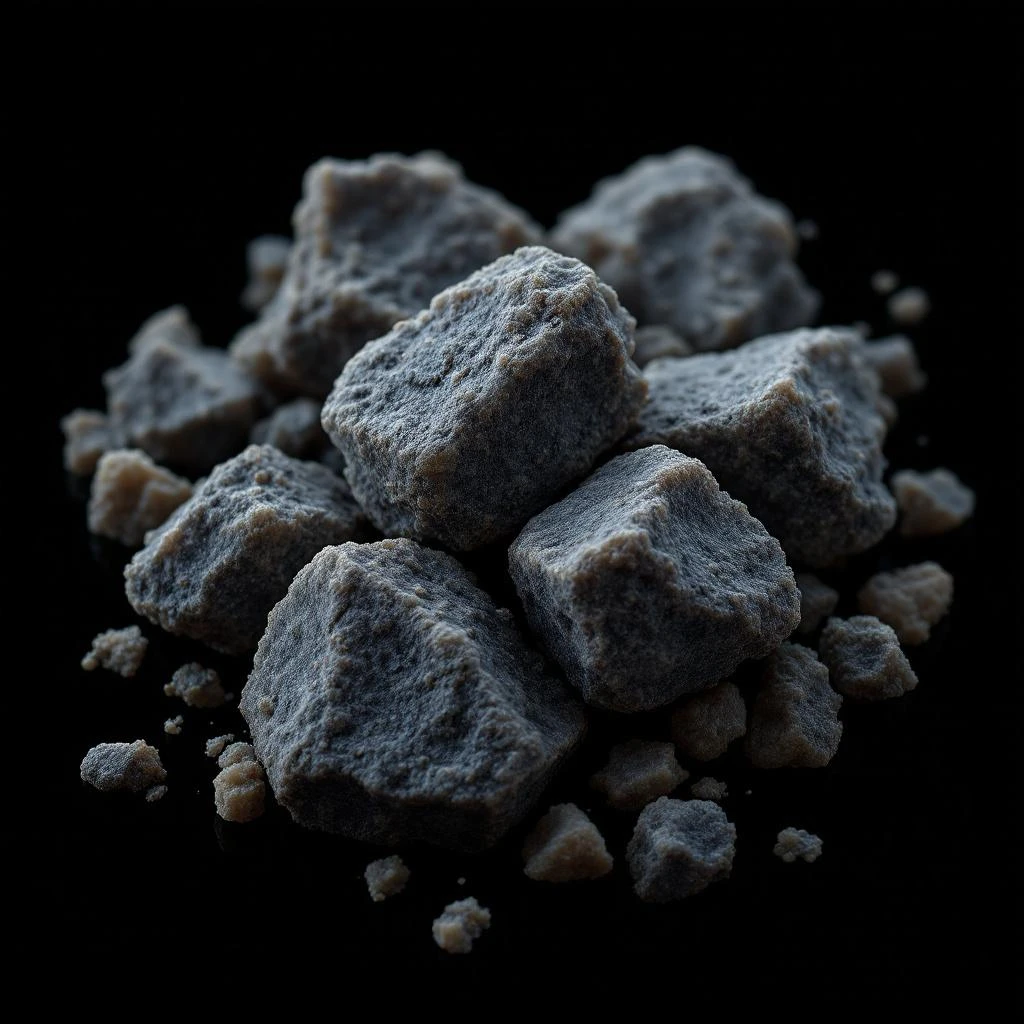
Tonkin Musk, the rare secretion of the Tonkin musk deer, delivers a warm, animalic core that softens into a subtle powdery finish, adding depth and elegance to premium fragrances.

Character
How it smells
Nature’s most coveted animalic note.
Only a handful of Tonkin musk glands survive each year; a single dried pouch can weigh less than a gram yet yields enough oil for dozens of perfume bottles.








Origin
Vietnam
Musk has traveled with humanity since the third millennium BC, when Sumerian tablets recorded its use in sacred incense. The scent moved along trade routes to ancient China, where the musk deer of the Tonkin region became a prized source for royalty.
By the 12th century, Chinese courts demanded Tonkin musk as a symbol of power, and it appeared in Persian and Ottoman perfumery as a luxury export. The 19th century saw a surge in European demand, prompting over‑harvesting that drove the species toward endangerment.
International conventions in the late 20th century placed the Tonkin musk deer under CITES protection, limiting legal trade to certified farms. Despite restrictions, the note remains a fixture in high‑end compositions, valued for its ability to anchor bright top notes with a deep, animalic foundation that modern synthetics only approximate.
Wears it best
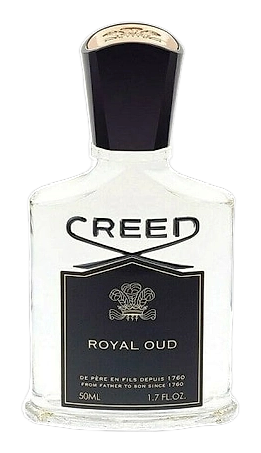
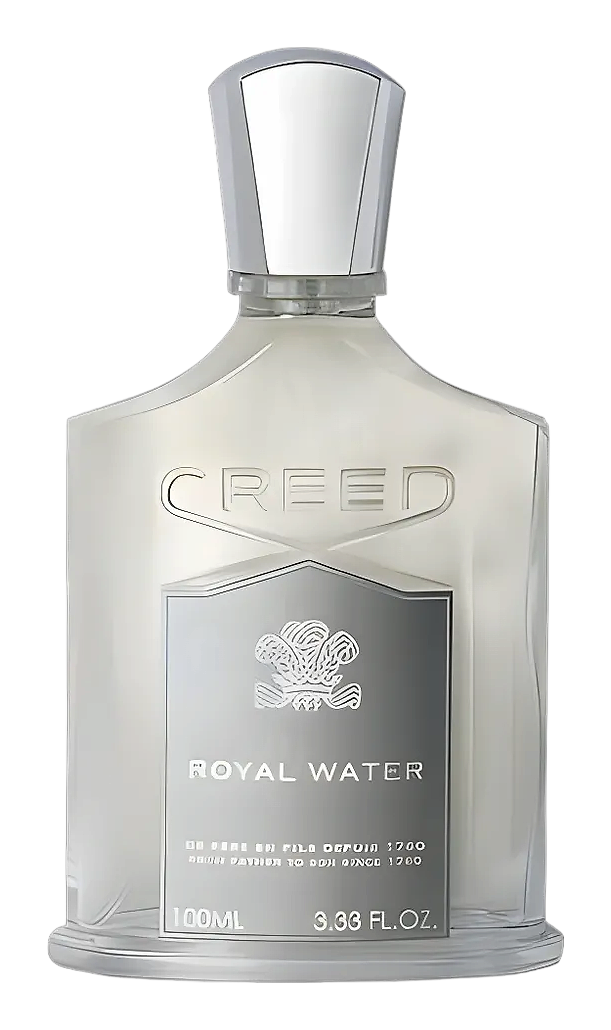
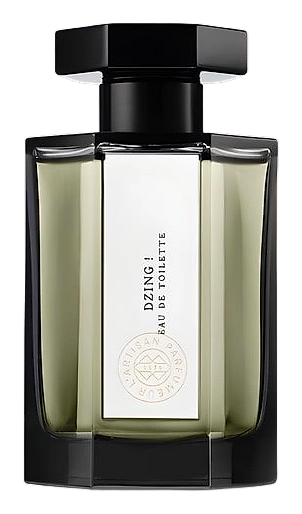
Fragrances featuring Tonkin Musk
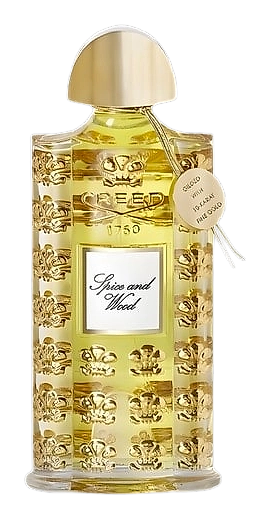
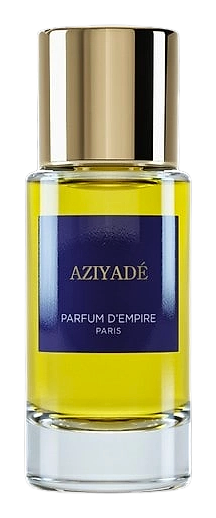

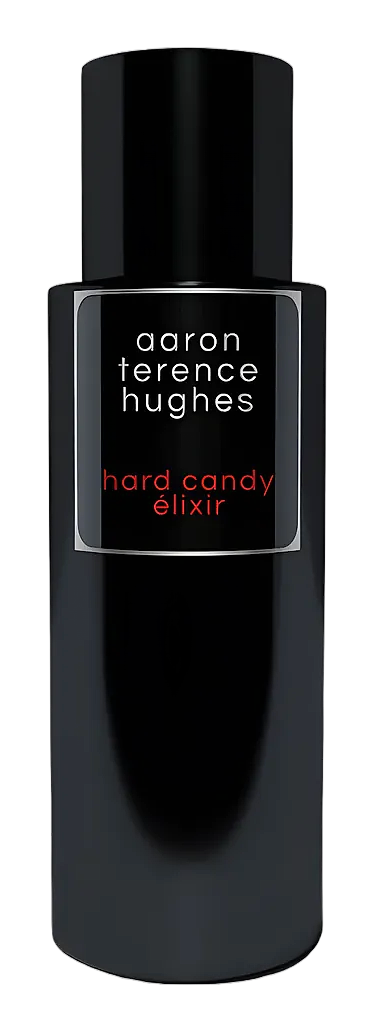

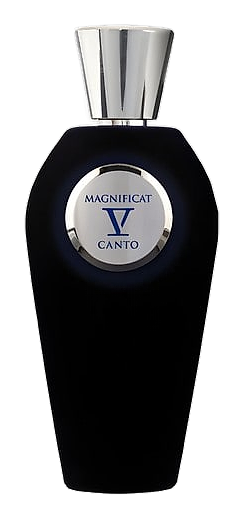
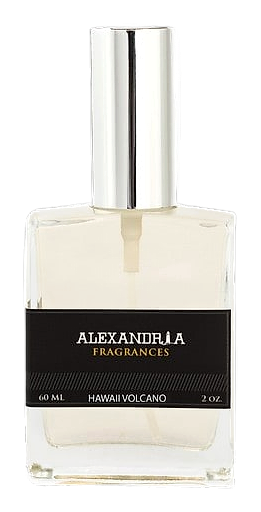
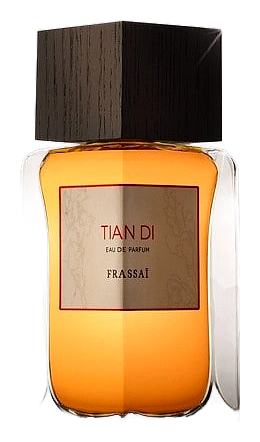
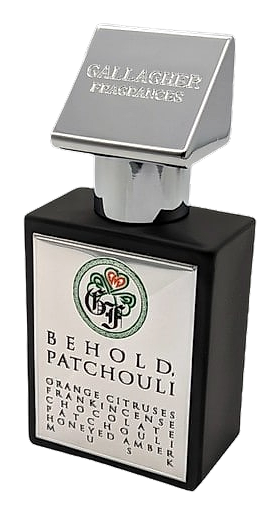
Brands
Brands known for Tonkin Musk
Good to know
Questions, answered
The essentials on Tonkin Musk in perfumery: how it smells, where it comes from, and how it behaves on skin.
What is Tonkin Musk?
Tonkin Musk is the natural secretion from the musk gland of the male Tonkin musk deer. It has been prized for its warm, animalic aroma for centuries. The gland produces only a few milligrams per harvest, typically 0.5–2 g per animal.
How is Tonkin Musk extracted?
Harvesters remove the glandular pouch from a live deer, then soak the dried secretion in alcohol to create a tincture. The process yields a concentrated oil used by perfumers. Traditional extraction uses a 70 % ethanol solution for 30 days.
Is Tonkin Musk sustainable?
The species is listed as endangered, and wild harvesting threatens its survival. Conservation programs now limit collection to a few licensed farms. In 2022, Vietnam reported only 120 legal harvests nationwide. These permits aim to balance market demand with species protection.
What does Tonkin Musk smell like?
It presents a deep, sweaty animalic core that softens into a sweet, powdery dry‑down. The scent recalls warm fur and damp earth. Perfumers note a lingering amber‑like facet after ten minutes on skin.
How is Tonkin Musk used in modern perfumery?
It acts as a base note that anchors floral and citrus top notes, extending longevity. Small amounts blend with synthetic musks for balance. A typical formula contains 0.2 % Tonkin Musk in a 100 ml batch. This concentration delivers the signature depth without overpowering.
Are there legal restrictions on Tonkin Musk?
International trade is regulated under CITES, limiting export to certified sources. Many countries require permits for import. In 2021, the United States denied 15 shipments lacking CITES documentation. Compliance ensures protection of the musk deer population.
How does Tonkin Musk differ from synthetic musks?
Natural Tonkin Musk carries a complex animalic profile that synthetic analogs approximate but cannot fully replicate. It also contains trace macro‑molecules unique to the gland. Gas chromatography shows over 30 distinct compounds in natural musk versus 5 in typical synthetic.
What is the cultural significance of Tonkin Musk?
Historically, it served as a status symbol in royal courts across Asia and the Middle East. Its rarity made it a diplomatic gift. In 16th‑century Persia, a single ounce fetched the price of a horse.