Sandalwood
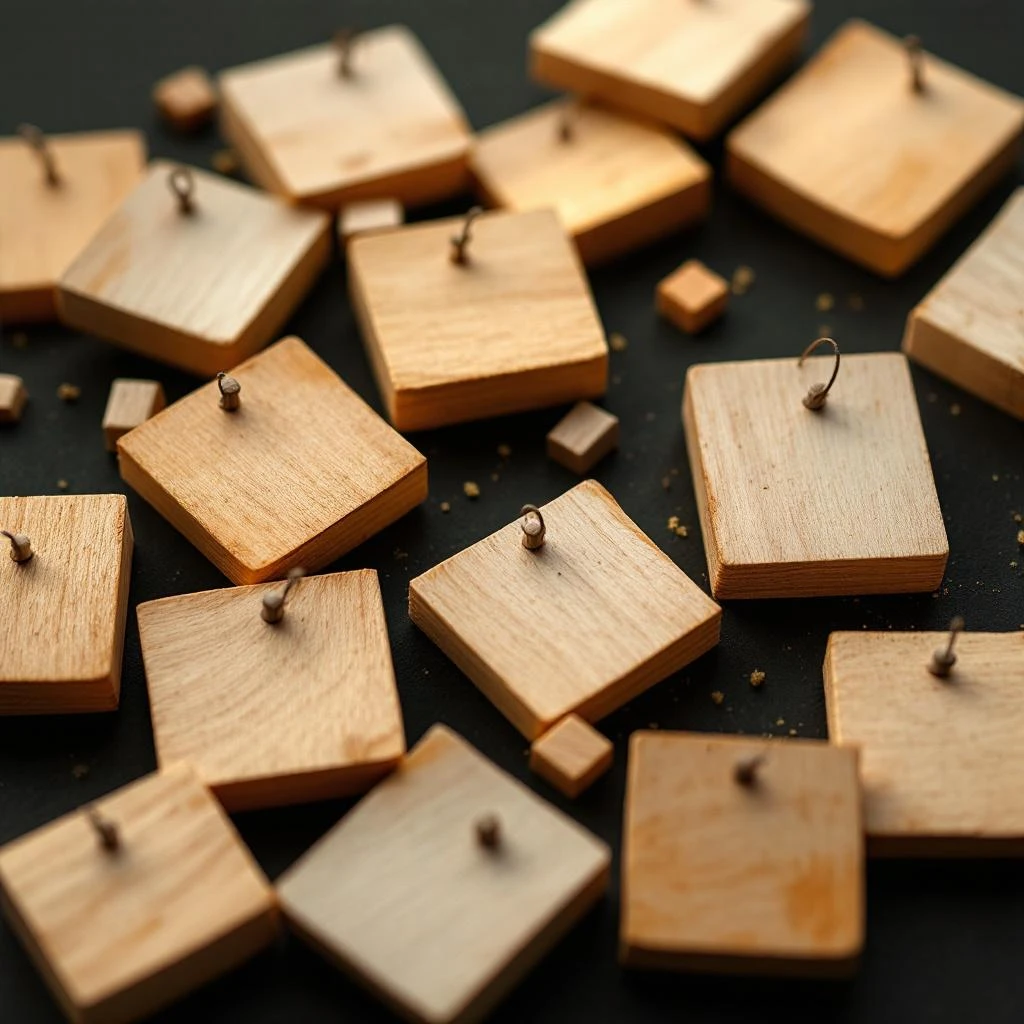
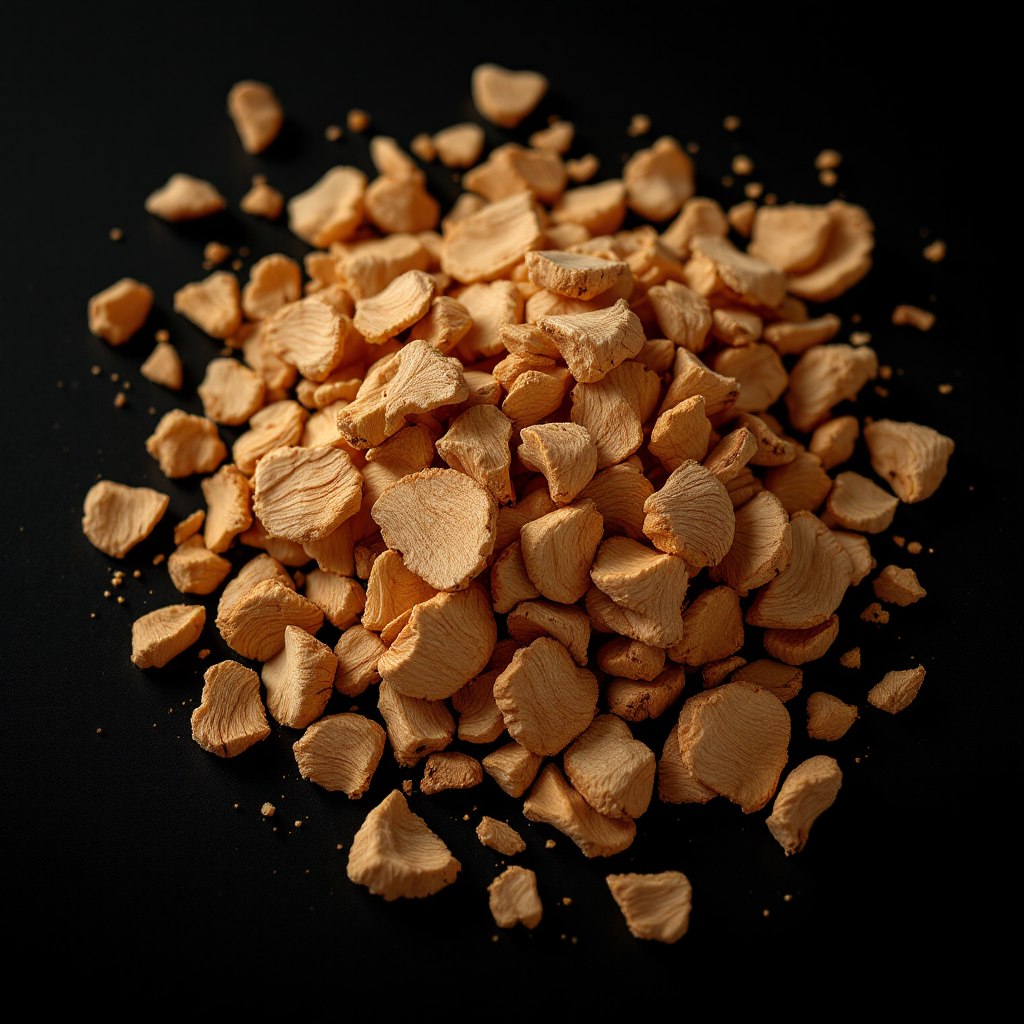
Sandalwood is perfumery's creamy cornerstone, a golden oil distilled from the heartwood of a slow-growing tree. It anchors countless compositions with warmth, softness, and remarkable staying power.

Character
How it smells
Ancient wood, timeless warmth
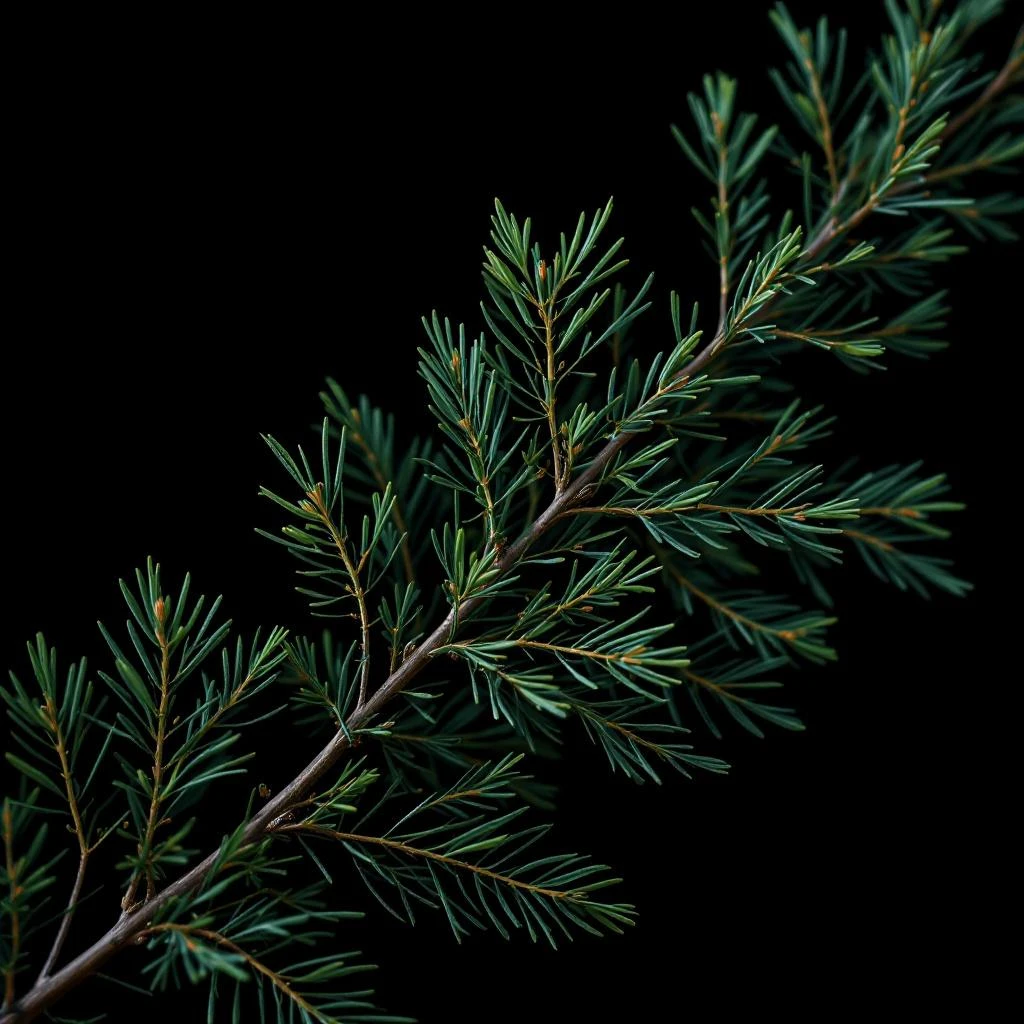
Sandalwood trees are hemiparasitic, drawing nutrients from the roots of neighboring plants. They must grow for at least 15 years before their heartwood develops enough aromatic oil to harvest.








Origin
India
Sandalwood is one of the oldest known perfume ingredients, with continuous use spanning over 4,000 years. Its earliest origins trace to India, where the Mysore and Karnataka regions became renowned for producing the world's finest specimens. In ancient Egypt, sandalwood appeared in incense, cosmetics, and embalming rituals, valued for its ability to preserve and perfume sacred spaces.
Trade routes carried Indian sandalwood across Mesopotamia, China, and the Mediterranean, where it commanded prices rivaling gold. Buddhist and Hindu traditions adopted it for temple carvings and ceremonial offerings, believing the wood held protective spiritual properties. By the 19th century, European perfumers recognized its exceptional fixative qualities, anchoring floral and oriental compositions.
Overharvesting during the 20th century made wild Santalum album critically endangered, driving the development of cultivated plantations and shifting demand toward Australian and Pacific varieties. Today, Indian Mysore sandalwood remains a gold standard, though strict government controls limit its availability.
Wears it best
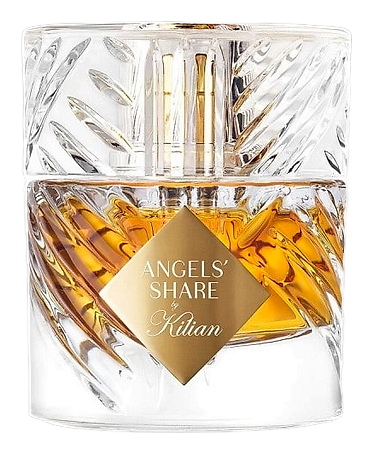
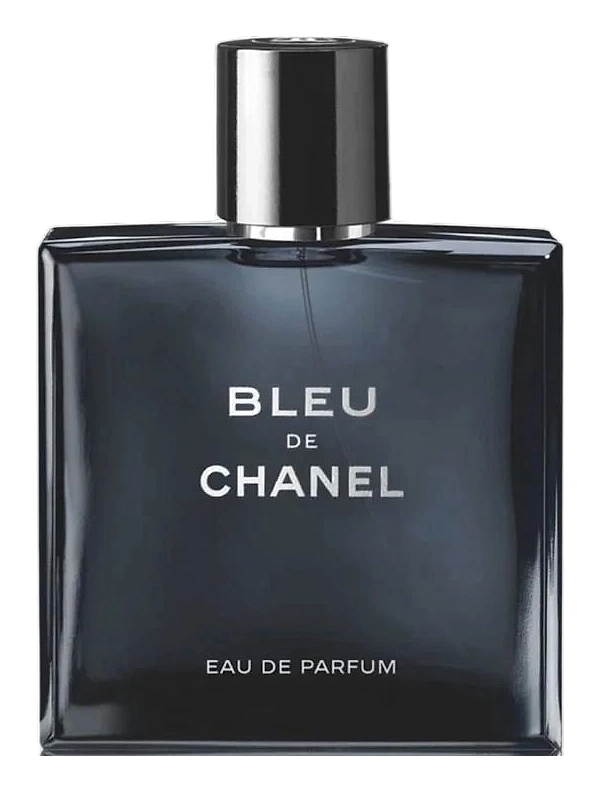
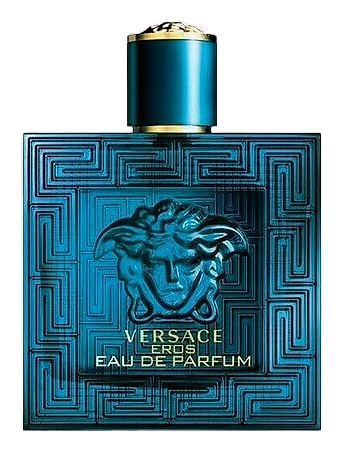
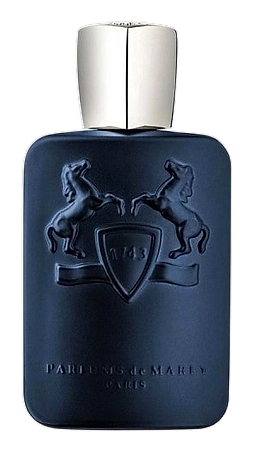
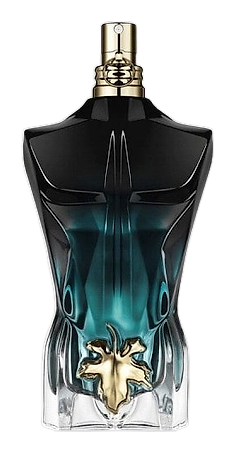
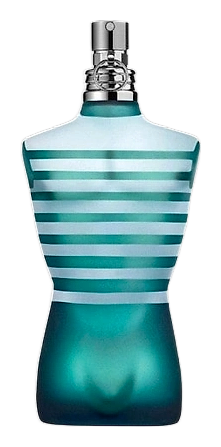
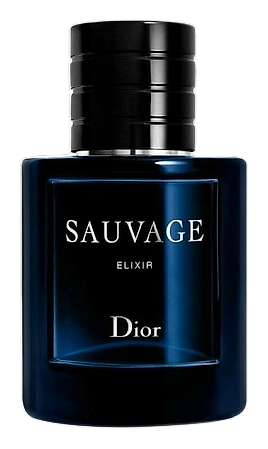
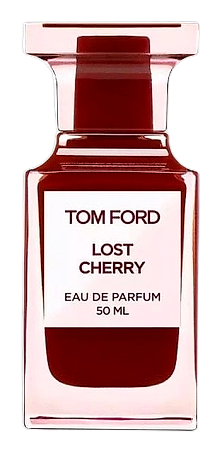
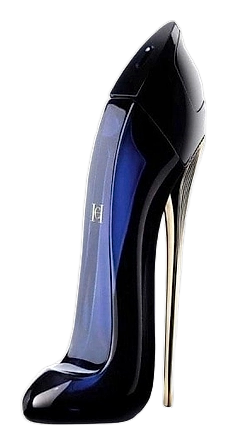
Fragrances featuring Sandalwood



Brands
Brands known for Sandalwood
Good to know
Questions, answered
The essentials on Sandalwood in perfumery: how it smells, where it comes from, and how it behaves on skin.
What does sandalwood smell like in perfume?
Sandalwood smells creamy, milky, and warm with soft woody undertones. Its scent is remarkably smooth, lacking the sharp edges found in other woods, which makes it a natural fixative and base note in countless fragrances.
Why is sandalwood so expensive?
Sandalwood is expensive because Santalum album trees require 15 to 30 years to mature, and wild populations became critically endangered from overharvesting. Government restrictions in India limit supply, while plantations in Australia and the Pacific offer alternatives at varying price points.
What is the difference between Mysore and Australian sandalwood?
Mysore sandalwood from Karnataka, India, is the traditional benchmark with a rich, creamy profile and high santalol content. Australian Santalum spicatum is drier and slightly more resinous, offering a distinct but related character at different sustainability and cost levels.
Is sandalwood sustainable?
Natural Santalum album faces supply challenges due to historical overharvesting. Certified plantations in Australia, New Caledonia, and Timor-Leste now provide sustainable alternatives, and synthetic molecules like Sandalore offer additional options without ecological pressure.
What is santalol?
Santalol is the primary aromatic compound in sandalwood oil, specifically alpha-santalol and beta-santalol isomers. High-quality oils contain 41 to 55 percent alpha-santalol, which delivers the characteristic creamy, woody scent that defines genuine sandalwood.
How long does the sandalwood scent last on skin?
Sandalwood functions as a base note with exceptional longevity, often persisting 8 to 12 hours on skin. Its molecular structure slows evaporation of accompanying top and heart notes, making it one of perfumery's most valued fixatives.
What fragrances commonly feature sandalwood?
Sandalwood appears across nearly every fragrance category, from classic orientals like Shalimar to modern woody compositions. It anchors masculine fougères, softens ambers, and adds creaminess to floral bouquets, making it among the most versatile ingredients in perfumery.
Can sandalwood be used in natural perfumery?
Yes, sandalwood is a cornerstone of natural perfumery. Steam-distilled essential oil from sustainably managed Santalum album or Santalum spicatum plantations qualifies for natural formulations, while certified organic Australian sandalwood meets strict ecological sourcing standards.