Oud
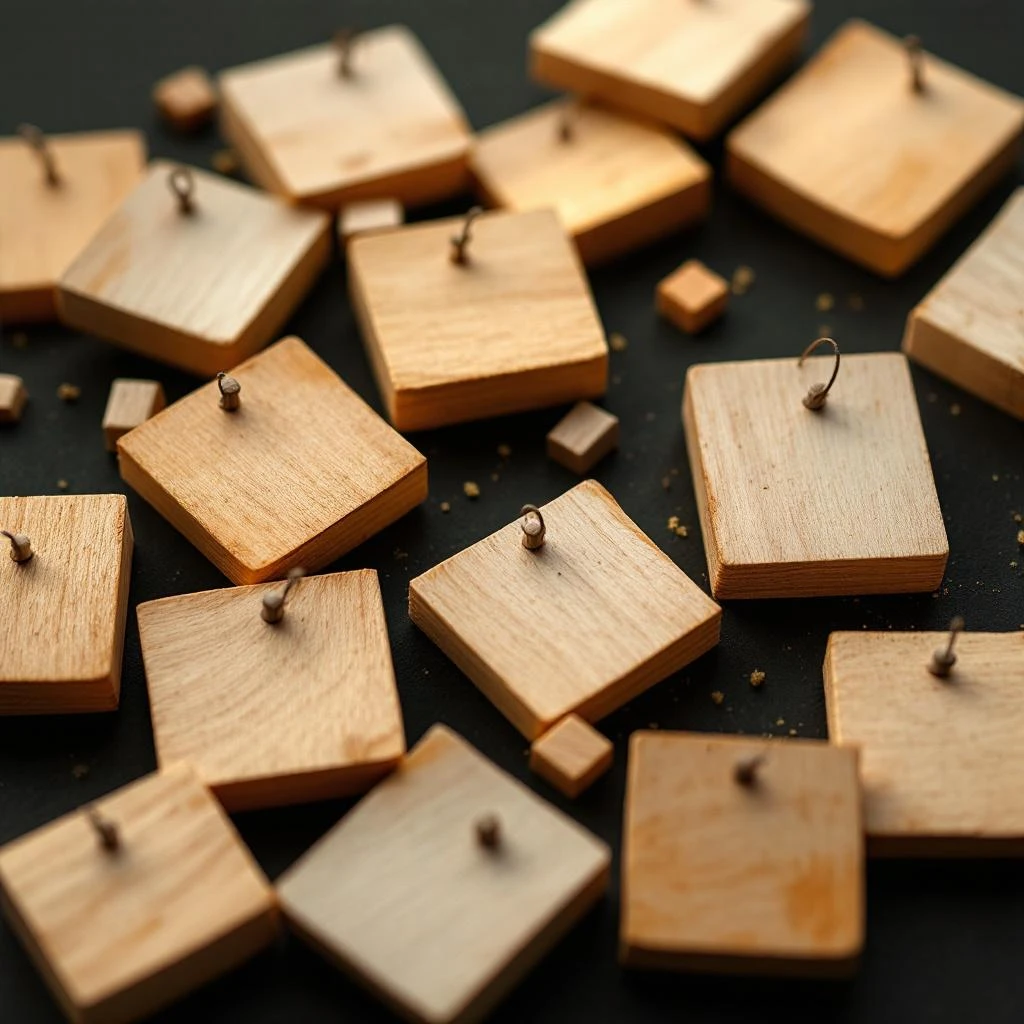
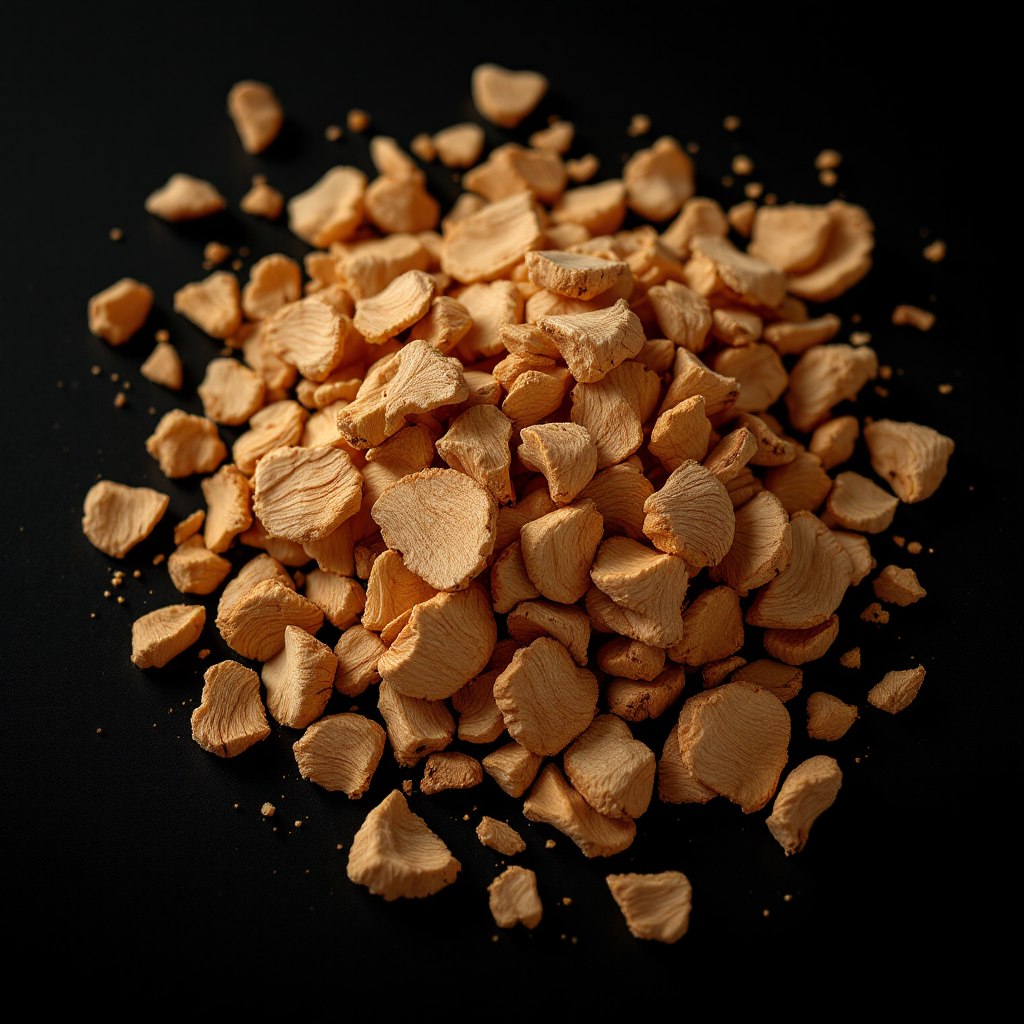
A dark, resinous heartwood born from infection. Oud carries smoky depth, animalic warmth, and an ancient gravity that has captivated perfumers for three millennia.

Character
How it smells
Infection made intoxicating.
Only about 2% of wild Aquilaria trees ever produce oud resin naturally, making it rarer than gold by weight.








Origin
Cambodia
Oud's documented history stretches back more than 3,000 years. The earliest known reference appears in Sanskrit texts from around 1400 BC, where agarwood is described in religious and medicinal contexts. Chinese records from the third century AD describe extraction techniques in central Vietnam, suggesting the resin was already a traded commodity across Asia.
In the Middle East, oud became central to religious practice and royal ceremony. Bedouin tribes burned chips as incense during gatherings, and the smoke, called bakhoor, signaled hospitality. By the medieval period, agarwood crossed the Indian trade routes into the Persian Gulf, where it gained its Arabic name and became embedded in Islamic spiritual tradition.
The resin's prestige only deepened with scarcity. Mughal emperors in India used oud-infused water to wash palace floors. In Japan, the incense ceremony known as kodo elevated agarwood appreciation to a refined art form with its own grading system.
Oud entered modern Western perfumery in the late 20th century, when French and Arabian houses began blending it into luxury compositions. Today, the global oud market exceeds hundreds of millions of dollars annually, driven by demand in the Gulf states and growing interest from Western fragrance houses seeking exotic depth.
Wears it best
Fragrances featuring Oud
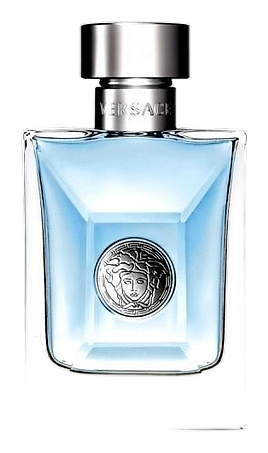
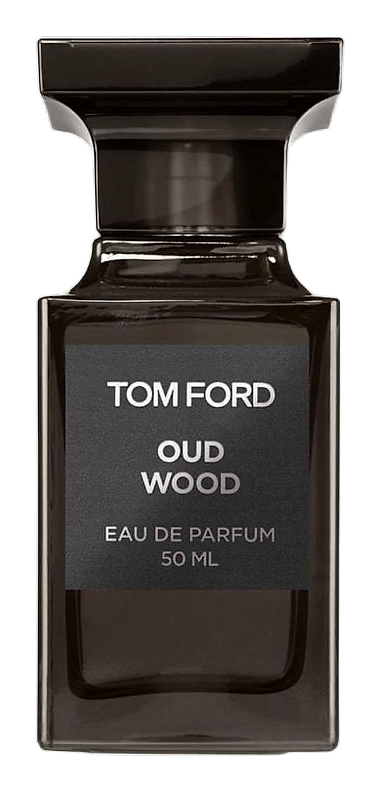
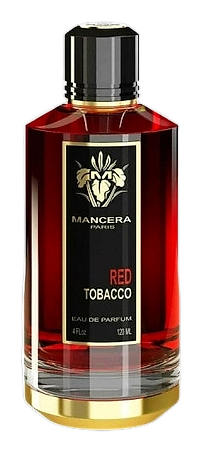
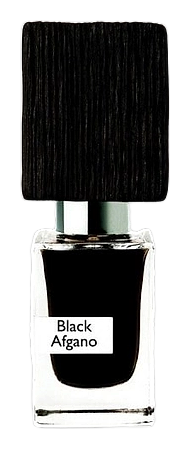
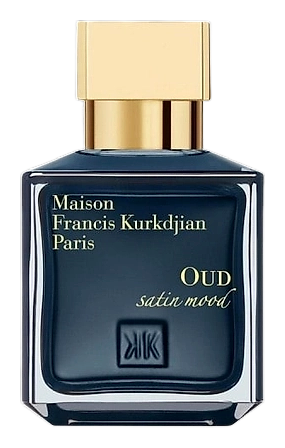
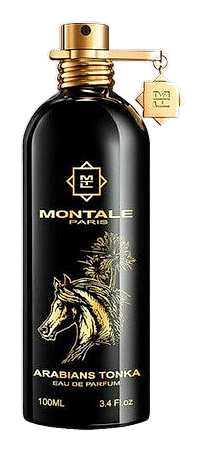
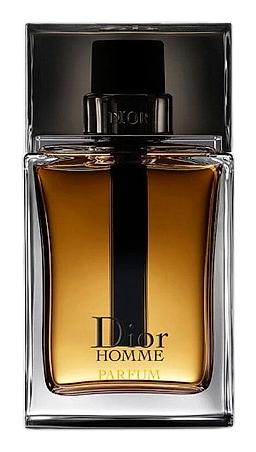
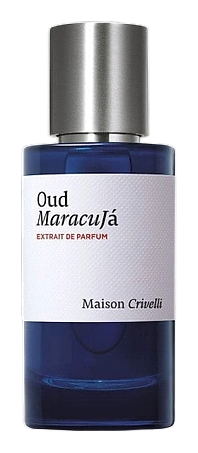
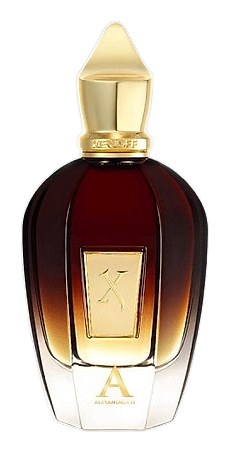
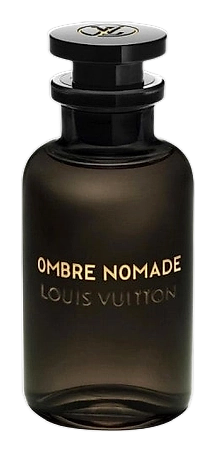
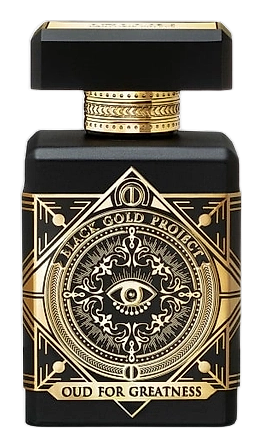
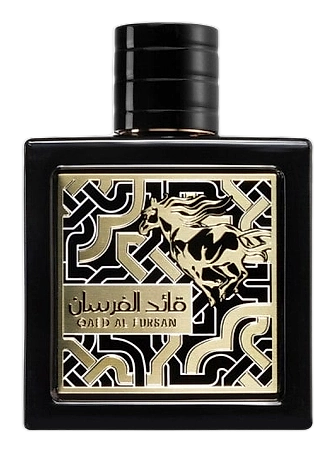
Brands
Brands known for Oud
Good to know
Questions, answered
The essentials on Oud in perfumery: how it smells, where it comes from, and how it behaves on skin.
What exactly is oud in perfumery?
Oud is an aromatic resin extracted from the heartwood of Aquilaria trees, which produce it as a defense when infected by specific fungi. In fragrance, it delivers smoky, animalic, and woody notes prized for their depth and longevity on skin.
Why is oud so expensive?
Oud commands high prices because fewer than 2% of wild Aquilaria trees naturally produce the resin, and hydrodistillation can take 48 hours or more per batch. Plantation trees now supply most commercial oil, but wild varieties remain among the costliest raw ingredients in perfumery.
Is oud natural or synthetic?
Most oud in modern perfumery combines natural resin extracts with synthetic molecules like Cashmeran or specialized captive bases. Natural oud oil remains rare and costly, while synthetic versions offer consistency and accessibility at varied price points.
What does oud actually smell like?
Oud smells smoky, woody, and slightly animalic, often described as leather-like or barnyard in its rawest form. Finished fragrance blends soften these edges with sweetness, spice, or floral accords, depending on the composition and the oud's geographic origin.
Where does oud originally come from?
Oud originates from Aquilaria trees across Southeast Asia, with Cambodia, Laos, and India serving as major historical sources. Cambodian oud is noted for sweetness, Laotian for complexity, and Indian varieties for animalic depth.
How long does oud last on skin?
Oud-based fragrances typically last 8 to 12 hours on skin, with base notes lingering well beyond a full workday. The resin's heavy molecular structure gives it exceptional tenacity compared to lighter citrus or floral ingredients.
Is oud sustainable?
Wild oud harvesting has pushed several Aquilaria species onto the CITES endangered list, and international trade now requires permits. Plantation farming and cultivated inoculation programs in Cambodia, Vietnam, and India offer more sustainable alternatives.
Can oud be worn by everyone?
Oud suits a wide range of wearers, though its intensity can feel polarizing. Lighter blends work well for newcomers, while traditionalists often prefer concentrated attars that develop richly over several hours.