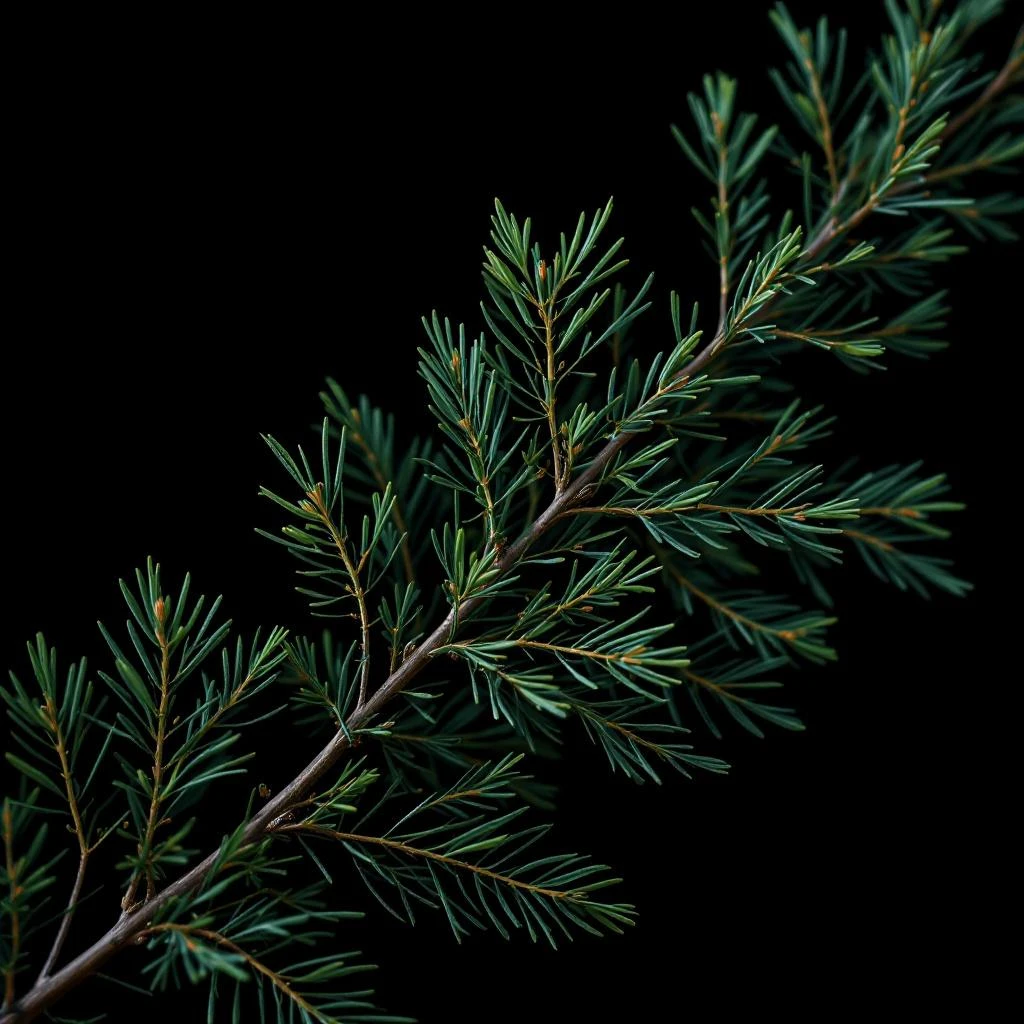
Guaiac Wood
Guaiac wood brings a smoky, tea-tinged warmth to fragrances, prized for its creamy drydown and subtle violet-like facet. This heartwood from South America anchors both classic chypres and modern woody compositions with quiet intensity.
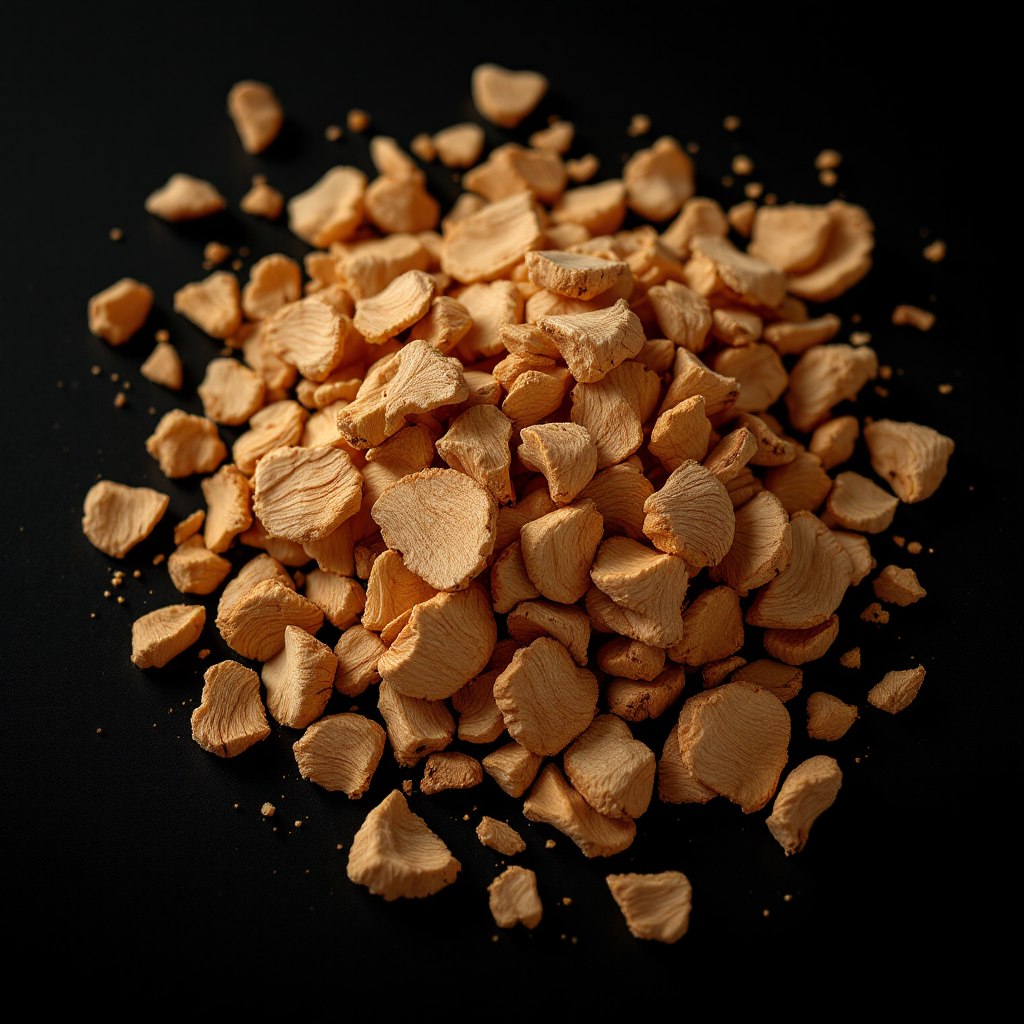
Character
How it smells
Smoky, creamy, and quietly addictive.
Guaiacum trees are among the slowest-growing trees on Earth, taking decades to reach harvestable maturity, which makes genuine guaiac wood one of perfumery's rarer botanical resources.








Origin
Paraguay
Guaiac wood carries one of perfumery's oldest medicinal pedigrees. Indigenous communities in Central America and the Caribbean used the heartwood of Guaiacum species for treating syphilis, fevers, and inflammatory conditions as far back as the 16th century.
Spanish and Portuguese explorers encountered these practices early in the colonial period and shipped guaiac wood back to Europe, where physicians prescribed decoctions for similar ailments well into the 1700s. The name guaiacum derives from indigenous Taíno language roots, meaning 'tree of life,' reflecting its perceived healing power.
By the 19th century, guaiac wood had crossed into European perfumery, valued for the smoky, violet-tinged drydown it lent to fougère and chypre structures. Today it anchors many masculine and unisex compositions, though conservation concerns around Bulnesia sarmientoi have pushed the industry toward more sustainable sourcing and selective blending with aromatic alternatives.
Wears it best
Fragrances featuring Guaiac Wood
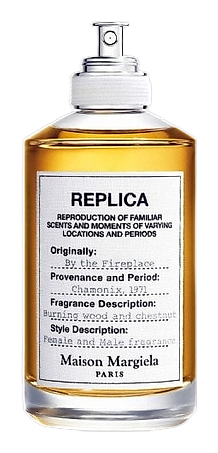

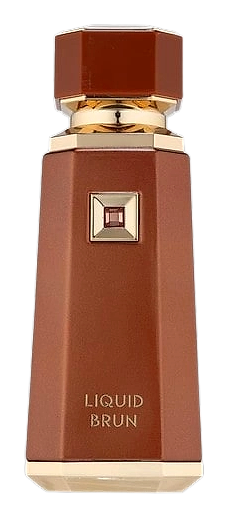
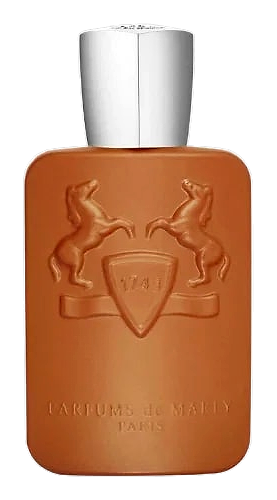
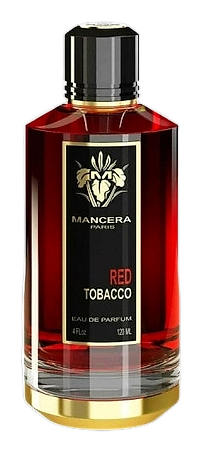
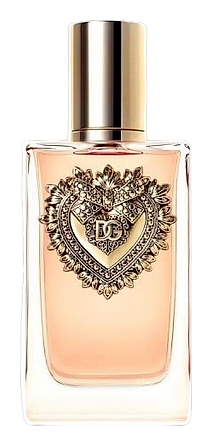
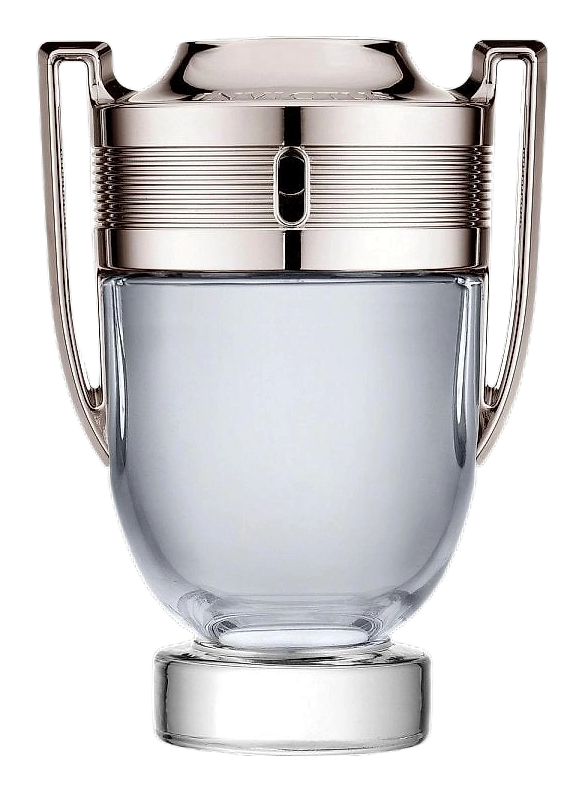
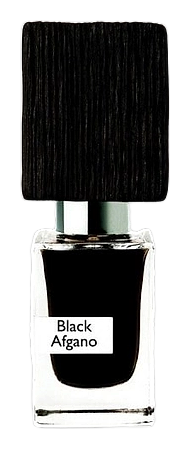


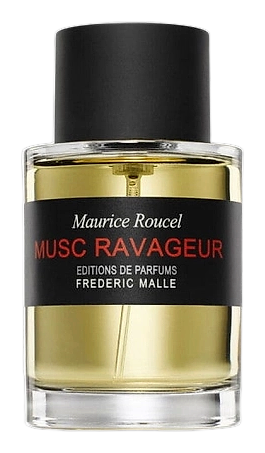
Brands
Brands known for Guaiac Wood
Good to know
Questions, answered
The essentials on Guaiac Wood in perfumery: how it smells, where it comes from, and how it behaves on skin.
What does guaiac wood smell like in perfume?
Guaiac wood offers a smoky, creamy aroma with soft tea-like facets and a subtle violet-like sweetness. It sits between dry cedar and warm tonka, adding depth without sharpness in both heart and base positions.
Is guaiac wood the same as palo santo?
They are distinct botanicals with different scent profiles, though both share a smoky character. Guaiac wood comes from Bulnesia sarmientoi in Paraguay and smells creamier, while palo santo from Bursera graveolens reads more lemony and incense-like.
Where does guaiac wood oil come from?
Most authentic guaiacwood oil is steam-distilled from Bulnesia sarmientoi heartwood harvested in Paraguay's Gran Chaco region. Sustainable harvesting programs now certify much of the supply to protect remaining wild populations.
Why is guaiac wood used in perfumery?
Perfumers prize guaiac wood for its fixative qualities and its smoky warmth that bridges floral and resinous elements. A single drop can anchor an entire base, extending longevity while adding creamy dimension to woody compositions.
Is guaiac wood sustainable?
Genuine guaiacwood oil faces supply pressure because Bulnesia sarmientoi grows extremely slowly. Industry programs now certify Paraguayan sources, and many perfumers blend natural oil with sustainable alternatives to reduce pressure on wild stocks.
What fragrance families feature guaiac wood?
Guaiac wood appears most often in woody, chypre, and fougère structures, where its smoky drydown reinforces amber bases. Contemporary oriental fragrances also adopt it for a modern creamy warmth that replaces heavier oud accords.
How is guaiac wood oil produced?
Producers chip the dense heartwood of Bulnesia sarmientoi and pass it through steam distillation, yielding a pale amber essential oil. Solvent extraction of the same chips creates a richer absolute with intensified balsamic and smoky notes.
Does guaiac wood have medicinal history?
Yes, indigenous communities in the Caribbean and Central America used guaiac wood medicinally from at least the 1500s. European physicians later adopted it as a treatment for fevers and inflammatory conditions throughout the 17th and 18th centuries.