Cedar
Cedar delivers a warm, dry woody aroma with pencil-shaving freshness and subtle resinous undertones. This ancient material has anchored fragrances for millennia, from Egyptian embalming rituals to modern menswear colognes. Its versatility as a base note creates lasting depth and structure across countless fragrance families.

Character
How it smells
Ancient woody depth that anchors and endures.
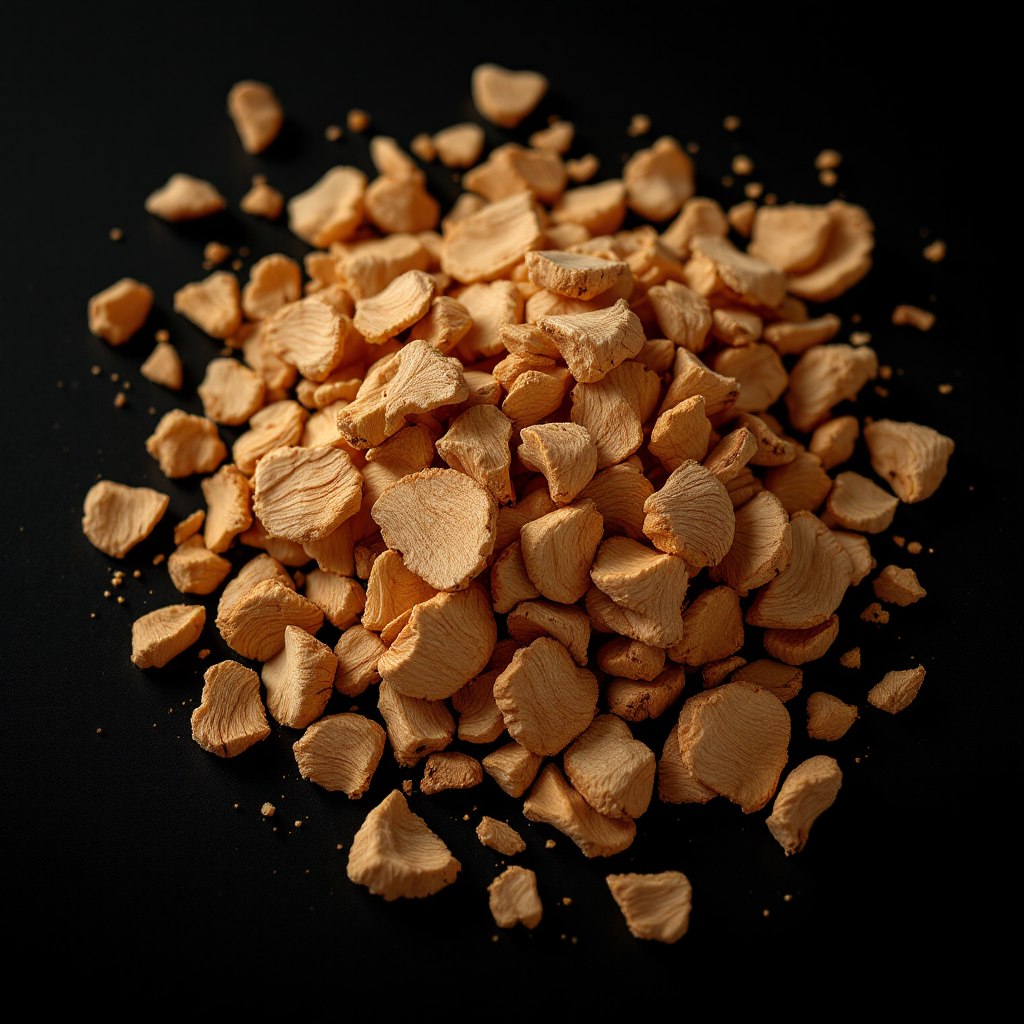
Cedarwood essential oil yields just 2–5% from raw wood chips, making each drop remarkably concentrated.









Origin
Morocco
Cedar holds one of the longest documented histories of any natural fragrance material. Ancient Mesopotamians used cedarwood resin in sacred rituals and construction, with the Cedars of Lebanon supplying materials for Solomon's Temple around 950 BCE. Egyptian embalming practitioners valued cedar oil as a preserving agent, and ancient texts describe cedar-scented oils used for religious ceremonies across the Levant.
The Atlas cedar, native to the Middle East, North Africa, and Himalayas, reached European cultivation in 1839 when specimens were first introduced to France. Before modern chemistry, perfumers used cedarwood directly as incense and in powdered form. The 19th century advent of steam distillation made cedarwood oil widely available, and it quickly became a staple in soap making and early commercial fragrances.
By the 20th century, cedarwood had become indispensable in menswear perfumery, though perfumers later learned to harvest it sustainably by extracting oil from existing lumber operations rather than harvesting trees specifically for fragrance, ensuring this ancient material remains available for contemporary perfumery.
Wears it best
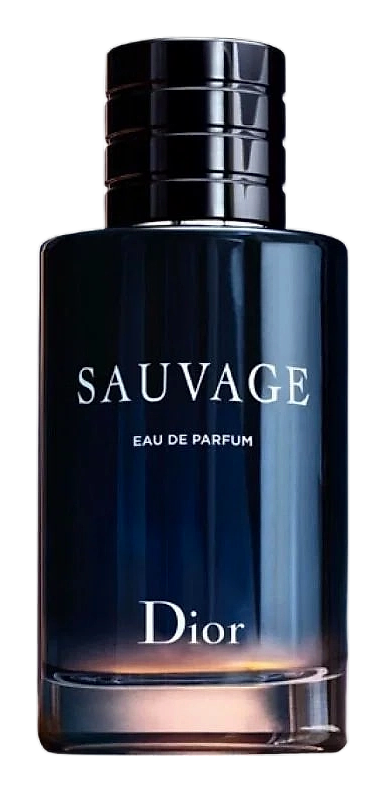
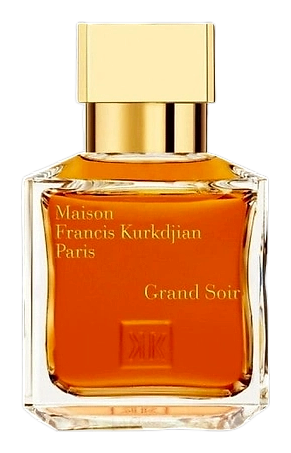
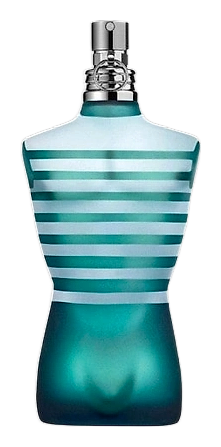
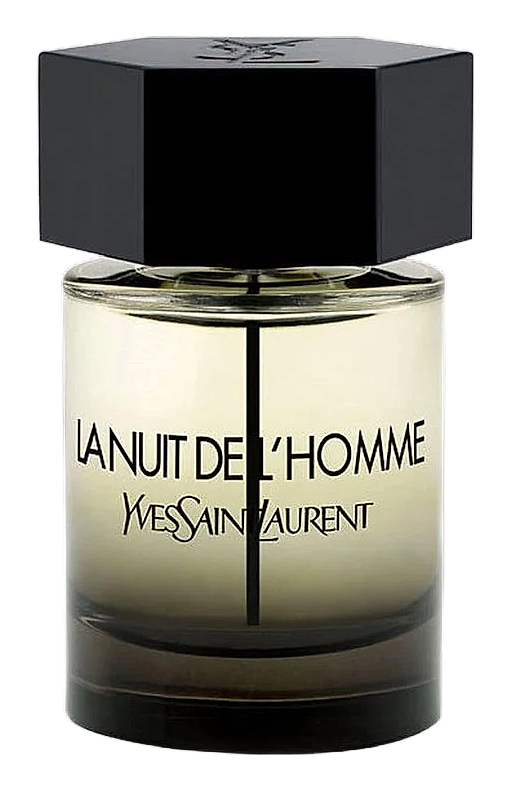
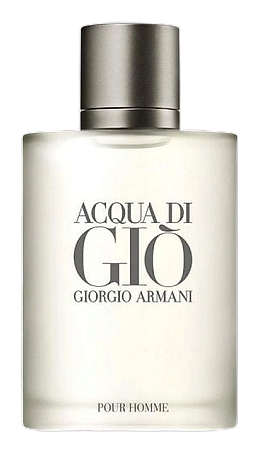
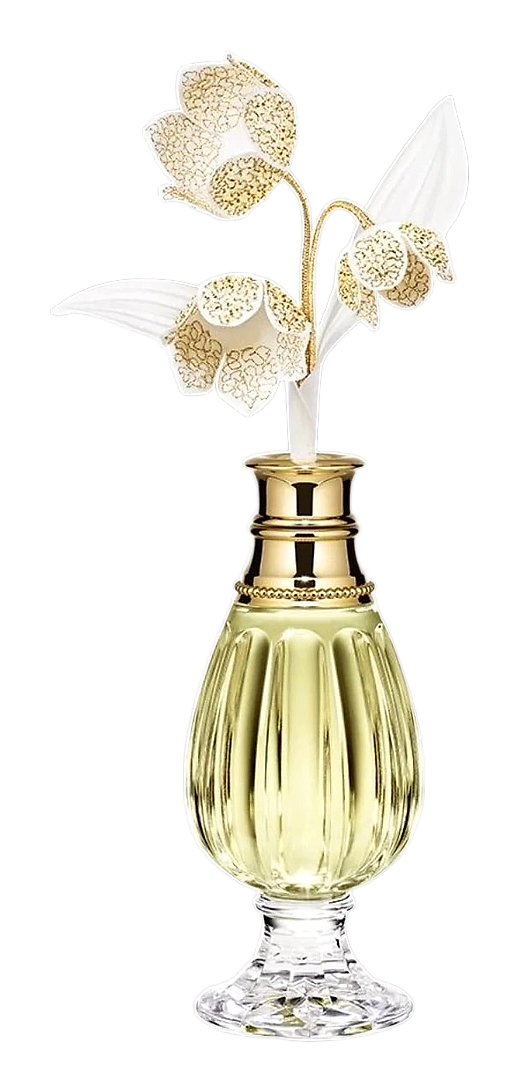
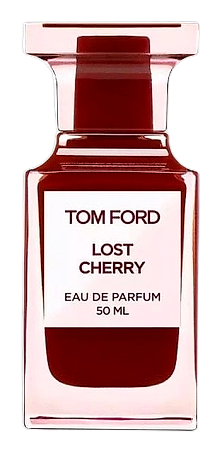
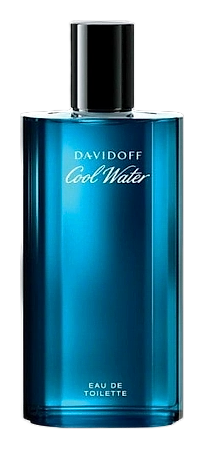
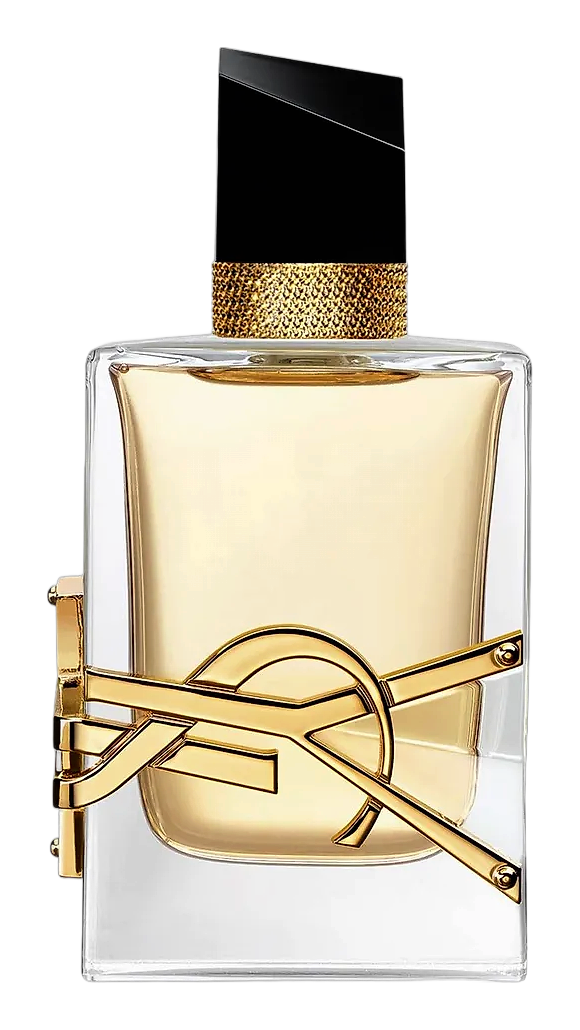
Fragrances featuring Cedar


Brands
Brands known for Cedar
Good to know
Questions, answered
The essentials on Cedar in perfumery: how it smells, where it comes from, and how it behaves on skin.
What does cedar smell like?
Cedarwood oil produces a warm, dry woody aroma often described as pencil-shaving fresh. The scent carries subtle undertones of fresh bark and resin, creating a clean yet earthy impression that feels both grounding and refined.
What products use cedarwood oil?
Cedarwood oil appears across bar soaps, skincare, haircare, and fine fragrances. It performs especially well in menswear colognes, barbershop-style waters, and gender-neutral woody compositions where lasting depth matters.
Is cedarwood oil natural or synthetic?
Natural cedarwood oil comes from steam-distilled cedar heartwood. However, fragrance chemists also produce synthetic alternatives like cedrol and cedryl acetate that replicate cedar's woody character for vegan or cost-sensitive formulations.
What fragrance families pair with cedar?
Cedar pairs naturally with other woody materials like sandalwood and vetiver. It complements fresh aromatics like lavender and rosemary, contrasts beautifully with bright citrus, and grounds rich amber or spicy oriental compositions.
What is the difference between Atlas cedar and Virginia cedar?
Atlas cedar originates from Lebanon, Morocco, and the Himalayas. Virginia cedar (Juniperus virginiana) grows across North America and produces a distinctly different oil with heavier, almost pencil-wool character. Both serve perfumery, but Atlas cedar most closely matches historical Middle Eastern cedar.
How is cedarwood oil produced?
Producers steam-distill cedar heartwood chips and sawdust at 100–120°C for 8–24 hours. The steam carries aromatic compounds from the wood, and the resulting condensate separates into cedarwood essential oil. Yields average 2–5% by weight of the raw material.
Why has cedar remained important in perfumery for centuries?
Cedarwood offers exceptional fixative properties, meaning it slows the evaporation of lighter fragrance materials. Ancient perfumers valued this quality, and modern chemists confirm cedar's effectiveness at extending fragrance longevity on skin.
Where does cedar used in perfumery grow?
Atlas cedar grows natively across Morocco, Lebanon, and the Himalayas. Morocco and Lebanon supply most fragrance-industry cedarwood. The Cedars of God in Lebanon represent one of the last ancient cedar forests still standing.