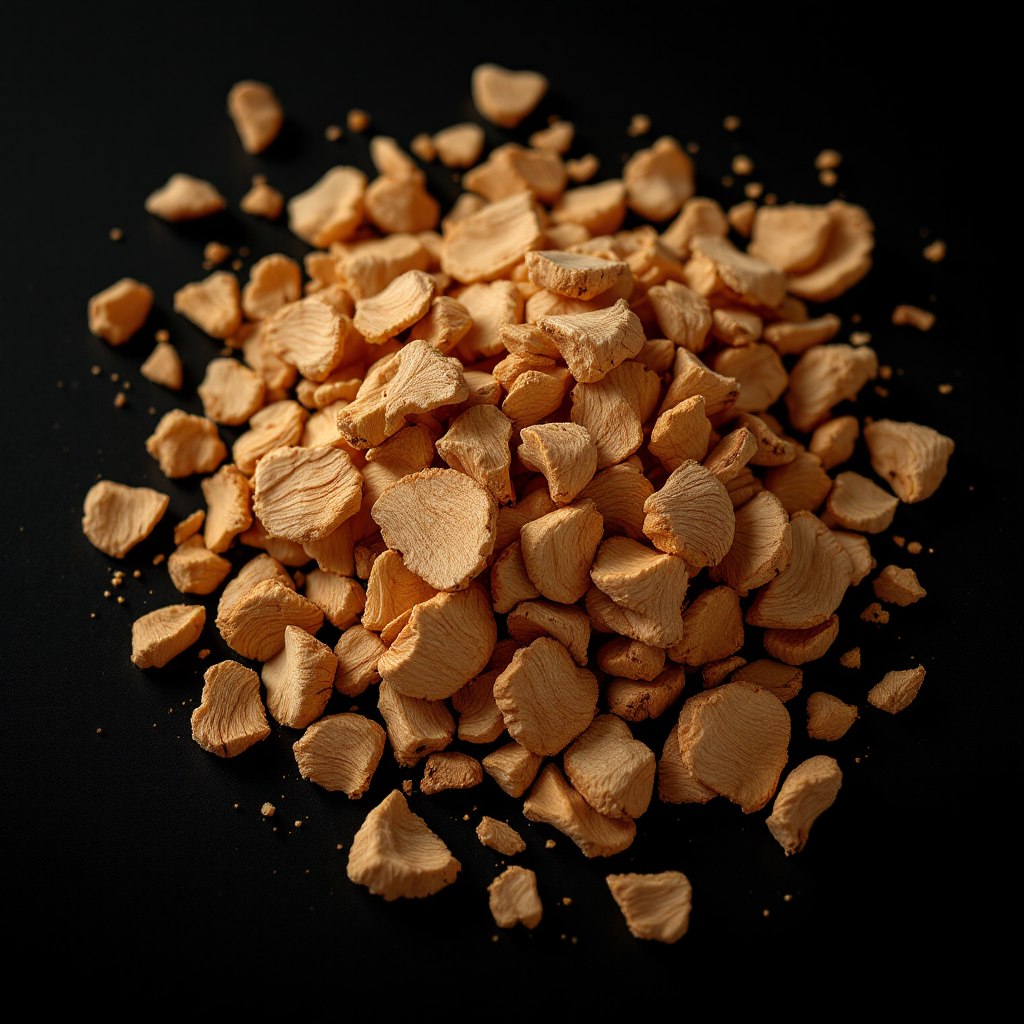
Woody Notes
Woody notes form the architectural backbone of most fragrances. From the warm creaminess of sandalwood to the dry elegance of cedar and the ancient rarity of oud, this family offers depth that endures on skin for hours.

Character
How it smells
The enduring foundation of fragrance architecture.
Oud comes from Aquilaria trees only after they have been infected with a specific fungus, a process that can take decades to produce usable resin.









Origin
India (primary origin for sandalwood)
Woody materials rank among the earliest perfume ingredients used by human civilization. Ancient Egyptians burned cedarwood as incense in religious ceremonies and employed cedar oil in their sophisticated embalming practices. In India, sandalwood has played a sacred role in Hindu and Buddhist rituals for over 2,000 years, its paste used for meditation, medicine, and ceremonial purposes.
Chinese medicine incorporated wood-based aromatics centuries before perfumery emerged as a distinct craft. Traditional perfumery developed gradually across these cultures, discovering which woods burned cleanly, yielded usable extracts, and produced pleasing aromas. The late nineteenth century marked a turning point when commercial synthesis of aroma compounds like coumarin and vanillin expanded creative possibilities while naturals retained their prestige.
Today, woods anchor the structure of most fine fragrances, from classic orientals to contemporary woody-fresh compositions.
Wears it best
Fragrances featuring Woody Notes






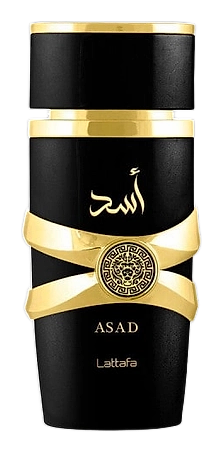





Brands
Brands known for Woody Notes
Good to know
Questions, answered
The essentials on Woody Notes in perfumery: how it smells, where it comes from, and how it behaves on skin.
What defines woody notes in perfumery?
Woody notes are aromatic materials sourced from wood, bark, roots, and their synthetic equivalents. They provide warmth, depth, and longevity as base notes in fragrances. Derived from botanical sources, they form the structural foundation of most fine perfumes.
What do woody notes smell like?
Woody notes range from warm and dry (cedar, guaiac) to creamy and milky (sandalwood), earthy and smoky (vetiver, oud), or resinous and balsamic (pine, birch tar). Each wood type delivers distinct aromatic characteristics.
What are the most important woody ingredients?
Key woody ingredients include sandalwood (India, Australia), cedarwood (Virginia, Atlas), vetiver (Haiti, Java), oud (Southeast Asia), guaiac wood, and cyprol. These materials anchor the structure of countless iconic fragrances.
How are woody notes extracted?
Extraction methods include steam distillation for oils like cedarwood and sandalwood, solvent extraction for absolutes from materials like oud, and dry distillation for tarry extracts like birch tar. Each method shapes the final aromatic profile significantly.
Why are woody notes important in perfumery?
Woody notes serve as fixatives, slowing the evaporation of lighter top and heart notes to extend fragrance longevity. They provide the structural backbone that holds a scent together and delivers its signature dry-down.
What is the difference between natural and synthetic woody notes?
Natural woody materials come from botanical sources and offer complex, terroir-driven aromatic profiles with natural variability. Synthetic woody aromatics like Iso E Super and Galaxolide, developed in the 19th century, provide consistency and creative flexibility.
Which fragrance families use woody notes?
Woody notes appear across oriental, chypre, fougere, and woody-fresh families. They provide grounding in light florals and structure to aquatic or citrus-focused compositions. Iconic examples include Chanel Bois des Iles, Tom Ford Oud Wood, and Dior Fahrenheit.
How should I evaluate woody fragrances?
Consider the specific wood type (sandalwood offers warmth, cedar provides dry austerity, vetiver brings earthiness, oud delivers rarity), the fragrance family, and how the woody element harmonizes with surrounding notes and your personal chemistry.