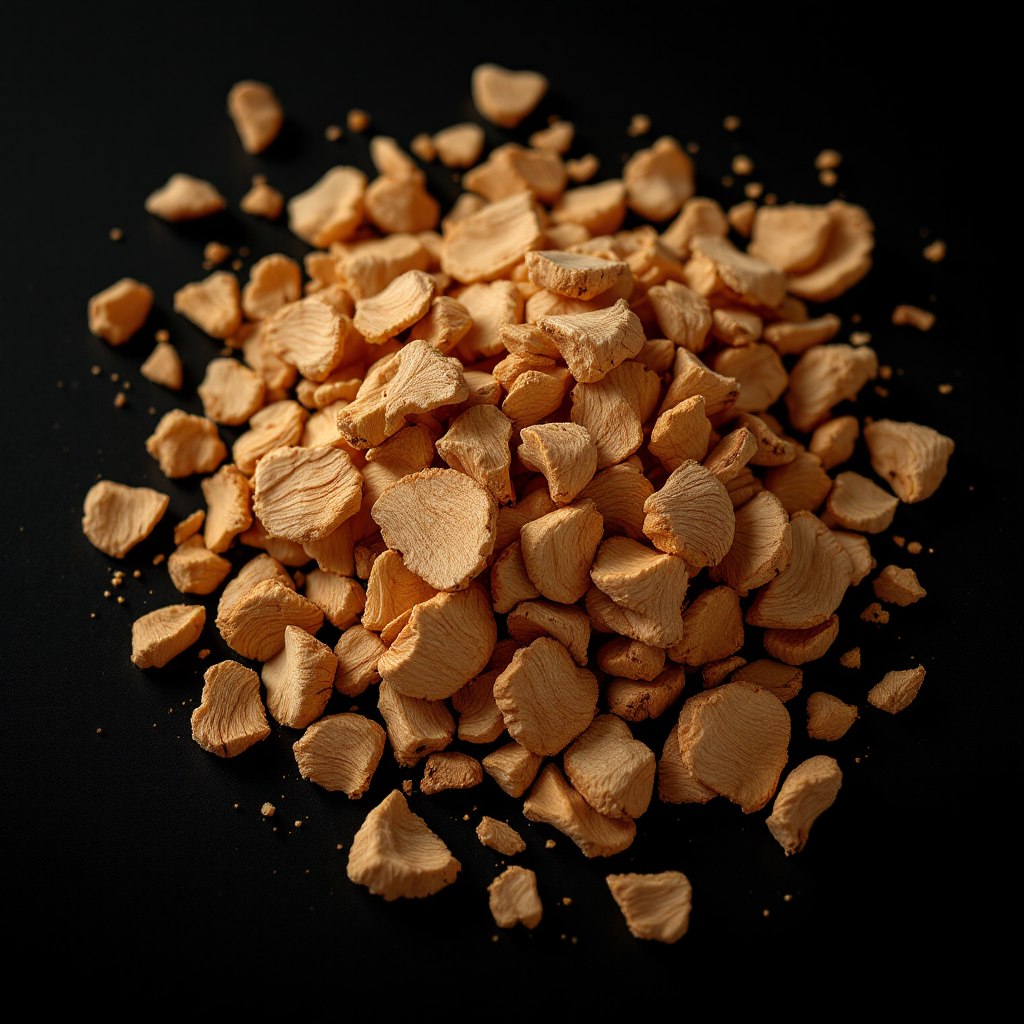
Cypress
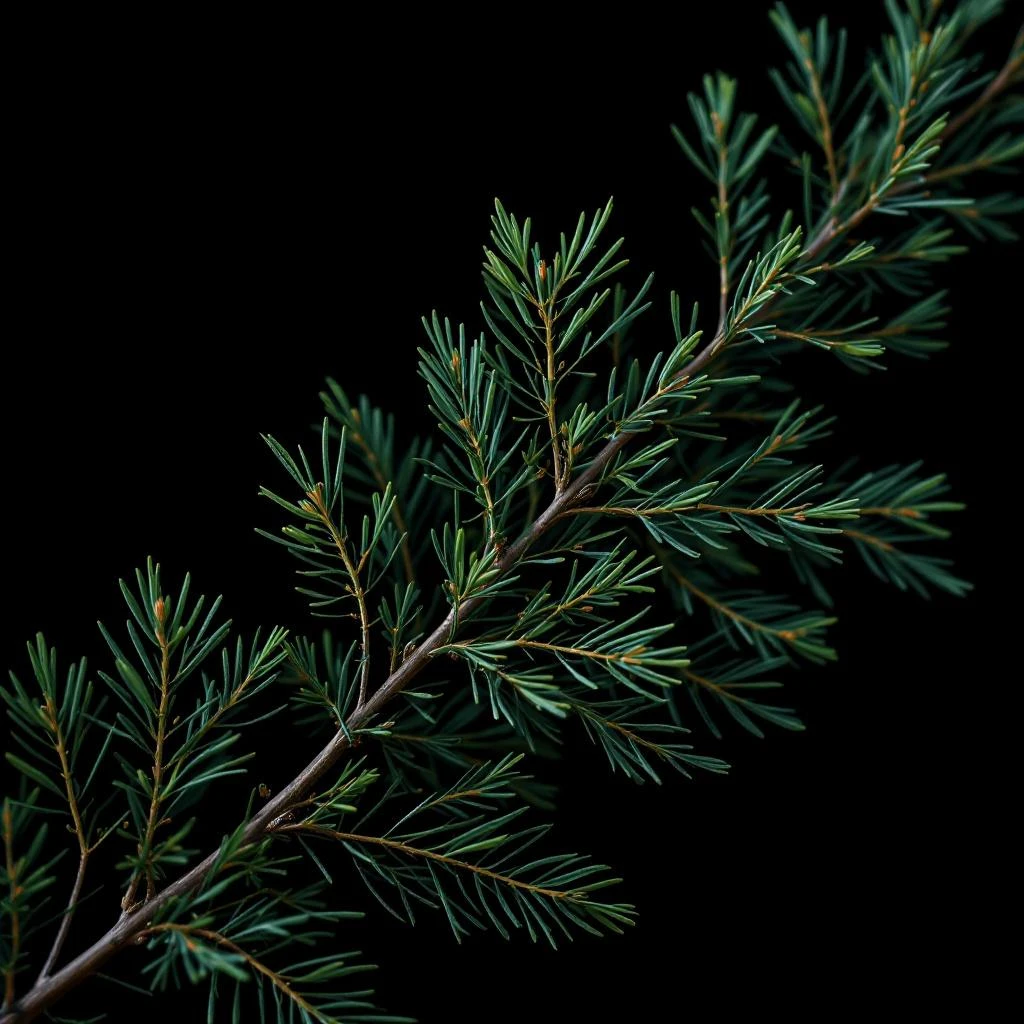
Cypress oil carries the scent of Mediterranean forests in resinous green form. Distilled from fresh needles and twigs, it adds a dry, coniferous backbone to colognes and chypre fragrances.
Character
How it smells
Resinous green wood with ancient roots
Cupressus sempervirens has been cultivated across the Mediterranean for over 4,000 years, and its oil was used in ancient Egyptian temple incense.









Origin
Greece
Cypress trees shaped Mediterranean landscapes long before perfumery existed as a formal craft. Ancient Egyptians imported cypress resin for embalming and temple incense, while Greek physicians prescribed the wood and needles for respiratory ailments.
The tree itself served as a symbol of mourning and eternity in classical Mediterranean culture, planted along processional avenues and sacred groves. By the medieval period, European herbalists used cypress in pomanders and infused vinegars meant to ward off infection.
Cypress entered modern perfumery through the chypre family in the late 19th century, when perfumers sought resinous, forest-like bases to anchor citrus top notes. The oil's combination of pine freshness and dry, smoky depth made it a useful supporting note in classic colognes and fougères throughout the 20th century, and contemporary natural perfumers continue to value it for its grounding character.
Wears it best
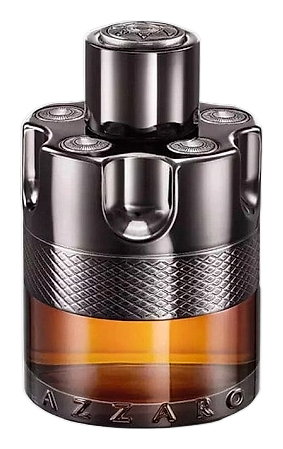
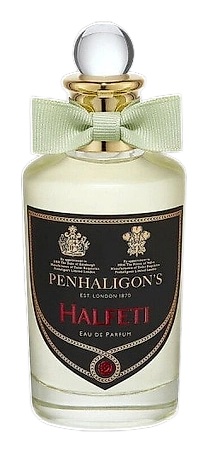
Fragrances featuring Cypress








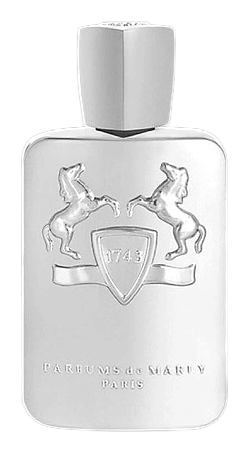

Brands
Brands known for Cypress
Good to know
Questions, answered
The essentials on Cypress in perfumery: how it smells, where it comes from, and how it behaves on skin.
What does cypress smell like in perfume?
Cypress smells resinous, green, and coniferous with a dry, woody drydown. The top notes carry pine-like sharpness from alpha-pinene, while the base reveals smoky, slightly balsamic warmth reminiscent of Mediterranean forest air.
Is cypress a top, heart, or base note?
Cypress typically functions as a middle-to-base note. Its initial pine-fresh brightness opens quickly, but the woody, resinous character lends structure and longevity to the drydown of most compositions.
How is cypress essential oil extracted?
Steam distillation of freshly harvested needles, twigs, and small branches produces cypress essential oil. Harvesting usually occurs in late autumn, when the tree's resin content reaches its seasonal peak and yield improves.
Where does cypress for perfume come from?
Most perfumery-grade cypress oil originates in the Mediterranean basin, particularly Greece, France, Spain, and North Africa. These regions host mature Cupressus sempervirens groves adapted to dry, sun-exposed terrain.
What perfumes commonly use cypress?
Cypress appears widely in chypre and fougère compositions, as well as masculine colognes and aromatic green fragrances. It pairs commonly with bergamot, lavender, oakmoss, and vetiver to build structured, forest-inspired profiles.
Is cypress oil safe for skin application?
Cypress essential oil is generally considered safe when diluted properly in fragrance formulations. However, undiluted application can irritate sensitive skin, and pregnant individuals should consult a qualified professional before topical use.
What is the historical significance of cypress in perfumery?
Cypress has been used since ancient Egyptian times for incense and embalming. It entered modern perfumery through 19th-century chypre compositions, where its resinous, woody character helped anchor citrus top notes in structured fragrances.
Can cypress be synthesized in a lab?
Yes, key cypress aroma compounds like alpha-pinene and delta-3-carene can be isolated or synthesized. However, the full complexity of steam-distilled cypress oil remains difficult to replicate, which keeps natural production commercially relevant.