Geranium
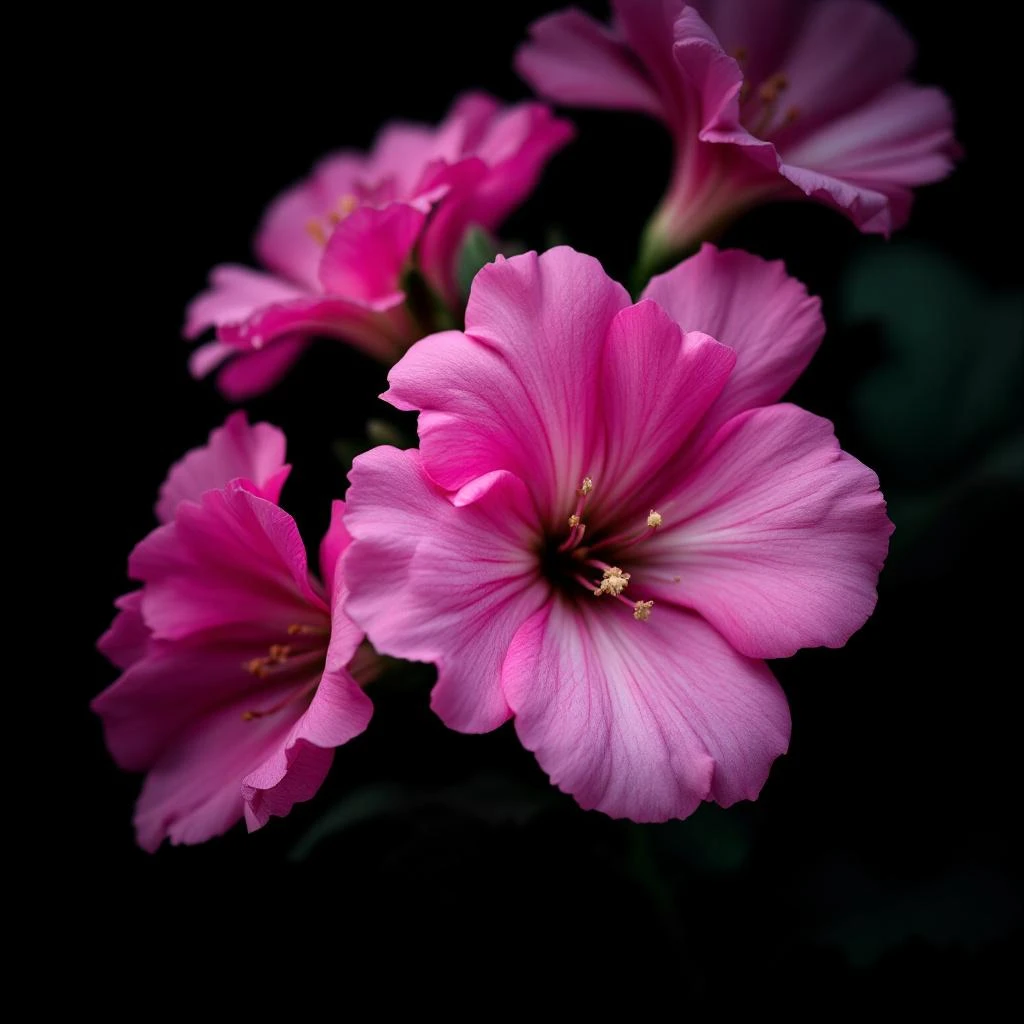
Rose geranium essential oil, distilled from Pelargonium graveolens, brings a green-rosy, minty-cool lift to fragrances. It reads as floral yet herbaceous, sharper than rose and softer than mint.
Character
How it smells
Rose with a sharper edge
French perfumers in the 1800s used geranium oil as a practical stand-in for costly rose otto, and the practice still shapes pricing today.








Origin
South Africa
Pelargoniums arrived in Europe from South Africa in the late 1600s. Dutch botanist Paul Hermann collected specimens around 1678, and by 1700 the plants were growing in Leiden's botanical garden.
France began commercial distillation in the early 1800s, primarily for the Grasse perfume houses seeking an affordable rose substitute. Two cultivation hubs emerged: Réunion Island (then called Bourbon) and Algeria, both French colonial territories that supplied the industry through the 19th century.
Réunion production earned the geographic designation "Geranium Bourbon" by 1880. Egypt entered commercial production around the 1880s and now leads global output, followed by China, whose Yunnan province started large-scale distillation in the 1990s.
Wears it best
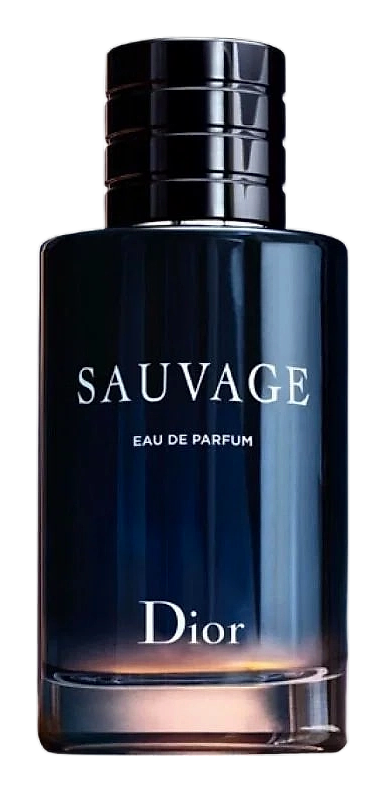
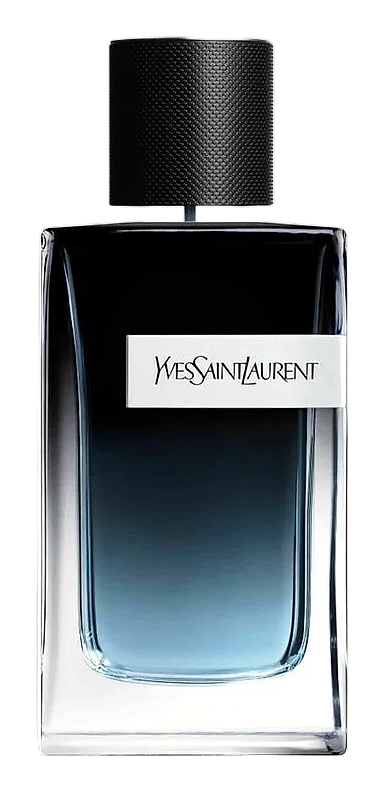
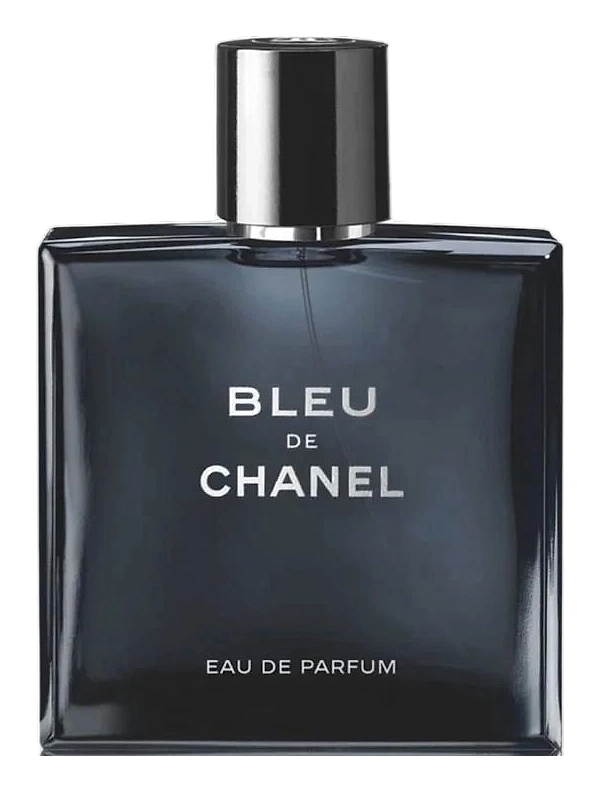
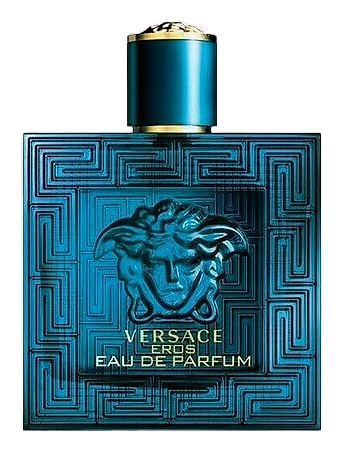
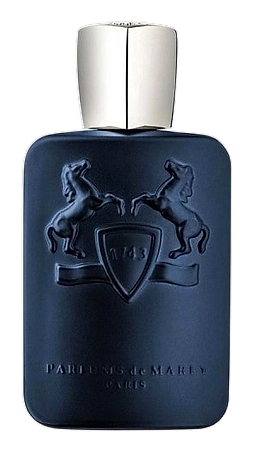
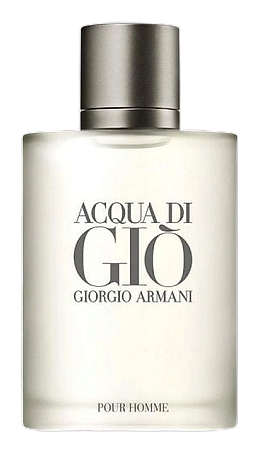
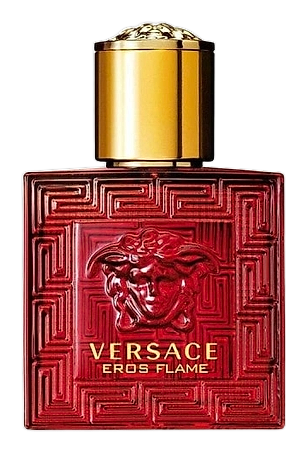
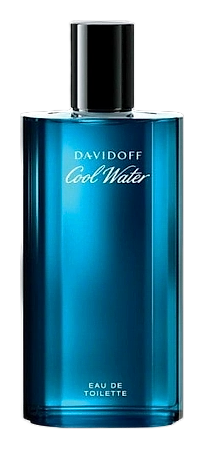
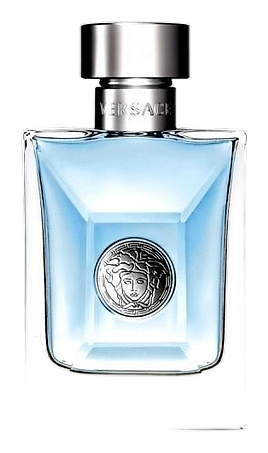
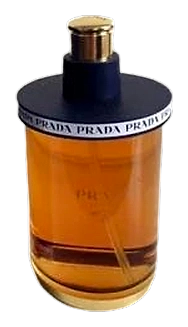
Fragrances featuring Geranium

Brands
Brands known for Geranium
Good to know
Questions, answered
The essentials on Geranium in perfumery: how it smells, where it comes from, and how it behaves on skin.
What does geranium smell like in perfume?
Geranium smells rosy yet green, with a cool, minty facet that sharpens its floral sweetness. Most perfumers describe it as rose-adjacent but drier and more herbaceous, with a slightly metallic lift.
Is geranium a masculine or feminine note?
Geranium is genuinely unisex. Its herbal-green sharpness makes it a staple in masculine fougères and colognes, while its rose-like softness lands it in many feminine florals. Classic examples span both categories.
What is the difference between Geranium Bourbon and regular geranium oil?
Geranium Bourbon comes from plants cultivated in volcanic soil on Réunion Island and tends to smell sweeter, rounder, and more honeyed. Standard Egyptian or Chinese geranium oil often reads greener and more minty.
Why do perfumers use geranium instead of rose?
Geranium costs roughly a tenth of rose otto and shares similar molecular building blocks like citronellol and geraniol. It extends rose accords without the price tag, a practice that dates to 19th-century Grasse.
Is geranium essential oil safe for skin?
Geranium oil is generally well tolerated at typical perfumery dilutions. Sensitization is rare but possible, so patch testing matters for anyone with reactive skin or known botanical allergies.
What other notes pair well with geranium?
Geranium pairs naturally with rose, lavender, bergamot, and mint. It also bridges citrus and herbal layers smoothly, which is why it anchors so many fougère structures.
Where is most geranium oil produced today?
Egypt produces the largest share of commercial geranium oil, followed by China. Réunion Island still distills smaller quantities of the prized Bourbon variety for niche perfumers.
Can geranium be synthetically replicated?
Synthetic versions exist using isolated citronellol, geraniol, and rose oxide. They capture the core character but miss some of the natural oil's complexity, which is why many houses still prefer the real material.



