Lily of the Valley
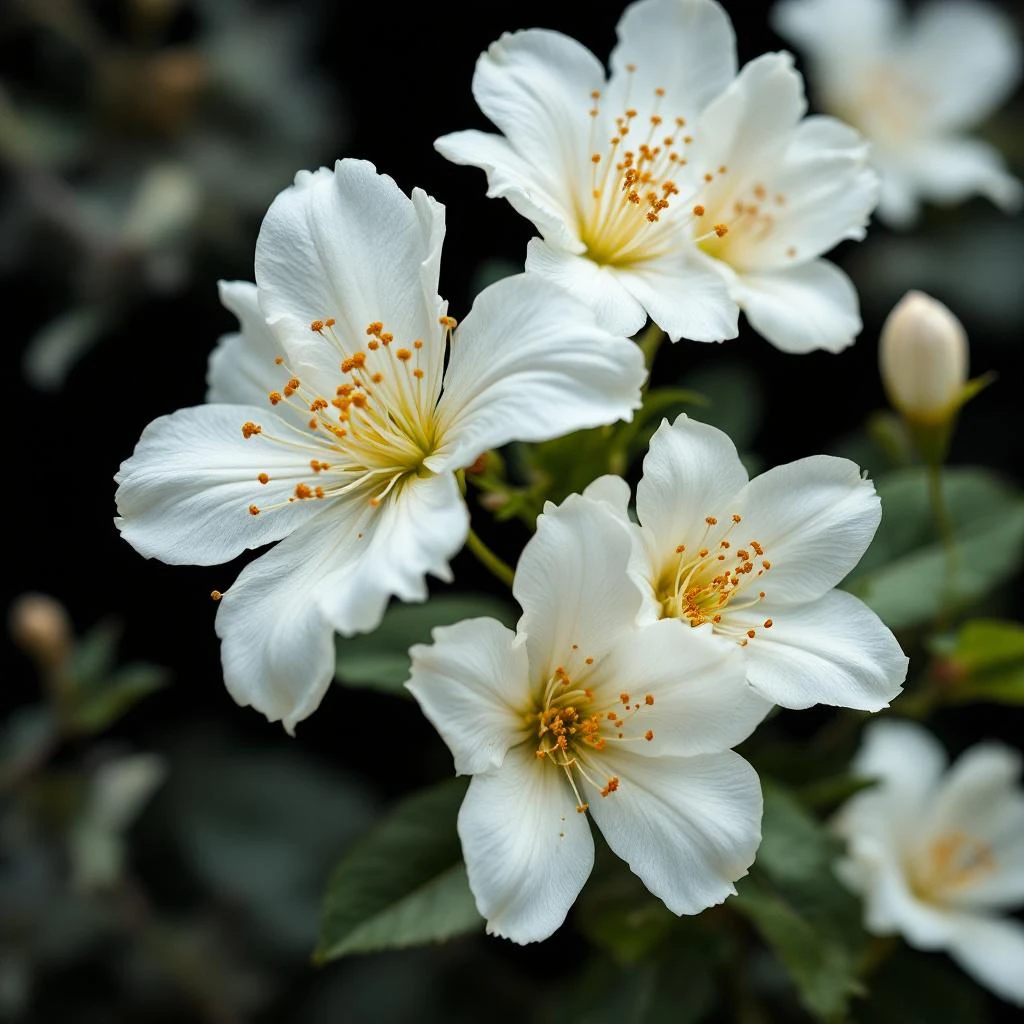
The lily of the valley is spring's most deceptive bloom. Its bell-shaped flowers perfume the air, yet no method captures its scent. Perfumers have spent over a century finding workarounds for this mute flower.
Character
How it smells
The mute bloom that rewrote perfumery's rules
The synthetic molecule lilial, once central to lily of the valley accords, was banned in the EU in 2022 over reproductive health concerns.









Origin
China
Lily of the valley traces its roots to China, where Convallaria majalis grows wild in forested hillsides. The plant traveled east to reach Europe by the Middle Ages, arriving in France where it found fertile cultural ground. The French called it muguet, a name that still anchors the flower in Francophone perfumery identity.
Medieval French tradition associated the bloom with May Day and the return of spring. Kings placed sprigs in their chambers on May 1st; common folk carried them as good luck charms. This centuries-old ritual connection gave lily of the valley an almost sacred status in French floral culture long before it entered perfume bottles.
The 19th century marked its shift into perfumery. Delicate and fresh, it appealed to era sensibilities that valued subtlety over richness. French Grasse, already the world's perfume capital, began cultivating it specifically for fragrance use.
Christian Dior loved lily of the valley above all flowers. In 1956, perfumer Edmond Roudnitska honored that devotion by creating Diorissimo, widely considered the definitive lily of the valley fragrance. The scent set a benchmark that perfumers still reference today.
Regulatory evolution has since reshaped how perfumers work with this note. The EU banned the molecule lilial in 2022 over reproductive health concerns, forcing reformulation across the industry. Yet the flower itself remains as culturally vital as ever.
Wears it best
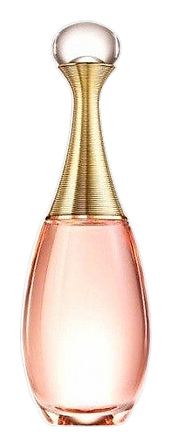
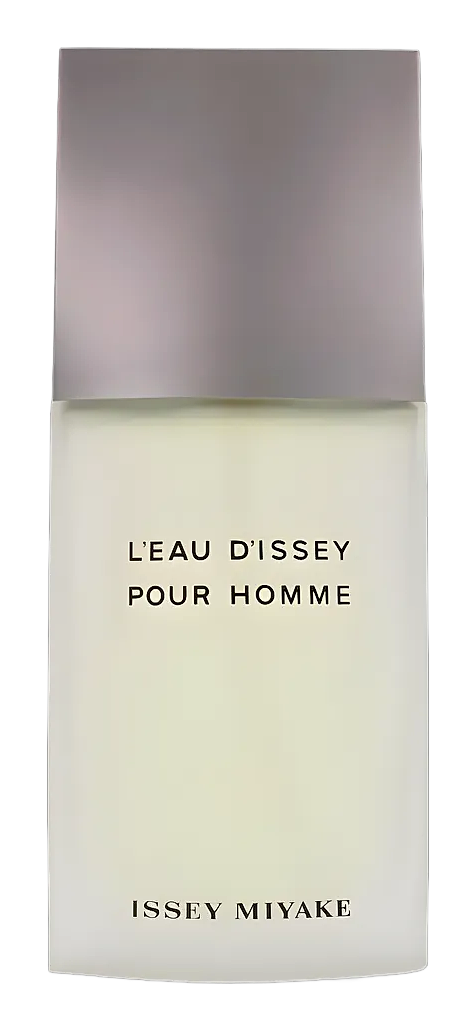
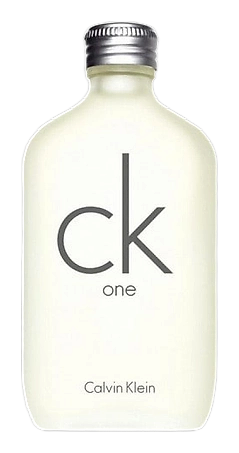
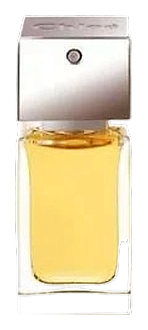
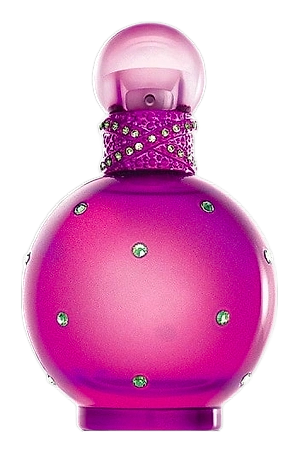
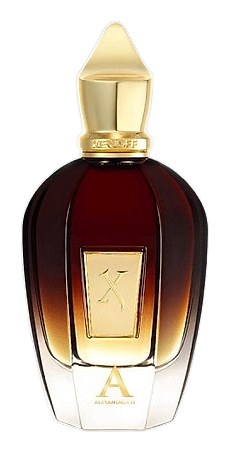
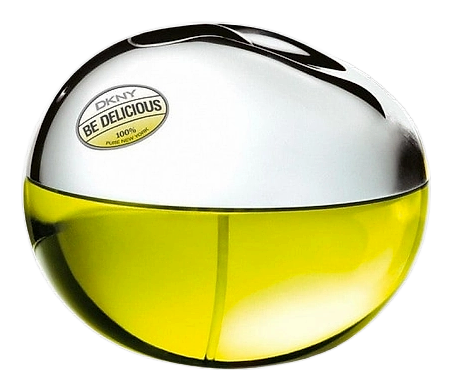
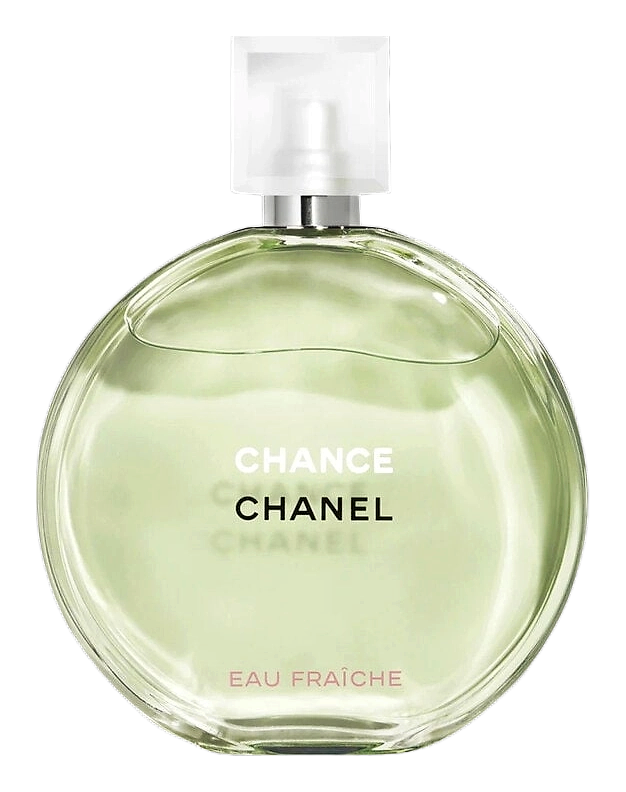
Fragrances featuring Lily of the Valley



Brands
Brands known for Lily of the Valley
Good to know
Questions, answered
The essentials on Lily of the Valley in perfumery: how it smells, where it comes from, and how it behaves on skin.
Is lily of the valley a natural or synthetic ingredient?
Lily of the valley is a synthetic ingredient in modern perfumery. The flower produces no extractable scent, so perfumers build its aroma using molecules like hydroxycitronellal, created in 1905 from citronella oil.
What molecules create the lily of the valley scent?
Hydroxycitronellal serves as the primary foundation, typically blended with rose and jasmine materials. Perfumers add linalool, terpineol, and N-methyl ionone to reinforce the green, dewy character.
Is lily of the valley being banned from fragrances?
Lily of the valley itself faces no ban. However, the synthetic molecule lilial, once common in lily of the valley accords, was restricted by the EU in 2022 over reproductive health concerns. Reformulation followed industry-wide.
When did lily of the valley enter perfumery?
Lily of the valley became a perfumery ingredient in the 19th century. Its delicate, fresh scent aligned with period preferences for subtlety, and French Grasse became a center for its cultivation and use.
Where does lily of the valley originate?
The plant originates from China, where it grows wild in forested regions. It reached France by the Middle Ages, developing strong cultural associations through May Day traditions before entering perfumery centuries later.
How does lily of the valley differ from jasmine?
Jasmine is intensely warm and narcotic; lily of the valley reads as crisp, green, and watery. Their tactile qualities differ fundamentally, which is why jasmine often anchors compositions while lily of the valley functions as a bridge note.
Are modern lily of the valley fragrances safe to use?
Yes. While lilial faced restrictions, perfumers now use alternative synthetic molecules that have not triggered regulatory action. The lily of the valley accord remains widely available and safe in contemporary formulations.
What is the connection between Dior and lily of the valley?
Christian Dior loved lily of the valley above all flowers. In 1956, perfumer Edmond Roudnitska created Diorissimo as a tribute, composing it entirely around the lily of the valley note. It became one of the most influential floral fragrances ever made.