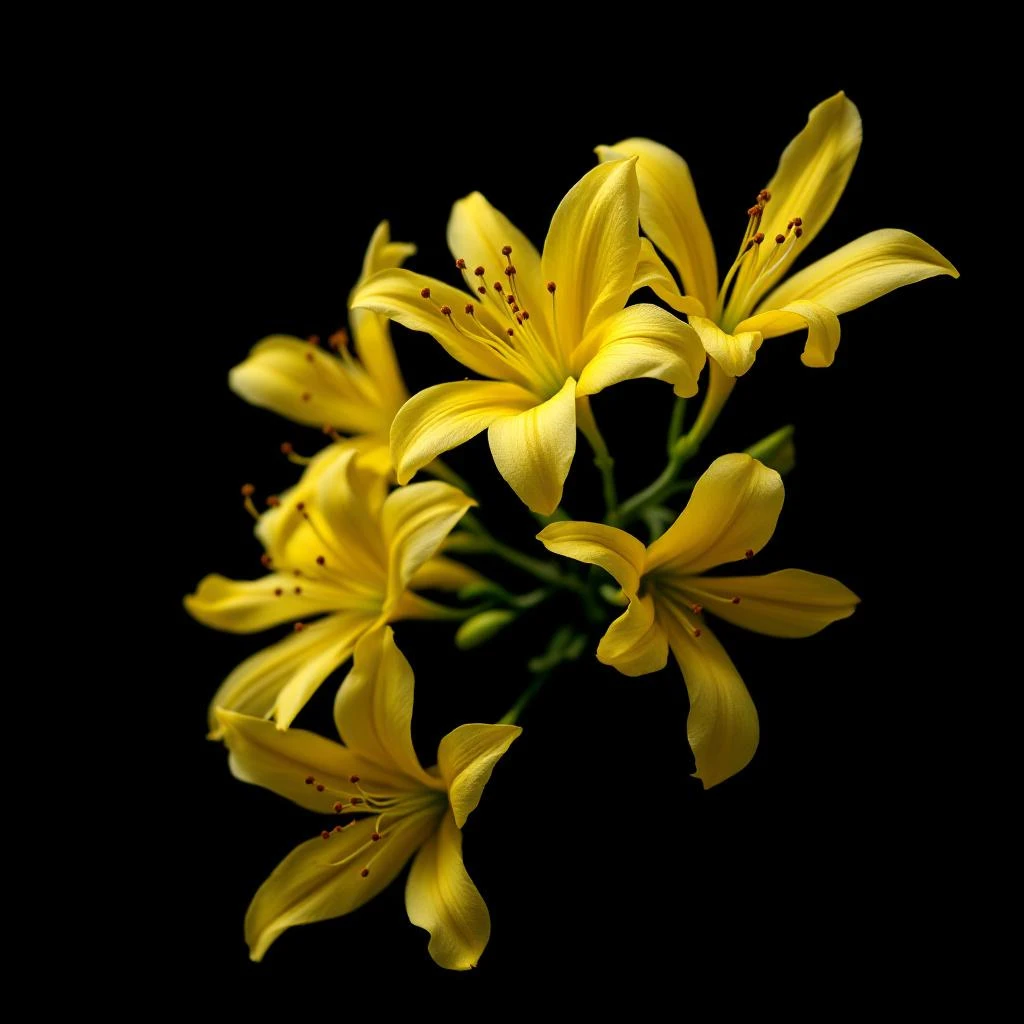
Jasmine
Jasmine, the queen of white flowers, releases an intoxicating, indolic sweetness that anchors countless iconic perfumes with its creamy, almost narcotic floral depth.

Character
How it smells
White petals, deep intoxication
It takes roughly 8,000 hand-picked jasmine blossoms to produce just one gram of absolute, and flowers must be harvested before dawn to capture peak scent.








Origin
India
Jasmine traces back to ancient Persia and the foothills of the Himalayas, with documented use in Egypt as early as 1000 BCE, where it scented oils and ceremonial preparations. The Moors carried the plant into Spain in the 1600s, and from there it spread across Europe, taking root in Italy and, crucially, in the Provençal town of Grasse, France.
By the 19th century, Grasse had become the beating heart of European perfumery, and jasmine cultivation there shaped an entire regional economy. One local chemist named Jean-Baptiste Grenouille became fictional perfume lore, while the real town built its reputation on Jasminum grandiflorum and Jasminum sambac, both prized for their differing aromatic profiles.
Today, India and Egypt together supply around 95% of global jasmine extracts, with Grasse maintaining a small but prestigious production of its own. Jasmine absolute remains one of the costliest natural perfume materials on earth, historically reserved for the most luxurious compositions and indelibly linked to the golden age of French haute-couture perfumery.
Wears it best
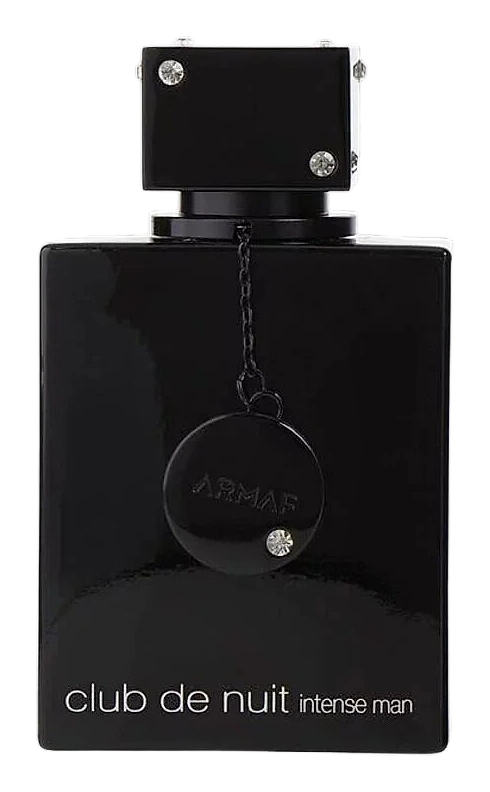
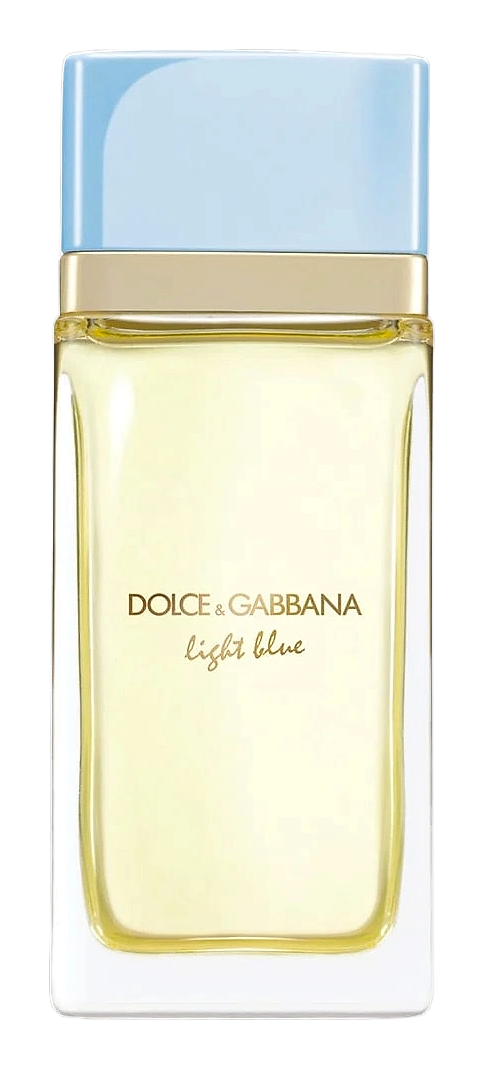
Fragrances featuring Jasmine


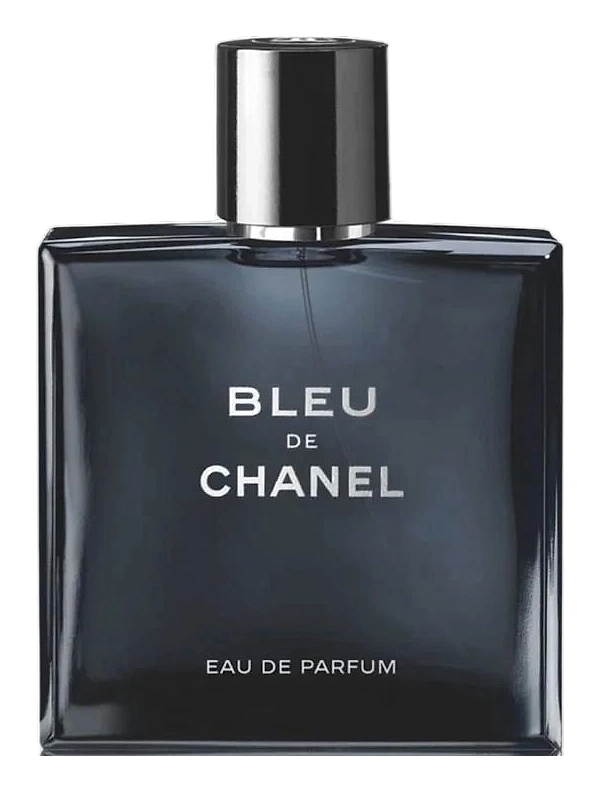

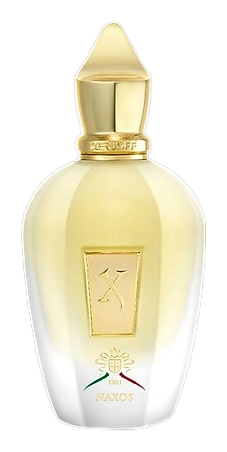
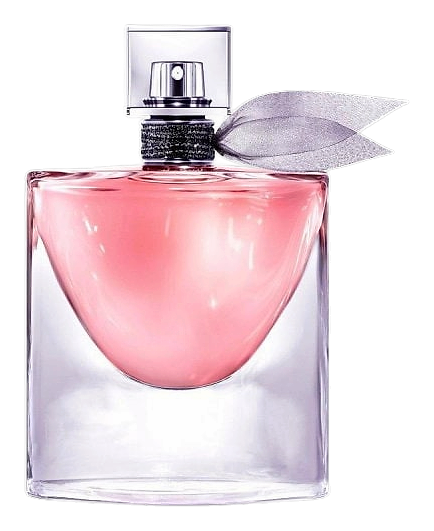
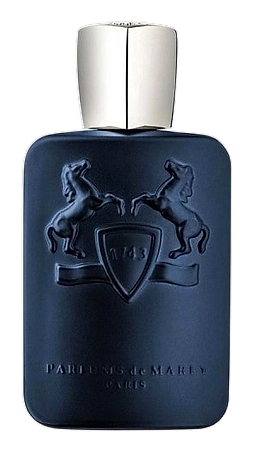


Brands
Brands known for Jasmine
Good to know
Questions, answered
The essentials on Jasmine in perfumery: how it smells, where it comes from, and how it behaves on skin.
What does jasmine smell like in perfume?
Jasmine delivers a richly sweet, indolic floral scent with creamy, almost fruity undertones, often described as sensual and slightly narcotic. Its depth comes from indole molecules that smell animalic at high concentrations but bloom into warm floralcy when properly diluted.
What is the difference between jasmine absolute and jasmine essential oil?
Jasmine absolute is solvent-extracted from fresh petals and captures the flower's full aromatic complexity, including delicate indolic notes. Jasmine essential oil is steam-distilled but loses many fragile top notes to heat, making the absolute generally preferred by perfumers.
Which type of jasmine is used in perfumery?
Two species dominate perfumery: Jasminum grandiflorum, primarily grown in India and Egypt, which offers a sweet, slightly fruity character, and Jasminum sambac, cultivated in India and the Philippines, known for a greener, more indolic profile.
Why is jasmine so expensive?
Jasmine is costly because roughly 8,000 hand-picked blossoms yield a single gram of absolute, and flowers must be harvested before sunrise. The labor-intensive picking, combined with low oil yield per blossom, places jasmine among the priciest natural perfume materials.
Where is most jasmine perfume material produced?
India and Egypt together supply approximately 95% of global jasmine extract. France's Grasse maintains a smaller, prestigious production focused on Jasminum grandiflorum for luxury fragrance houses.
What is enfleurage and why is it used for jasmine?
Enfleurage is an old extraction method where fresh jasmine petals are pressed into layers of cold fat, which absorb the aromatic compounds over several days. The technique handles delicate botanicals too fragile for heat-based distillation.
Is jasmine safe for people with skin sensitivities?
Jasmine absolute is generally considered safe at typical fragrance concentrations, but it can cause reactions in highly sensitive individuals. Standard IFRA guidelines restrict usage levels in leave-on products to ensure consumer safety.
What perfumes are famous for using jasmine?
Jasmine anchors iconic compositions including Chanel No. 5, Dior J'adore, and Gucci Bloom. It serves as a core heart note in countless floral and oriental fragrances, prized for its longevity and rich sillage.