Vetiver
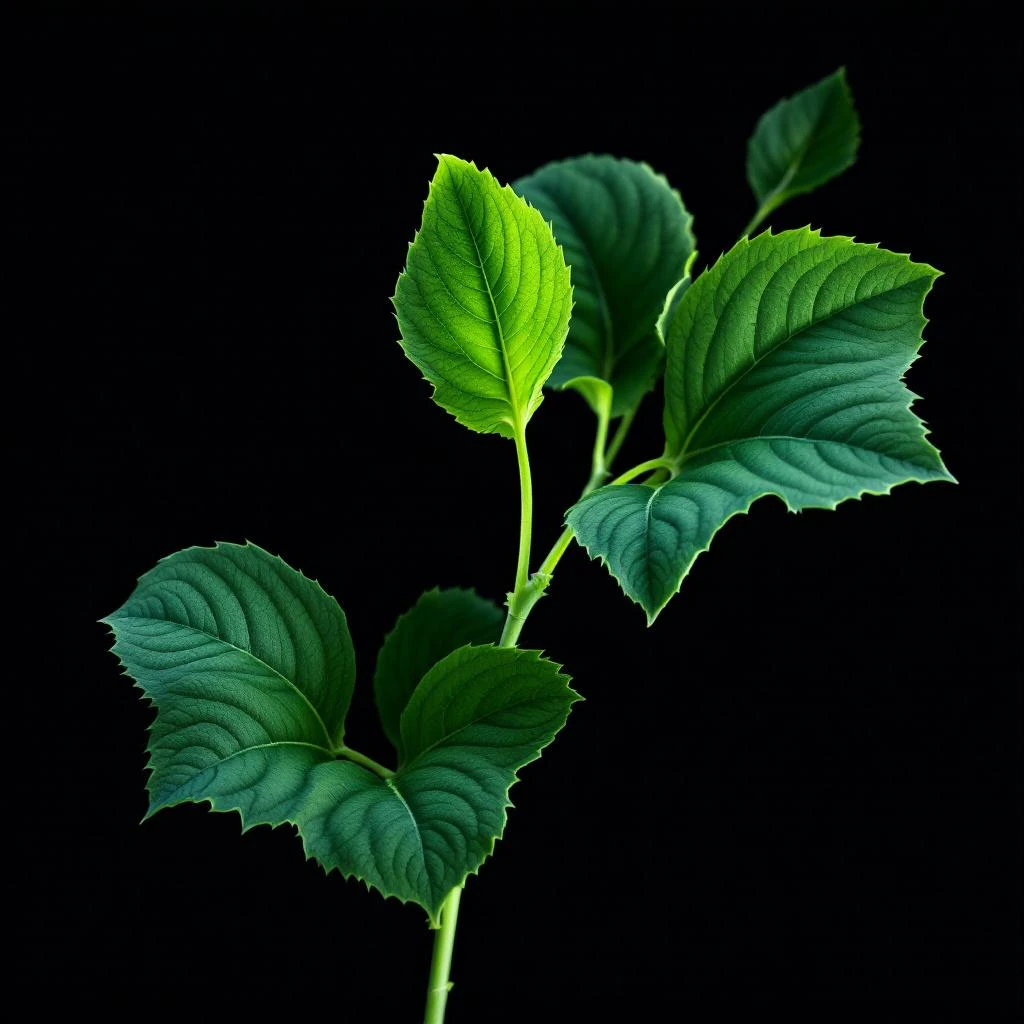
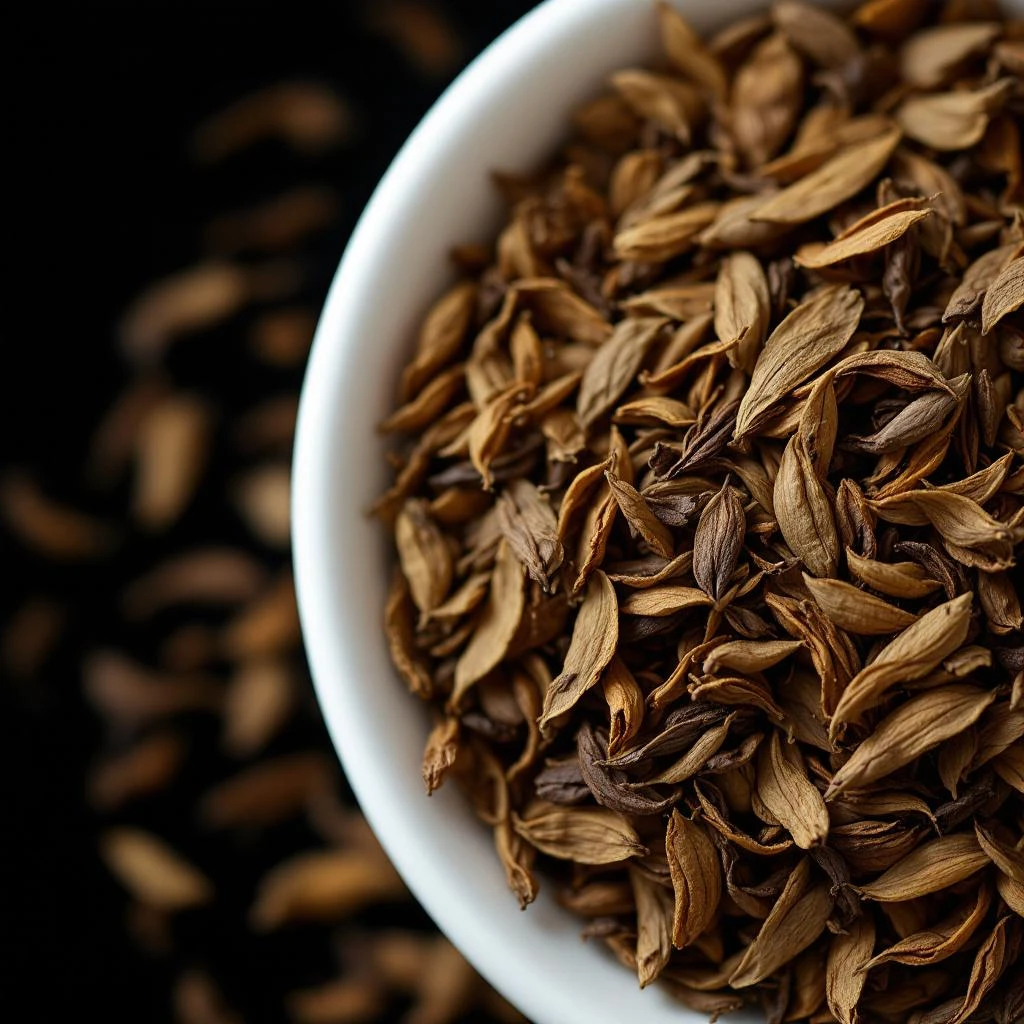
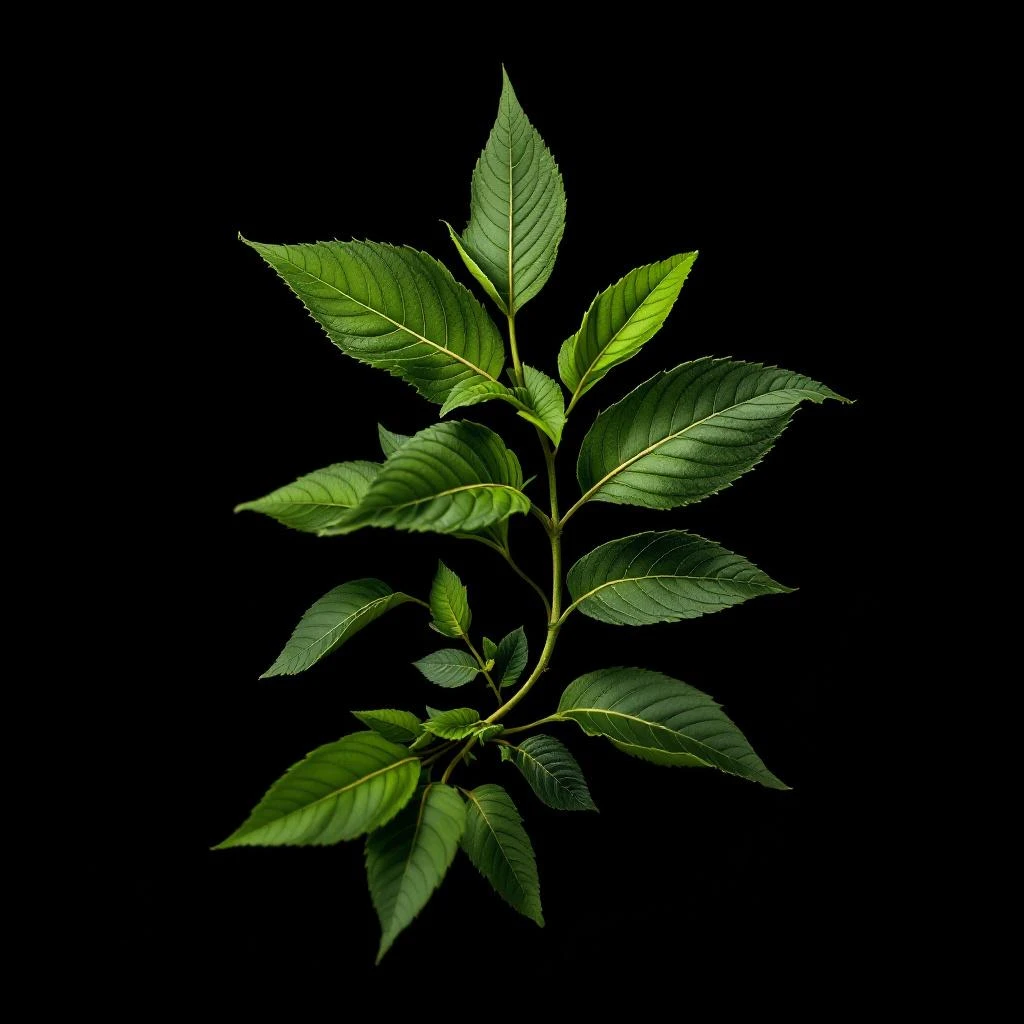
Vetiver is a grassy tropical plant whose dense root system yields one of perfumery's most grounding essential oils. The oil carries deep earthy, smoky, and green-woody character, anchoring compositions from fresh colognes to opulent orientals.

Character
How it smells
The smoky root that holds fragrance together
Vetiver roots can grow three meters deep, which is why the plant is also used worldwide to prevent soil erosion on steep slopes.








Origin
Haiti
Vetiver's fragrant roots have scented human spaces for over three millennia. Ancient civilizations in India wove the dried roots into mats and curtains, a practice called khus-khus that cooled interiors and released a gentle aroma when sprinkled with water. Sanskrit texts from the medieval period reference the root's medicinal and ceremonial applications.
The plant reached Europe in the early 19th century through colonial trade networks, and by mid-century perfumers in Grasse recognized its potential. Cultivation expanded rapidly on Réunion Island around 1900, giving the world 'Bourbon vetiver,' still considered a benchmark of quality. Haiti emerged as a major producer in the mid-20th century and remains the leading supplier today.
Java contributes a darker, smokier profile favored in masculine compositions. Modern perfumers prize vetiver for its fixative properties, anchoring fleeting top notes and lending structural depth to fragrances ranging from classic chypres to contemporary aromatic fougères.
Wears it best
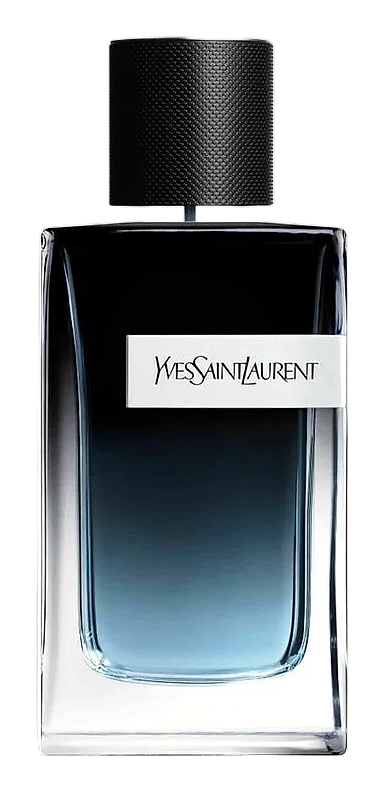
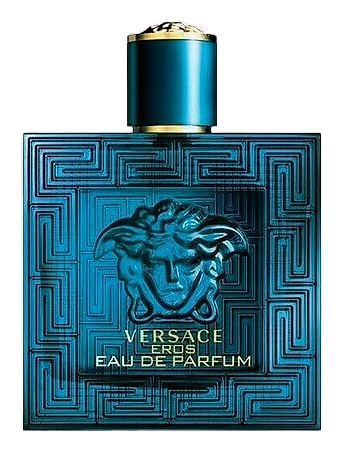
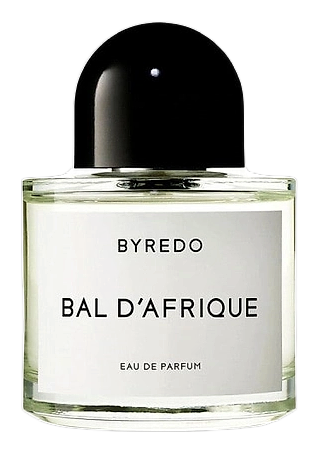
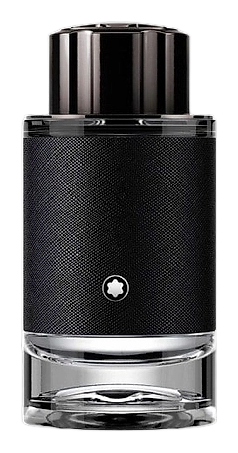
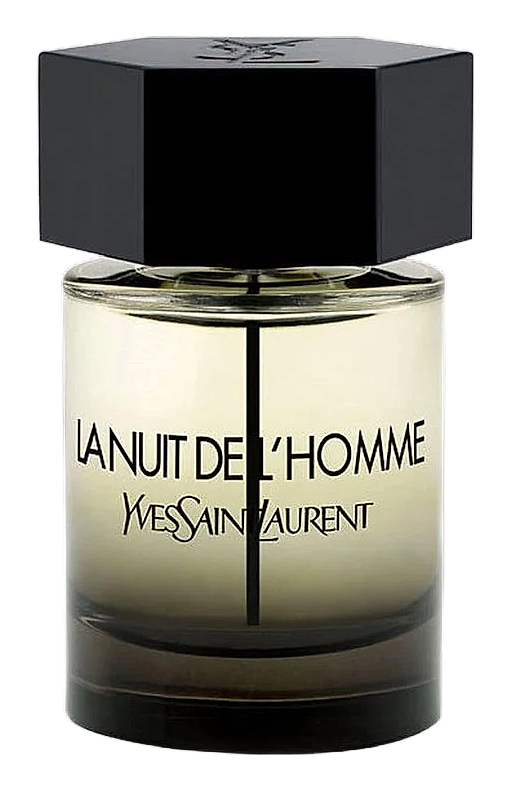
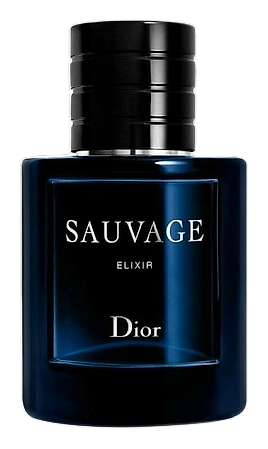
Fragrances featuring Vetiver





Brands
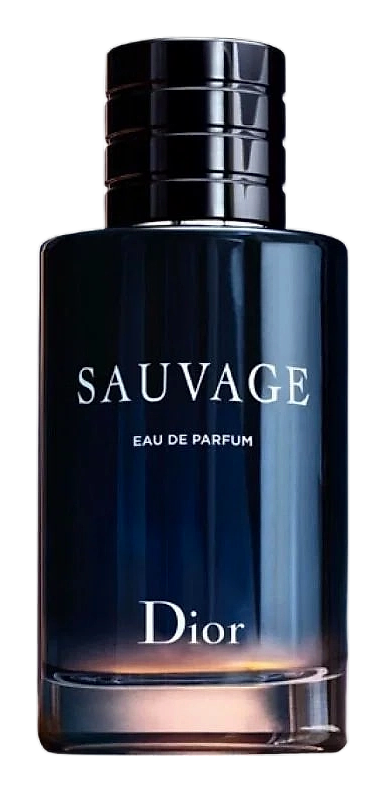
Brands known for Vetiver
Good to know
Questions, answered
The essentials on Vetiver in perfumery: how it smells, where it comes from, and how it behaves on skin.
What does vetiver smell like?
Vetiver smells earthy, smoky, and woody with green and slightly bitter undertones. Haitian vetiver leans drier and root-like, while Java vetiver carries heavier smoke. The scent varies by origin, but most people recognize its damp-soil, campfire character immediately.
Is vetiver a base note?
Yes, vetiver is classified as a base note. Its low volatility and heavy molecular weight allow it to linger on skin for 8 to 12 hours. Perfumers rely on it to anchor lighter citrus and floral top notes that would otherwise evaporate within minutes.
What is the difference between Haitian and Java vetiver?
Haitian vetiver smells cleaner, earthier, and slightly sweet with a grapefruit-like edge. Java vetiver is darker, smokier, and more resinous. Haitian oil is often preferred for refined compositions, while Java suits intense, leather-oriented fragrances.
Why is vetiver so expensive?
Vetiver commands high prices because root harvesting is labor-intensive and oil yields are low, typically requiring 100 to 200 kilograms of dried roots to produce one kilogram of essential oil. Crop cycles also span 18 months before roots reach peak aromatic content.
What perfumes use vetiver?
Vetiver appears in many iconic compositions, including Guerlain Vetiver, Givenchy Vétiver, and Tom Ford Grey Vetiver. It is a staple in the fougère and chypre families and features in hundreds of masculine and unisex fragrances produced since the 1960s.
Can vetiver be used for anxiety or stress?
Vetiver essential oil is used in aromatherapy for its grounding, calming properties, though clinical evidence remains limited. One 2015 study in the Journal of Intercultural Ethnopharmacology found vetiver inhalation reduced anxiety markers in rats, but human trials are sparse.
Is vetiver natural or synthetic?
Most vetiver on the market is natural, steam-distilled from plant roots. However, synthetic alternatives like vetiveryl acetate and Clarycet exist for cost-sensitive formulations. Natural vetiver remains preferred in fine perfumery for its complex, multifaceted aroma.
Where is vetiver grown today?
Haiti produces roughly half the world's vetiver oil, followed by Java, Réunion Island, Madagascar, and India. Each region yields a distinct chemotype, meaning the same plant produces noticeably different scents depending on soil, climate, and distillation practices.