Mate
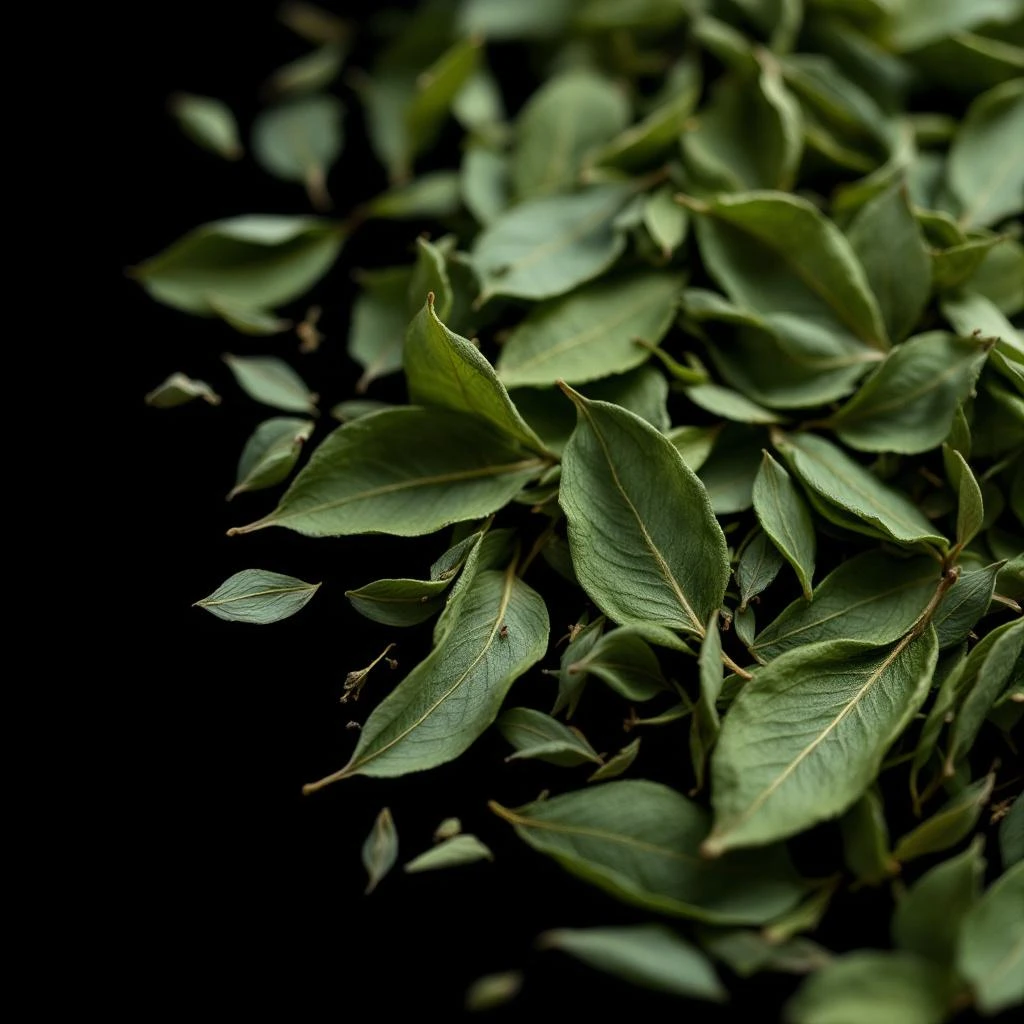
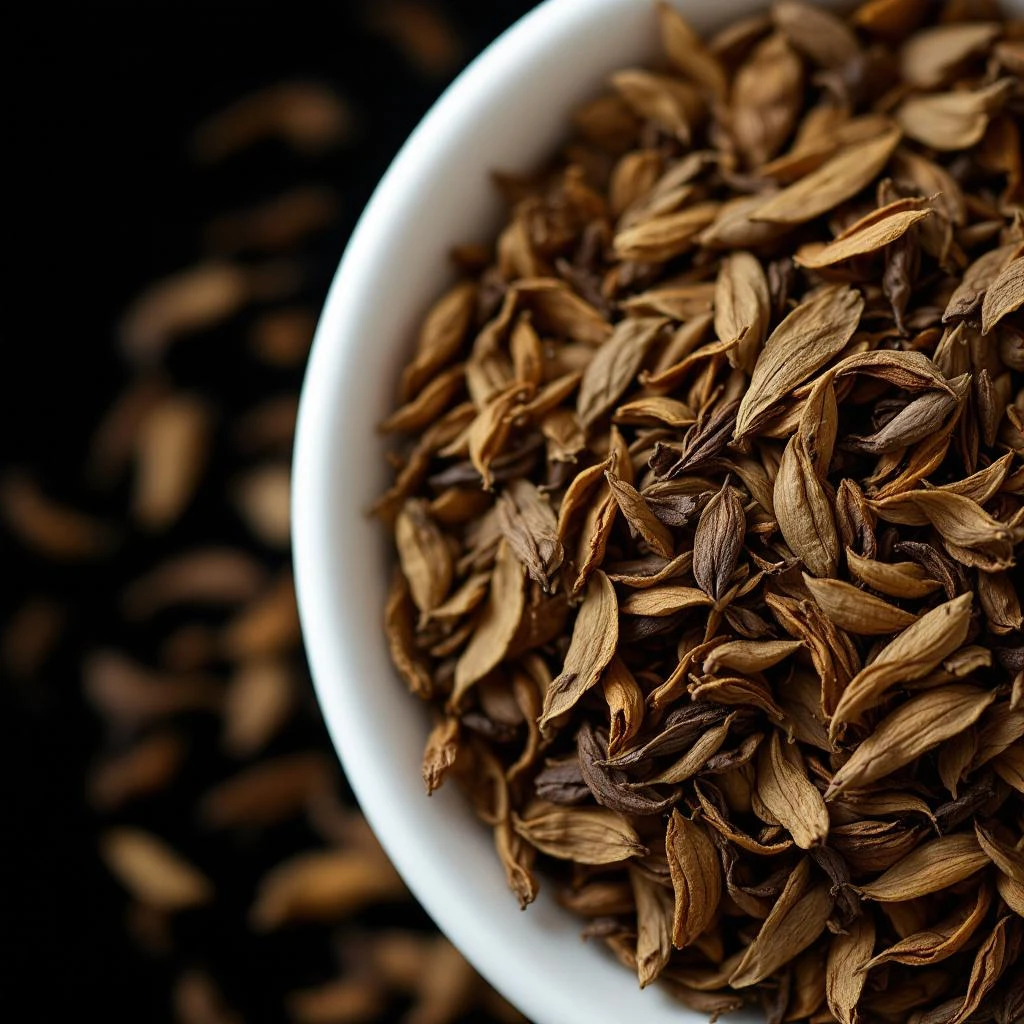
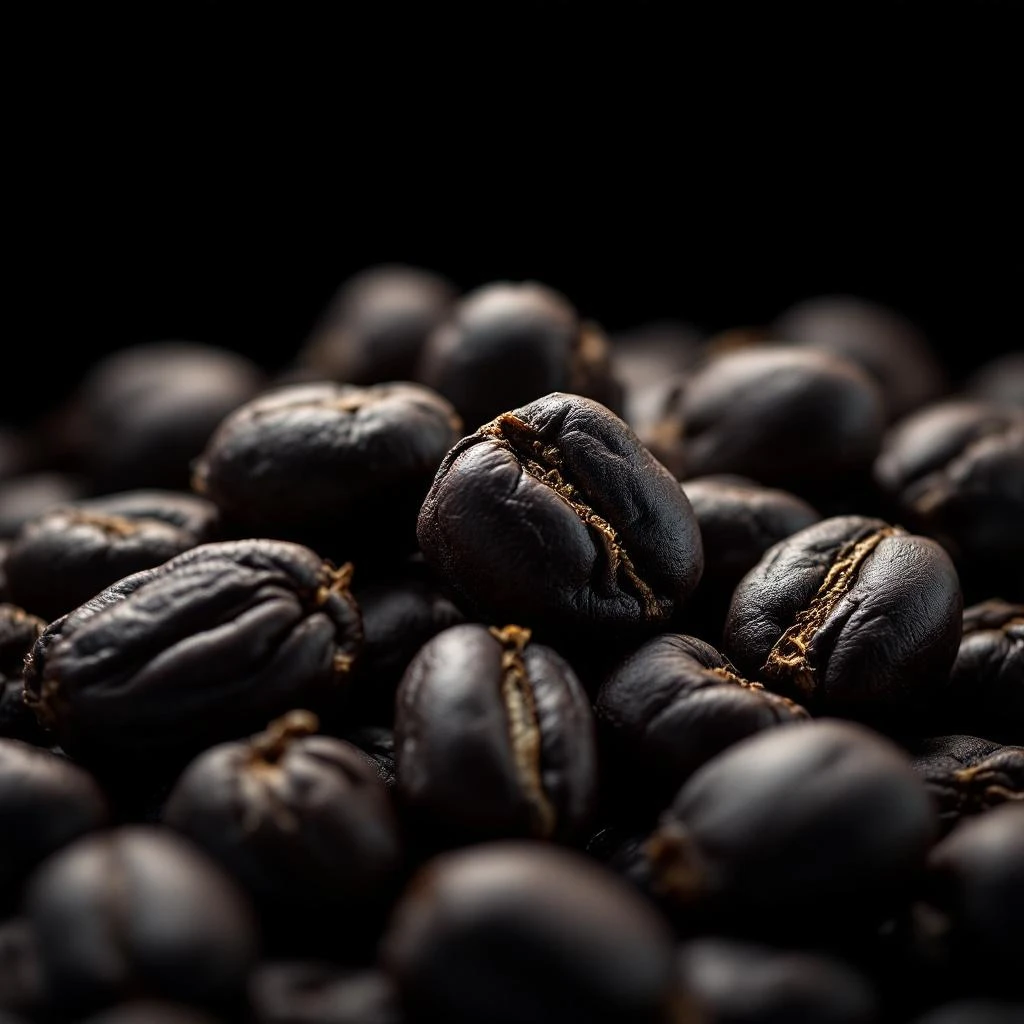
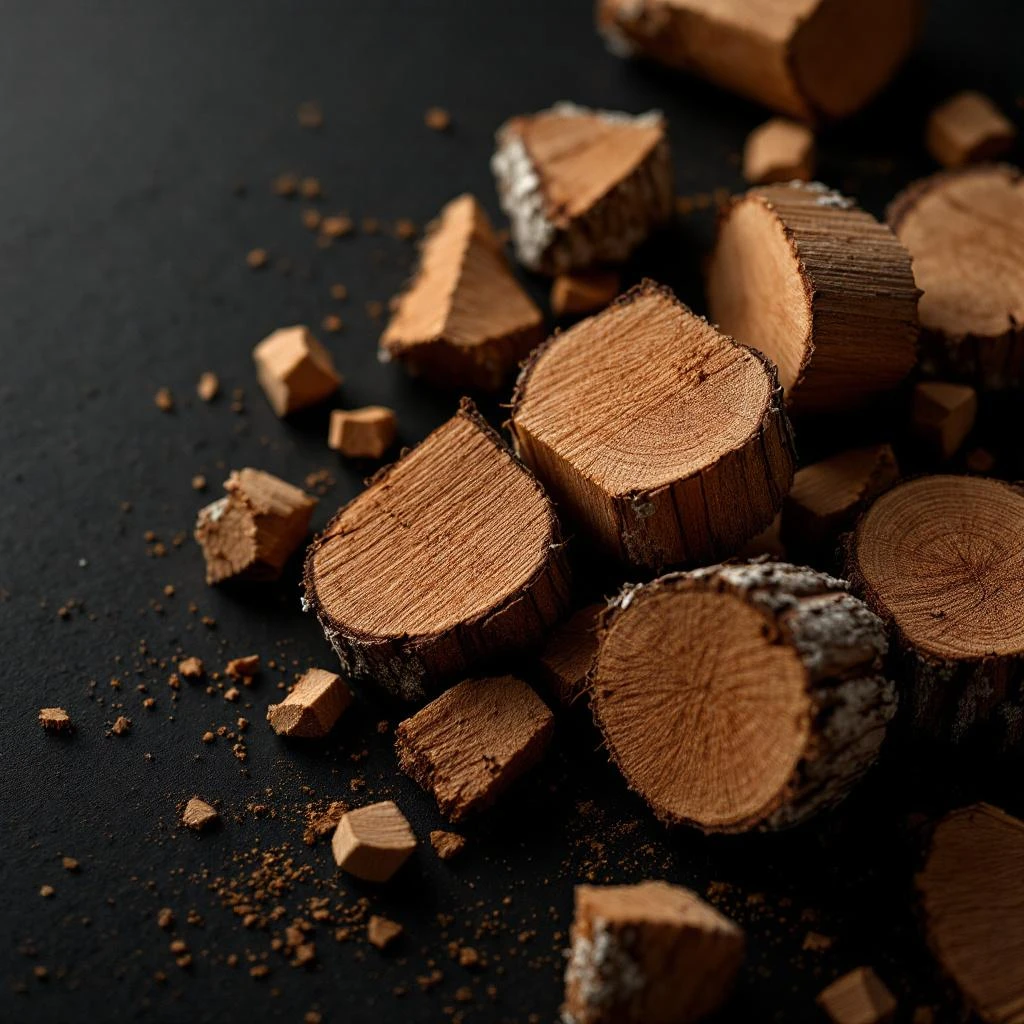
Mate brings dry leaves, green wood and a whisper of smoke to a fragrance, lending depth without the sweetness of a conventional tea note.
Character
How it smells
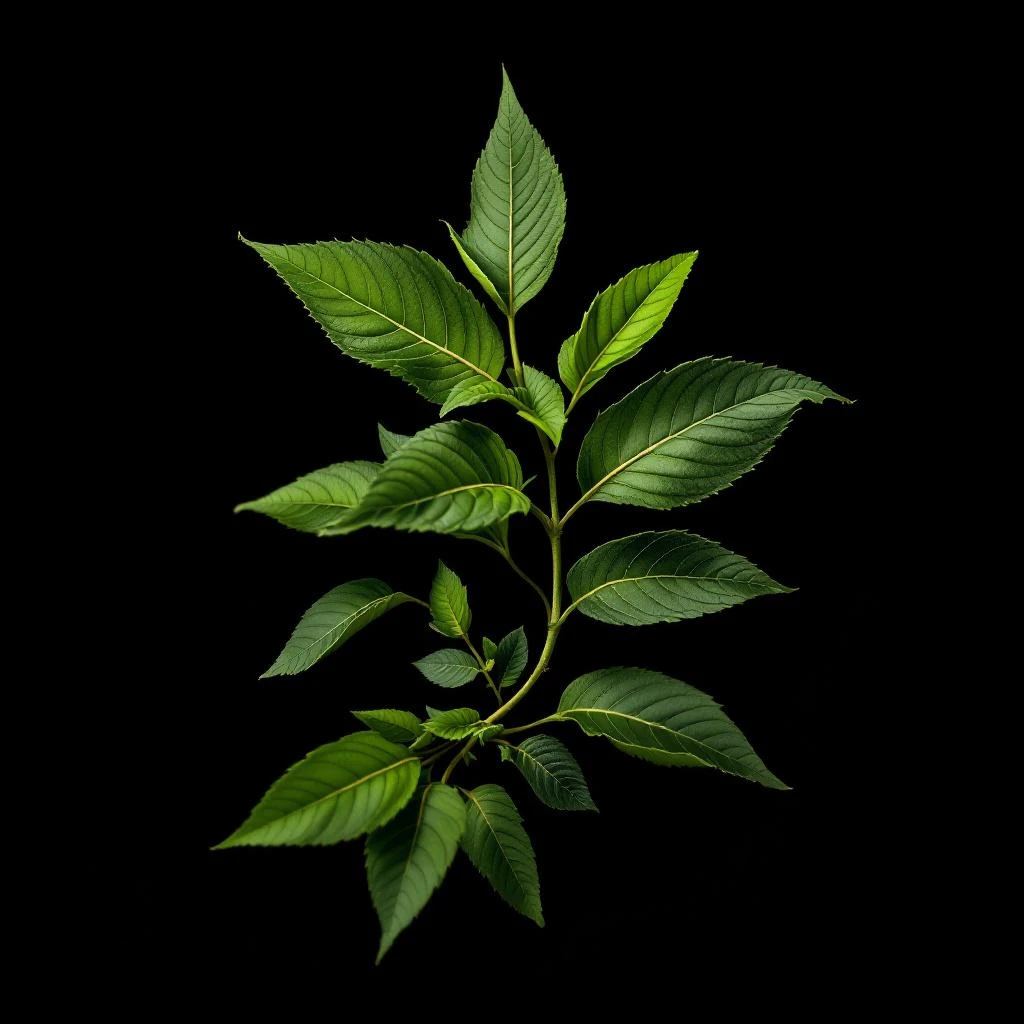
Dry, green and quietly smoky.
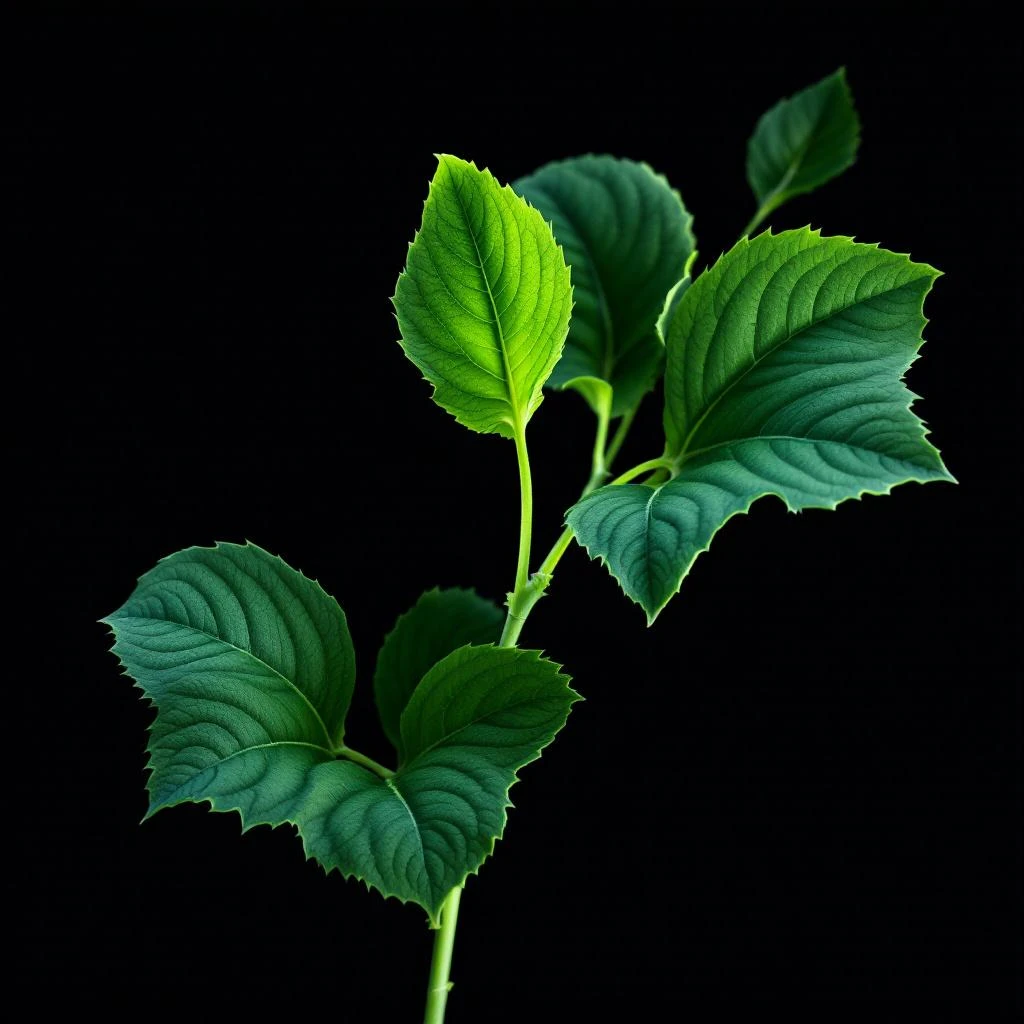
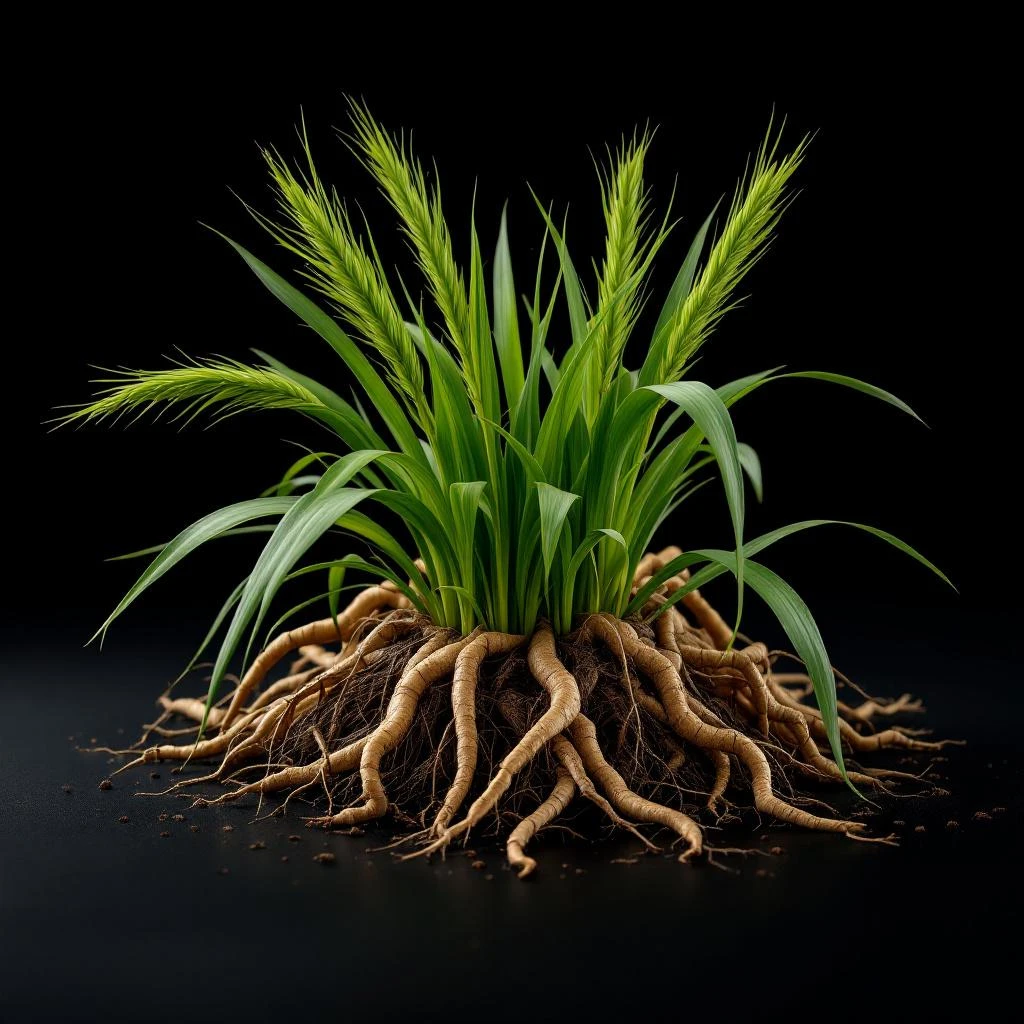
Mate is a caffeinated evergreen from the holly family, and its familiar tea-like character comes from dried leaves rather than flowers.
Origin
Argentina
Mate is native to the subtropical forests of southern South America and has a long history as a caffeinated infusion, especially among communities in present-day Argentina, Paraguay, Uruguay and southern Brazil. Traditionally, people gathered the plant in the wild; modern large-scale cultivation now takes place mainly in southern Brazil and Argentina.
The leaves became associated with the mate gourd and the ritual of passing a shared infusion around a table. Fragrance use is a separate expression of the same plant.
Early perfumery drew aromatic materials from flowers, woods, seeds, roots, saps and gums, while later advances in extraction and organic synthesis expanded the range of available natural ingredients. Mate entered perfumery as a modern interpretation of dried foliage, combining the clarity of green tea with hay, tobacco and faint smoke.
Wears it best
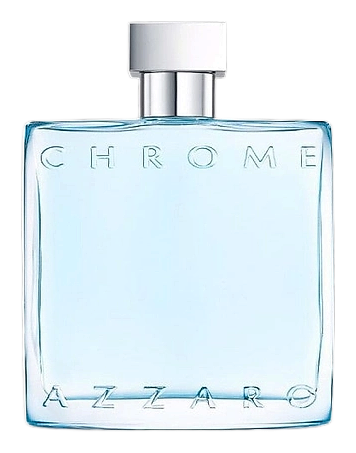
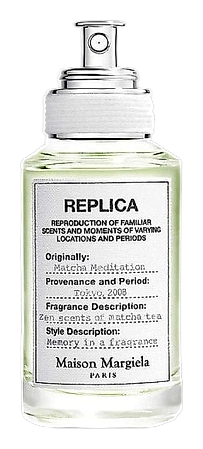
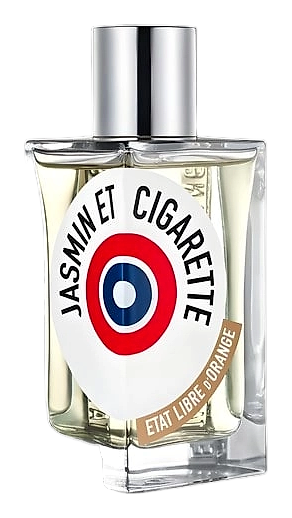
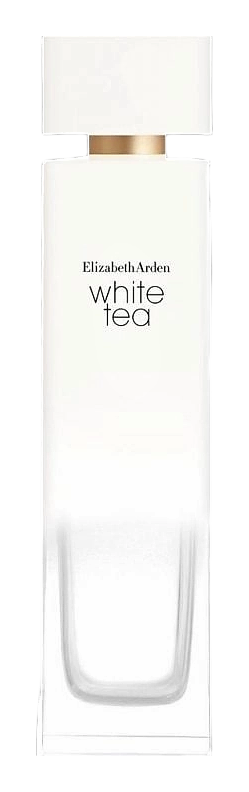
Fragrances featuring Mate

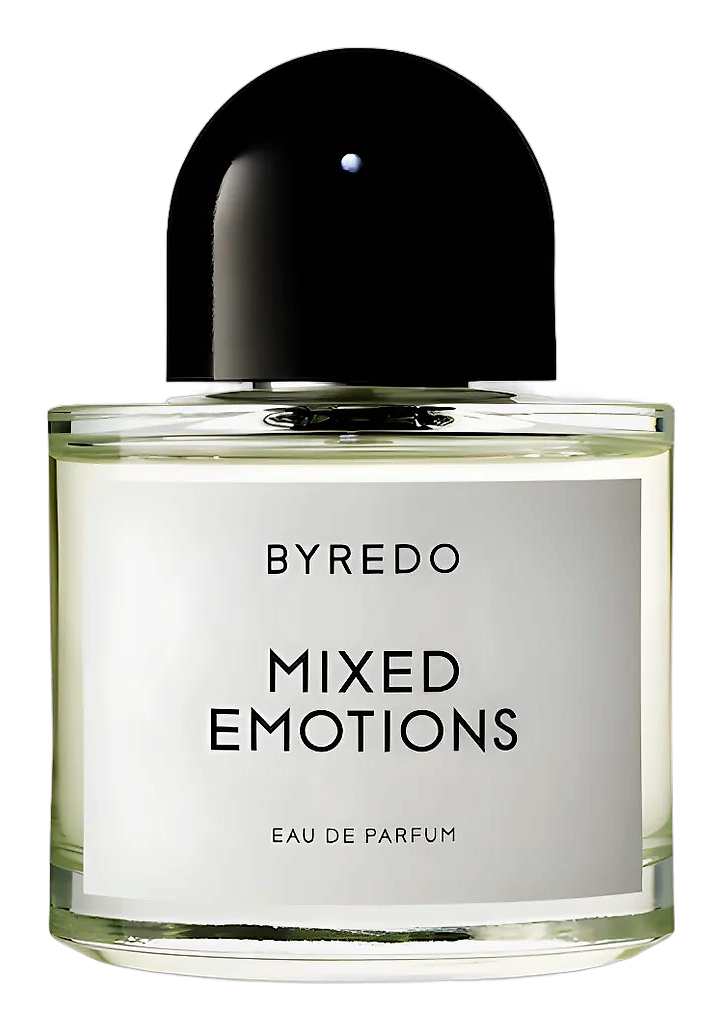
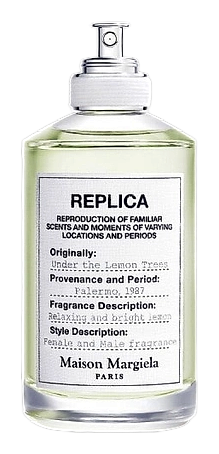
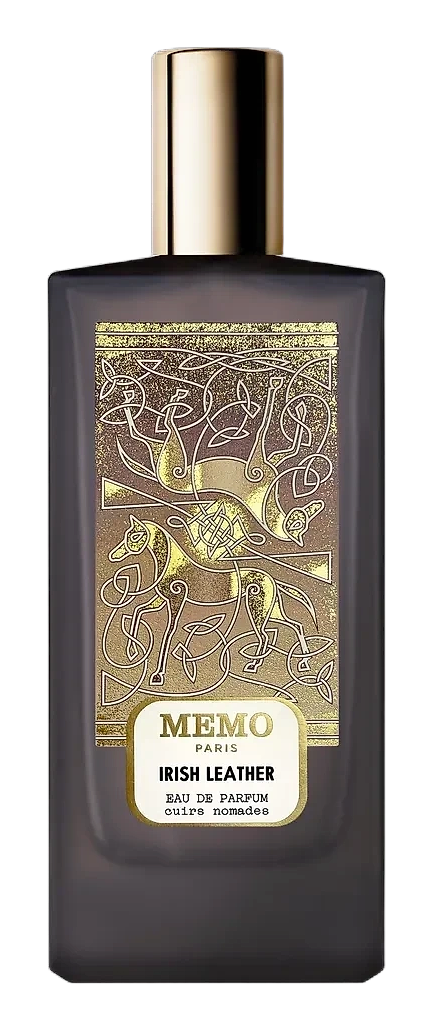
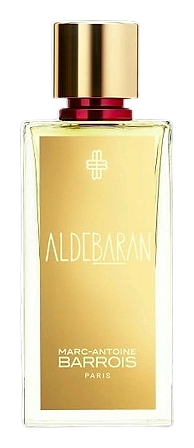
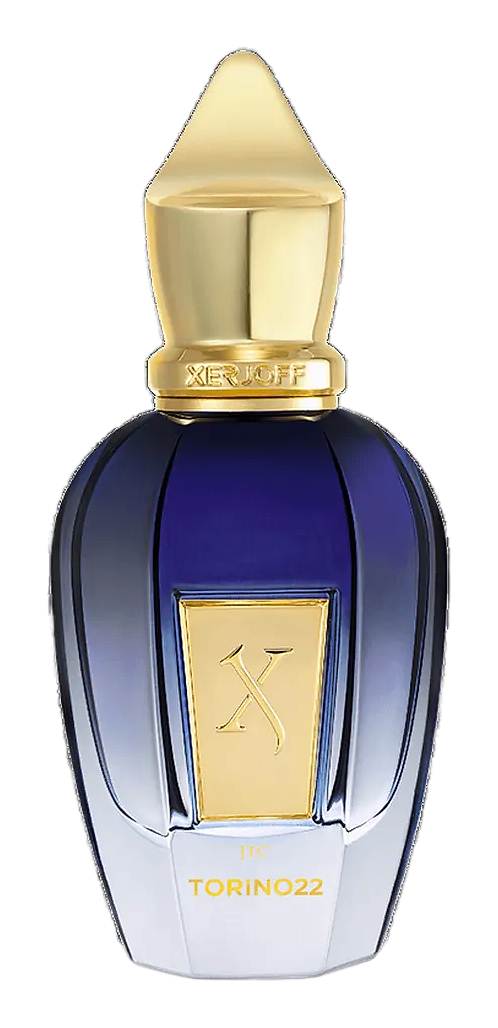

Brands
Brands known for Mate
Good to know
Questions, answered
The essentials on Mate in perfumery: how it smells, where it comes from, and how it behaves on skin.
What does mate smell like in perfume?
Mate smells dry, green and herbal, with hints of hay, tea and tobacco. Perfumery extracts concentrate the aroma of the dried leaves, adding subtle woody and smoky depth to a composition.
Is mate a tea note?
Yes, though it does not smell like a conventional black or green tea. Mate belongs to the holly family and has a drier, more herbaceous character with slight tobacco and smoke notes.
Which part of the mate plant is used in perfumery?
Perfumers generally use dried mate leaves. These leaves carry the plant’s green, woody aroma and are processed into an extract for use in fragrance formulas.
How is mate extracted for perfume?
Mate extracts are commonly produced by treating dried leaves with volatile solvents. This method captures a broad range of aromatic compounds that may be lost during steam distillation.
Where is mate native?
Mate is native to subtropical South America, particularly the region spanning present-day Argentina, Paraguay, Uruguay and southern Brazil. Large-scale cultivation now centers on southern Brazil and Argentina.
Does mate contain caffeine?
Yes. Mate naturally contains caffeine and is traditionally prepared as an herbal infusion, although perfumery uses its aromatic leaves rather than its brewed beverage.
What fragrance families pair well with mate?
Mate pairs naturally with woods, citrus, incense and tea accords. Its dry green profile adds structure to fresh compositions and restrained smoke to darker, more resinous fragrances.
Was mate used in ancient perfume?
There is no clear evidence that ancient perfumers used mate. Historical fragrance makers relied on locally available flowers, woods, seeds, roots, saps and gums, while mate became a perfumery ingredient much later.