Green Notes
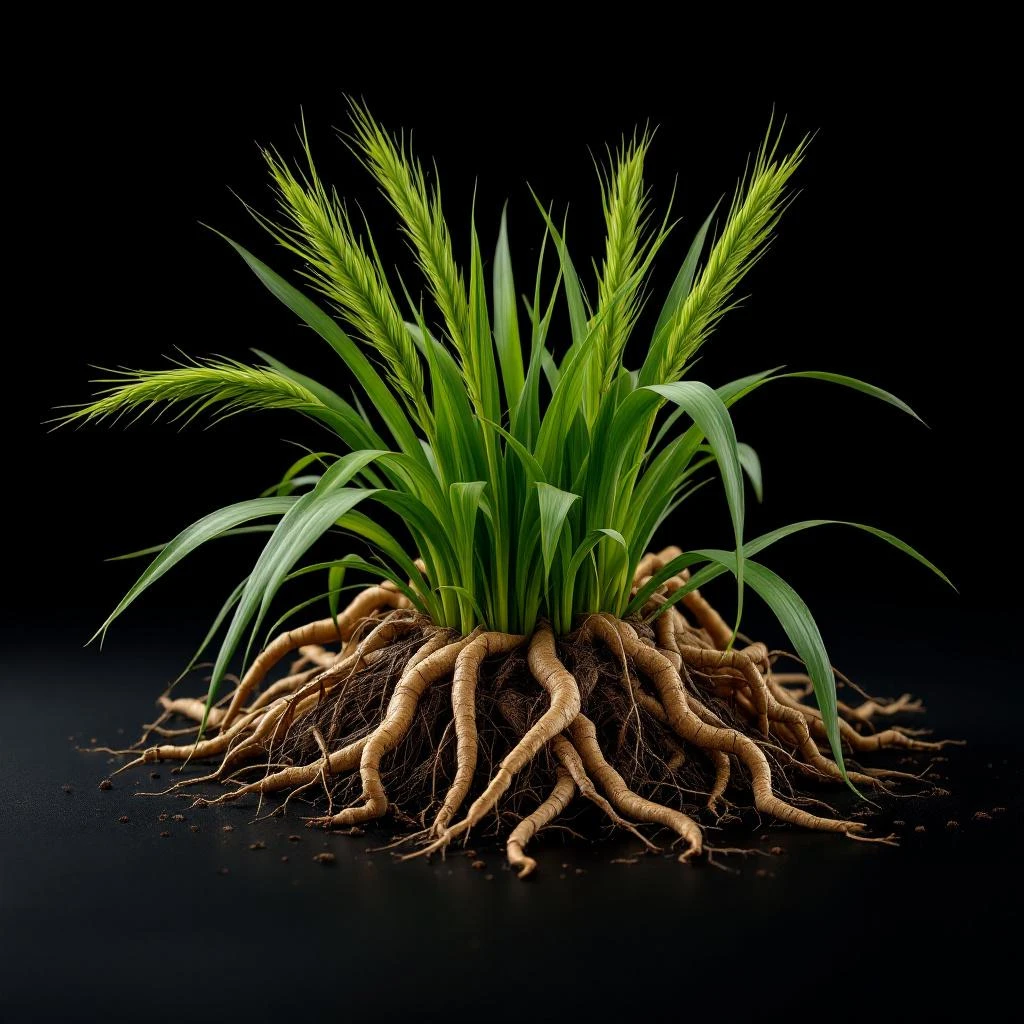
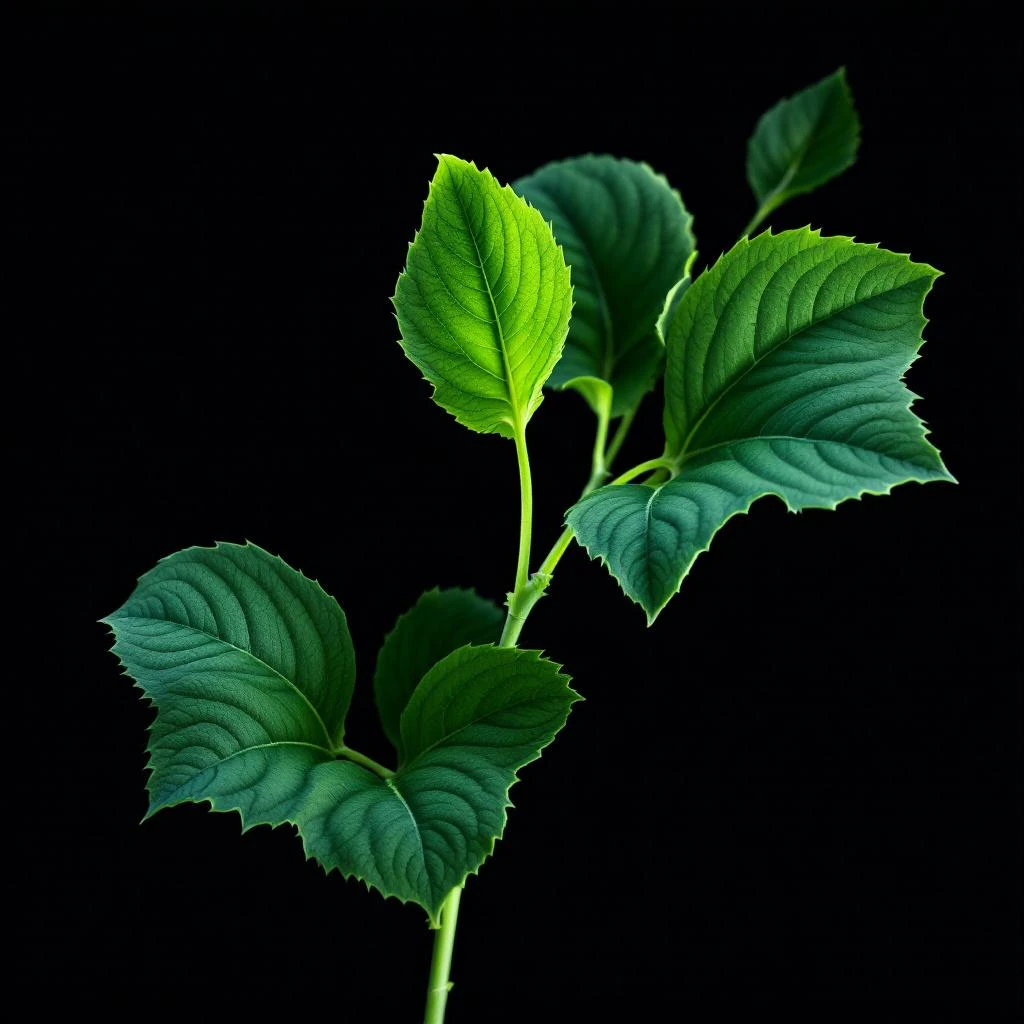
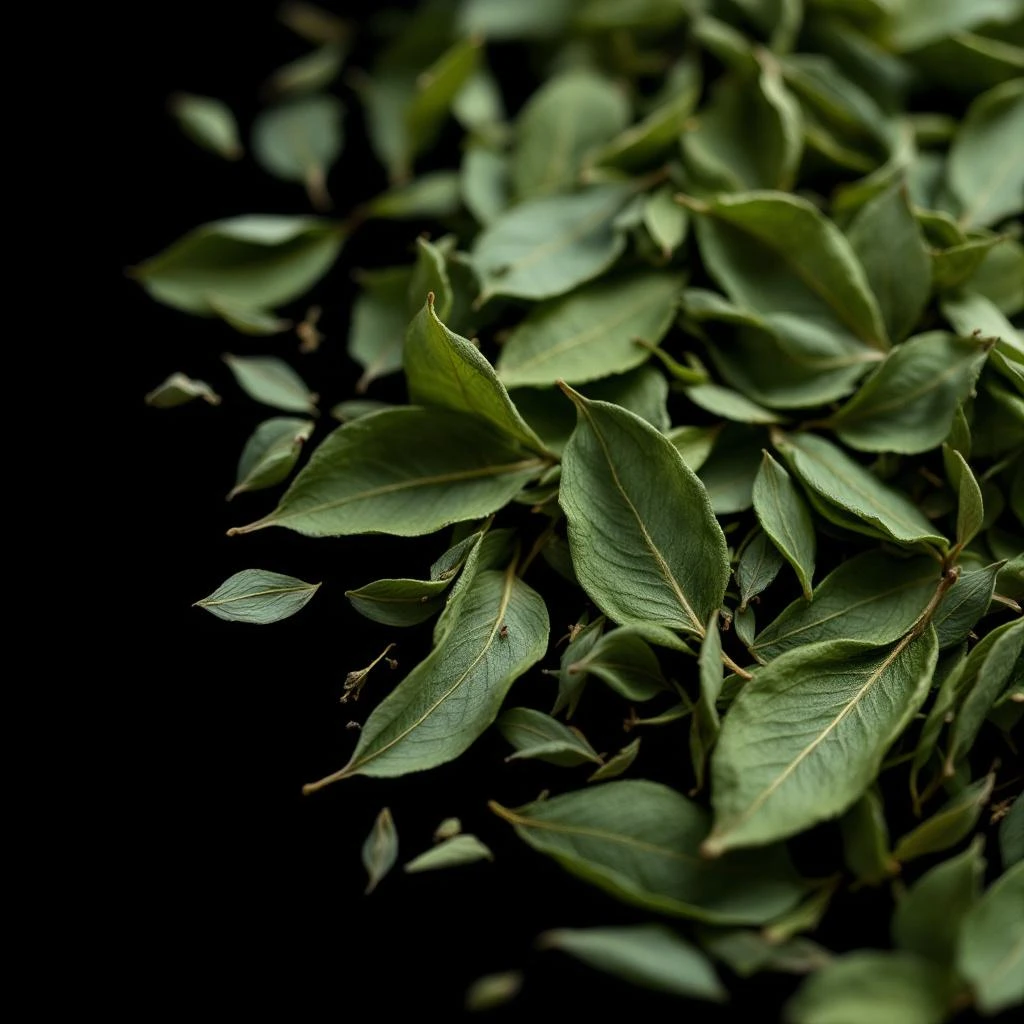
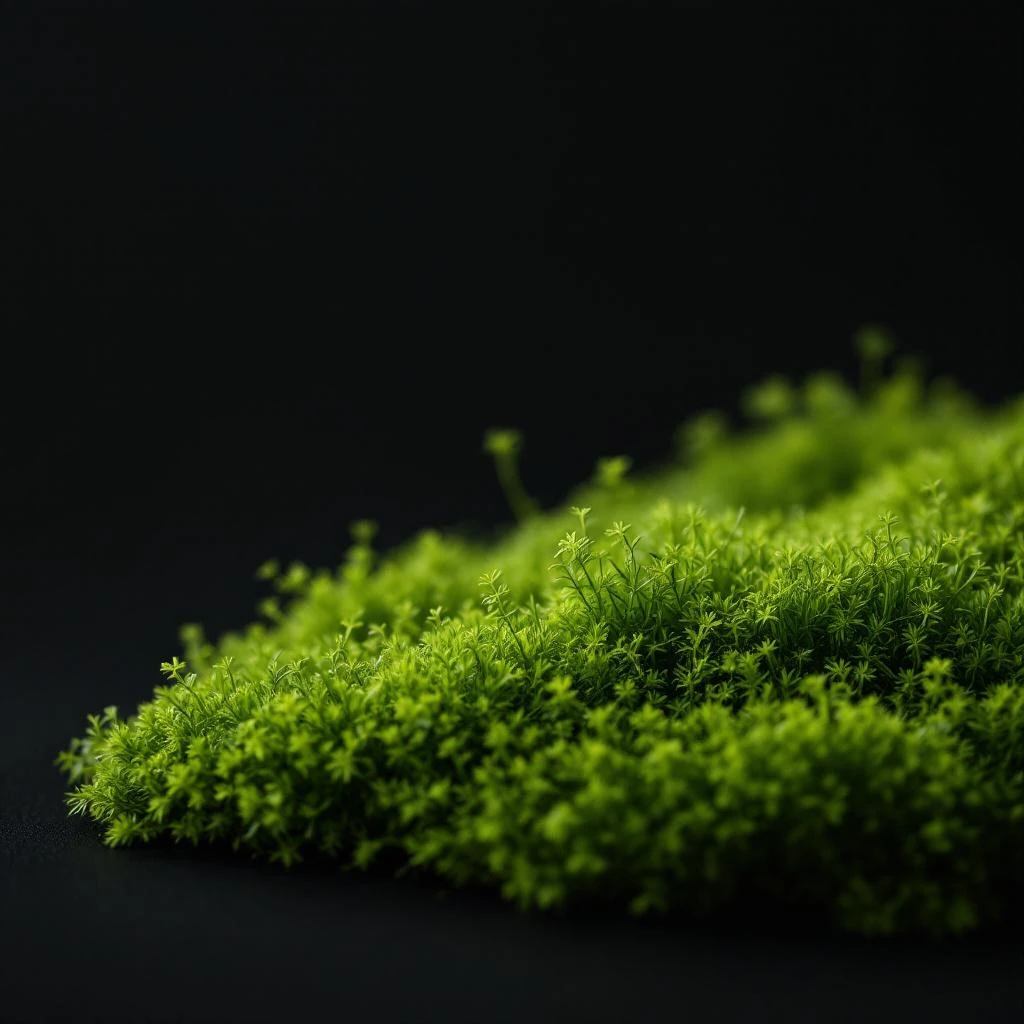
Green Notes describe the fresh, vegetative scent of crushed leaves, freshly cut grass, and dewy stems. In perfumery, they function as top and heart notes, lending immediacy, brightness, and a natural quality that anchors compositions to the living world. They appear across masculine, feminine, and unisex fragrances.
Character
How it smells
The scent of living plants: freshly cut stems and morning dew
Cis-3-hexen-1-ol, the compound responsible for the smell of just-cut grass, was first isolated from green tea in 1898. The fragrance industry now produces this 'leaf alcohol' synthetically.









Origin
Iran
The green family gained formal recognition in perfumery during the mid-20th century when fragrance houses began classifying scents by olfactory family rather than ingredient origin. While floral, oriental, and woody families had long-established identities, green notes emerged as a distinct category with the rise of fresh, masculine-oriented compositions in the 1940s and 1950s.
Galbanum, one of the most important natural green ingredients, has roots in ancient Egypt where it was used in temple incense and cosmetics. Its intensely sharp, green, slightly resinous character made it valuable across centuries. The development of synthetic green compounds in the 1950s transformed the category: cis-3-hexen-1-ol, once only available through complex extraction, became commercially synthesized, enabling perfumers to create the freshly cut grass note reliably and affordably.
Today, green notes remain foundational to modern perfumery. They provide the crisp, immediate freshness that defines hundreds of iconic fragrances. What began as a masculine fragrance staple has expanded across the entire fragrance landscape.
Wears it best
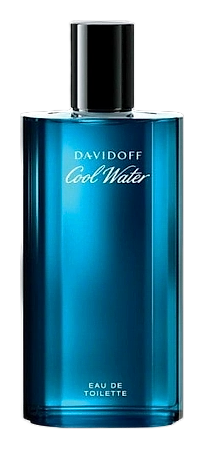
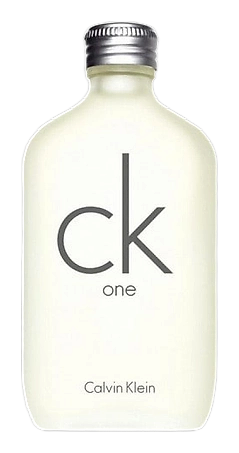
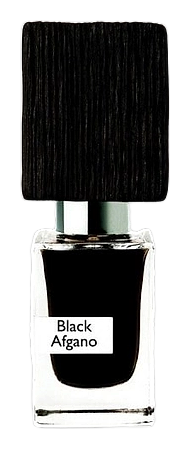
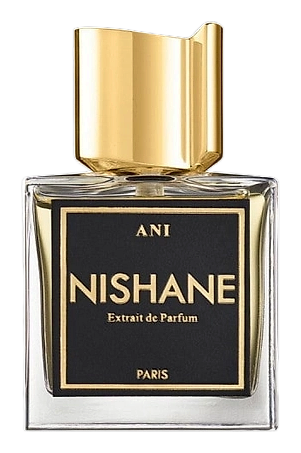
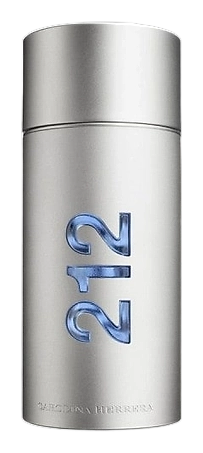
Fragrances featuring Green Notes







Brands
Brands known for Green Notes
Good to know
Questions, answered
The essentials on Green Notes in perfumery: how it smells, where it comes from, and how it behaves on skin.
What does Green Notes smell like in perfume?
Green Notes smell like freshly cut grass, crushed leaves, and dewy stems. They evoke the vegetative, immediate freshness of living plants. Cis-3-hexen-1-ol, the primary green compound, produces the characteristic just-cut lawn impression found in many modern fragrances.
Why is Green Notes used in perfumery?
Green Notes provide freshness, immediacy, and a natural quality that anchors compositions to the living world. They function as top and heart notes, lending brightness and lift to fragrance structures. The category includes materials that contribute over 80 distinct green-smelling compounds to perfumery palettes.
Is Green Notes in perfume natural or synthetic?
Green Notes can be either natural or synthetic. Natural sources include galbanum resin (steam distilled from Ferula galbaniflua) and violet leaf absolute (solvent-extracted). Synthetic versions include cis-3-hexen-1-ol (leaf alcohol) and related compounds. About 90% of green compounds used commercially today are synthetic.
What famous perfumes contain Green Notes?
Green Notes appear in Chanel Cristalle Eau de Parfum, Givenchy Gentleman, and many fougère fragrances. The category spans hundreds of iconic scents across masculine, feminine, and unisex segments. Chanel introduced a dedicated green fragrance family in 1974 with Cristalle.
Is Green Notes a top note, heart note, or base note?
Green Notes primarily function as top and heart notes. They provide immediate freshness upon application, with volatility that varies by molecular weight. Violet leaf absolute lasts longer as a heart note while leaf alcohol serves as an opening top note. Typical longevity ranges from 30 minutes to 2 hours.
What notes pair well with Green Notes in perfume?
Green Notes pair well with citrus (for sparkling freshness), florals (for softened green character), and woody materials (for grounding). Aquatic and ozonic notes amplify green qualities, while patchouli and amber create contrast. The combination with aromatic herbs like basil and clary sage produces classical masculine signatures.
Where does Green Notes come from?
Natural Green Notes originate from galbanum resin (Iran), violet leaf absolute (France, Egypt), and various herb essential oils. Synthetic Green Notes, primarily cis-3-hexen-1-ol, are produced via organic synthesis in industrial quantities. The synthetic leaf alcohol was first commercially produced in the 1950s.
Is Green Notes used in men's or women's fragrances?
Green Notes appear in both men's and women's fragrances. Originally a masculine staple in early 20th century colognes, the category has expanded to include feminine and unisex scents. A 2021 industry survey found green notes in approximately 45% of new fragrance launches across all demographics.