Green Tea
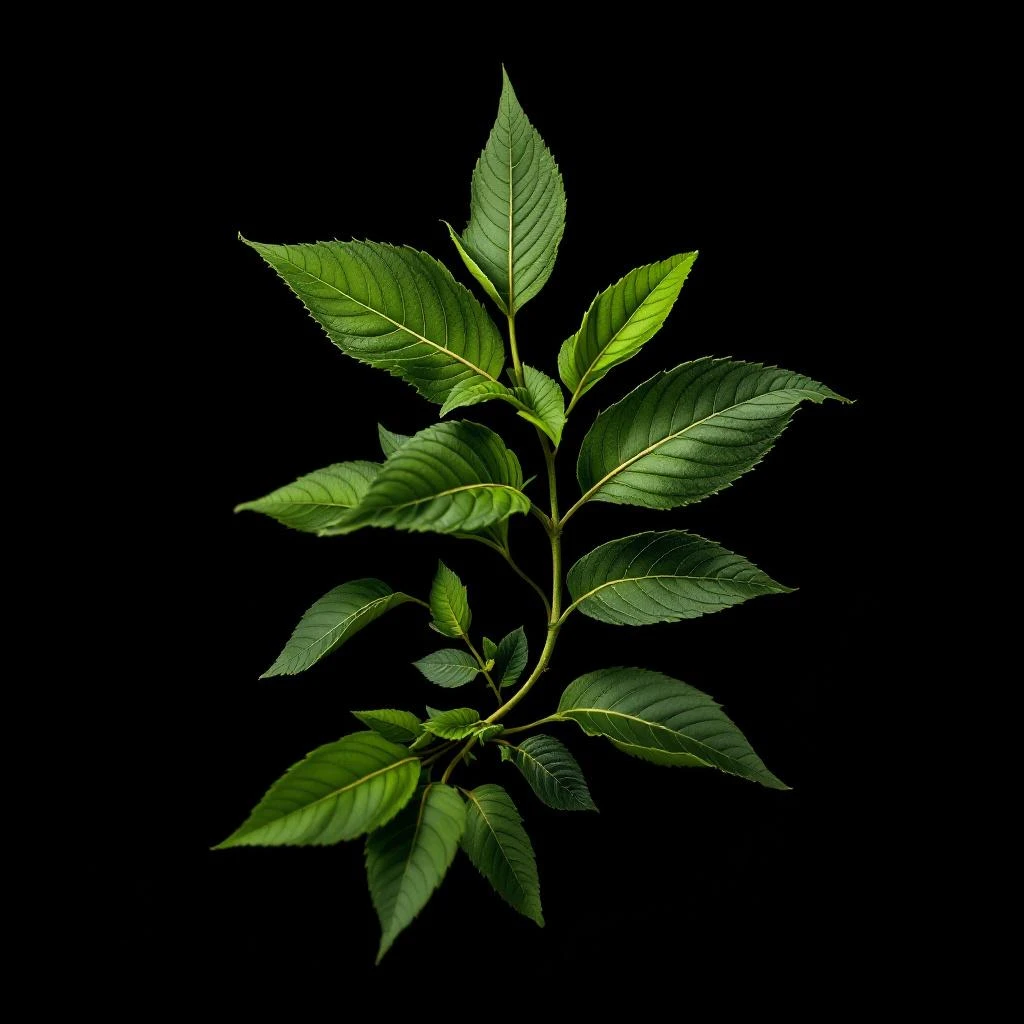
Green tea in perfumery is a quiet, fresh-aquatic note with a crisp leafy clarity and subtle bitter edges. It evokes steeped leaves, morning air, and clean vegetal coolness without sweetness or heaviness.
Character
How it smells
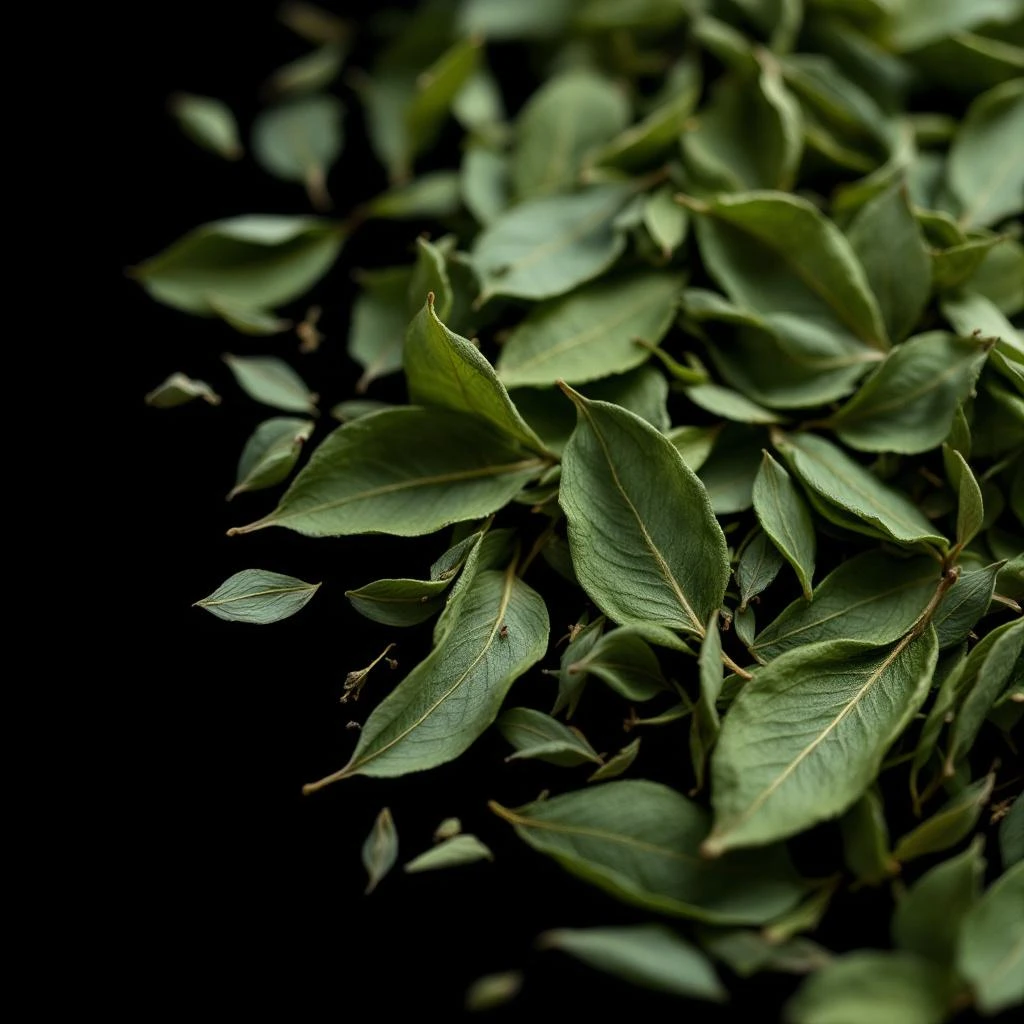
Steeped leaves, bottled.
Green tea and black tea come from the same plant, Camellia sinensis; the difference is oxidation, not species.








Origin
China
Tea has been brewed in China for at least three millennia, with the earliest cultivated varieties processed to halt oxidation, preserving the green leaf character. By the Tang dynasty, Lu Yu's 8th-century treatise Cha Jing codified tea cultivation, preparation, and tasting as a refined cultural practice.
Green tea reached Japan in the 9th century, where it became central to ceremony and aesthetic philosophy. The plant itself, Camellia sinensis, traveled to India, Sri Lanka, and Kenya through colonial trade in the 19th century, though each region developed its own processing traditions.
Green tea entered modern perfumery in the late 1990s, when freshness-driven aquatic and clean-aqueous trends favored its translucent profile. Thierry Mugler's Cologne and Comme des Garçons' green-tea compositions helped define a category that prioritized clarity, moisture, and restraint over the dense florals of earlier decades.
Wears it best
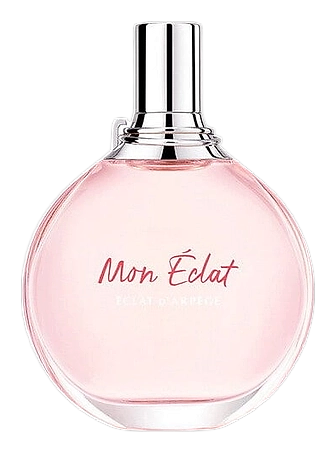
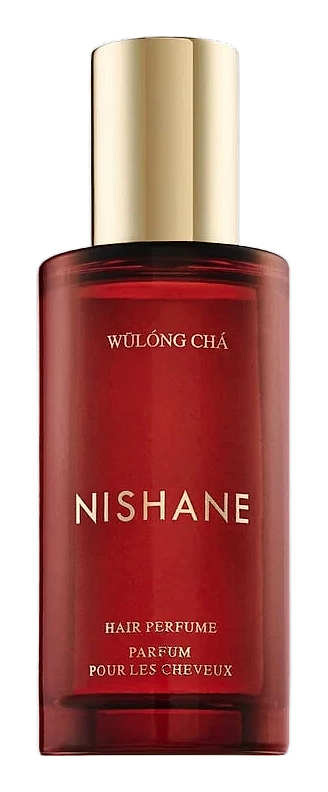
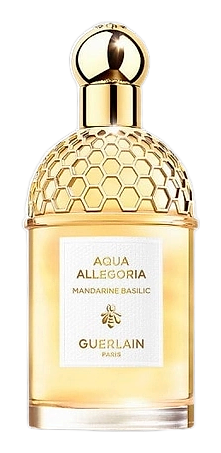
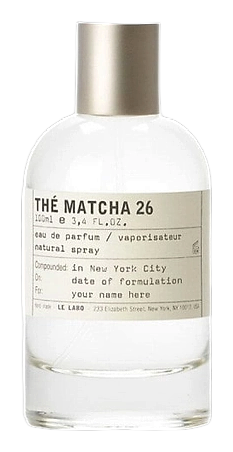
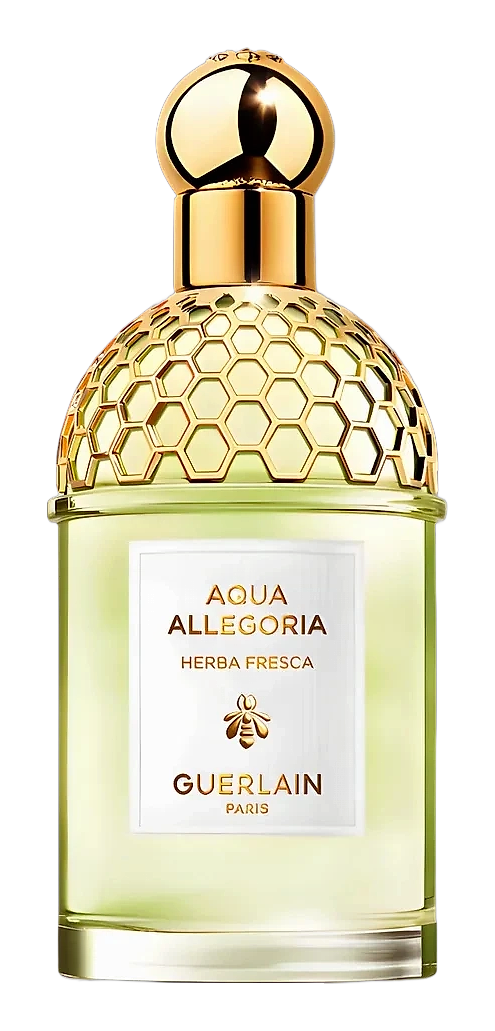
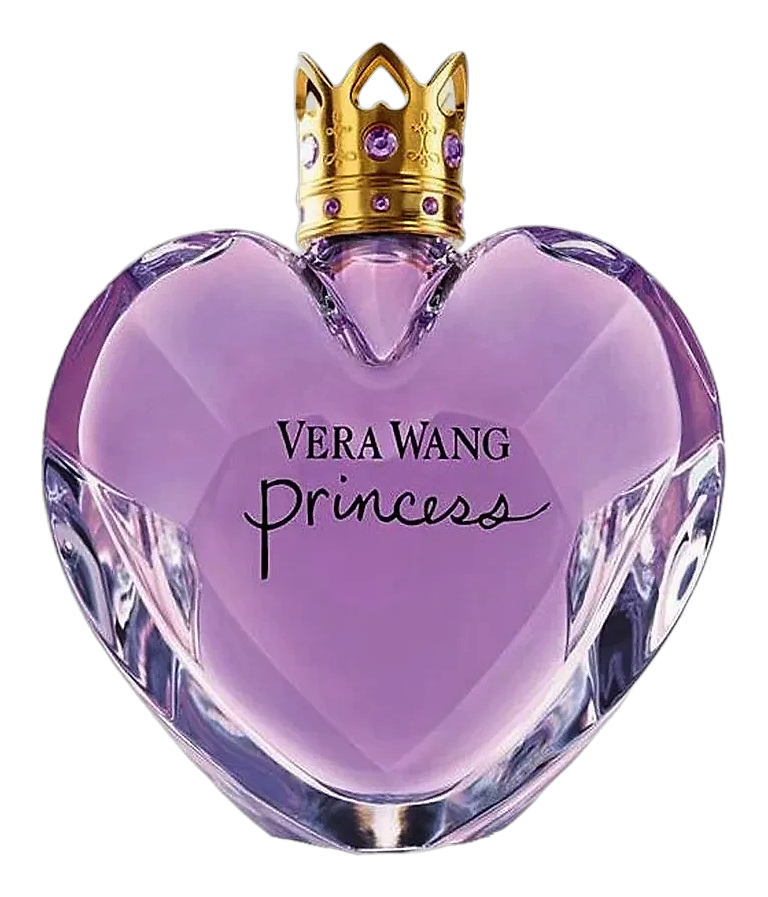
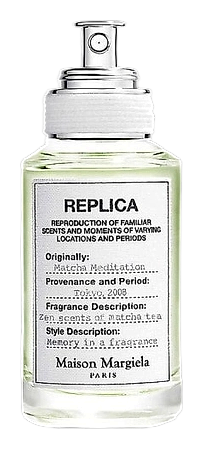
Fragrances featuring Green Tea




Brands
Brands known for Green Tea
Good to know
Questions, answered
The essentials on Green Tea in perfumery: how it smells, where it comes from, and how it behaves on skin.
What does green tea smell like in perfume?
Green tea in fragrance smells fresh, aqueous, and slightly bitter, with crisp leafy and faintly herbaceous notes. It is a clean, transparent scent rather than a warm or sweet one. The effect is closer to brewed water with steeped leaves than to a heavy botanical.
Is green tea a natural or synthetic note?
Most green tea notes in modern perfumery are synthetic reconstructions. Genuine steam distillation of Camellia sinensis yields very little usable aroma, so perfumers build the scent using molecules like stemone and undecavertol combined with trace amounts of tea absolute.
Where does the green tea used in perfumery come from?
The plant source, Camellia sinensis, originated in China and is still cultivated there, in Japan, India, and Sri Lanka. For perfumery, the geographic origin matters less than the chemistry, since most accords are reconstructed rather than distilled from leaves.
Is green tea a top, heart, or base note?
Green tea functions as a top to mid note because its fresh, aqueous character evaporates quickly. It gives an immediate clean opening but rarely persists beyond the first hour without support from longer-lasting musks or woods.
What fragrance families feature green tea?
Green tea appears most often in fresh, aquatic, and clean-green compositions. It also pairs well with citrus colognes, light florals, and sport or unisex fragrances that emphasize transparency and moisture over richness.
Does green tea smell different from black tea in perfume?
Yes. Green tea accords tend to be lighter, greener, and more aqueous, while black tea reads warmer, maltier, and slightly tannic. Perfumers treat them as distinct ingredients even though both come from the same plant.
Is green tea safe for skin in fragrance?
Green tea accord materials are generally safe at typical fragrance concentrations. Natural tea extracts contain caffeine and polyphenols but are used at such low levels in perfume that skin reactions are uncommon.
When was green tea first used in perfumery?
Green tea as a fragrance theme emerged in the late 1990s alongside the clean-aquatic trend. Comme des Garçons and Thierry Mugler helped popularize the note as a marker of freshness and minimalism in mainstream perfumery.