Tea
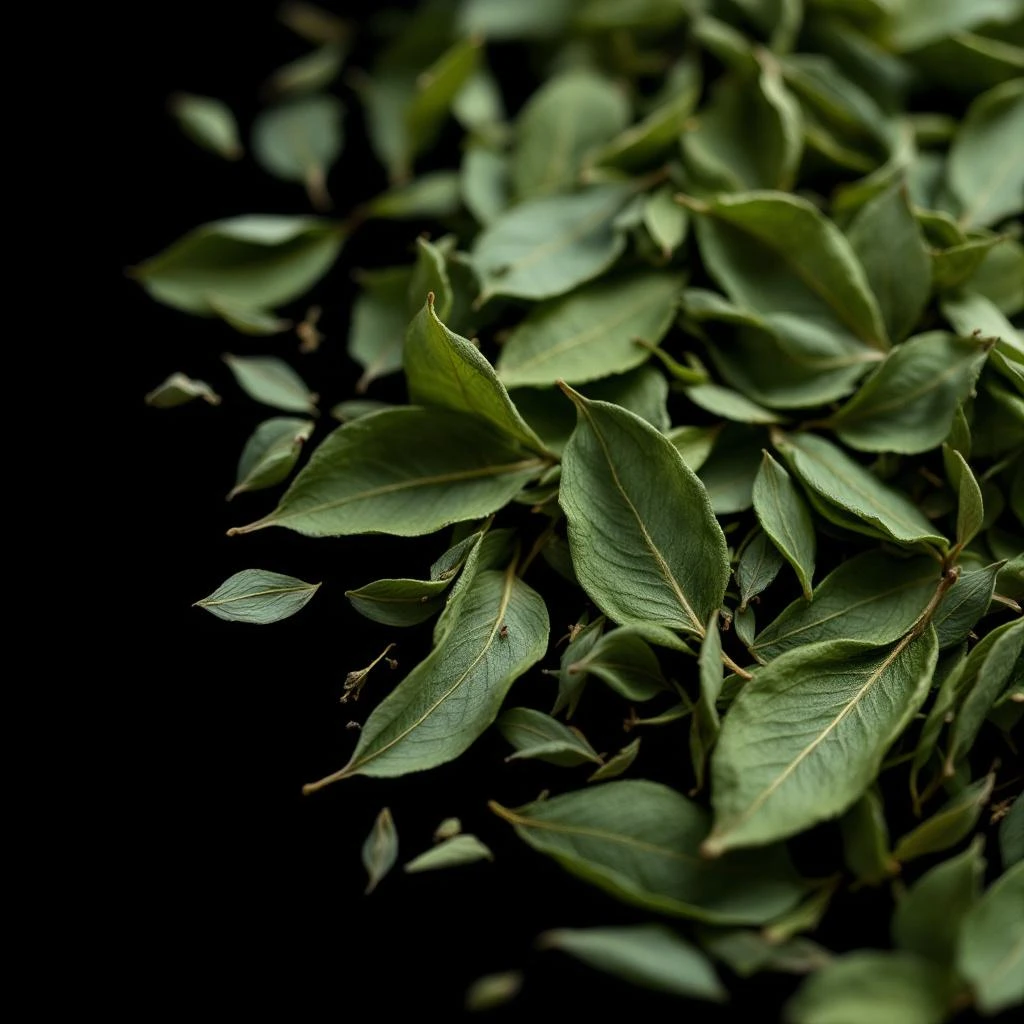
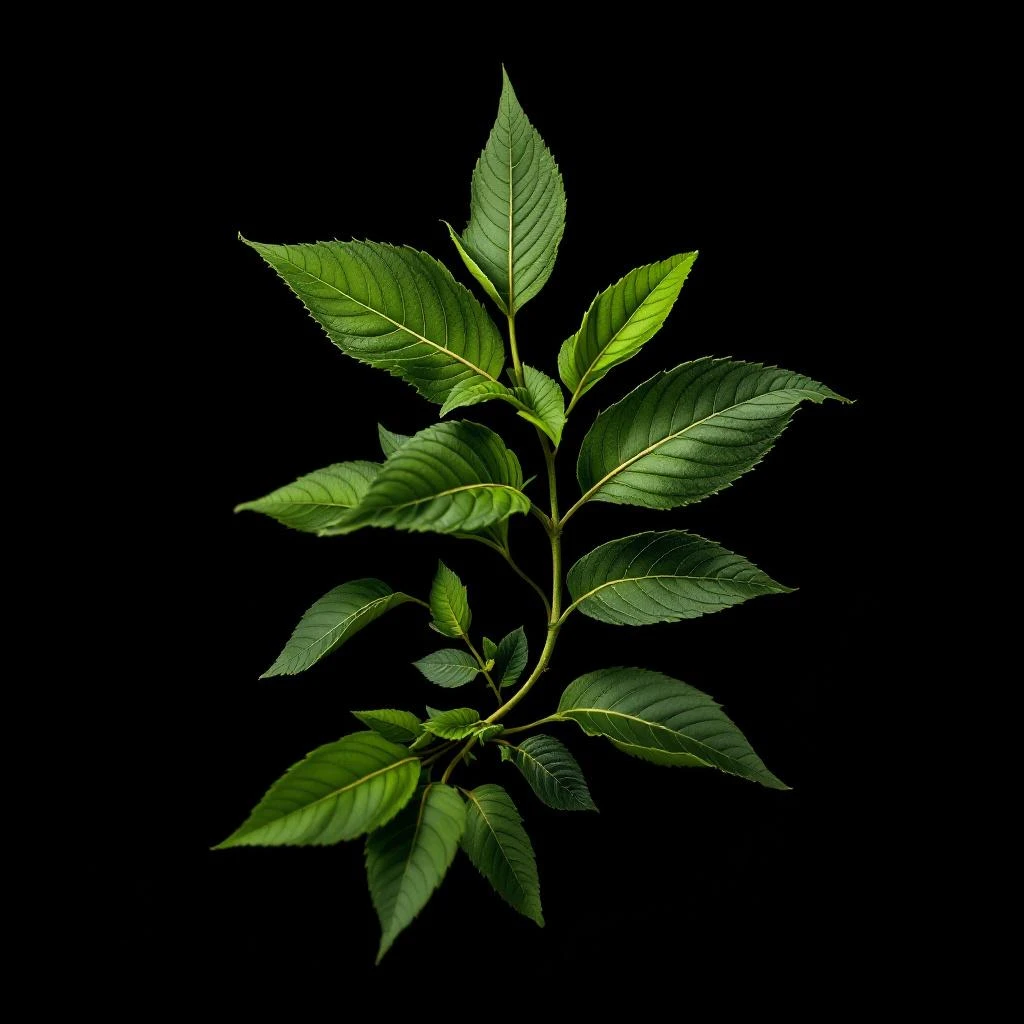
An aromatic leaf turned perfumery note. Tea in fragrance captures the dry, tannic warmth of Camellia sinensis leaves, ranging from green and grassy to smoky and fermented.
Character
How it smells
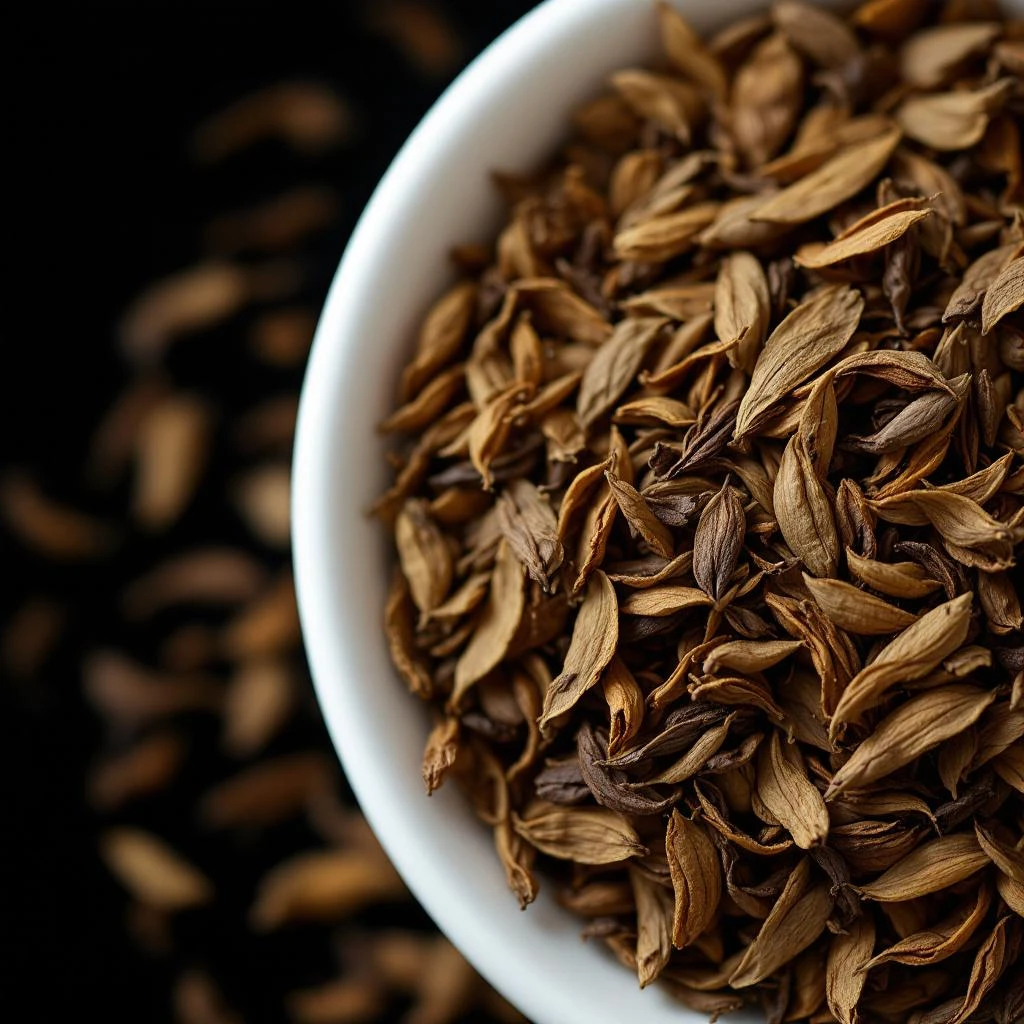
Steeped leaves, bottled calm
The same Camellia sinensis plant yields wildly different scent profiles: a fresh green tea smells grassy, while black tea offers deep, malty, almost tobacco-like warmth.








Origin
China
Camellia sinensis originated in the Yunnan region of southwestern China, where archaeological evidence suggests consumption dates back roughly 5,000 years. By the Tang Dynasty (618-907 CE), tea drinking evolved into a formalized cultural ritual codified in Lu Yu's Cha Jing, the first monograph devoted to tea, written around 760 CE.
Tea reached Japan in the 9th century, where Zen Buddhist monks refined leaf processing methods and elevated the beverage into chanoyu, the Japanese tea ceremony. The plant traveled westward through Portuguese and Dutch traders in the early 17th century, becoming a coveted commodity in Europe by the 1660s.
Tea as a perfumery note emerged much later. While incense and aromatic blends referenced tea ceremonially for centuries, the leaf entered Western fine fragrance primarily in the 20th century. Modern perfumers exploit tea not for its literal aroma but for its atmospheric associations: calm, refinement, quiet sophistication. Green tea accords dominated late-1990s and early-2000s fragrance launches, while smoky lapsang souchong and fermented pu-erh profiles have inspired newer niche compositions seeking depth and earthiness.
Wears it best
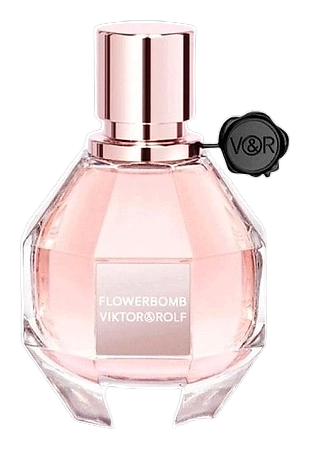
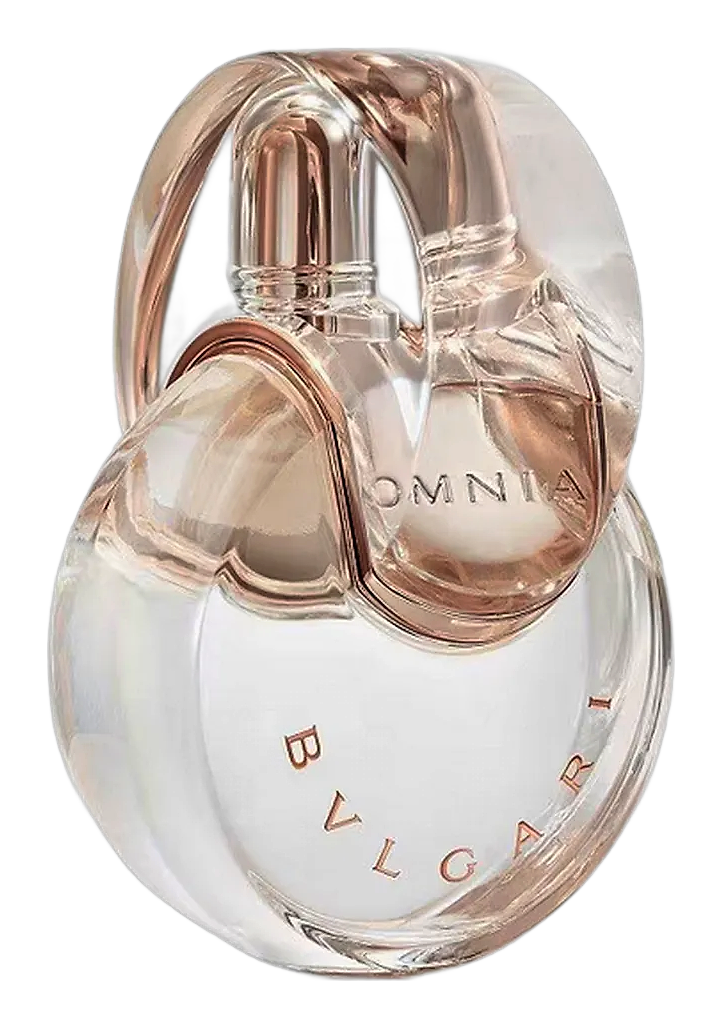
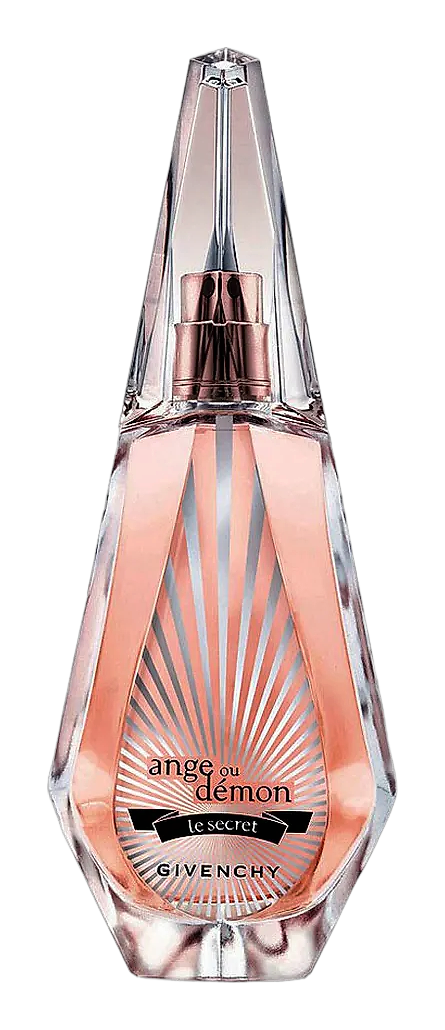
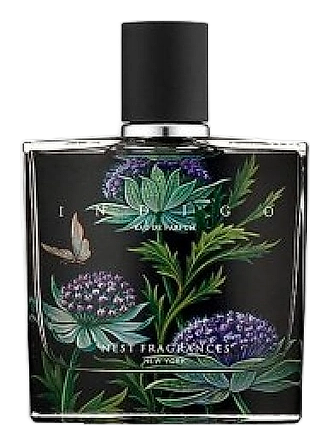
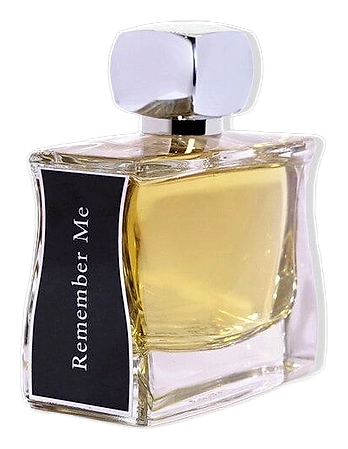
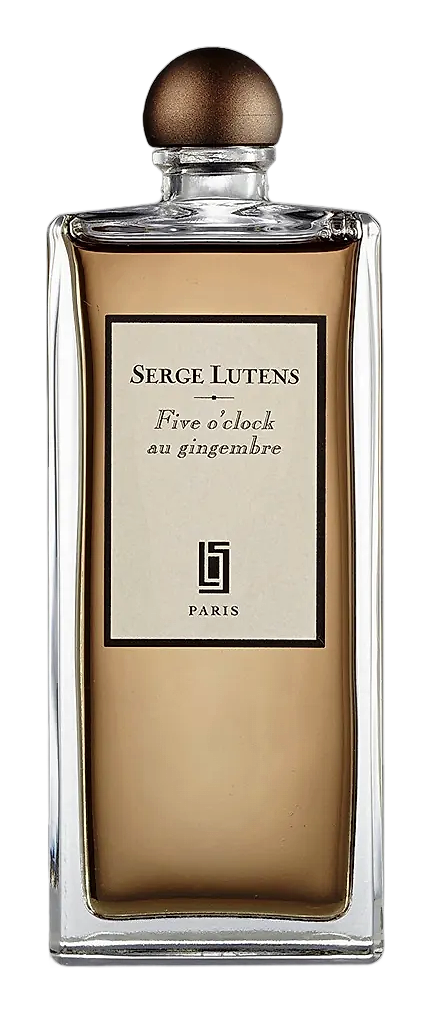
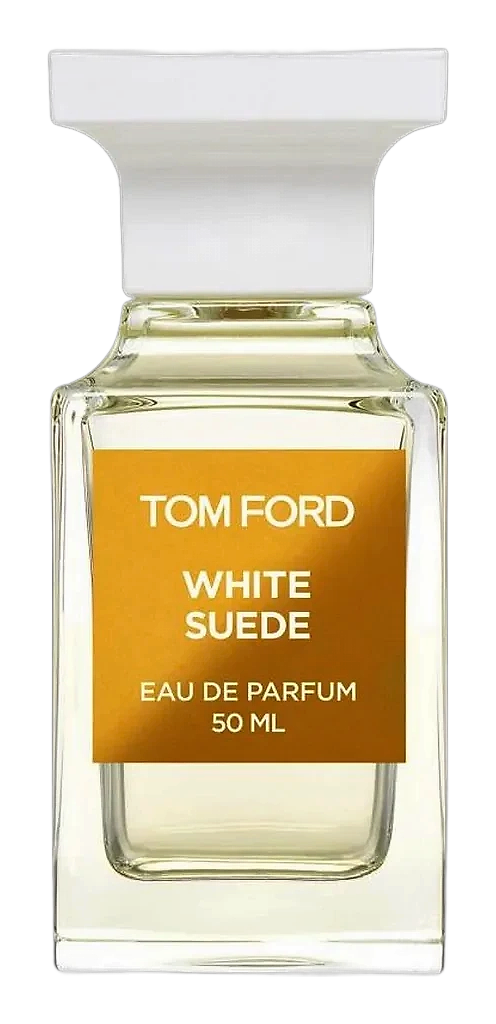
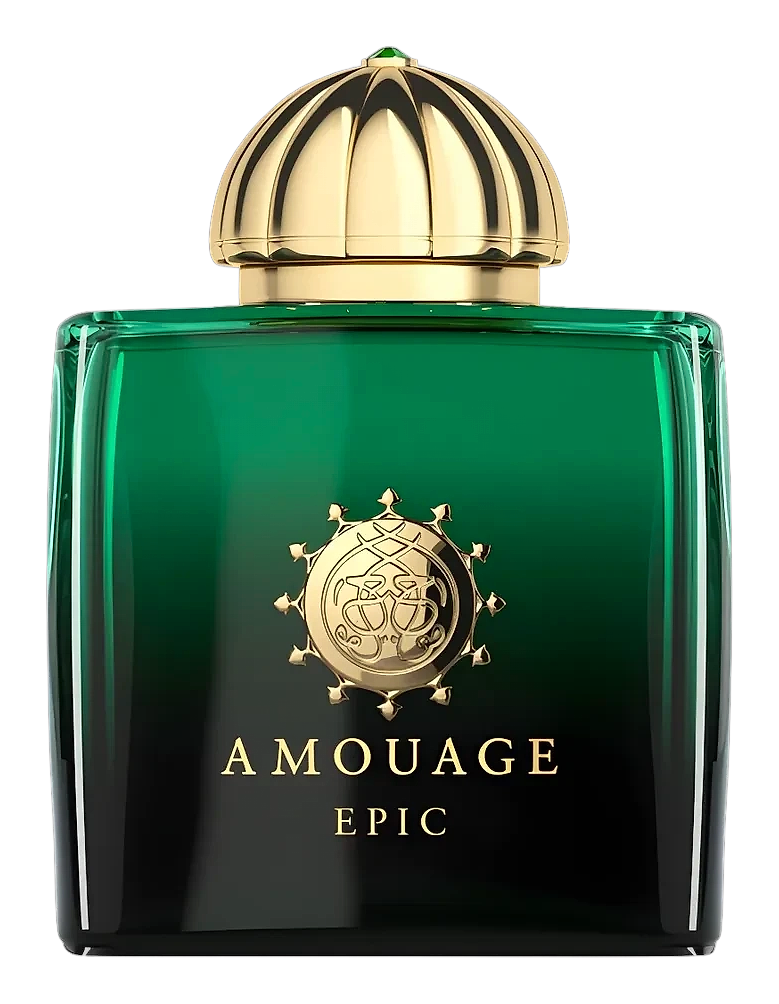
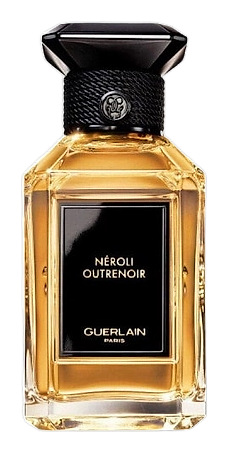
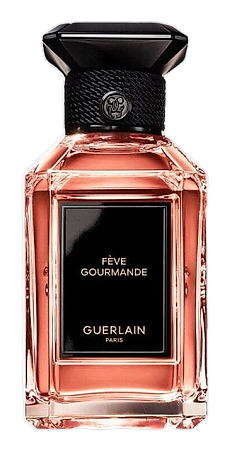
Fragrances featuring Tea


Brands
Brands known for Tea
Good to know
Questions, answered
The essentials on Tea in perfumery: how it smells, where it comes from, and how it behaves on skin.
What does tea smell like in perfume?
Tea in perfumery smells dry, tannic, and slightly bitter, with green varieties offering grassy, vegetal freshness and black varieties giving warm, malty depth. The note evokes steeped leaves more than the brewed beverage itself.
Is tea in perfume natural or synthetic?
Both forms exist. Natural tea absolute is produced by solvent extraction of Camellia sinensis leaves, while synthetic aroma chemicals like theaflavin recreate specific facets when natural material proves unstable or uneconomical.
Where does tea come from?
Tea originates in southwestern China, specifically the Yunnan region, where Camellia sinensis grew wild before cultivation spread across East Asia and eventually to India, Sri Lanka, Kenya, and Japan.
How is tea extracted for perfumery?
Producers typically use solvent extraction on processed leaves to create a concrete, then alcohol washing to yield an absolute. CO2 supercritical extraction preserves more aromatic complexity than steam distillation, which loses heavier molecules.
What is the difference between green and black tea in fragrance?
Green tea produces lighter, grassier, more vegetal notes due to minimal oxidation. Black tea undergoes full fermentation, generating richer, maltier, more tobacco-like aromatic compounds that lend depth to oriental and woody compositions.
When was tea first used in perfumery?
Tea entered Western fine fragrance primarily in the 20th century, with green tea accords becoming especially prominent in late-1990s launches. Earlier references existed in ceremonial incense but not modern perfumery structures.
Which tea variety smells strongest?
Pu-erh and lapsang souchong produce the most intense aromatic profiles. Pu-erh offers earthy, fermented depth from extended microbial processing, while lapsang souchong carries smoky phenolic notes from pine-smoke drying.
Why do perfumers use tea notes?
Perfumers value tea for its atmospheric qualities: it adds a dry, sophisticated calm without overwhelming sweetness. The note bridges fresh green accords and warmer woody bases, offering versatility in both masculine and unisex compositions.