
The Story
Why it exists.
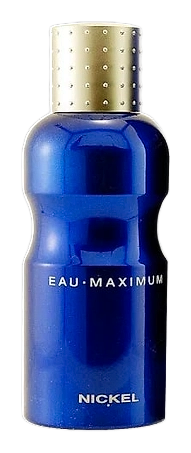
By 2006, niche perfumery had found its footing. Collectors were done waiting for heritage houses to notice them. Nickel, small, UK-based, deliberately off the department store map, had already built a cult following with Enemy in 2003. Eau Maximum arrived that year as the house's statement on what a men's fragrance could be when nobody was looking over the perfumer's shoulder. Jean-Pierre Béthouart built the composition around a note most houses wouldn't touch: coca leaf. The brand framed it as an aphrodisiac, a bold claim dressed in citrus and spice. The brief wasn't safe. It was alive.
If this were a song
Community picks
Cape Cod Kwassa Kwassa
Vampire Weekend
The Beginning
By 2006, niche perfumery had found its footing. Collectors were done waiting for heritage houses to notice them. Nickel, small, UK-based, deliberately off the department store map, had already built a cult following with Enemy in 2003. Eau Maximum arrived that year as the house's statement on what a men's fragrance could be when nobody was looking over the perfumer's shoulder. Jean-Pierre Béthouart built the composition around a note most houses wouldn't touch: coca leaf. The brand framed it as an aphrodisiac, a bold claim dressed in citrus and spice. The brief wasn't safe. It was alive.
What makes Eau Maximum interesting isn't any single note, it's how the structure holds tension between two worlds. The opening is aggressively modern: mint and citrus, the kind of synthetic precision that reads as laboratory-clean. Then the heart arrives and shifts the register entirely, tea, sage, and thyme pull the fragrance into something older and more botanical. The coca leaf is the pivot point. It sits in the middle of the composition like a quiet argument, less about shock and more about depth. Patchouli, white musk, and warm spices finish the arc, but the real story is that hand-off from lab to garden and back again.
The Evolution
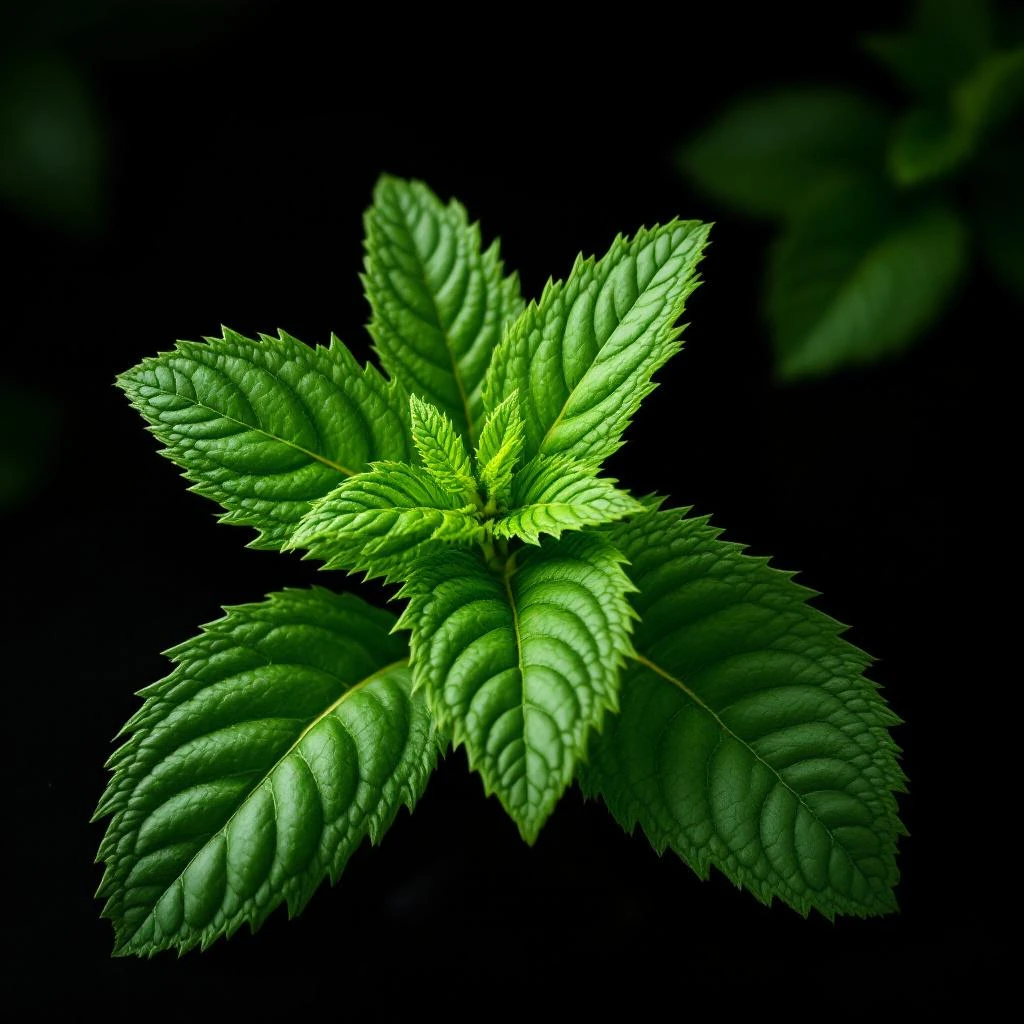
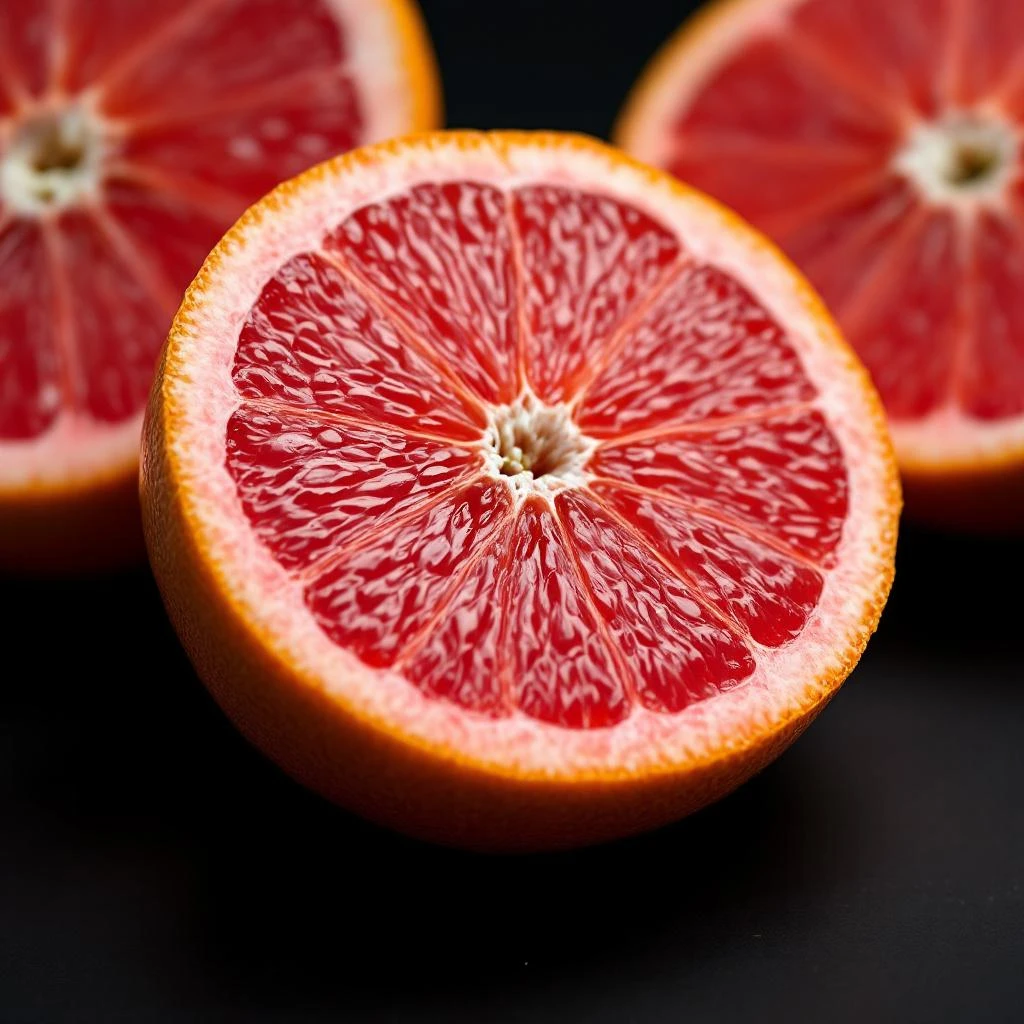
The opening announces itself without apology. Mint and grapefruit cut clean, the orange adding a juice that keeps everything immediate rather than abrasive. You have about fifteen minutes of this before the citrus begins to recede and the herbal heart takes over, not gradually, but as a full tonal shift. Tea and sage form the core of this phase, with thyme and rosemary adding an aromatic density that borders on savory. The coca leaf is present but never announces itself; it deepens the impression rather than dominates it. By the second hour, the sillage has already moderated from the initial burst. The fragrance stays close, intimate in the best sense, while patchouli, white musk, and warm spices do the slow work of settling into skin. The drydown isn't dramatic. It's patient. Six to eight hours on most skin, with the base notes holding longest, giving a quiet herbal-woody close that lingers well past the point where anyone else would notice.
Cultural Impact
Since its 2006 debut, Eau Maximum has become a quiet reference point for indie masculine citrus‑herbal blends. Its mint‑grapefruit opening broke away from the typical bergamot‑heavy launches of the early 2000s, encouraging smaller houses to experiment with fresh green accords. The inclusion of coca leaf sparked conversation about unconventional ingredients, nudging the niche market toward more daring note selections. Over the years, the fragrance has been cited in community forums as a benchmark for balancing bright top notes with a grounding herbal heart, influencing subsequent releases that aim for a similar duality of vigor and depth.
The House
United Kingdom
Nickel positions itself as a small‑scale fragrance house that experiments with unconventional scent structures. Since the early 2000s the brand has released a handful of cult‑favorite bottles, most notably Enemy (2003) and Eau Maximum (2006). Its catalogue reads like a snapshot of underground perfumery in the 2000s, mixing bright ginger accords, metallic undertones and playful naming. Nickel’s limited distribution keeps the creations out of mainstream department stores, allowing collectors to discover scents that feel more like personal statements than market trends.
If this were a song
Community picks
This fragrance sounds like a morning commute in a city that hasn't fully woken up yet. There's an urgency to the opening, sharp, electric, urban, and then a slower, more contemplative pace as the herbal heart unfolds. The drydown settles into something warm and close, like a conversation that started on the street and ended somewhere quieter.
Cape Cod Kwassa Kwassa
Vampire Weekend