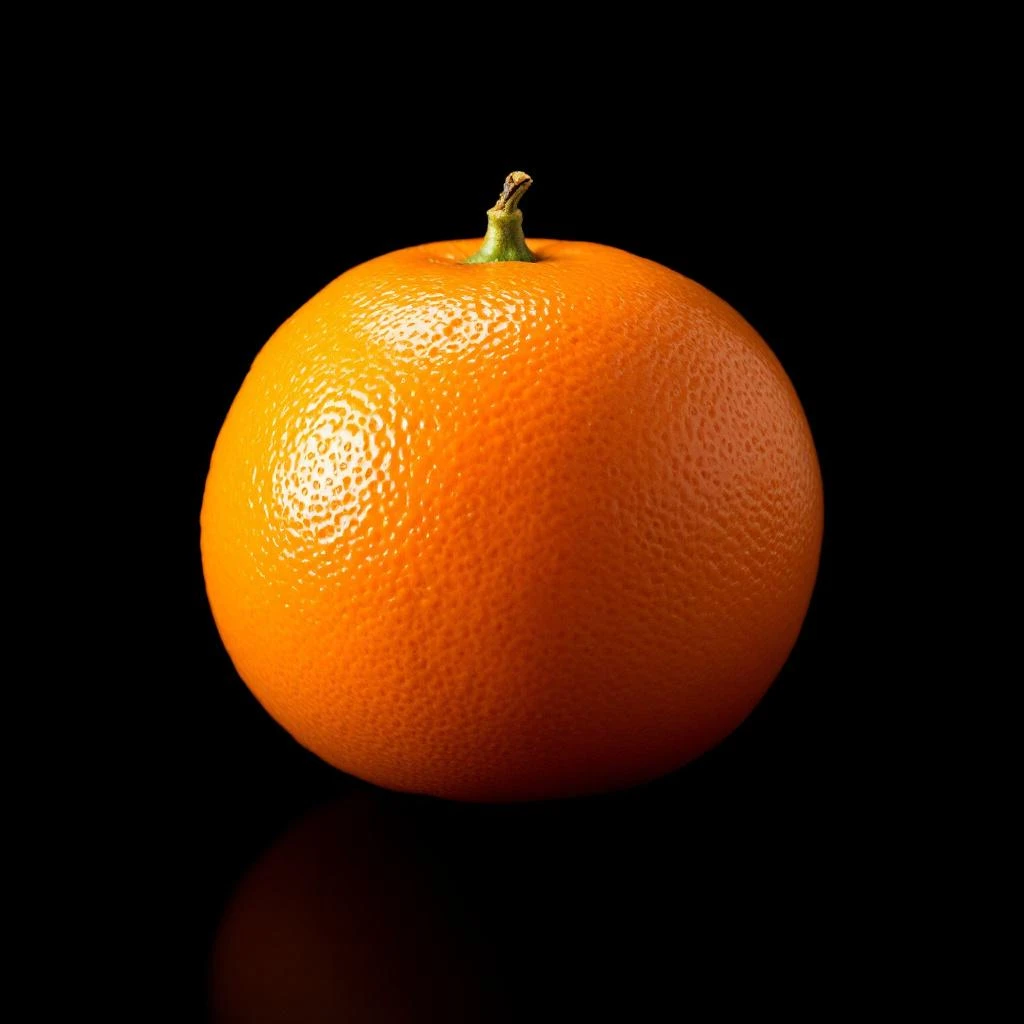
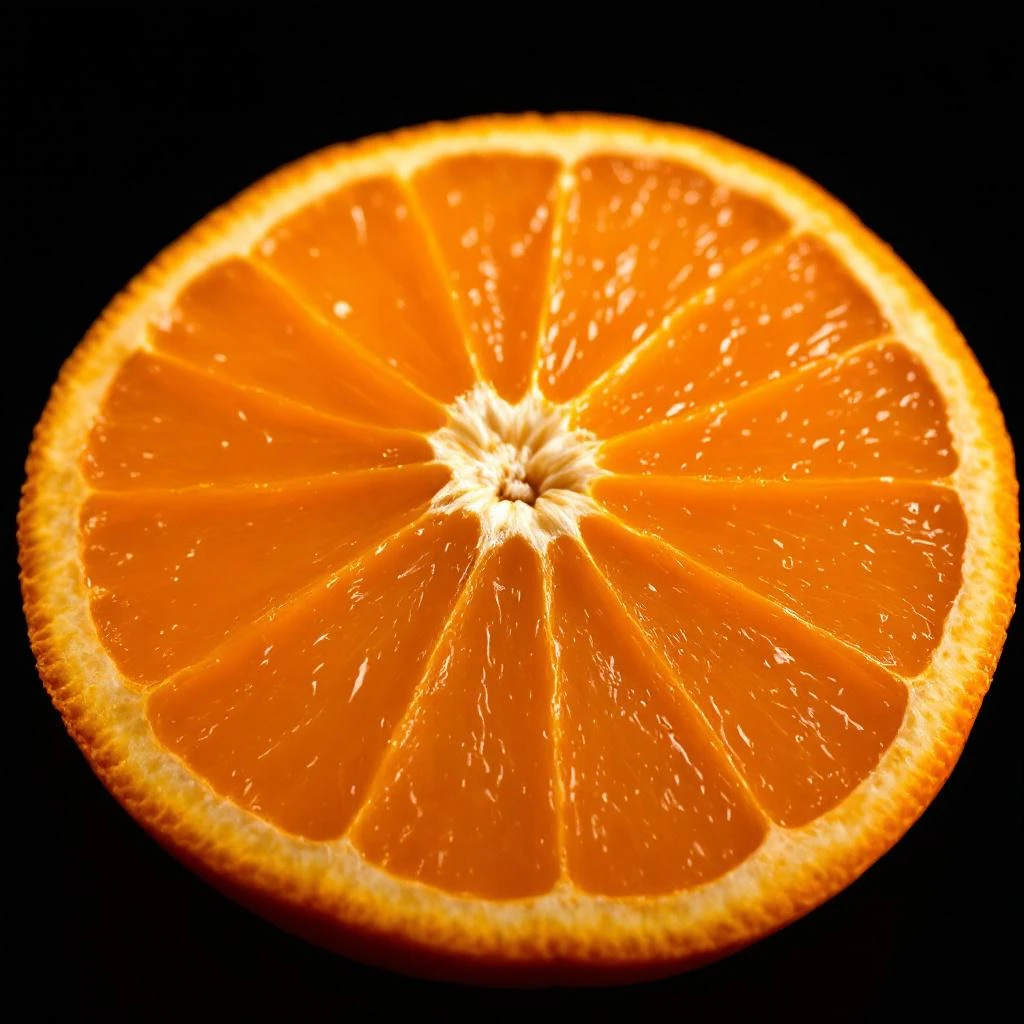
Grapefruit
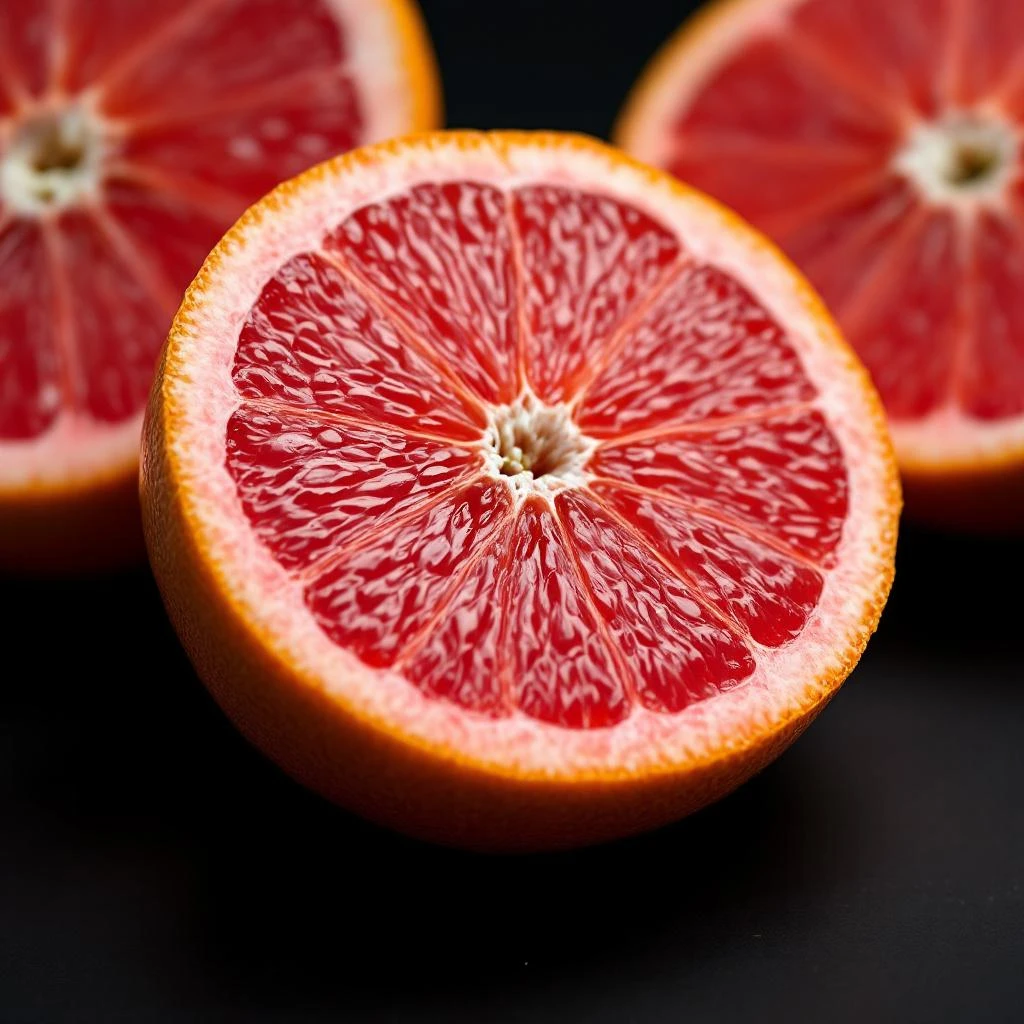
A burst of citrus brightness with a bitter edge, grapefruit lifts compositions with sharp, clean acidity. Its zesty character cuts through heavier bases, lending modern sparkle to colognes and eau de toilettes alike.
Character
How it smells
Sharp zest, modern lift.
Grapefruit is a human-made hybrid, born in 1750 Barbados from a sweet orange and pomelo crossing, first documented by Reverend Griffith Hughes.









Origin
Barbados
Grapefruit ranks among the youngest fruits in commercial cultivation, a hybrid that nature (or a curious botanist) assembled in the Caribbean around 1750. Reverend Griffith Hughes, a Welsh botanist, documented the fruit in Barbados that year, noting its resemblance to a large, slightly bitter orange. The fruit likely arose as a spontaneous cross between sweet orange and pomelo, two species that shared the same tropical habitat.
For over a century, grapefruit remained a regional curiosity. Cultivation spread slowly through the Caribbean and into Florida in the early 1800s, where it found ideal growing conditions. Commercial orchards took root by the late 19th century, though the fruit was still considered exotic in European and North American markets.
The real breakthrough came in 1933, when Florida produced its first industrial batches of grapefruit essential oil. Until then, perfumers working with citrus relied on bergamot, lemon, and orange. Grapefruit offered something different: a sharper, more bitter profile, almost metallic in its brightness, with a modern energy that resonated with 20th-century sensibilities.
By the 1940s and 50s, grapefruit oil had secured its place in masculine colognes and fresh eaux de toilette. Its association with vitality and cleanliness, plus its crisp, athletic character, made it a favorite for sport fragrances. Today it remains a staple of fresh, citrus-forward compositions.
Wears it best
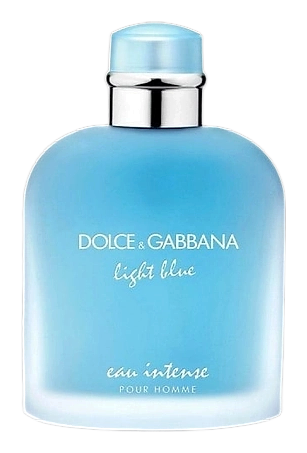
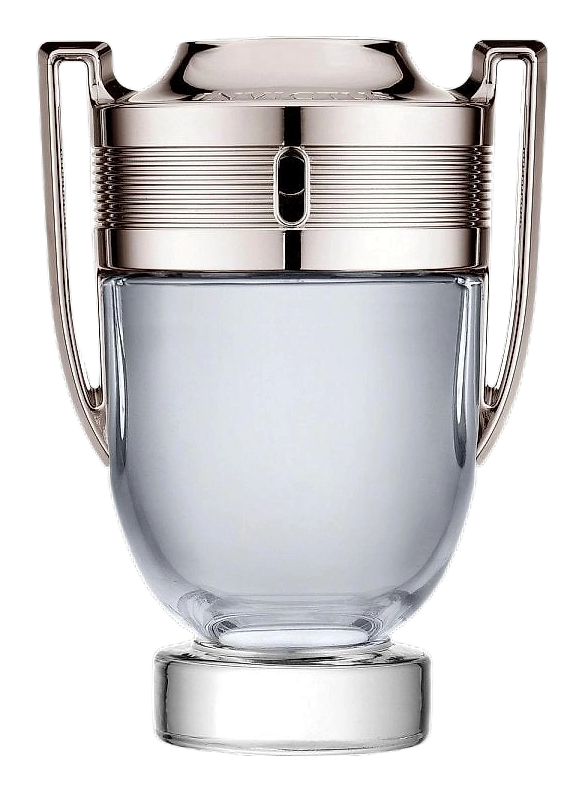
Fragrances featuring Grapefruit
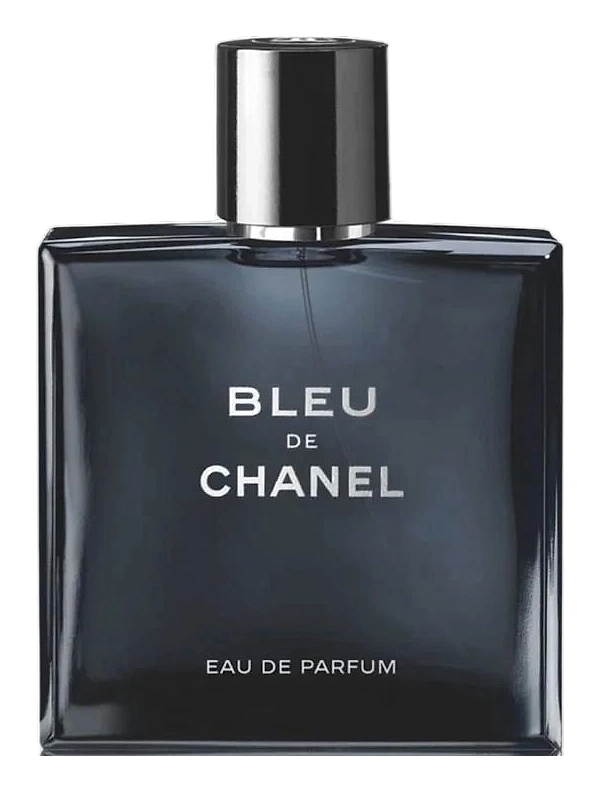


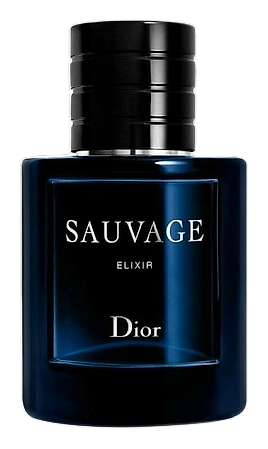
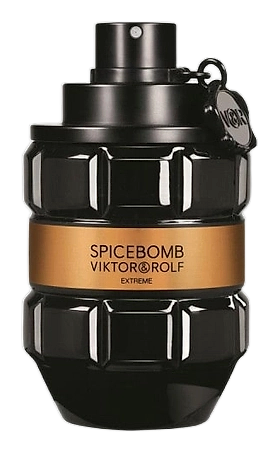
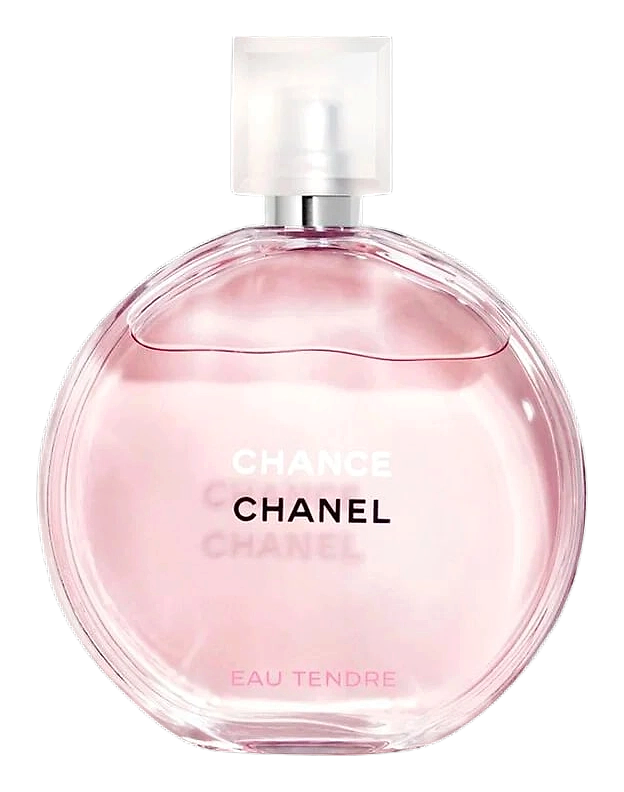
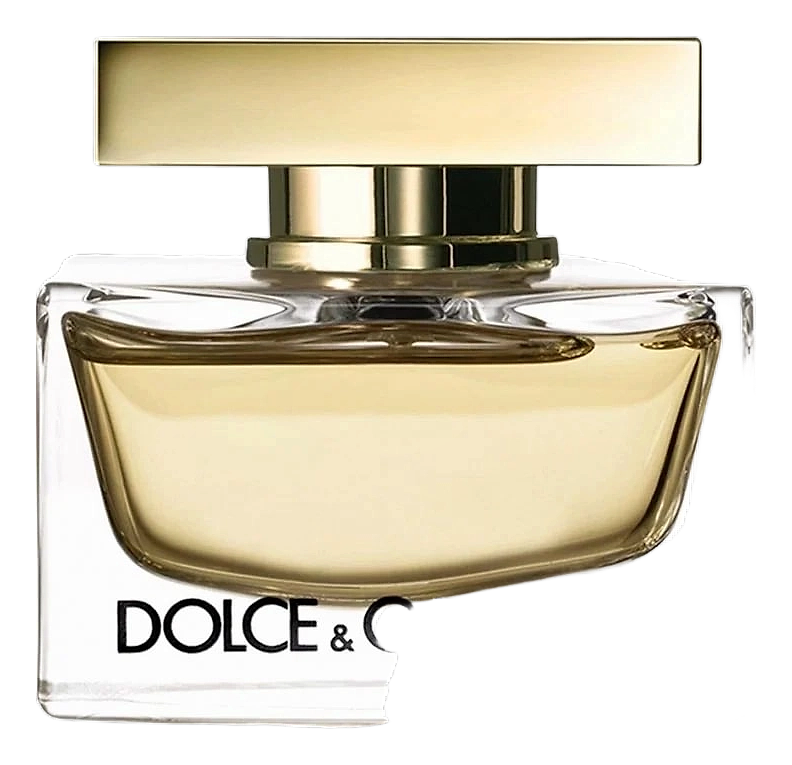
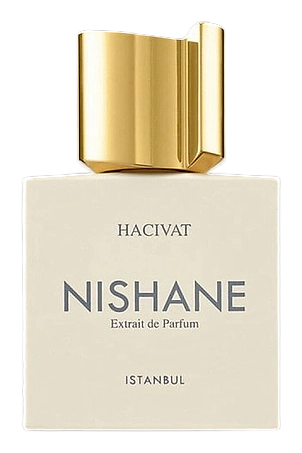
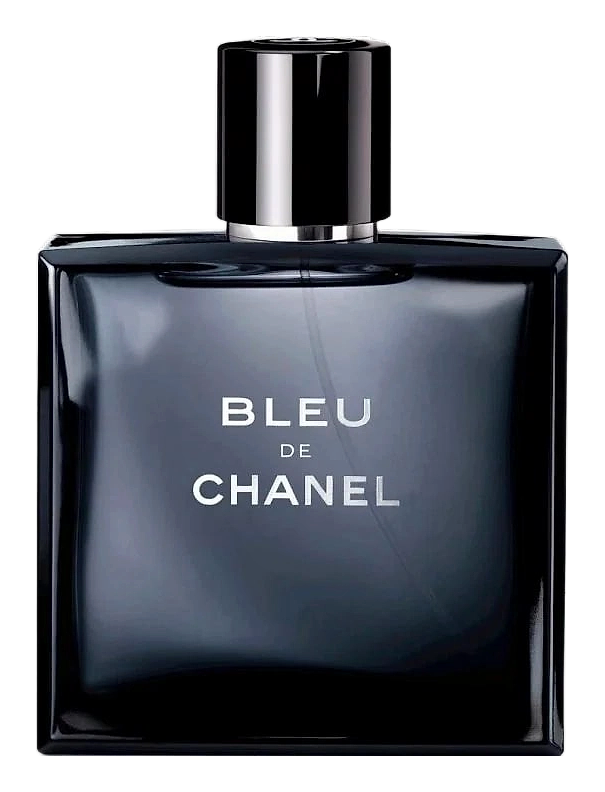

Brands
Brands known for Grapefruit
Good to know
Questions, answered
The essentials on Grapefruit in perfumery: how it smells, where it comes from, and how it behaves on skin.
What does grapefruit smell like in perfume?
Grapefruit delivers sharp citrus brightness with a characteristic bitter edge and slightly metallic, tangy quality. It smells cleaner and more bracing than sweet orange, with a modern, almost mineral crispness that lifts compositions instantly.
Is grapefruit essential oil expensive?
Grapefruit oil sits in the mid-range for citrus materials. Production yields roughly one pound of oil per 75 pounds of peel, but grapefruit is among the more efficient citrus crops to process, keeping costs moderate.
Is grapefruit a man-made fruit?
Yes. Grapefruit (Citrus × paradisi) is a natural hybrid that originated in Barbados around 1750, a cross between sweet orange and pomelo, first documented by Reverend Griffith Hughes.
How is grapefruit oil extracted?
Most grapefruit oil comes from cold-pressing the peel, mechanically rupturing the oil sacs without heat. This preserves the volatile aldehydes, particularly nootkatone, that give grapefruit its signature sharp, bitter brightness.
When was grapefruit first used in perfume?
Grapefruit entered perfumery seriously in the 1930s, after Florida began industrial oil production in 1933. It became a defining note in mid-century masculine colognes by the 1940s and 50s.
What fragrance families use grapefruit?
Grapefruit anchors citrus and fresh fragrance families, appearing heavily in aromatic, aquatic, and sport compositions. It also brightens fougère and chypre structures where sharp top notes are needed.
Does grapefruit oil contain nootkatone?
Yes. Nootkatone, the same compound found in cedar and some herbs, is one of grapefruit's signature aroma molecules. It contributes the characteristic bitter, slightly woody undertone beneath the bright citrus top.
Where is grapefruit essential oil produced today?
The United States, particularly Florida and Texas, leads global grapefruit oil production. Other significant producers include Argentina, South Africa, and Israel, where similar climates support large-scale cultivation.