Orange
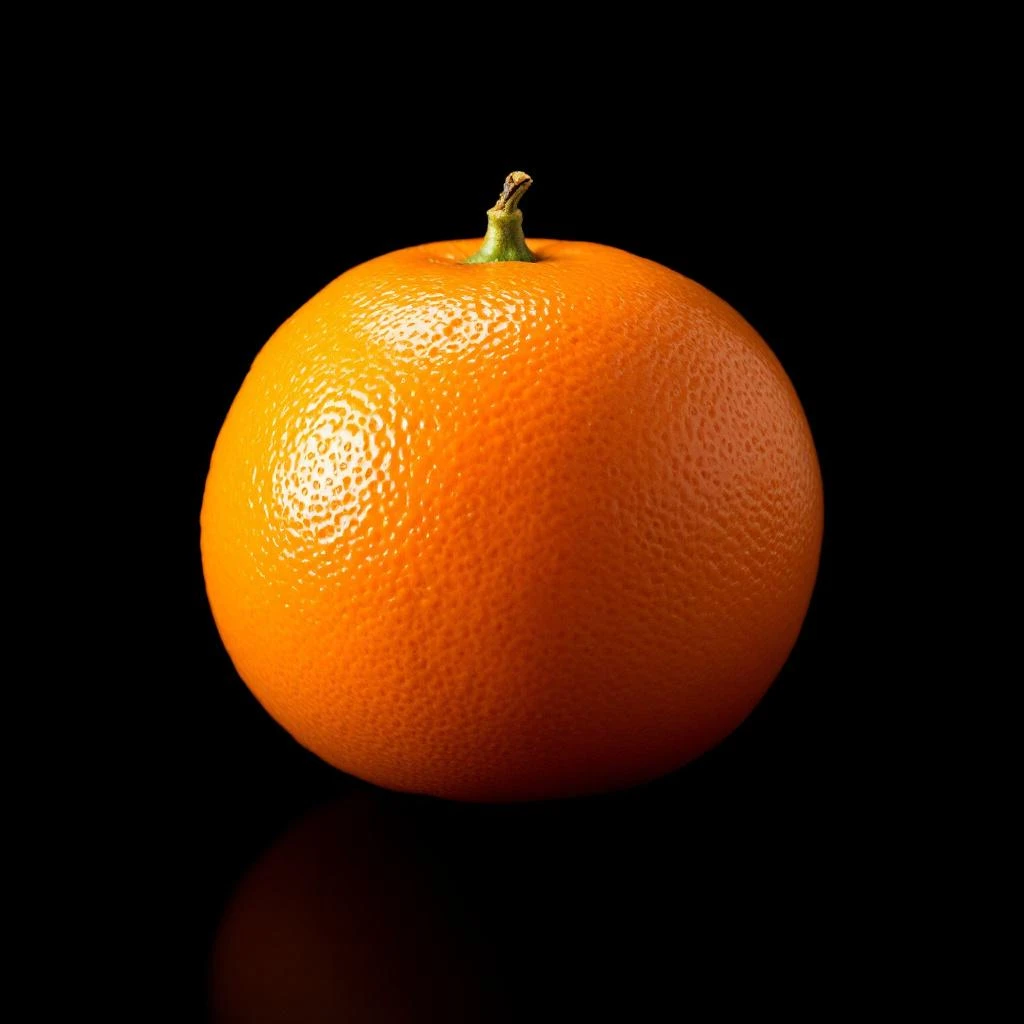
Orange delivers a bright, juicy sweetness that anchors colognes, eau de toilettes, and fresh fragrances. Sourced primarily from Citrus sinensis peel, this top note lifts compositions and adds immediate, recognizable sparkle.
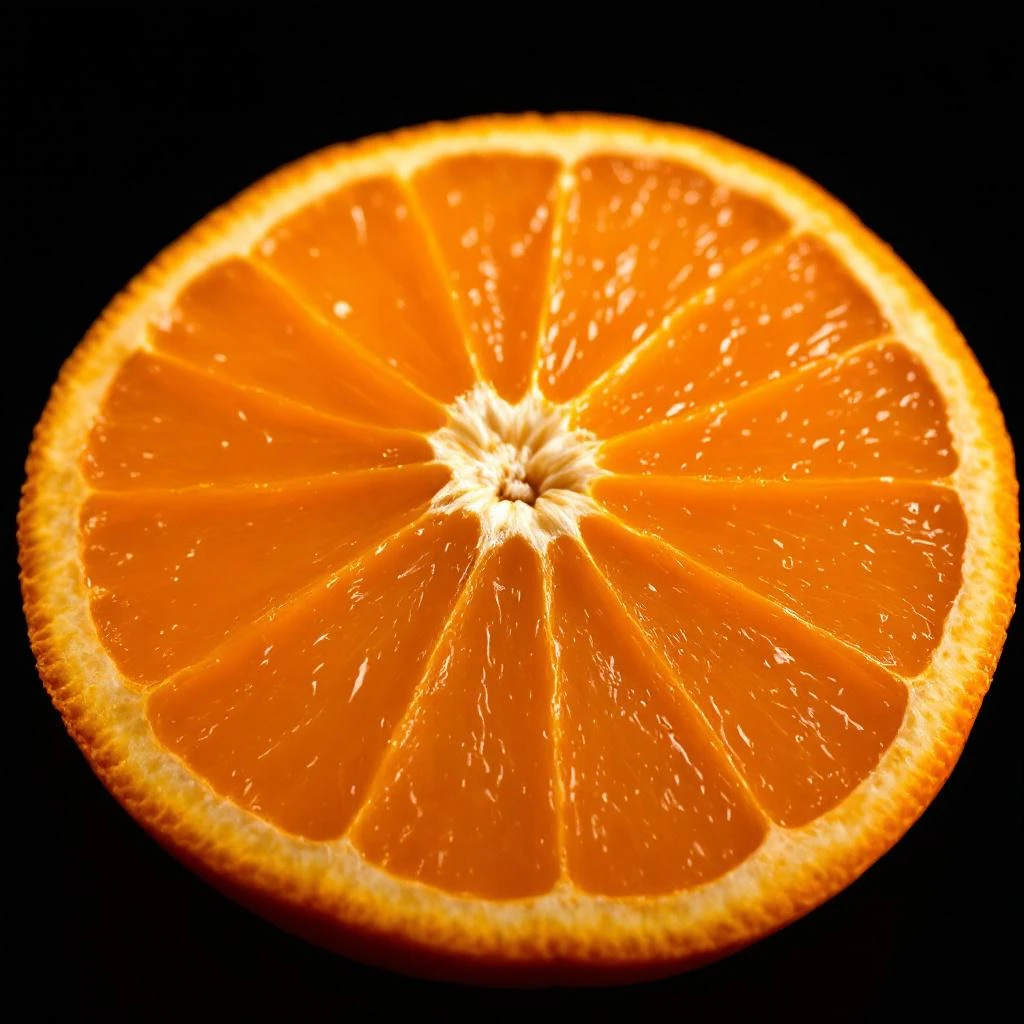
Character
How it smells
Sunlit zest in every spritz
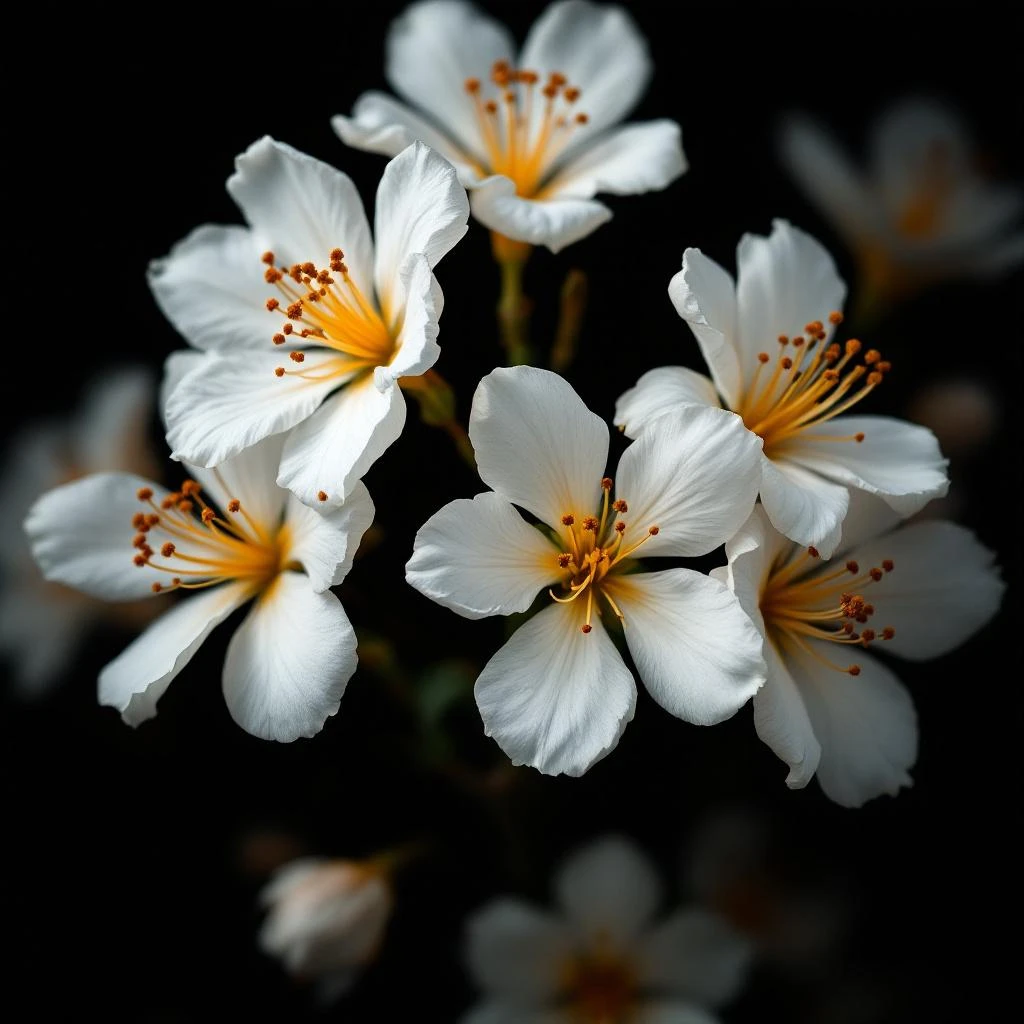
A single bitter orange tree yields four distinct perfume ingredients: neroli from its blossoms, petitgrain from its leaves, and two oils from its fruit.









Origin
Mediterranean (bitter orange) / Brazil (sweet orange)
Orange peel oil traces back to Renaissance Italy, where Catherine de' Medici carried the scent of bitter orange water into French court life in the 1500s. By the seventeenth century, neroli oil from bitter orange blossoms was already prized across Europe, and eau de cologne, formulated around 1709 in Cologne by Johann Maria Farina, featured orange blossom and neroli among its core ingredients. The 1956 frost that destroyed most of the citrus groves in Grasse permanently relocated neroli production to North Africa, particularly Tunisia and Morocco, which remain dominant today.
Sweet orange oil, by contrast, grew alongside the global juice industry in the twentieth century, becoming one of the most produced essential oils worldwide. Modern perfumery uses orange oil across nearly every fragrance family, from sparkling colognes and aquatic scents to rich orientals, where it brightens heavy base notes like vanilla and amber.
Wears it best
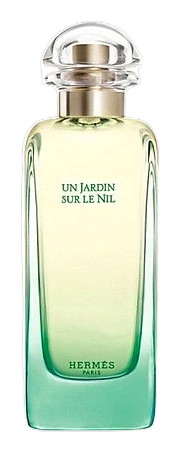
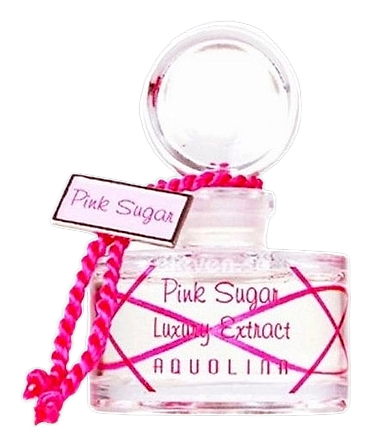
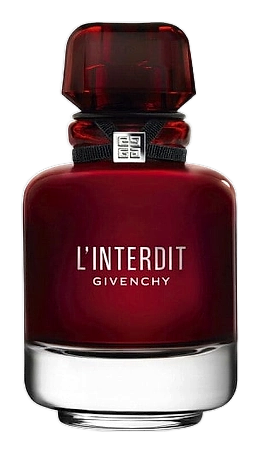
Fragrances featuring Orange
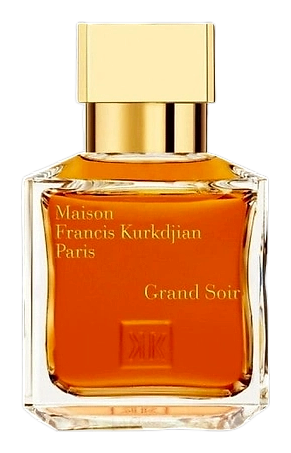

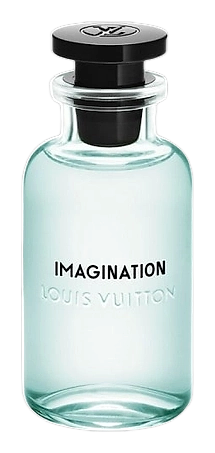

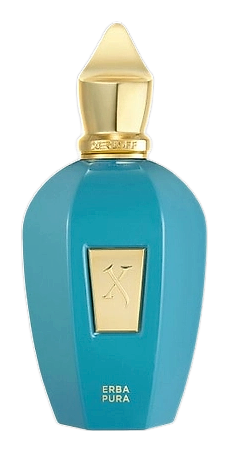
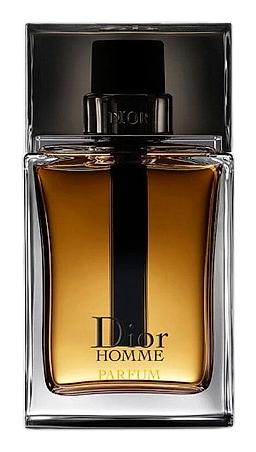
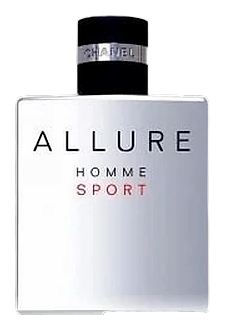
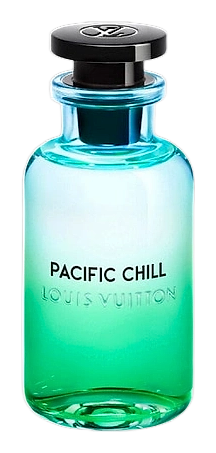
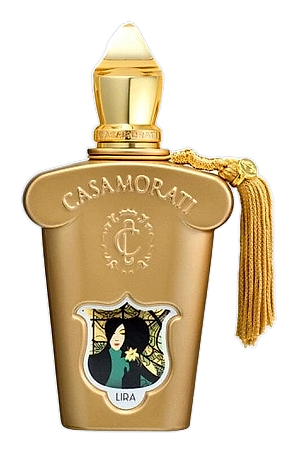
Brands
Brands known for Orange
Good to know
Questions, answered
The essentials on Orange in perfumery: how it smells, where it comes from, and how it behaves on skin.
What does orange smell like in perfume?
Orange gives a bright, sweet, and tangy top note with juicy zest character. It opens a fragrance with instant freshness and lifts heavier base notes, lending an energetic, sunlit quality to both light colognes and warmer compositions.
What is the difference between neroli and orange oil?
They come from different parts of the same tree family. Neroli is steam-distilled from bitter orange blossoms, giving a floral, green aroma. Orange oil is cold-pressed from the peel, delivering a purely citrus, sweet-tart scent.
Is orange oil natural or synthetic?
Both exist. Natural orange oil is cold-pressed from fruit peel, containing about 95 percent limonene. Synthetic versions replicate key aroma molecules for cost-sensitive applications, though most fine fragrances still prefer natural expression.
Which fragrance families use orange notes?
Orange appears across nearly every family: bright in colognes and eau fraiches, sparkling in florals, and juicy in orientals, where it adds lift against vanilla, tonka, and amber bases.
Where is orange oil produced today?
Brazil and the United States dominate sweet orange production. Bitter orange and neroli come mainly from Tunisia, Morocco, and Egypt, following the 1956 frost that shifted cultivation away from Grasse, France.
How long does orange oil last in a fragrance?
Orange is a classic top note, lasting roughly 15 to 30 minutes on skin. Its high limonene content evaporates quickly, which is why perfumers pair it with deeper base notes for lasting structure.
Can orange oil cause skin sensitivity?
Yes, expressed orange oil is phototoxic due to furocoumarins and can cause irritation on sun-exposed skin. Most perfumers use carefully rectified grades or limit concentration below 5 percent.
What ingredients pair well with orange?
Orange blends beautifully with neroli and petitgrain for a layered citrus accord. It also pairs with vanilla and tonka for warmth, with vetiver and cedar for earthy freshness, and with jasmine for a sparkling floral contrast.