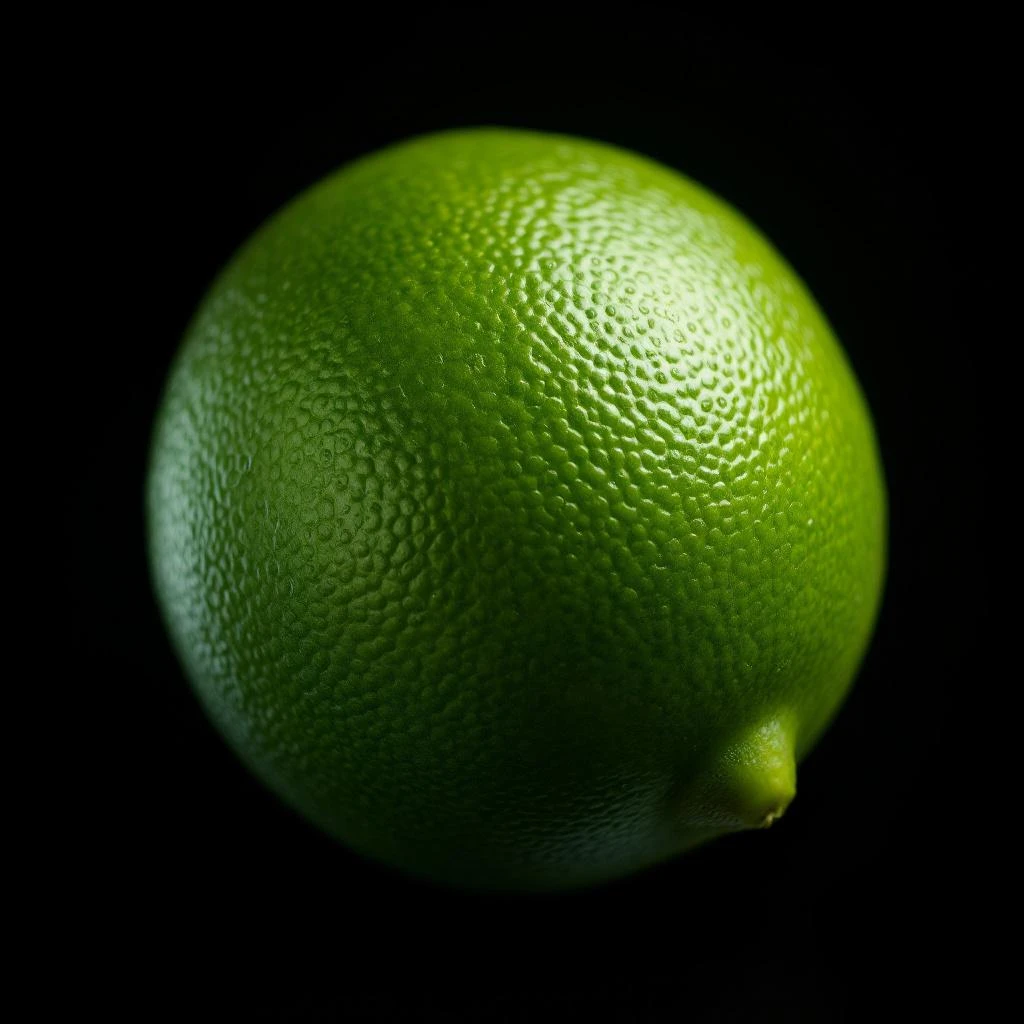
Neroli
Neroli captures the fleeting aroma of bitter orange blossoms at peak bloom. Its luminous, green-floral character defines classic eau de cologne and anchors bright, sophisticated compositions with an unmistakable Mediterranean warmth.
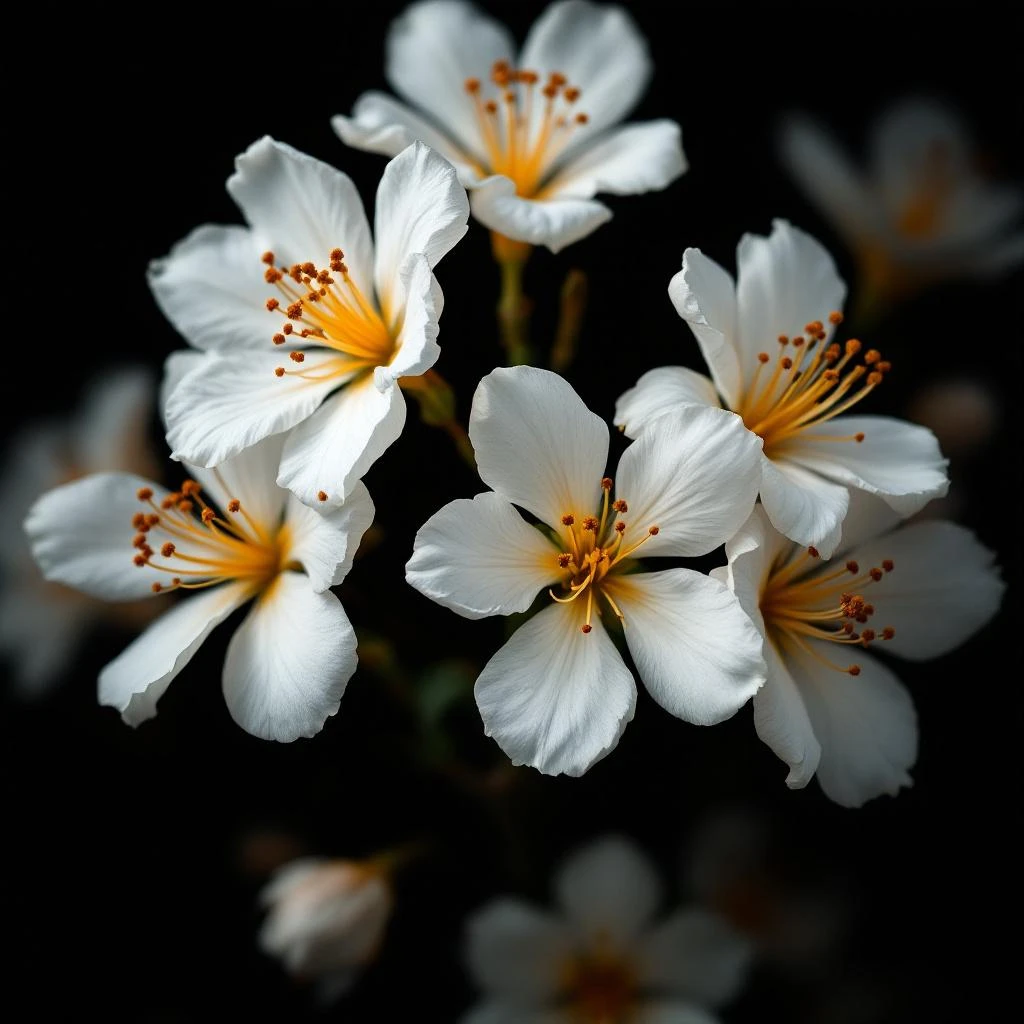
Character
How it smells
Sunlit orange blossoms, caught in glass.
Roughly 1,000 pounds of bitter orange blossoms yield just one pound of neroli essential oil, making it one of the priciest citrus distillates.









Origin
Tunisia
The bitter orange tree arrived in Europe through Arab traders and agricultural expansion, reaching Sicily and southern Spain by the 10th and 11th centuries. Its blossoms featured in ceremonial and medicinal preparations long before anyone called them neroli. Ancient Egyptian texts mention orange flower preparations used in ritual, cosmetics, and embalming, suggesting an early appreciation for the flower's aromatic potency. The modern name traces to 17th-century Italy.
Anne Marie Orsini, Princess of Nerola, reportedly scented her gloves and bath water with bitter orange essence, popularizing the practice among European nobility. The small town of Nerola, northeast of Rome, gave both the princess and the oil their shared name. Neroli's most famous historical role began in the early 1700s, when Italian perfumer Johann Maria Farina blended it into a citrus-forward composition he called Eau de Cologne. Farina's formula, built around neroli, bergamot, lemon, and lavender, defined a category of fresh, light fragrance that spread across Europe.
Napoleon reportedly ordered dozens of bottles at a time, cementing cologne's status as a daily essential rather than a luxury. By the 19th century, neroli appeared in fine French perfumery alongside rose and jasmine, prized for its ability to lift heavier compositions with radiant transparency. The ingredient remains a cornerstone of classical perfumery, connecting modern fragrances to nearly four centuries of European aromatic tradition.
Wears it best
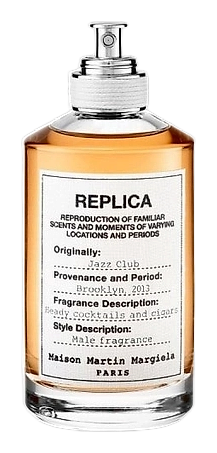
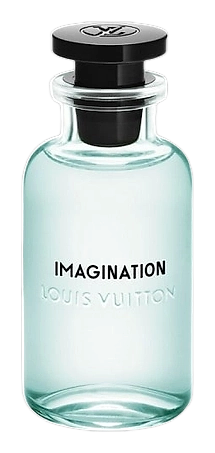
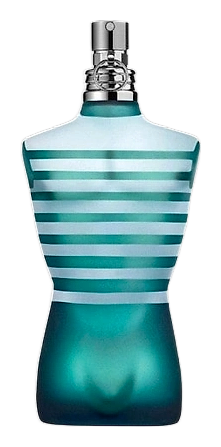
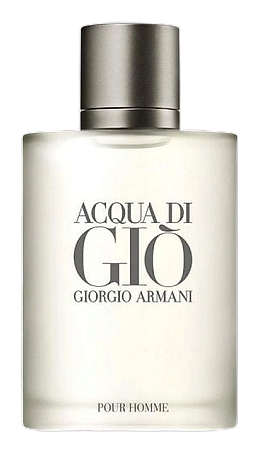
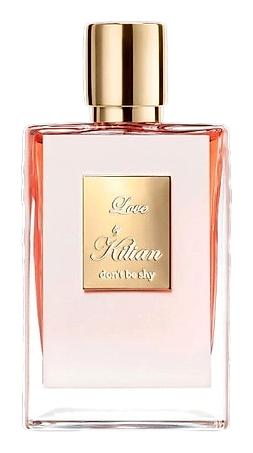
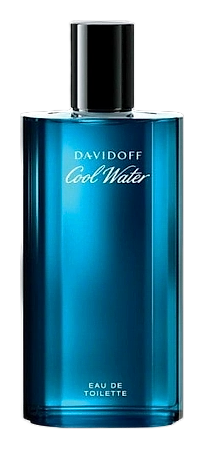
Fragrances featuring Neroli
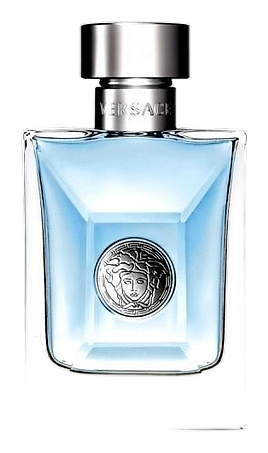
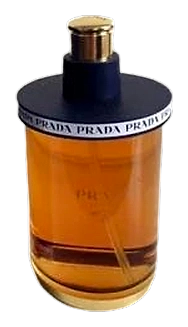
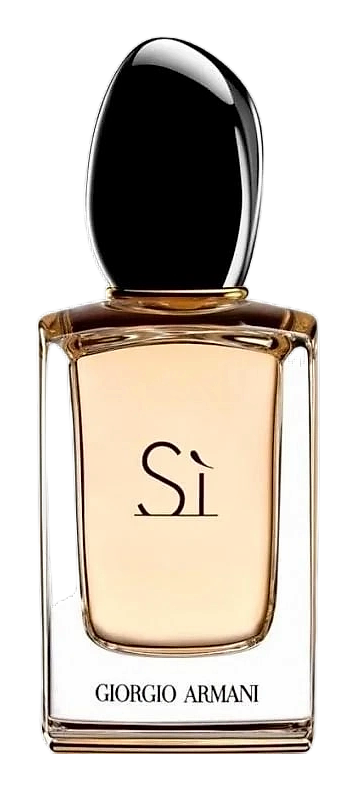
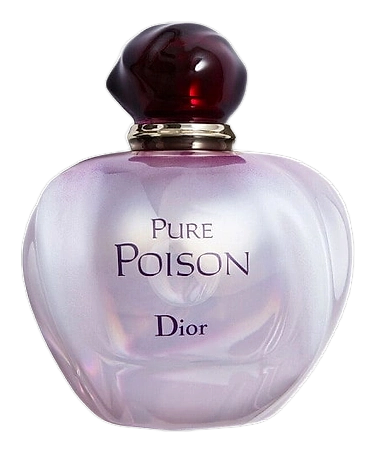
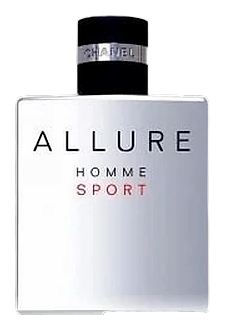
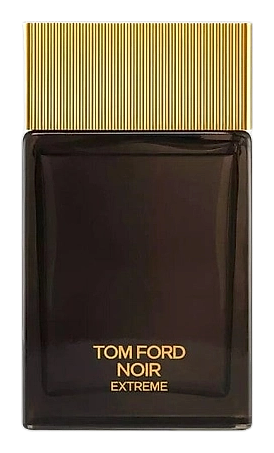
Brands
Brands known for Neroli
Good to know
Questions, answered
The essentials on Neroli in perfumery: how it smells, where it comes from, and how it behaves on skin.
What does neroli smell like?
Neroli carries a bright, green-floral aroma with honeyed sweetness and a slightly bitter, metallic edge. It smells like fresh bitter orange blossoms: luminous, clean, and lightly indolic, distinct from the waxier orange blossom absolute.
Where does neroli oil come from?
Morocco and Tunisia supply over 90% of global neroli oil. Smaller quantities come from Egypt, Italy, and Spain, where bitter orange trees have grown since their introduction by Arab traders in the medieval period.
How is neroli different from orange blossom?
Both come from the bitter orange tree, but neroli is steam-distilled while orange blossom absolute uses solvent extraction. Neroli smells lighter and greener; orange blossom absolute is richer, sweeter, and more indolic.
Is neroli an expensive ingredient?
Yes, neroli ranks among the costliest citrus oils. Approximately 1,000 pounds of hand-picked blossoms yield one pound of distilled oil, a labor-intensive ratio that drives its premium price in perfumery.
Why is it called neroli?
The name comes from Nerola, a town near Rome, and Anne Marie Orsini, a 17th-century Italian princess who used bitter orange essence to scent her gloves and bath. Her fashionable habit popularized the ingredient across European courts.
What fragrances contain neroli?
Neroli anchors classic eau de cologne formulations and appears in numerous heritage and contemporary perfumes. It features prominently in compositions from houses like Guerlain, Tom Ford Neroli Portofino, and Penhaligon's.
When are neroli flowers harvested?
Harvest occurs between late March and early May, typically before sunrise when cool air protects the volatile oils. Pickers select fully open white blossoms at peak fragrance intensity.
Can neroli be synthetically produced?
Yes, synthetic neroli exists, using isolated compounds like linalool and linalyl acetate. However, synthetic versions lack the complex trace molecules that give natural neroli its characteristic depth and natural radiance.