Lime
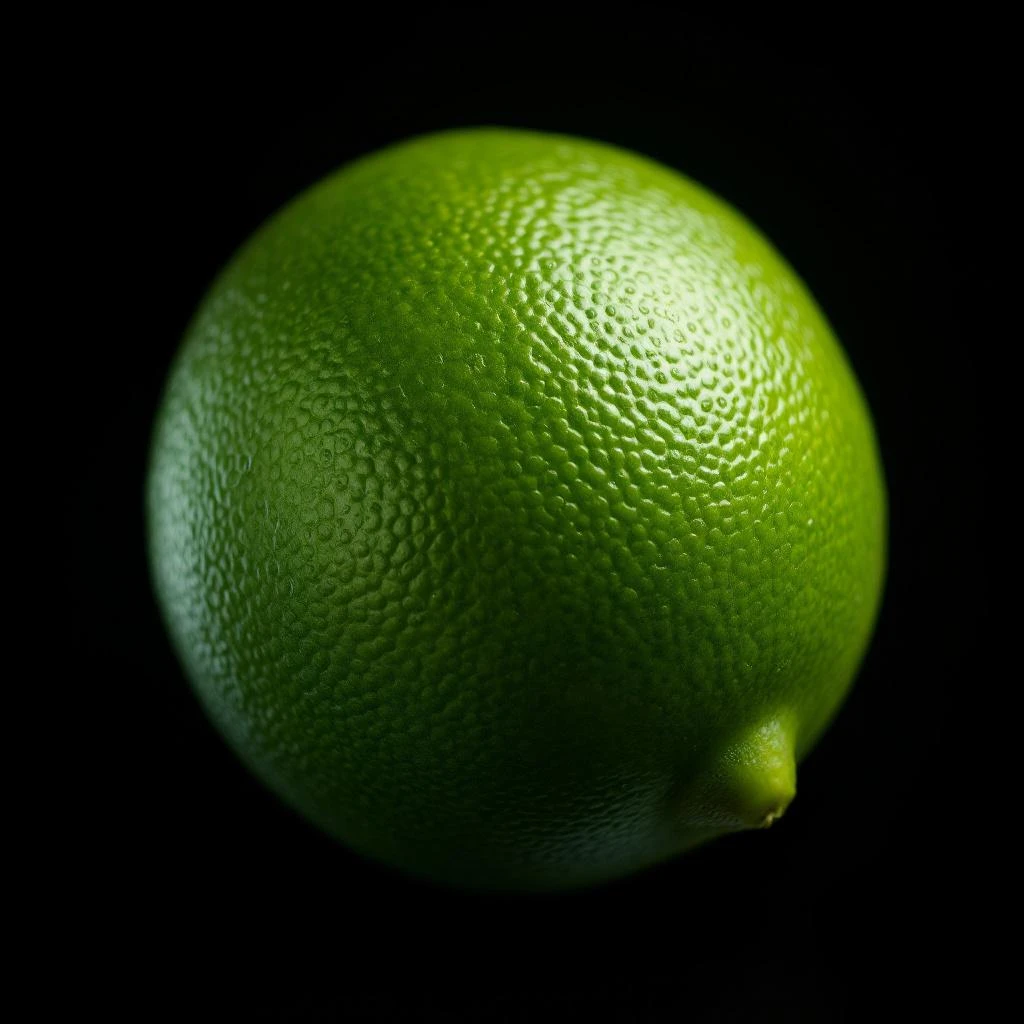
Lime oil delivers a sharp, green-bright spark that cuts through compositions like sunlight through leaves. Cold-pressed from the peel, it carries a tart immediacy that no other citrus quite replicates, making it a perfumer's favorite for opening accords.
Character
How it smells
Sharp green citrus with electric freshness
Lime trees likely originated in the East Indian archipelago, not the Americas, yet Mexico now produces the majority of the world's perfume-grade lime oil.









Origin
Mexico
Citrus oils entered perfumery through two distinct historical channels. The first runs through Arab distillation technology developed in the 12th century, which gave perfumers the ability to capture plant essences in concentrated liquid form for the first time. Before that breakthrough, scent came from pressed oils, unguents, and resins used by ancient Egyptians and Greeks.
The second channel opened when Spanish colonizers carried Citrus aurantiifolia seeds from Southeast Asia to the Caribbean in the 1500s. The trees flourished in Mexico's Veracruz region and Haiti's tropical lowlands, establishing the agricultural foundations of today's lime oil supply. Mexico, Peru, Haiti, and Brazil now dominate global production, with Persian or Tahiti limes (Citrus latifolia) also cultivated extensively.
The modern perfume industry, formalized in Paris between 1889 and 1921 through synthetic chemistry, relied heavily on natural lime oil until economical synthetic alternatives like limetone and citral emerged. Natural lime remains prized for its complexity.
Wears it best
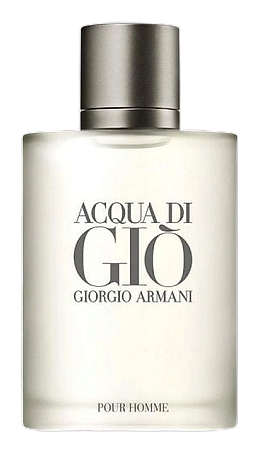
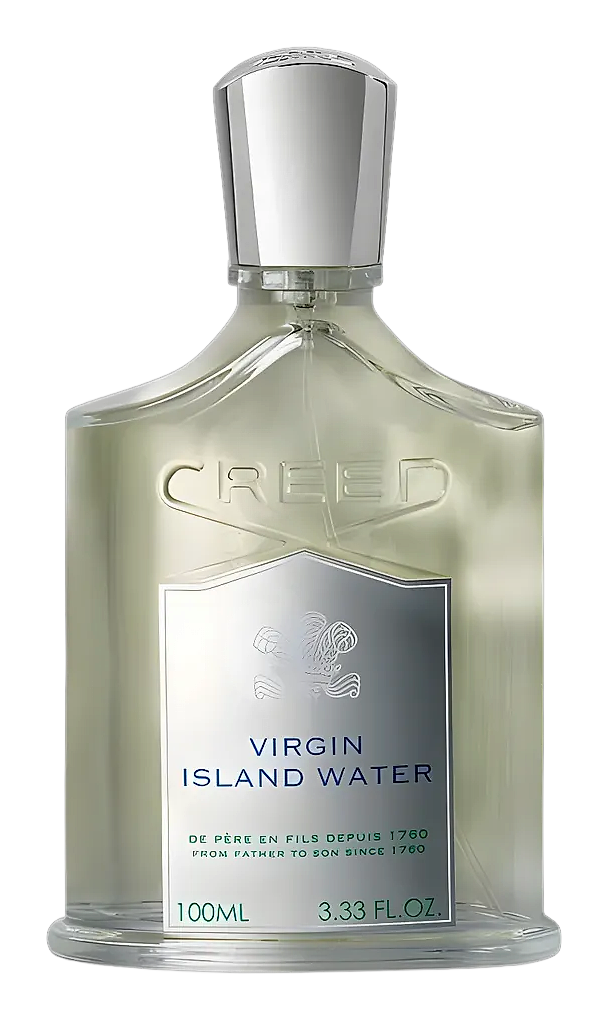
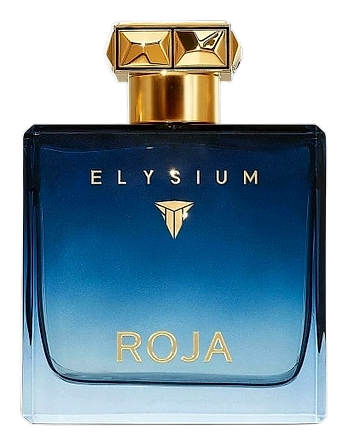
Fragrances featuring Lime
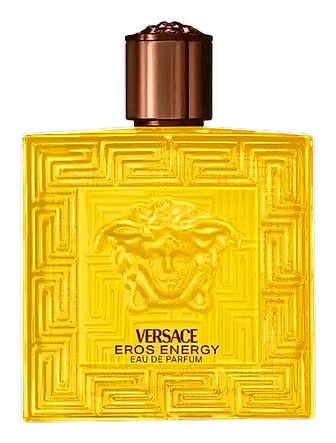
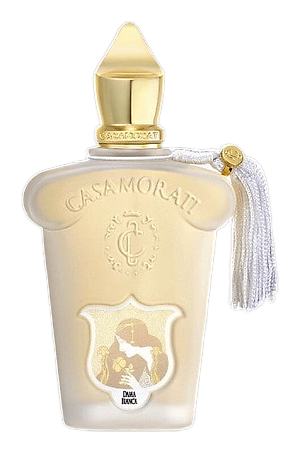
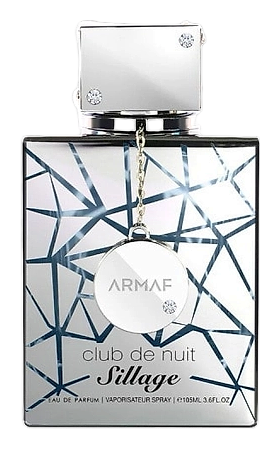
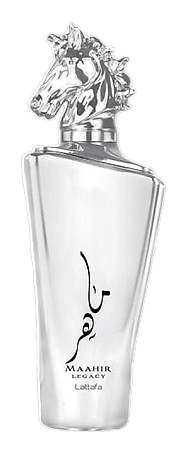
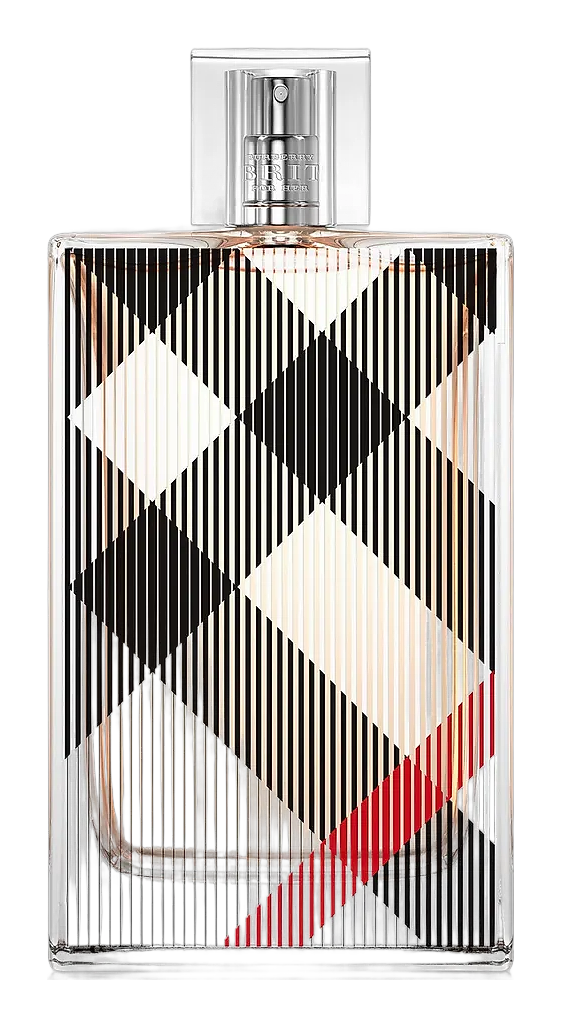
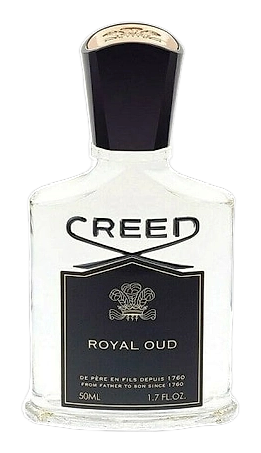
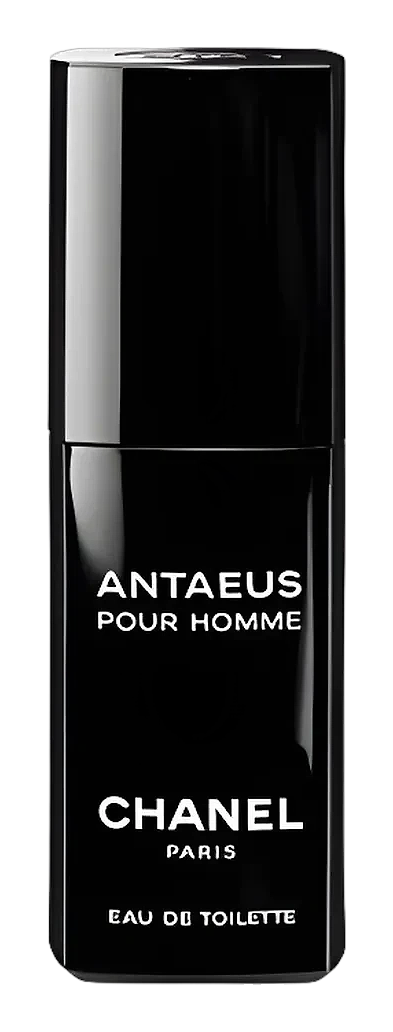
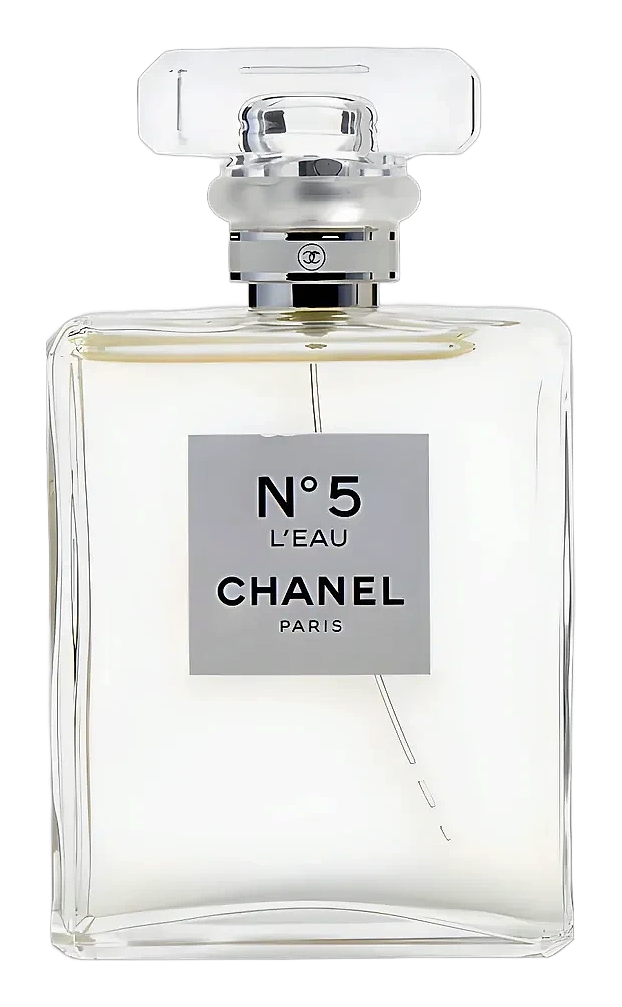
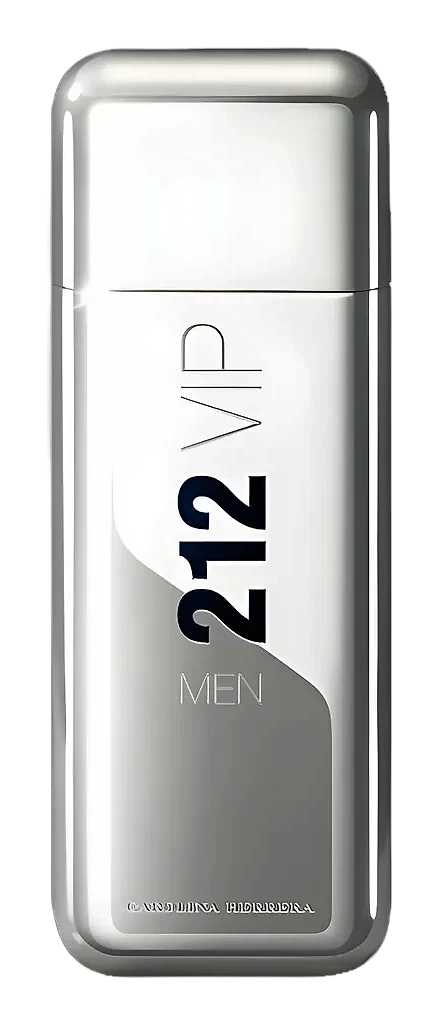
Brands
Brands known for Lime
Good to know
Questions, answered
The essentials on Lime in perfumery: how it smells, where it comes from, and how it behaves on skin.
What does lime smell like in perfume?
Lime oil produces a sharp, green, tart citrus note with a slightly bitter edge, brighter and more piercing than lemon. Cold-pressed versions retain a fresh, juicy quality, while distilled lime oil offers a cleaner, more restrained character with longer-lasting stability.
Is lime oil natural or synthetic in modern perfumery?
Both exist. Natural lime oil comes from cold-pressing or distilling fruit peel, primarily in Mexico. Synthetic alternatives like limetone replicate the scent at lower cost and greater stability. Many fine fragrances blend both to balance authenticity with performance.
Where does perfume-grade lime oil come from?
Mexico leads global production, particularly the Veracruz region, followed by Peru, Haiti, and Brazil. Hand-harvested fruits are processed within hours of picking to prevent oil degradation and preserve the bright, zesty aromatic profile perfumers require.
What is the difference between cold-pressed and distilled lime oil?
Cold-pressed lime oil smells vivid and authentic but contains compounds that oxidize quickly and can irritate skin. Steam-distilled lime oil removes most furocoumarins and unstable terpenes, producing a cleaner aroma with superior longevity and gentler skin behavior.
Why is lime used as a top note in cologne?
Lime's volatile molecules evaporate within minutes to an hour, creating the initial impression that defines a fragrance's opening. Its sharp, green character also brightens heavier base notes like vetiver and patchouli, adding lift and freshness to masculine compositions.
Where did lime trees originally come from?
Lime trees (Citrus aurantiifolia) likely originated in the East Indian archipelago of Southeast Asia, not the Americas. Spanish and Portuguese traders carried seeds westward in the 1500s, where the trees established commercial cultivation across Mexico and the Caribbean.
Does lime oil go bad?
Yes, lime oil oxidizes faster than most citrus oils due to high limonene content. Properly stored in dark, airtight containers at cool temperatures, cold-pressed lime oil retains quality for roughly 12 to 18 months before turning resinous and turpentine-like.
Can lime cause skin sensitivity in perfume?
Cold-pressed lime oil contains furocoumarins, including bergapten, which are phototoxic and can cause skin reactions when exposed to UV light. Steam-distilled lime oil removes most of these compounds, making it safer for leave-on skin applications and sun-exposed wear.