Petitgrain
The fresh, green soul of the bitter orange tree. Petitgrain captures the bitter-sweet essence of orange leaves and twigs, lending fragrances a crisp, Mediterranean brightness that energizes and grounds.
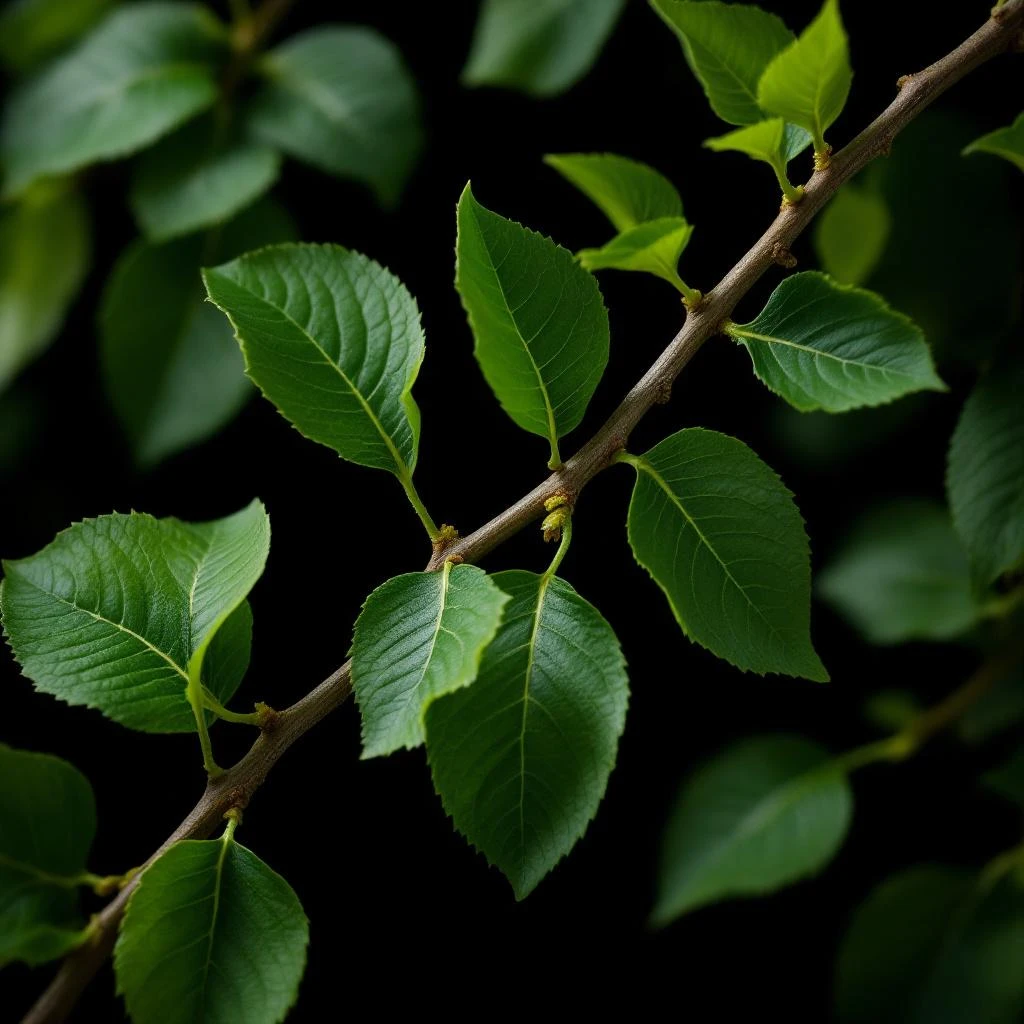
Character
How it smells
Green, bitter, and bracingly alive.
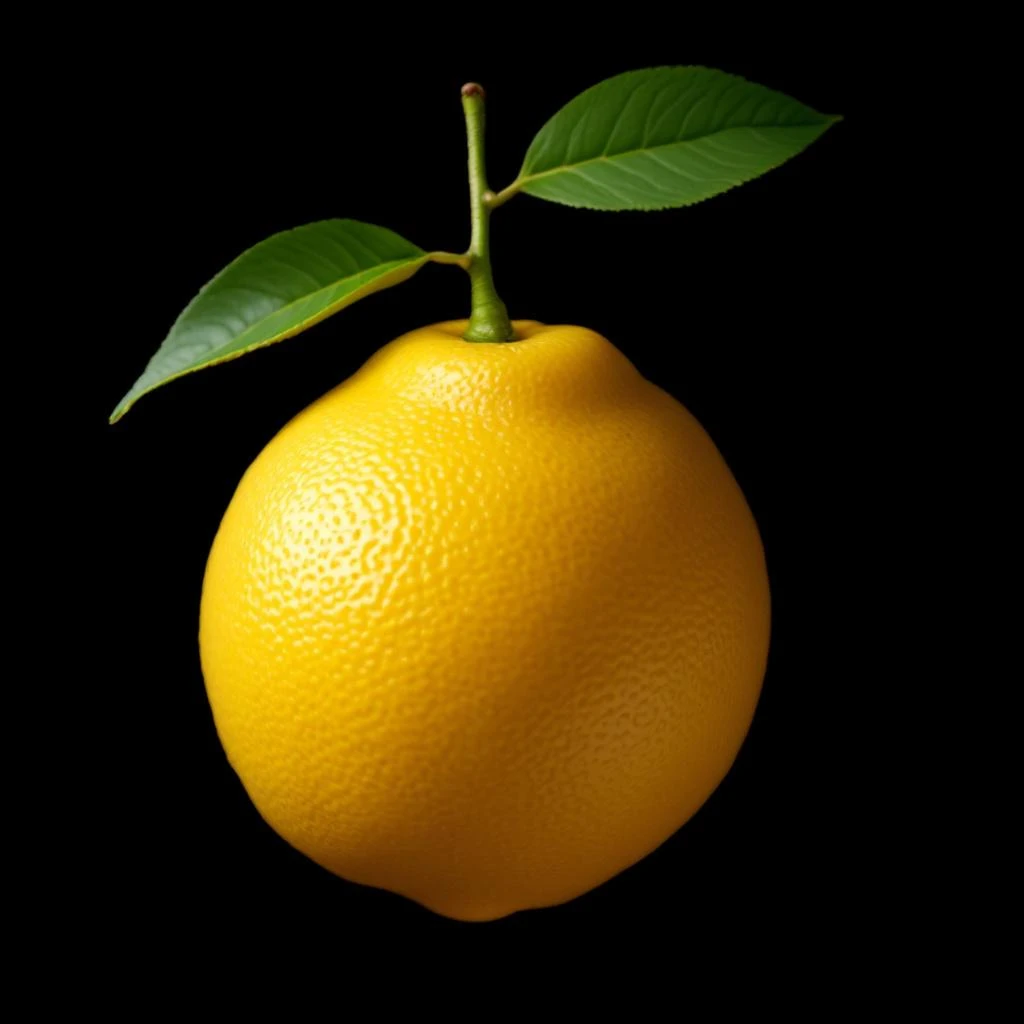
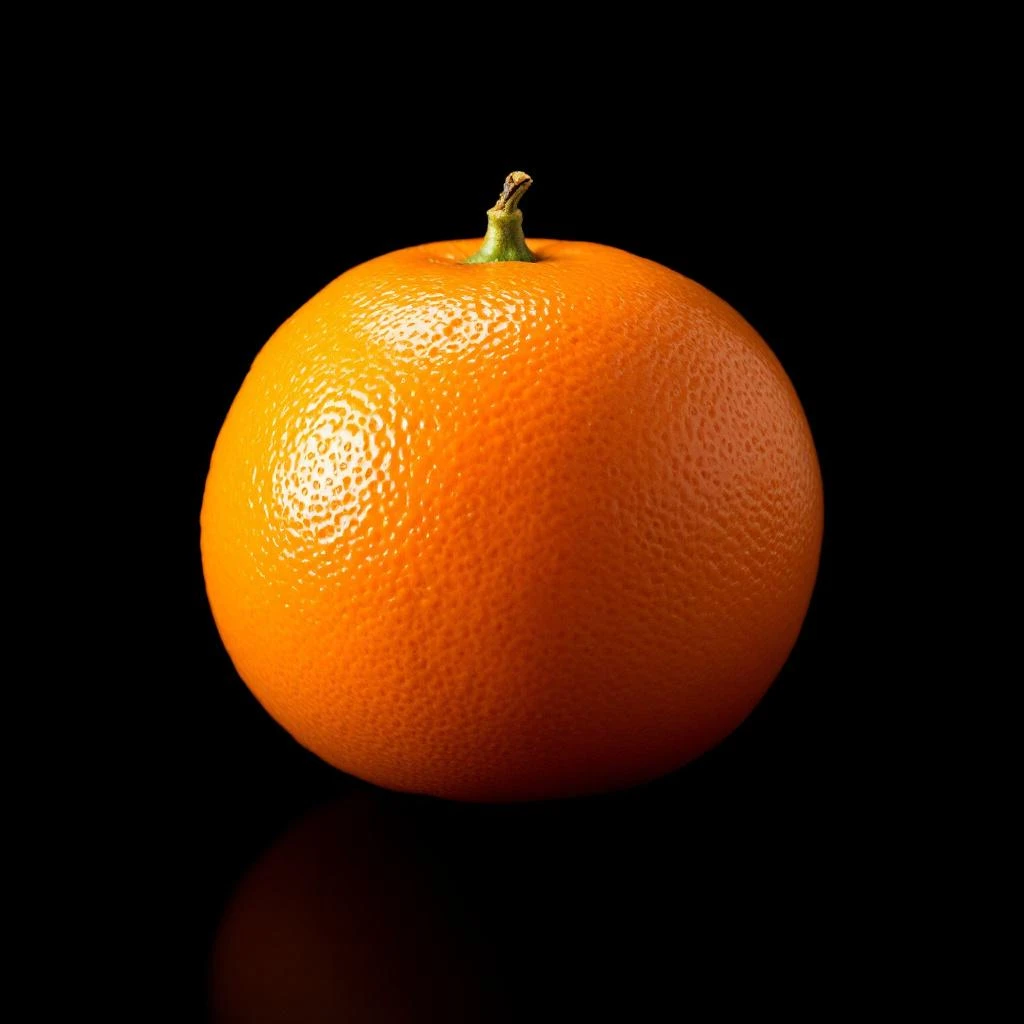
Petitgrain means "little grain" in French, referencing the small green oranges that were originally distilled to produce this oil in the 18th century.








Origin
Paraguay
The name petitgrain dates to 18th-century Europe, when French perfumers first distilled the small, unripe oranges of the bitter orange tree rather than using only the fruit peel. The term translates simply as "little grain."
By the 1870s, French botanist Benjamin Balansa traveled to Paraguay carrying copper stills and established the first systematic production there in 1876. Paraguay's climate proved ideal for Citrus aurantium cultivation, and the country became a primary global source.
Today, production spans three continents: Paraguay still leads, while France's Provence region and Italy's Calabria produce smaller quantities prized for their distinct terroir-influenced profiles. All three parts of the bitter orange tree yield commercially valuable oils: neroli from blossoms, petitgrain from leaves and twigs, and bitter orange oil from the peel.
Wears it best
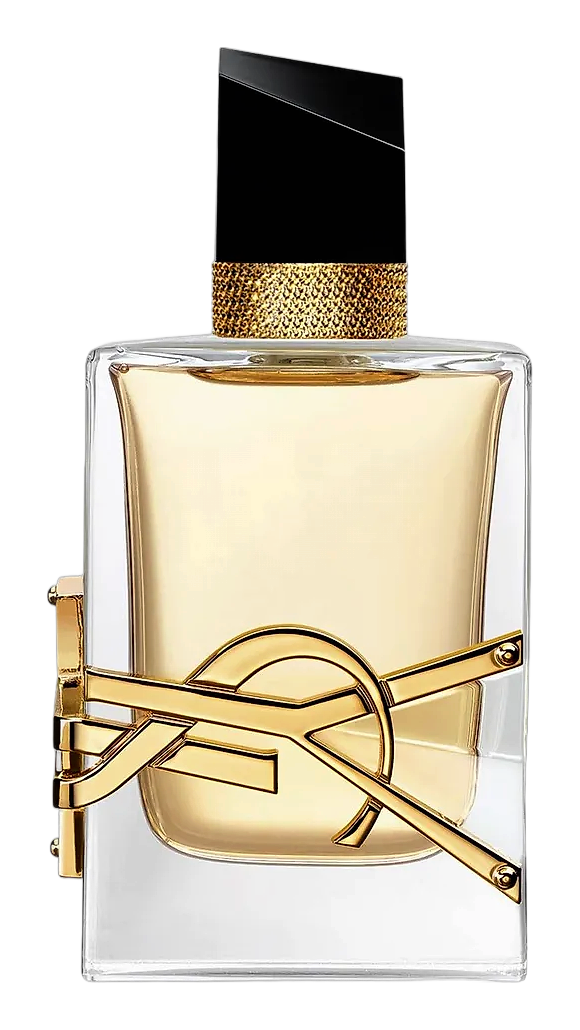
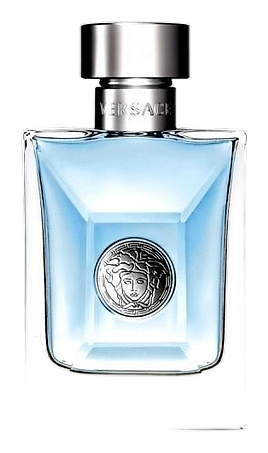
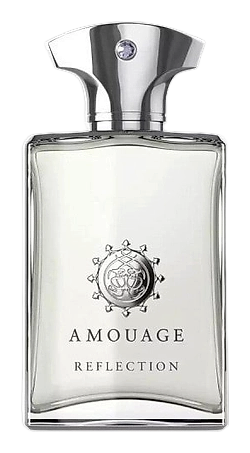
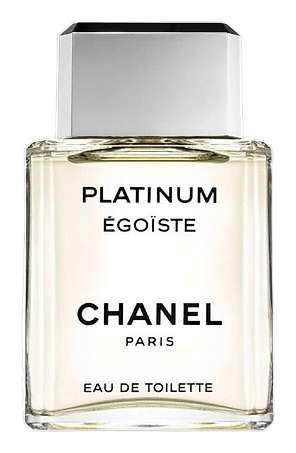
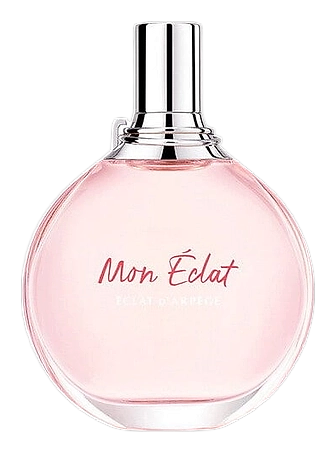
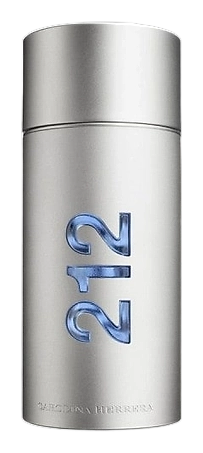
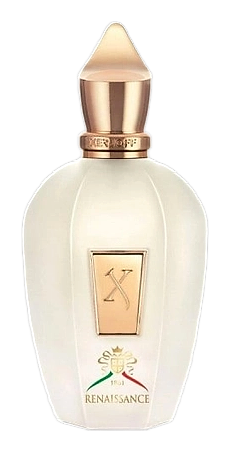
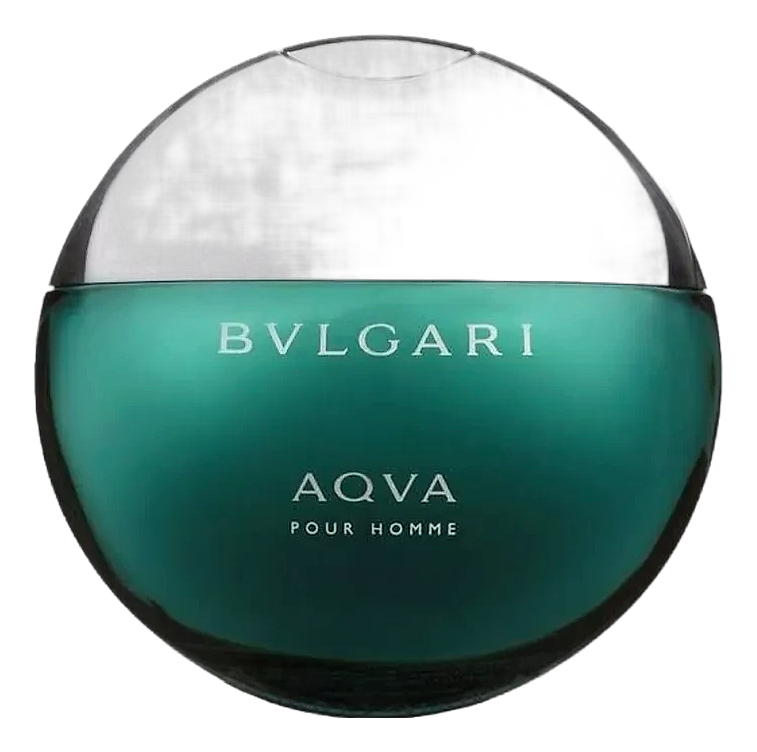
Fragrances featuring Petitgrain



Brands
Brands known for Petitgrain
Good to know
Questions, answered
The essentials on Petitgrain in perfumery: how it smells, where it comes from, and how it behaves on skin.
What is petitgrain?
Petitgrain is an essential oil steam-distilled from the leaves and twigs of the bitter orange tree (Citrus aurantium). It provides a fresh, green, slightly bitter citrus note used widely in fine fragrance and cosmetics.
What does petitgrain smell like?
Petitgrain smells like fresh orange leaves with a bitter-green edge and subtle woody warmth. It reads as more complex and grounded than bright lemon or orange oil, with herbal and slightly floral undertones.
How is petitgrain extracted?
Steam distillation extracts petitgrain from harvested leaves and twigs. Fresh plant material is placed in a still, exposed to pressurized steam that ruptures aromatic glands and carries volatile compounds into a condenser where they separate from the hydrosol as essential oil.
What part of the bitter orange tree is used for petitgrain?
Petitgrain comes from the leaves and twigs of the bitter orange tree, not the fruit or blossoms. The blossoms yield neroli oil and the fruit peel yields bitter orange oil, making the entire tree commercially valuable.
Where does petitgrain essential oil come from?
Paraguay dominates global petitgrain production, supplying an estimated 80 percent of the world's volume since the 1870s. France and Italy also produce smaller quantities with distinct aromatic profiles shaped by their respective microclimates.
What is the difference between petitgrain, neroli, and bitter orange oil?
All three oils come from the same bitter orange tree but from different plant parts. Petitgrain comes from leaves and twigs, neroli from blossoms, and bitter orange oil from the fruit peel. Each has a distinct scent profile ranging from green-bitter to floral-bright to citrusy-sweet.
Does petitgrain have uses beyond perfumery?
Petitgrain oil appears in aromatherapy for its calming and uplifting properties. It also functions as a natural fragrance ingredient in cosmetics, soaps, and toiletries. Traditional medicine in South America once used bitter orange preparations for digestive complaints.
How long has petitgrain been used in perfumery?
Petitgrain has been used in perfumery since the 18th century. French perfumers in the 1700s began distilling small green oranges from the bitter orange tree, coining the name "petitgrain" which refers to those little fruits.