The Story
Why it exists.
The beginning
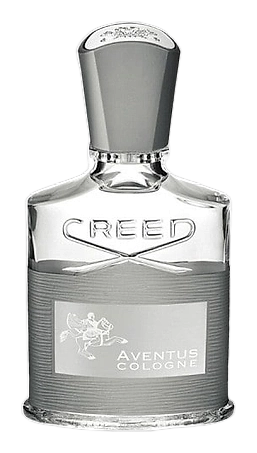
In 2010, Creed released something that didn't ask for permission. Aventus took its name and its spirit from Napoleon Bonaparte, the man, not the myth. Not the painted general. The actual arc: the wanting, the ambition, the refusal to be overlooked. Jean-Christophe Hérault and Erwin Creed built this fragrance around that narrative. Strength at the opening. Vision in the middle. Success as the drydown. That's the composition, and the point.
What makes this pyramid interesting is the interplay between brightness and smoke. Most fruity fragrances stay fruity. Aventus doesn't. The pineapple doesn't just sit on top, it opens bright and loud, then surrenders the stage to birch smoke that wasn't obvious in the opening at all. It's the hand-off that surprises. Jasmine and patchouli hold the middle without overpowering, which is harder than it sounds. The ambroxan in the base is doing quiet work: extending longevity, keeping the drydown close rather than projecting, which is why people describe this as a fragrance you have to lean in to fully appreciate.
The evolution
The opening announces itself immediately, citrus and blackcurrant, pineapple already loud before the first note fully registers. Within twenty minutes, the citrus fades and the pineapple-jasmine accord takes over, sweeter, rounder, almost edible. Then the base arrives. Birch smoke rises through the composition like something that was always there, just waiting. The drydown stays close, oakmoss, cedarwood, and musky ambergris that doesn't project so much as linger. On fabric, it lasts through a full workday and into the evening. On skin, the next morning there's a faint trace of smoke and fruit, like the ghost of the original statement.
Cultural impact
Since its 2010 launch, Aventus has become one of the most discussed masculine fragrances ever made. The pineapple-smoky birch combination became a reference point, copied, duplicated, and reimagined so many times that it spawned an entire subgenre of affordable alternatives. Among fragrance collectors, batch variation became part of the experience: different production runs are sought out, compared, and debated like vintage wine years.