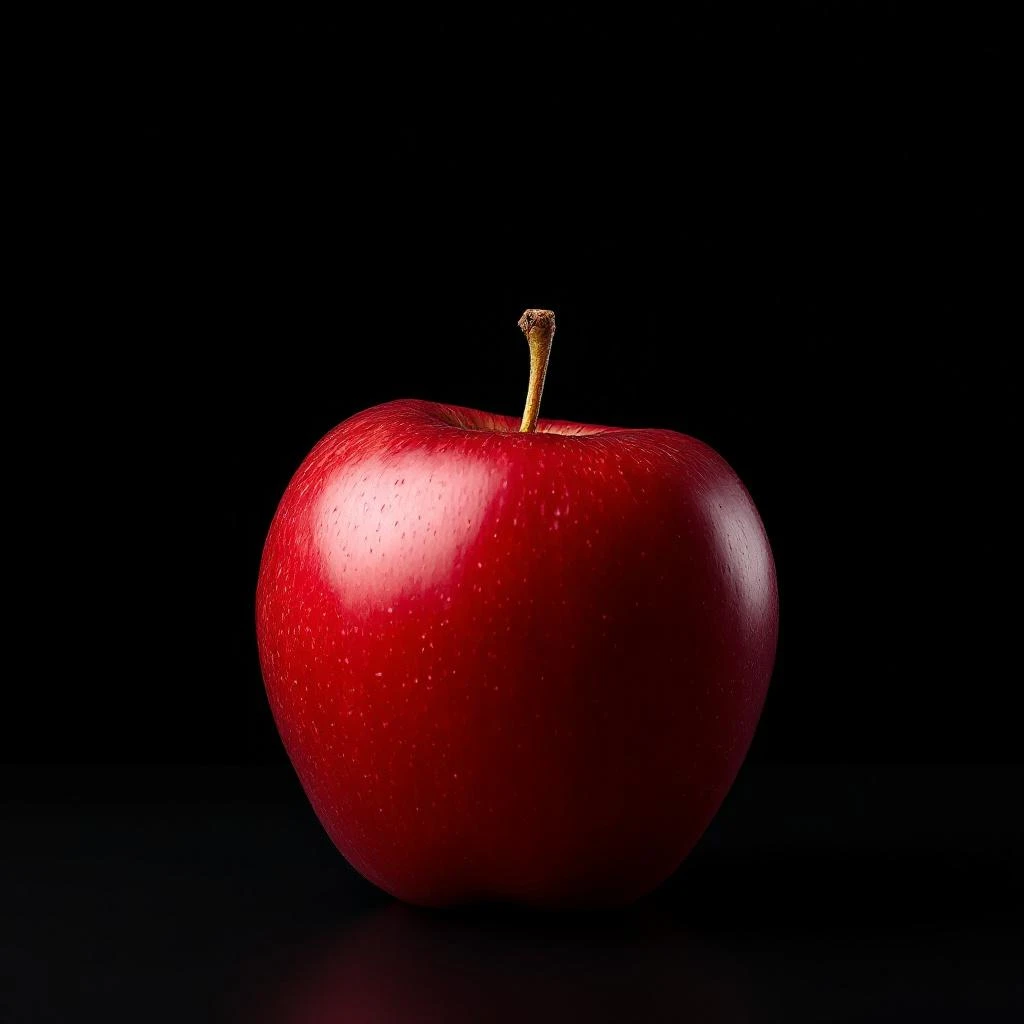
Apple
Apple in perfumery captures that unmistakable bite of crisp, tart freshness. Modern formulations synthesize this scent using esters like ethyl-2-methylbutyrate, recreating the green, aldehydic character of freshly picked fruit.
Character
How it smells
Fresh-picked crispness, laboratory precision.
Synthesized apple esters like ethyl-2-methylbutyrate achieve over 99% purity, far exceeding what natural extraction could provide.








Origin
France
While apple cultivation dates to ancient Mesopotamia around 6500 BCE, the fruit entered perfumery relatively recently. Natural apple pomace extracts appeared in nineteenth-century perfumery, but their weak projection and fleeting nature limited their use.
The real breakthrough came with mid-twentieth-century synthetic chemistry, when perfumers gained access to apple ester compounds. French and Swiss laboratories pioneered the synthesis of ethyl-2-methylbutyrate, the primary component of green apple scent.
By the 1970s, these materials became standard in perfumery, enabling fragrances like Clinique Aromatics Elixir to feature apple prominently. Today, apple ranks among the most used synthetic notes globally, prized for its fresh, approachable character that bridges citrus and floral elements.
Wears it best
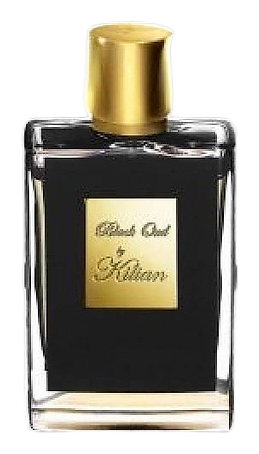
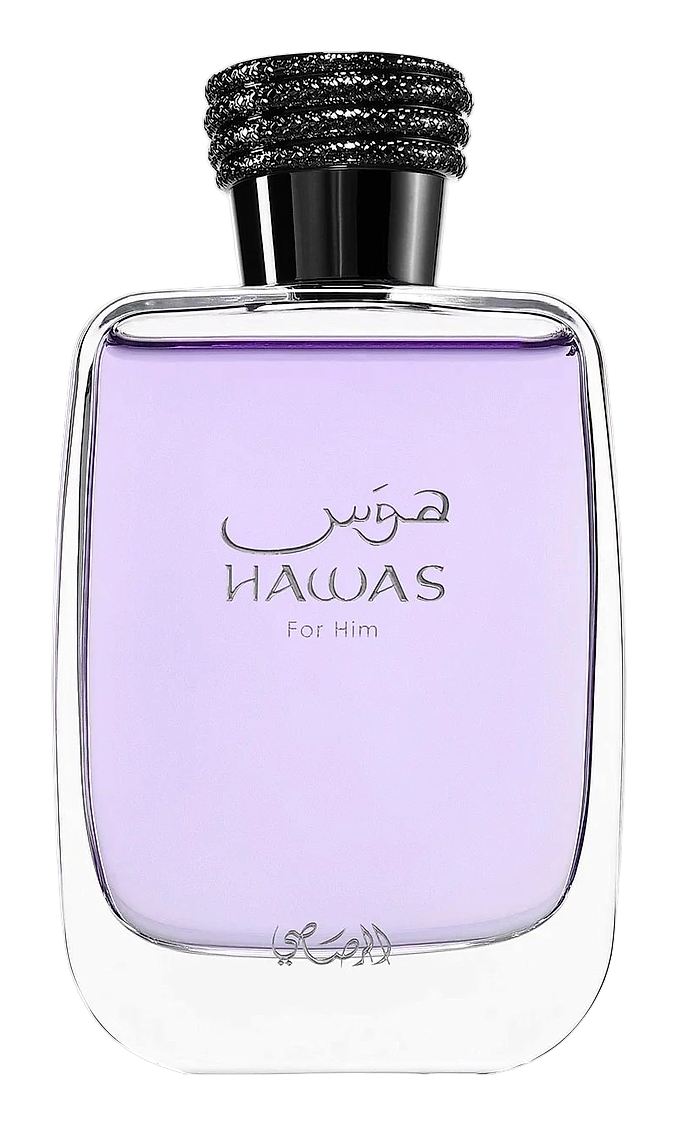
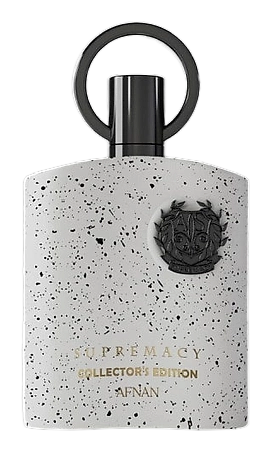
Fragrances featuring Apple


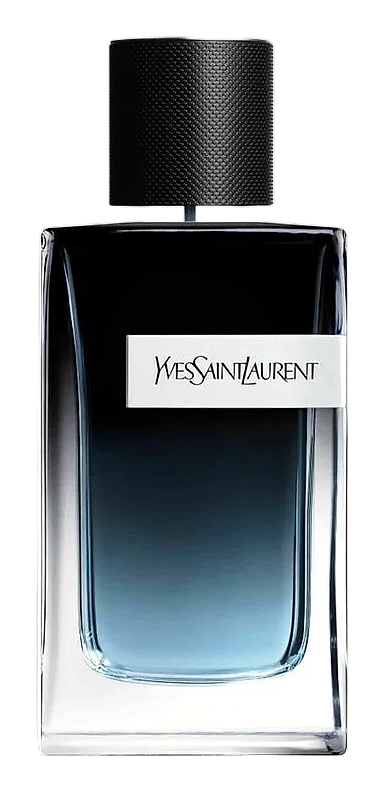
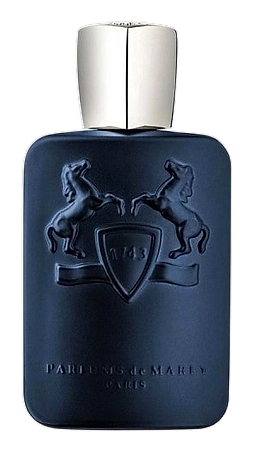
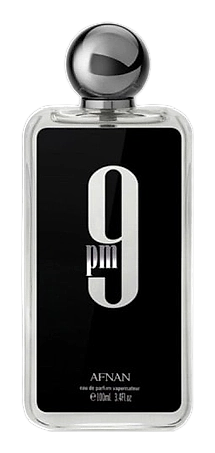
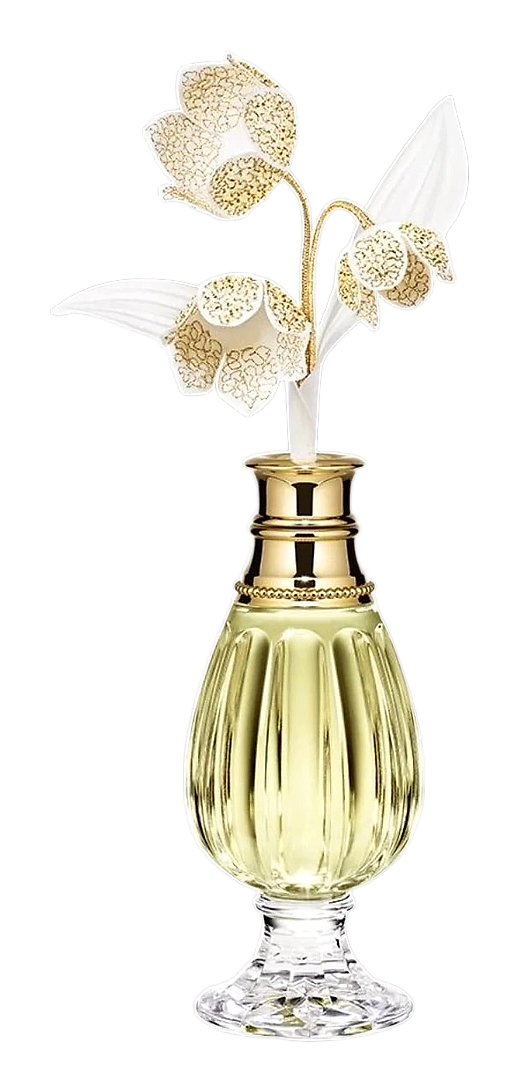


Brands
Brands known for Apple
Good to know
Questions, answered
The essentials on Apple in perfumery: how it smells, where it comes from, and how it behaves on skin.
Is apple a natural or synthetic fragrance ingredient?
Apple in perfumery is almost exclusively synthetic. Natural apple essential oil does not exist because apple fruit lacks sufficient aromatic compounds for commercial extraction. Perfumers create the apple accord using synthesized esters, primarily ethyl-2-methylbutyrate, which mimics the fresh, tart character of biting into a crisp apple.
What gives apple its characteristic scent in perfumes?
Ethyl-2-methylbutyrate provides the primary green apple aroma. This ester delivers crisp, tart, aldehydic qualities that define modern apple accords. Supporting compounds like hexyl acetate and isoamyl acetate add sweet, fruity undertones that round out the scent profile.
How is synthetic apple scent created in laboratories?
Chemists produce apple esters through esterification reactions between alcohols and carboxylic acids. For ethyl-2-methylbutyrate, they combine 2-methylbutyric acid with ethanol under controlled temperature conditions with acid catalysts. Purification through distillation yields compounds with over 99% purity.
What perfumes feature apple as a dominant note?
Mugler Angel introduced green apple to mainstream perfumery in 1992 with its iconic crisp apple note. Other notable fragrances include DKNY Be Delicious, which centers on a green apple accord, and Issey Miyake L'Eau d'Issey, where apple contributes fresh, aquatic character. The note appears frequently in modern fruity-green compositions.
How long does apple scent typically last in a fragrance?
Apple esters function primarily as top notes, lasting 20 to 40 minutes on skin before fading. The molecules evaporate quickly due to their low molecular weight. Fixatives like woody or musky base notes can extend apple's perceived presence in a fragrance composition for several hours.
What family of fragrance compounds does apple belong to?
Apple esters belong to the ester chemical family, specifically fruit esters. These compounds share structural characteristics with natural fruit aromas found in apples, bananas, and strawberries. In fragrance classification, apple notes fall within green, fruity, or chypre families depending on surrounding notes.
Are there natural alternatives to synthetic apple in perfumery?
Apple CO2 extract exists and captures some fruity, green characteristics from apple pomace. However, natural apple absolute is extremely rare in fine perfumery due to its instability and high cost. Most perfumers prefer synthetics for their consistency, potency, and clean scent profile.
What complementary notes pair well with apple in fragrance composition?
Apple pairs naturally with citrus, particularly grapefruit and bergamot, which enhance its fresh quality. Florals like jasmine and rose soften apple's tartness. Woody notes such as cedar and vetiver ground the lightness, while musk adds longevity. This versatility makes apple a popular bridging note in modern perfumery.